
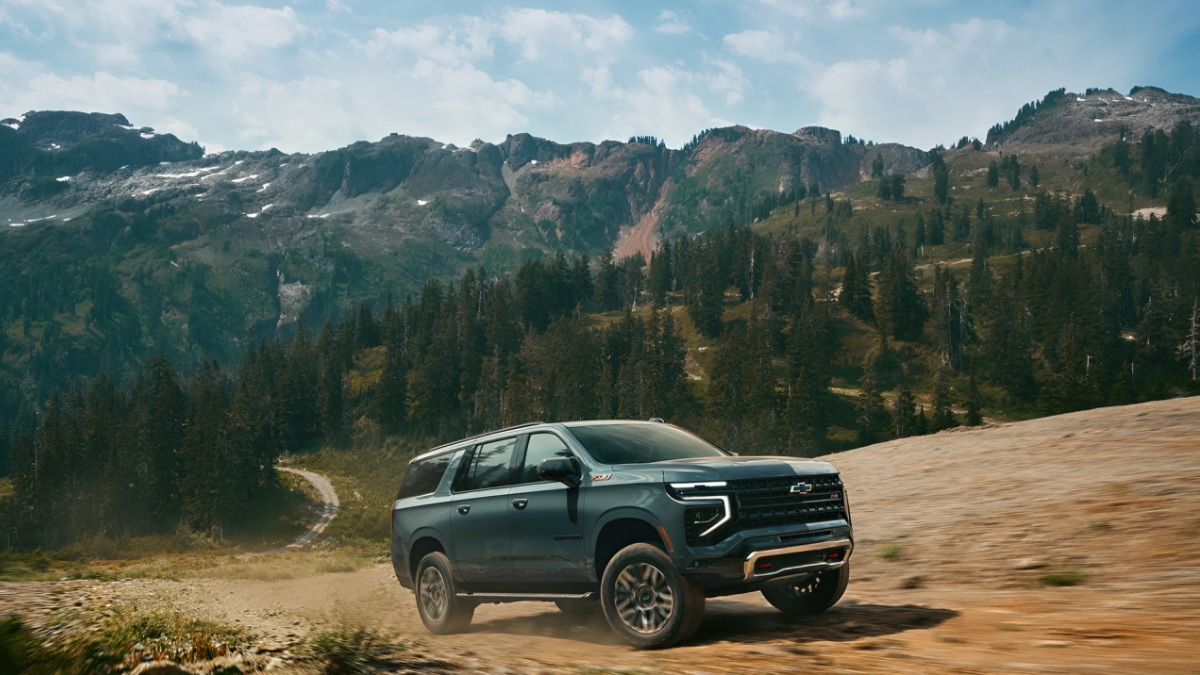
The front row gets the strongest AC output, the cleanest airflow, and the controls within arm’s reach of the driver. The third row gets whatever is left over — after the air has traveled the full length of the vehicle, passed through two rows of seats and human bodies, and arrived at the rear of a cabin that has been sitting in direct sun through a panoramic glass roof all day. Whether the people in that third row are comfortable on a July afternoon drive is not a matter of the vehicle’s AC compressor rating. It is a matter of three specific design decisions: where the vents are, what the roof is made of, and whether the seats do any active cooling work of their own.
Most buyers never learn which vehicles made which decisions until they are in the back row on I-10 in Texas at 2 PM.
Quick Takeaways
- The three variables that determine third-row summer temperature: vent location (floor/console vs. ceiling), roof material (glass vs. metal), and whether seats have active ventilation
- Ceiling-mounted vents direct cold air downward toward seated passengers regardless of distance from the front — the most effective design for rows 2 and 3 in hot weather
- Floor vents and console-mounted rear vents push cool air horizontally at knee level; this works well in cooler weather but is significantly less effective when the cabin above seat height is already hot from solar gain through roof glass
- Three-zone climate control (driver / front passenger / rear as one zone) is available on most vehicles in this segment; it does not separate second row from third row — rear passengers in rows 2 and 3 share one zone unless the vehicle offers quad-zone
- Ventilated seats (fan-only, circulating cabin air through seat perforations) improve perceived comfort at the contact surface but do not lower air temperature; cooled seats (thermoelectric or AC-fed) actually reduce the temperature of air reaching the occupant — an important distinction in extreme heat
- The panoramic glass roof is the underappreciated variable: glass over rows 2 and 3 absorbs solar radiation and radiates heat downward regardless of whether the shade blind is closed (→ see “The Panoramic Sunroof Penalty” in this series)
Three Variables, Not One
Buyers shopping for a summer-capable family SUV tend to focus on the AC compressor and the number of climate zones. Both matter less than three specific design decisions that vary widely between vehicles in the same segment and price range.
Variable 1: Vent location. Cold air from the AC system exits the cabin through wherever the engineers placed the rear vents. In many midsize SUVs, those vents are in the back of the center console — roughly at knee height for second-row passengers — or in the door pillars at about shoulder height. Both designs deliver adequate cooling in moderate weather. In July heat, with a glass roof overhead and a fully loaded cabin, the effectiveness of these vents depends on how well the AC system can actually cool the air above seat height before that hot air settles on the occupants. Ceiling vents — mounted in the headliner between rows 2 and 3, and between rows 3 and the cargo area — direct cold air downward from above. This matters because hot air rises; cold air stratifies at floor level when delivered from below. Ceiling vents deliver cold air directly to the heads and shoulders of seated rear passengers, which is where thermal discomfort is most immediately felt.
Variable 2: Roof material. Glass transmits radiant solar heat through the cabin roof in a way that metal does not. Vehicle thermal research — including a study published in MATEC Web of Conferences measuring interior surface temperatures in parked vehicles — documents that surfaces exposed to solar radiation through glass can reach approximately 90°C during summer conditions. Even with the shade blind deployed, heat radiates from the warm glass downward into the cabin. This is not a failure of the shade; it is physics. The shade reduces visible light but cannot prevent conductive heat transfer from hot glass sitting a few inches above a thin cloth blind. For third-row passengers sitting directly beneath the rear section of a panoramic roof, this adds a sustained radiant heat load that the AC system must continuously overcome. The larger the glass area, the larger the penalty.
Variable 3: Ventilated or cooled seats. Ventilated seats circulate cabin air through perforations in the seat surface using a fan built into the seat cushion. When the cabin air is already cool — after the AC has run for several minutes — ventilated seats meaningfully improve perceived comfort by preventing heat and moisture buildup at the contact surface. When the cabin air is hot — as it is during the first 10–15 minutes of driving after a parked-in-sun situation, or when the AC is struggling against solar heat gain through glass — ventilated seats circulate warm air through the seat and are only marginally helpful. Cooled seats, which use a thermoelectric or AC-fed chiller to actively reduce the temperature of air before it passes through the seat, provide genuine relief even when the ambient cabin temperature is still recovering.
The distinction matters most for summer weekend use because the first 15 minutes of every drive after parking in afternoon sun is precisely when hot cabin air makes ventilated seats uncomfortable and cooled seats worth every dollar of the trim premium.
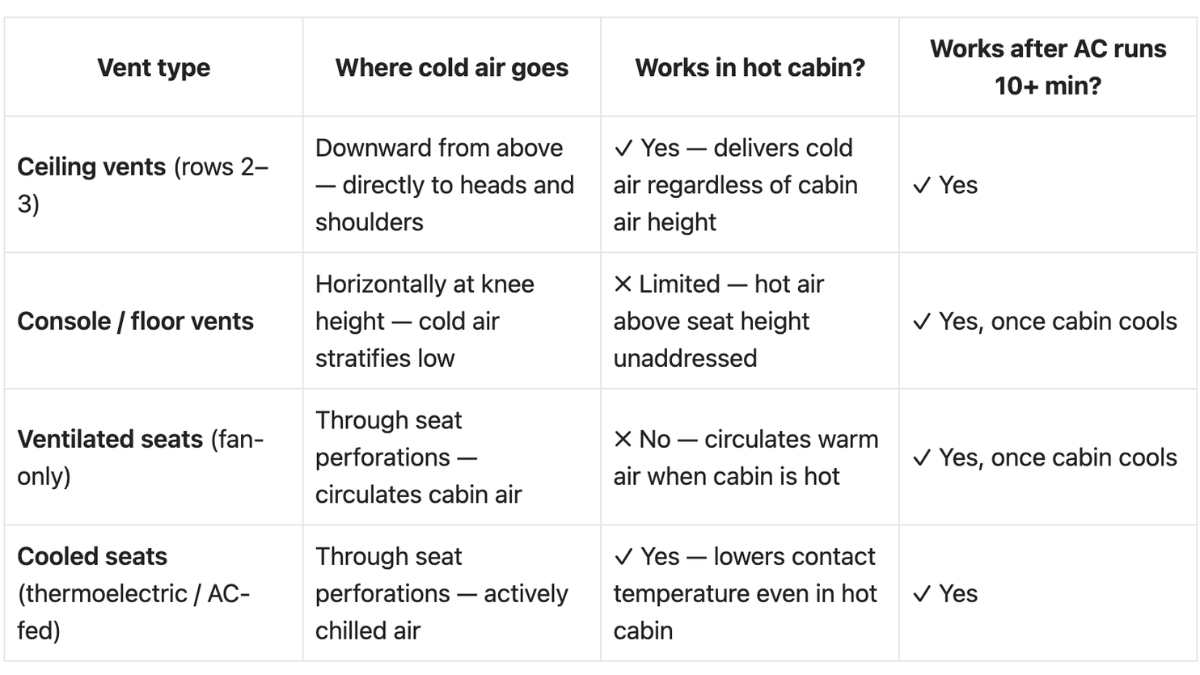
Cold air rises to the top of a hot cabin. Ceiling vents work with this — console vents work against it.
Which Vehicles Get This Right in 2025–26
Hyundai Palisade (2026) — Best Overall Rear Cooling System

The 2026 Palisade is the most systematically engineered vehicle in the mainstream midsize segment for rear passenger summer comfort, primarily because it addresses all three variables — not just one.
Ceiling vents: A Girl’s Guide to Cars’ review of the 2026 Palisade documents four ceiling vents — two dedicated to the second row and two dedicated to the third row — in the headliner. This is the configuration that delivers cold air to seated passengers from above regardless of floor-level temperature. Rear passengers can adjust their ceiling vents independently via a physical control panel on the ceiling, or through voice commands if the panel is out of reach.
Third-row climate control: Three-zone climate is standard across all 2026 Palisade trims, per Edmunds’ trim breakdown. The rear zone includes the ceiling vents serving both rows 2 and 3.
Ventilated second-row seats: Available starting at SEL Premium (~$44,800). At this trim, both second-row passengers get ventilated seats — a feature that, as Edmunds’ trim guide notes, is “nearly unheard of at this price point” in the segment. This does not extend to the third row, where heating is available on higher trims but ventilation is not.
The glass roof caveat: Most Palisade trims above base include a dual-panel sunroof, and the full Calligraphy features a larger dual-pane setup. The A Girl’s Guide to Cars review notes “a large glass roof extends over the 2nd and 3rd row.” Most trims have sun shades for the rear side windows; the ceiling shade reduces light but not radiated heat from the glass above. The Palisade’s strong ceiling-vent design partially compensates for this, but buyers in the hottest climates who skip the sunroof option (if available at a lower trim) will have a meaningfully different rear-row summer experience.
Verdict: The best combination of ceiling vents + ventilated second-row seats + three-zone climate in the mainstream segment. The glass roof is a real but manageable trade-off with ceramic window film or by choosing the lowest trim where the sunroof is not included.
Kia Telluride (2027, replacing 2026 model year) — Best All-Trim Rear Vent Coverage
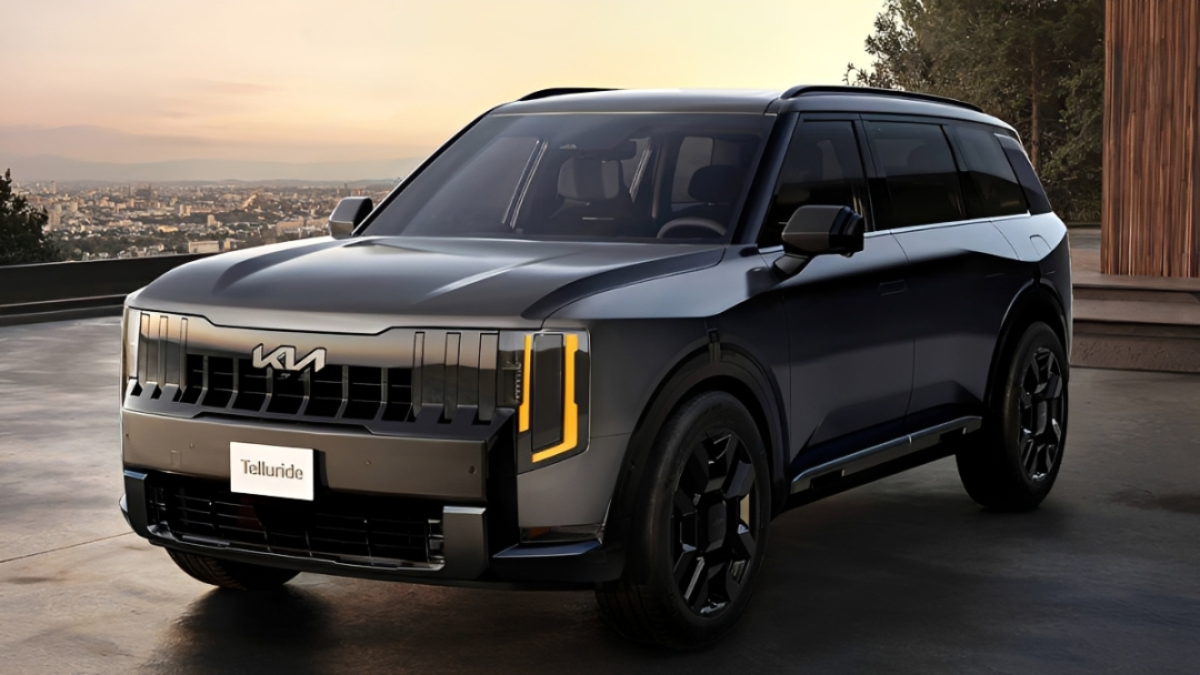
Kia skipped the 2026 model year, launching the second-generation Telluride as a 2027. It addresses rear cooling more thoroughly than any previous Telluride and more uniformly across the trim range than most competitors.
Ceiling vents standard on every trim: Per Kia’s official press release for the 2027 Telluride and confirmed by multiple dealer preview sources, ceiling-mounted rear vents serving the third row are standard across the entire lineup, starting with the base LX. This is the critical differentiator from vehicles where ceiling vents are reserved for upper trims. A family in the base LX at $39,190 gets the same ceiling vent architecture as a buyer in the $56,790 X-Pro SX Prestige.
Tri-zone climate standard on every trim: Per Ray Skillman Northeast Kia’s trim coverage: “Tri-zone automatic climate control comes standard everywhere, with ceiling-mounted rear vents keeping third-row passengers comfortable.” Rear passengers have independent temperature control from the front regardless of trim level.
Ventilated second-row seats: Available at SX Prestige trim ($53,890). Climate-controlled second-row captain’s chairs — Kia’s term, per the official press release, suggesting cooled-air rather than fan-only ventilation — are part of the 2027 redesign’s comfort upgrades. Confirm “climate-controlled” specification versus ventilated-only with the dealer before purchase, as the distinction affects performance in extreme heat.
The roof trade-off: The SX trim and above include dual sunroofs; the S trim adds a single sunroof over the base LX per CarsDirect’s specification breakdown. Only the base LX trim is available without any sunroof, making it the one Telluride configuration where buyers can get ceiling vents and tri-zone climate standard without any glass overhead. In hot climates, the LX without a sunroof, combined with the standard ceiling vents, may provide more consistently comfortable third-row temperature on a July drive than a higher-trimmed competitor with full panoramic glass.
Verdict: Best entry-level rear cooling architecture in the segment. Ceiling vents and tri-zone climate at every trim gives the lowest-cost third-row summer comfort of any vehicle here.
Toyota Grand Highlander (2025–2026) — Best Rear Vent Design on a Full-Size Platform
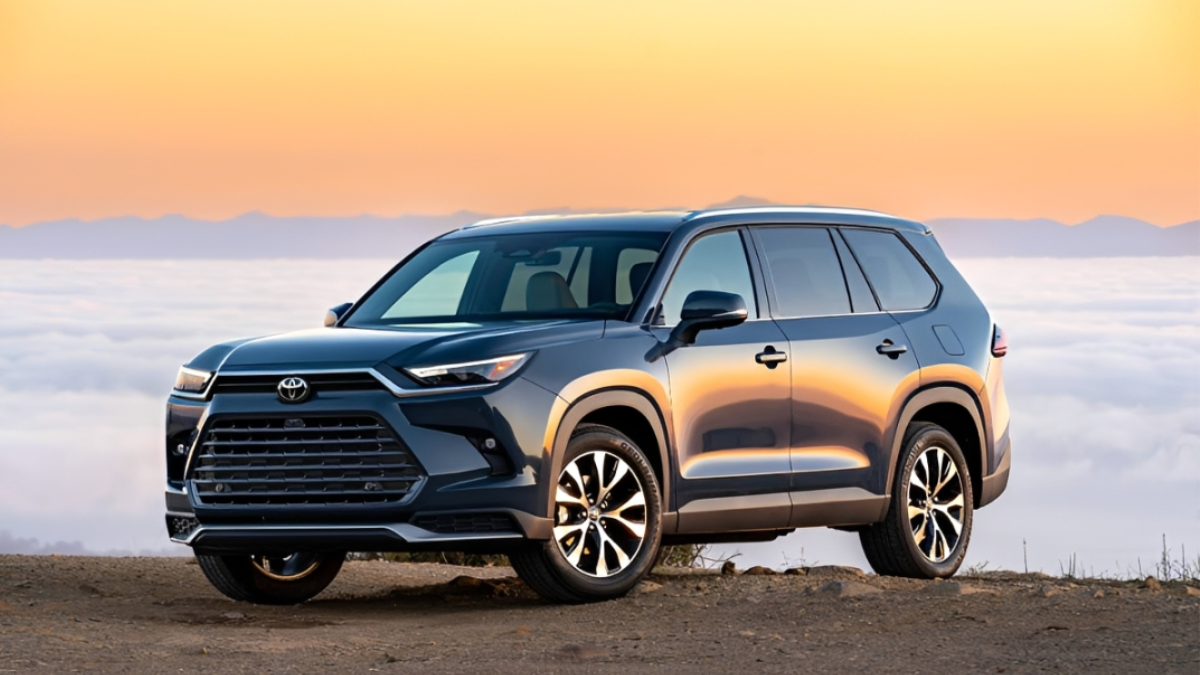
The Toyota Grand Highlander runs ceiling-mounted strips of air conditioning vents along the sides of the headliner above the second and third rows — the same architecture Toyota uses in the Highlander and Kluger globally, and one of the most effective designs for distributing cold air to all rear seats simultaneously.
These ceiling vents are integrated into the body structure above the second and third row windows and deliver airflow to all seated passengers without requiring them to redirect floor or console vents manually. For a family of seven on a summer drive where some passengers are sleeping or seated in non-ideal positions, the omnidirectional ceiling distribution is a meaningful comfort advantage over directional console vents.
Tri-zone climate: Available, with rear passengers able to set their own temperature independently of the front.
Physical controls: The Grand Highlander retains physical knobs and buttons for climate adjustment — a feature confirmed by KBB as one of its differentiators from touchscreen-dependent competitors. This matters during summer driving because adjusting the rear temperature while in motion requires zero eyes-off-road time with physical controls.
Ventilated rear seats: The Grand Highlander does not offer ventilated second or third-row seats. Front seat ventilation is available on upper trims but does not extend to the second row. For buyers prioritizing second-row summer comfort, this is a gap relative to the Palisade.
The sunroof: Most Grand Highlander trims above the base include a panoramic roof. The hybrid’s raised floor structure (for the battery pack) already elevates second and third-row seating — combined with glass overhead, the thermal load is real. Ceramic film on the panoramic glass is worth considering in Sun Belt climates.
Verdict: The ceiling vent architecture is among the best in the mainstream segment, but the absence of second-row ventilated seats limits the full-summer package compared to the Palisade. Best for families who want strong AC reach into all rows without paying for ventilated rear seats.
Chevrolet Traverse (2025–2026) — Best Three-Zone Climate Standard Equipment
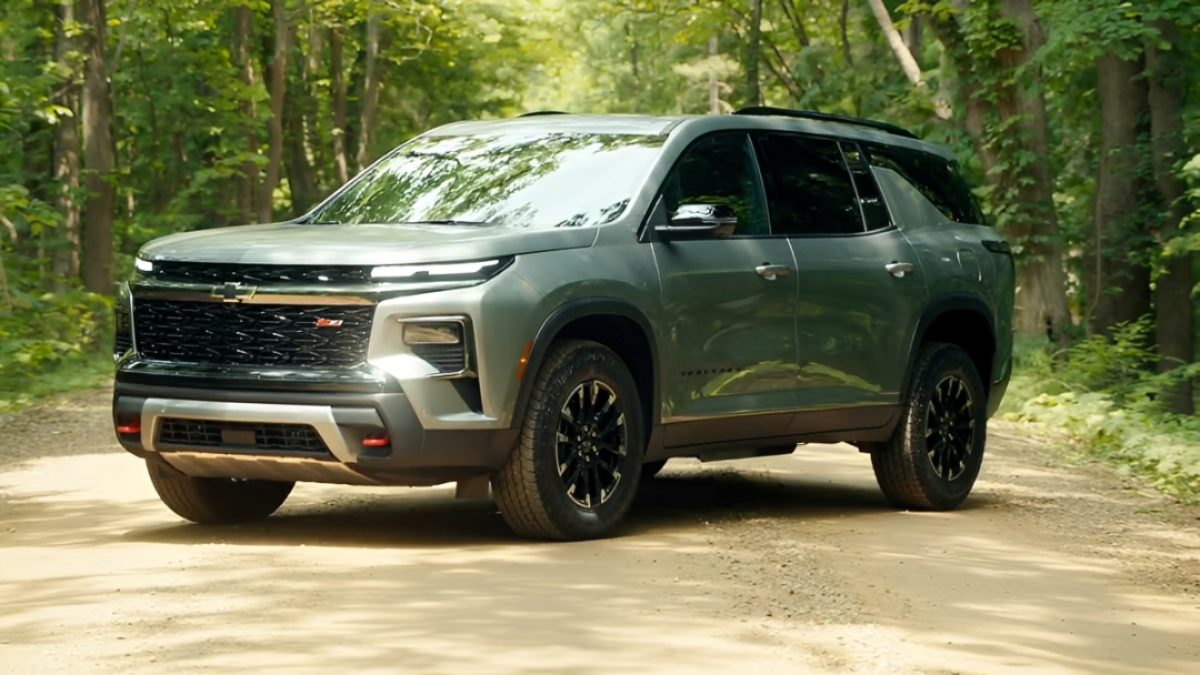
The Chevrolet Traverse offers tri-zone automatic climate control standard on every trim including the base model — one of the few vehicles in the segment where buyers do not have to upgrade to get independent rear temperature control. Chevrolet’s own documentation confirms the system: rear passengers set their preferred temperature and the system automatically adjusts fan and delivery mode to maintain it.
The Traverse also provides rear ceiling-mounted vents on mid and upper trims (RS, Premier, High Country), with the delivery mechanism switching from console-only on the base to ceiling-supplemented on higher configurations.
Heating note: The Traverse’s top-trimmed High Country includes heated rear outboard seats for second-row passengers. Ventilated rear seats are not offered on any Traverse trim — this is a gap relative to the Palisade and upper Telluride trims in peak summer conditions.
Cargo and glass: The Traverse’s standard sunroof becomes a panoramic option on upper trims. Buyers specifically concerned about third-row summer heat should check which trim and sunroof configuration they are purchasing.
Verdict: Strong baseline for standard tri-zone climate, but the ceiling vent architecture and absence of ventilated rear seats limit it relative to the Palisade and Telluride in July peak conditions.
The Panoramic Roof Variable That Matters More Than It Looks
The sunroof is the sleeper variable in this comparison. Buyers who have read the panoramic sunroof article in this series already know the mechanism: glass at high angles absorbs solar radiation and re-radiates heat downward into the cabin regardless of the shade blind position. The shade reduces visible light but not the conductive heat transfer from glass at 80°C.
For third-row passengers seated directly beneath the rear section of a panoramic roof — as they are in the Palisade, Grand Highlander, Traverse, and upper Telluride trims — this is an additional heat source the AC system must continuously overcome. The larger the glass area, the larger the load.
This is not an argument against panoramic roofs. It is an argument for understanding that “ceiling vents over row 3” plus “large glass roof over row 3” produces a more complex thermal environment than “ceiling vents over row 3” plus “metal roof over row 3.” In the hottest climates — Phoenix, Houston, Orlando, the Canadian Prairie in July — the ceiling vent advantage of the Palisade or Telluride can be partially offset by the glass penalty if the roof tint is inadequate.
Two practical mitigations for existing owners: aftermarket ceramic window film on the panoramic glass section reduces solar heat gain by 50–80% per published film specifications, and costs roughly $200–$400 professionally installed for the panoramic section alone. The second mitigation is a custom sunshade cut to the panoramic glass dimensions, which — unlike the factory cloth blind — blocks conductive heat transfer from warm glass to the cabin below.
For buyers still shopping: the 2027 Kia Telluride LX ($40,735) is the only trim without any sunroof — per CarsDirect’s trim breakdown, the S trim adds a sunroof as one of its first upgrades over the base LX, and all higher trims include at least a single sunroof. The LX, with ceiling vents and tri-zone climate standard, and without any glass overhead, may provide better sustained third-row summer comfort than higher-trim vehicles with full panoramic glass.
What to Check Before Buying for Summer Use
A checklist specifically for evaluating a three-row SUV’s rear-row July performance before purchase:
1. Ask where the rear vents are. Look up. If the vents are ceiling-mounted, that is the correct design for summer. If they are console or door-pillar mounted only, ask whether the trim being considered adds ceiling vents — many vehicles add these only on mid and upper trims.
2. Confirm whether tri-zone climate is standard on the trim you are buying. Many vehicles offer three-zone only from EX or SEL upward. A base trim with dual-zone means the front passenger and all rear passengers share one temperature setting.
3. Check the glass roof configuration. If a panoramic roof is standard on the trim, factor in the radiant heat penalty. The shade blind is not sufficient mitigation in extreme heat. Ask the dealer about the glass tint specification (SHGC) or plan for aftermarket ceramic film.
4. Evaluate ventilated vs. cooled seats for the second row. If the trim includes “ventilated” second-row seats, ask whether the ventilation is fan-only (circulates cabin air) or AC-fed/thermoelectric (actively cools air before delivery). Fan-only ventilation is most effective after the cabin is already cool; AC-fed systems provide comfort during the initial 15 minutes when cabin temperature is still recovering from parked-in-sun conditions.
5. Sit in the third row at the dealer with the vehicle parked in direct sun for 30 minutes. Request this specifically. The third-row temperature in motion on the highway will be better than this test — but if the vehicle cannot bring the third row to comfort with AC running at full output after 30 minutes in the dealer lot, a July trip in that row will be worse.
U.S. and Canada Note
The July heat problem has different intensities by geography. In Phoenix, Las Vegas, Houston, and Orlando, the combination of ambient temperatures above 100°F and intense solar radiation makes the panoramic roof penalty and the ceiling vent design genuinely critical — not just preferable. In those climates, the Palisade with ventilated second-row seats and ceiling vents throughout, or the Telluride LX (the only trim without any sunroof), are practical purchase decisions rather than comfort upgrades.
In Canadian summer climates — including the Prairie provinces and southern Ontario during heat events — July temperatures can reach 35–40°C (95–104°F) with intense direct sun. The Grand Highlander’s ceiling vent strips and the Telluride’s standard tri-zone and ceiling vent architecture perform well in these conditions. Canadian buyers in northern provinces who primarily use the third row in summer should note that the panoramic roof configuration they choose will affect rear-row comfort more than any other single variable during the warmest months, even if those months are fewer than in Sun Belt states.
SOURCES
- A Girl’s Guide to Cars: four ceiling vents in 2026 Palisade — two for second row, two for third row; ceiling climate control panel; ventilated seats on Calligraphy; glass roof extends over rows 2 and 3
- Edmunds 2026 Palisade trims: ventilated second-row seats available at SEL Premium; three-zone climate standard; trim-by-trim breakdown of cooling features
- Kia official press release: climate-controlled second-row captain’s chairs; ceiling-mounted rear vents; tri-zone climate standard; all-new NVH package
- Ray Skillman Northeast Kia: “Tri-zone automatic climate control comes standard everywhere, with ceiling-mounted rear vents keeping third-row passengers comfortable” — confirmed for all trims
- CarsDirect 2027 Telluride trim breakdown: LX has no sunroof; S trim adds a sunroof; SX and above receive dual sunroofs — sourced for Telluride LX-only no-sunroof claim
- Edmunds most comfortable SUVs: Grand Highlander all rows comfortable; controls easy to use; ceiling vent design noted
- Chevrolet: rear automatic climate control standard — automatically adjusts to passenger-set temperature; standard on all Traverse trims
- U.S. News: ventilated seats circulate cabin-temperature air through perforations; cooled seats actively lower air temperature — distinction between fan-only and thermoelectric/AC-fed systems
- The Car Mom: ventilated vs. air-conditioned seat distinction; effectiveness in extreme heat environments
- MATEC Web of Conferences vehicle thermal study: interior surfaces exposed to solar radiation through glass peak near 90°C under South China summer conditions; dashboard is hottest surface at ~90°C peak; greenhouse effect documented inside parked vehicle cabin
- Subaru Ascent Forum: owner reports interior temperature hit 130°F with shade closed on 100°F day; ceramic tint significantly reduced heat gain; shade blind alone insufficient — owner-reported evidence framed as anecdotal