
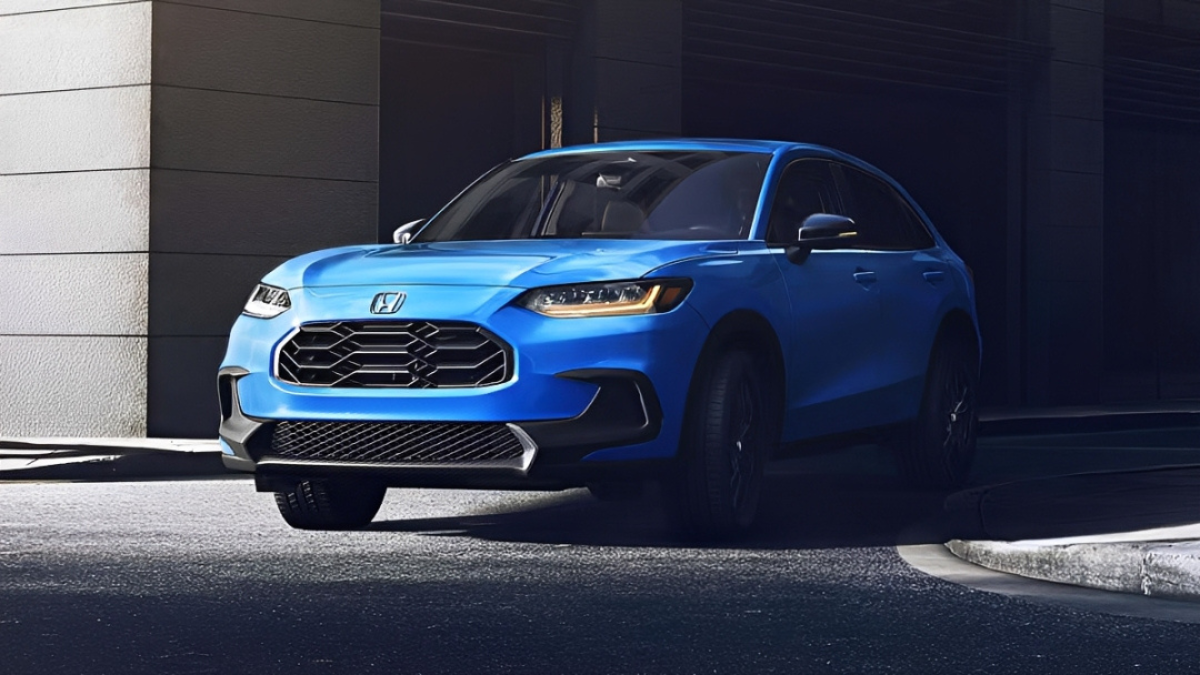
According to Subaru’s 2026 Crosstrek trim-comparison sheet, the Crosstrek comes standard with Symmetrical All‑Wheel Drive and is listed with a turning circle as tight as 34.78 feet on models with quick‑ratio steering. Car and Driver’s 2026 Honda HR‑V road test lists the HR‑V at 179.8 inches long and a published 32 mpg result on its 75‑mph highway route—an “easy city + easy weekend” profile focused on efficiency and manageable size. For city weekends, the right choice is usually not about horsepower. It is about parking geometry (length, width, turning circle), seats‑up cargo for errands, and how relaxed the vehicle feels in stop‑and‑go. As of March 16, 2026, here’s the practical “which makes more sense” guide.
Quick takeaways
- If tight parking is the main stress: the HR‑V’s compact footprint is easy to audit on paper (Car and Driver lists 179.8 in length and 72.4 in width).
- If you want AWD confidence without overthinking: Subaru lists standard AWD on every 2026 Crosstrek trim.
- If the weekend is errands-heavy: Honda’s HR‑V trim comparison lists 24.4 cu ft cargo seats‑up and 55.1 cu ft max; Car and Driver lists Crosstrek at 19.9 cu ft seats‑up and 54.7 cu ft max.
- If you care about “easy highway” efficiency: Car and Driver lists HR‑V at 32 mpg on its 75‑mph route; Car and Driver says Crosstrek is EPA‑rated up to 26 city / 33 highway and reports strong 75‑mph results on its route (configuration-dependent).
- Best decision method: run a 10‑minute “tight lot loop” (U‑turn, back-in, parallel park) and a 5‑minute “errand load” test with seats up.
The city-weekend problem: parking geometry plus stop-cycle chaos
City weekends are a mix of:
- tight parking garages,
- quick curb stops,
- crowded lots,
- and short hops that repeat all day.
That’s why the “best” vehicle is the one that reduces micro-stress:
- fewer multi-point turns,
- easier mirror placement,
- and less cabin spillover from bags.
Parking geometry: what the numbers actually say
This is the most objective section of the comparison.
HR‑V: compact footprint you can measure
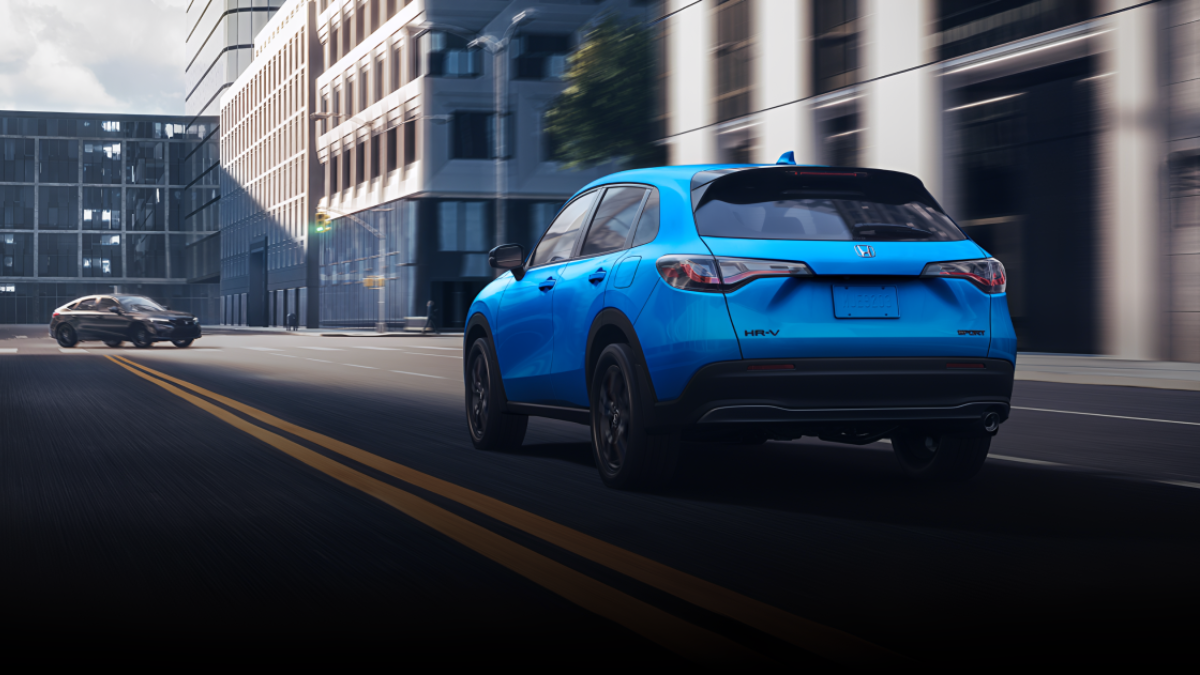
Car and Driver lists the 2026 HR‑V at:
- 179.8 inches long
- 72.4 inches wide
- 63.4 inches tall
Those numbers explain why HR‑V is often a simple city tool: it’s sized for tight garages while still being tall enough for good sightlines.
Crosstrek: similar scale, but AWD standard and a specific turning-circle claim
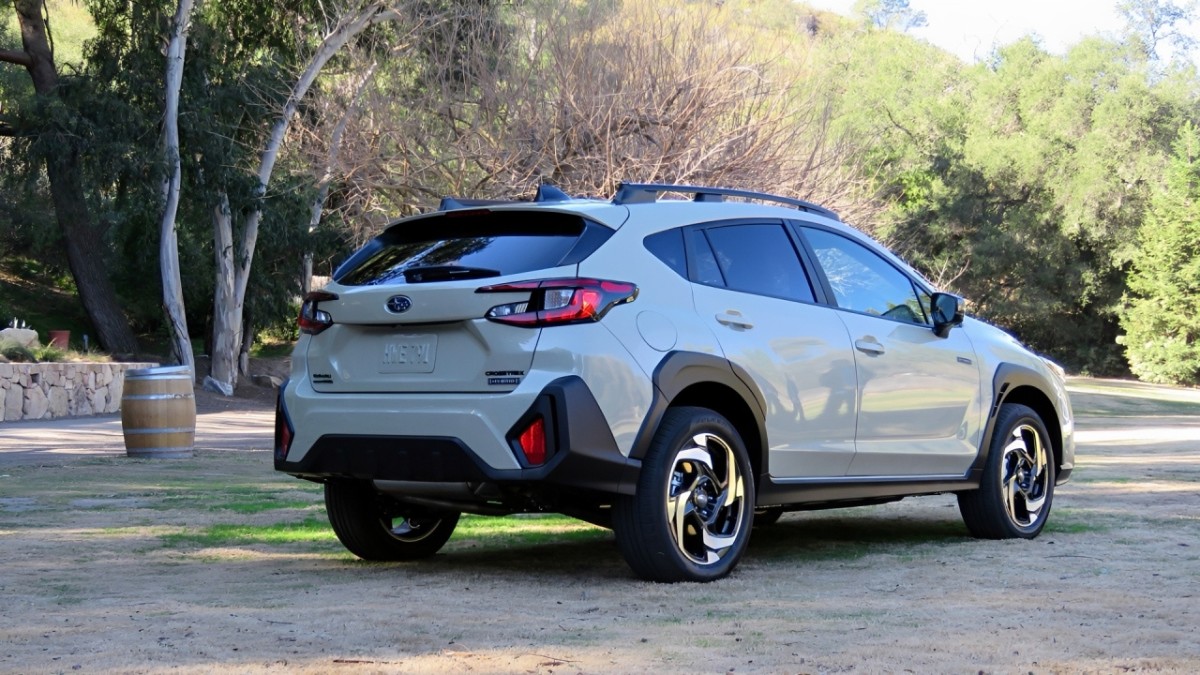
Subaru’s 2026 Crosstrek trim sheet lists electric power steering with quick‑ratio steering and a turning circle as tight as 34.78 feet on certain configurations (other steering setups list larger turning circles on the same sheet). Subaru also lists standard Symmetrical AWD across trims.
Weekend takeaway: if you frequently face narrow U‑turns and garage ramps, the turning circle and steering feel matter as much as length.
Seats-up cargo: the part that makes weekends feel easy
A city weekend often carries:
- groceries,
- small cooler,
- jackets and layers,
- and sometimes a stroller.
Honda’s trim comparison lists HR‑V cargo volume (seat up/down) at 24.4 / 55.1 cu ft. Car and Driver’s specs list Crosstrek at 19.9 cu ft behind the second row and 54.7 cu ft max with seats folded.
The practical meaning:
- HR‑V gives more “seats-up” space for keeping the cabin tidy.
- Crosstrek can match in max space, but it tends to ask for more careful packing with seats up.
Weekend highway piece: which one feels lower-drama at speed
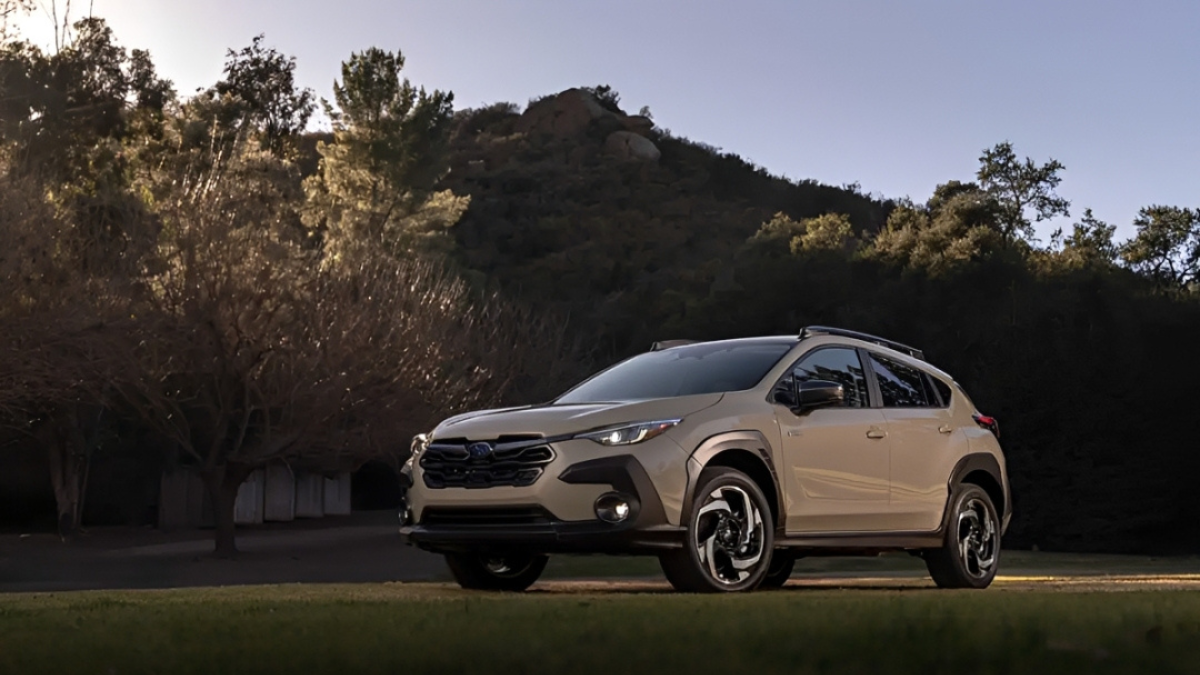
City weekends still include highway miles, even if it’s only 30–90 minutes each way.
- Car and Driver lists HR‑V’s 75‑mph highway result at 32 mpg and EPA at 27/25/30 (combined/city/highway).
- Car and Driver says Crosstrek is EPA‑rated up to 26 city / 33 highway, and it notes strong results on its 75‑mph route depending on engine and trim.
This is where your preference matters:
- HR‑V’s calm efficiency is the story.
- Crosstrek’s story is “weekend versatility,” especially when weather or rough access roads show up.
Bad weather and curb confidence: who feels easier when conditions aren’t ideal
City weekends can include:
- potholes and rough pavement,
- wet leaves and slick roads,
- and snow in shoulder seasons.
Subaru’s trim sheet lists 8.7 inches ground clearance on most Crosstrek trims (and higher for Wilderness) and standard AWD, which can reduce hesitation on rough curbs and messy lots.
HR‑V can still be a good bad-weather weekend tool with appropriate tires and careful driving, but its “city-first” profile is about simplicity rather than maximum traction margin.
What this means in the U.S.
For U.S. cities, the stress points are consistent:
- tight garages,
- busy lots,
- weekend errands that require seats-up cargo.
In that context:
- HR‑V makes more sense when your priority is tight-parking ease plus more seats-up cargo for daily clutter control.
- Crosstrek makes more sense when your city weekends also include rougher access roads, winter travel, or “I don’t want to think about traction.”
What you can do: the 15-minute city-weekend test
Do this test on the same day and the same route:
1) Tight U‑turn test (3 min): one U‑turn on a narrow street; count multi-point corrections.
2) Back-in test (4 min): back into a tight spot; judge visibility and stress.
3) Parallel park test (3 min): mirror placement, curb confidence, and re-centering.
4) Errand load test (5 min): seats up; load two tote bags + one cooler + optional stroller.
Pick the one that keeps the cabin tidy and the parking moves boring.
Bottom line
For city weekends and tight parking, the 2026 Honda HR‑V is the cleaner “easy city” tool on paper thanks to its compact footprint and stronger seats-up cargo (24.4 cu ft), and Car and Driver’s highway result supports its low-drama efficiency profile. The 2026 Subaru Crosstrek is the cleaner pick when the city weekend includes bad weather or rough access—because Subaru lists standard AWD and a tight turning-circle figure on certain steering setups, plus higher clearance on most trims.
The practical move is to choose by your dominant weekend stress:
- parking + seats-up cargo → HR‑V
- traction + rough access → Crosstrek