
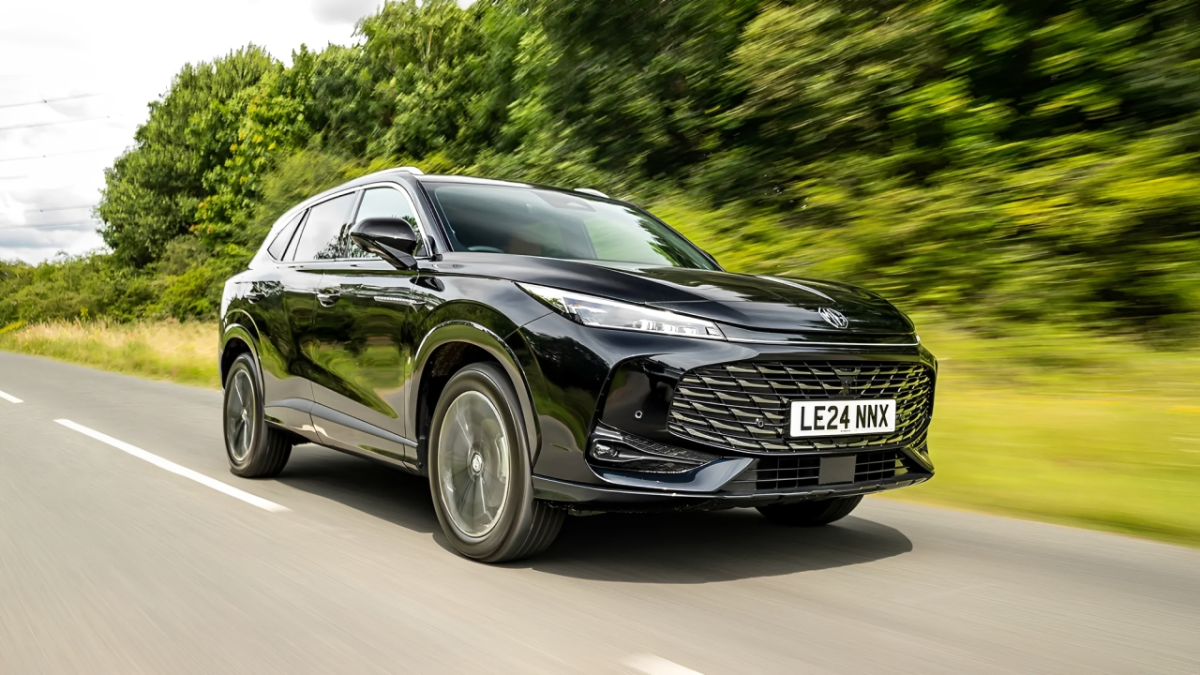
Hybrid SUVs sound like easy road-trip math until the highway stays fast for hours. The problem is not that the hybrid system stops working. It is that aerodynamics start charging rent. The U.S. Department of Energy says gas mileage usually drops quickly above 50 mph, and its Energy Saver Guide says roof racks can cut fuel economy by up to 25% at interstate speeds. For real 2026 weekend travel, that is the practical question: when a hybrid SUV gets boxier, taller, AWD-only, or accessorized for “adventure,” how much of the city-speed advantage survives once the cruise control sits at 75?
Quick takeaways
- Hybrids usually shine most in stop-and-go driving. AFDC says HEVs recover energy through regenerative braking and can reduce engine idling when stopped.
- High speed changes the equation. DOE says gas mileage usually drops rapidly above 50 mph, and roof racks can cut fuel economy by up to 25% at interstate speeds.
- The hybrid edge often narrows, not disappears. Car and Driver’s 75-mph tests show efficient hybrid SUVs still beat many gas versions, but usually miss their best combined numbers once highway speed stays high.
- Shape matters. Taller, boxier, more upright SUVs pay a bigger aerodynamic tax than lower, slipperier hybrids.
- The trip mistake is thinking “hybrid” alone guarantees easy highway numbers. At 75 mph, aero drag, tires, weight, and AWD can matter as much as the battery.
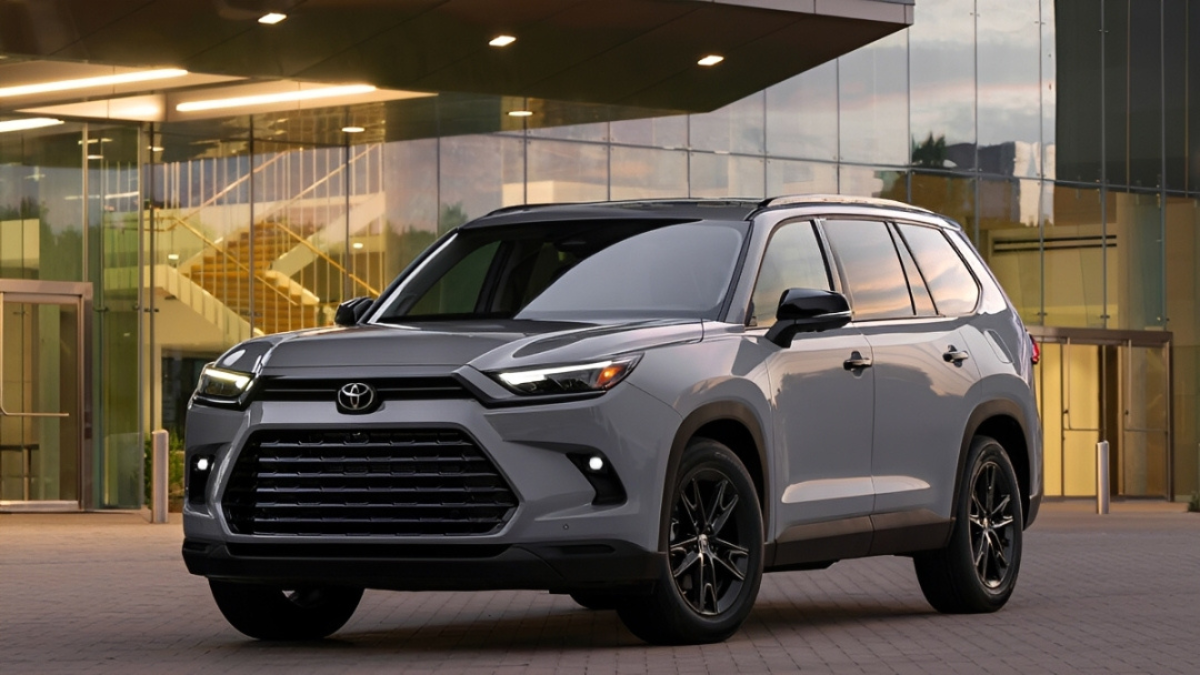
Why highway speed changes the hybrid story
A normal hybrid gets a lot of its best tricks in the same conditions people usually complain about:
- slow traffic,
- repeated braking,
- stoplights,
- low-speed rolling,
- and short stretches where the engine can back off.
AFDC’s hybrid explainer says an HEV charges its battery through regenerative braking and the engine, and that the electric system can reduce engine idling when stopped. That is a huge clue. Those are mostly city and mixed-driving wins, not 75-mph cruise wins.
At highway speed, the vehicle is doing something simpler and harder:
- pushing air for a long time,
- with fewer braking events,
- and less opportunity to harvest energy back.
That is why the “hybrid magic” usually feels strongest around town and less dramatic once the road settles into sustained speed.
The real enemy is aero drag, not the hybrid badge
DOE’s Driving More Efficiently page says gas mileage usually decreases rapidly above 50 mph. Its Energy Saver Guide puts a sharper point on it: placing items on roof racks can decrease fuel economy by up to 25% at interstate speeds.
That matters because boxier SUVs start from a less favorable aerodynamic place than lower, sleeker vehicles. Then buyers often add the exact features that make the problem worse:
- roof rails left in place,
- crossbars,
- upright styling,
- chunkier tires,
- adventure trims with more drag and more weight,
- AWD systems that add extra hardware.
This is the anti-brochure part. A hybrid SUV can be efficient and still feel disappointingly ordinary at 75 mph if the body is fighting the air hard enough.
What the real-world tests show
The cleanest way to explain this is not with theory alone. It is with 75-mph testing.
Toyota Corolla Cross Hybrid
Car and Driver says the 2026 Toyota Corolla Cross Hybrid is EPA-rated at 46 city / 39 highway / 42 combined mpg. In its 75-mph highway test, the magazine recorded 36 mpg.
That is still a strong result. But it is the exact point of this article: the headline combined number does not survive unchanged once the highway stays fast.
Honda CR-V Hybrid
Car and Driver says the 2026 Honda CR-V Hybrid is rated at 37 combined / 40 city / 34 highway mpg and returned 35 mpg on its 75-mph route.
This is a different pattern. The CR-V Hybrid holds up well on the highway relative to its EPA highway rating, which is one reason it feels like a strong road-trip hybrid. It also hints at something important: not every hybrid SUV loses its advantage the same way.
Kia Sportage Hybrid AWD
Car and Driver’s current Sportage Hybrid coverage says the AWD hybrid is rated around 35 combined and returned 31 mpg on the 75-mph route.
That is not “bad.” It is just more proof that a hybrid badge does not erase the cost of sustained highway speed, especially when the vehicle is a taller SUV with AWD and more upright proportions.
Toyota RAV4 Hybrid AWD
Car and Driver says the 2026 Toyota RAV4 Hybrid Limited AWD achieved 36 mpg on its 75-mph highway test, versus lower-40s combined in many EPA configurations.
Again, the lesson is not that the hybrid system failed. It is that the highway loop pulled the real-world number closer to the kind of result people actually feel on long trips.
Why the boxier SUV loses faster
This is where shape and use case matter.
1) Less regeneration, less benefit
At 75 mph, you are not braking much. AFDC’s hybrid basics page makes clear that regenerative braking is part of the efficiency story. Fewer braking events mean fewer chances to refill that battery with “free” energy.
2) More aerodynamic drag
DOE says mileage usually falls quickly above 50 mph. That effect gets worse when the vehicle is taller, squarer, and less slippery in the air.
3) More weight and more hardware
A lot of the SUVs people buy for weekend travel are not the lightest versions:
- AWD instead of FWD,
- larger wheels,
- rugged-looking packages,
- extra accessories.
Each sounds manageable on its own. Together, they eat into the hybrid payoff.
4) The wrong kind of expectation
People often compare a hybrid SUV’s combined mpg to a gas SUV’s highway reality. That is where disappointment starts. The more honest comparison is:
- hybrid SUV at 75 mph,
- versus what that same hybrid does around town,
- and versus a less boxy or less rugged hybrid.
What this means on a real weekend
On a real 250- to 400-mile weekend, this usually shows up in four ways:
- The first tank feels less miraculous than expected.
- The “up to 40-plus mpg” promise turns into mid-30s or low-30s depending on shape and trim.
- Roof gear hurts more than people think.
- The vehicle that looks tougher can be the one that gives away the most efficiency on pavement.
That does not mean the hybrid was a bad choice. It means the wrong hybrid setup can be.
A lower, lighter, road-biased hybrid often keeps more of its advantage at speed. A taller, more upright, adventure-themed hybrid can still beat its gas twin, but the gap narrows.
What drivers should check before the next trip
1) Look at the EPA highway number, not only the combined number.
That is your first clue about how the vehicle behaves once speed stays high.
2) Check the exact trim.
AWD, larger wheels, and rugged-looking packages often give away efficiency.
3) Remove rooftop drag when you can.
DOE says roof racks can cut fuel economy by up to 25% at interstate speeds.
4) Be honest about your real speed.
A hybrid that looks amazing in mixed driving may feel merely decent at a true 75-mph cruise.
5) Buy the shape that matches the trip.
If most weekends are paved highway miles, the boxy look can be an expensive aesthetic choice.
Bottom line
A boxy hybrid SUV does not lose its mpg advantage at 75 mph because the battery suddenly stops mattering. It loses part of that advantage because highway speed makes aero drag, sustained load, weight, and accessories matter more than city-style hybrid tricks. DOE’s guidance on speed and rooftop drag explains the physics. AFDC’s hybrid basics explain why stop-and-go conditions are where hybrids make easier gains. And Car and Driver’s 75-mph tests show the real result: efficient hybrid SUVs still save fuel on the highway, but the boxier and more rugged ones usually give back more of that advantage than buyers expect.