

The road-trip budget usually gets blamed on hotel rates or gas prices in general. The quieter hit is the SUV that quietly demands a pricier pump before the weekend even starts. AAA’s premium-fuel research says there is no benefit to paying extra for premium in vehicles designed for regular gas, or in vehicles that only recommend premium rather than require it. The problem in 2026 is simpler than that: more mainstream-looking SUVs still nudge buyers into premium-fuel habits through recommended-fuel language or performance tradeoffs, and once a 300-mile or 500-mile weekend gets added to daily driving, that habit stops feeling small.
Quick takeaways
- The trap is not premium fuel itself. It is buying an SUV that makes premium part of the routine without thinking about what that does to every weekend fill-up.
- AAA says premium offers no benefit in vehicles designed for regular gas, or in vehicles that only recommend premium rather than require it.
- Some 2026 SUVs still lean on premium in different ways: the Acura RDX lists premium unleaded 91 octane as recommended, the INFINITI QX60 uses premium for peak operating efficiency, and Genesis uses premium/unleaded language for the GV70.
- Mazda’s 2026 CX-50 turbo is a different kind of trap: it can run on regular, but Mazda says it makes 256 hp on premium and 227 hp on regular.
- The best road-trip question is not “does this SUV feel premium?” It is “will this thing quietly make every full tank more expensive for years?”
What the trap really is
This topic gets misunderstood because the word premium sounds like a performance choice. On a real road trip, it often behaves like a budget choice.
AAA’s fuel research is the cleanest foundation for the article. It says there is no benefit in using premium gasoline in vehicles designed to run on regular gas, or in vehicles that recommend but do not require premium. That should make the whole issue easy. It doesn’t, because SUV buyers face three very different situations:
- The vehicle recommends premium.
- The vehicle uses premium for peak efficiency or best performance.
- The vehicle runs on regular, but a turbo or performance version loses output on regular.
The road-trip trap sits in the gap between what the brochure implies and what the weekend budget feels like.
The 2026 SUVs that make the trap feel real
Acura RDX: premium as part of the ownership script
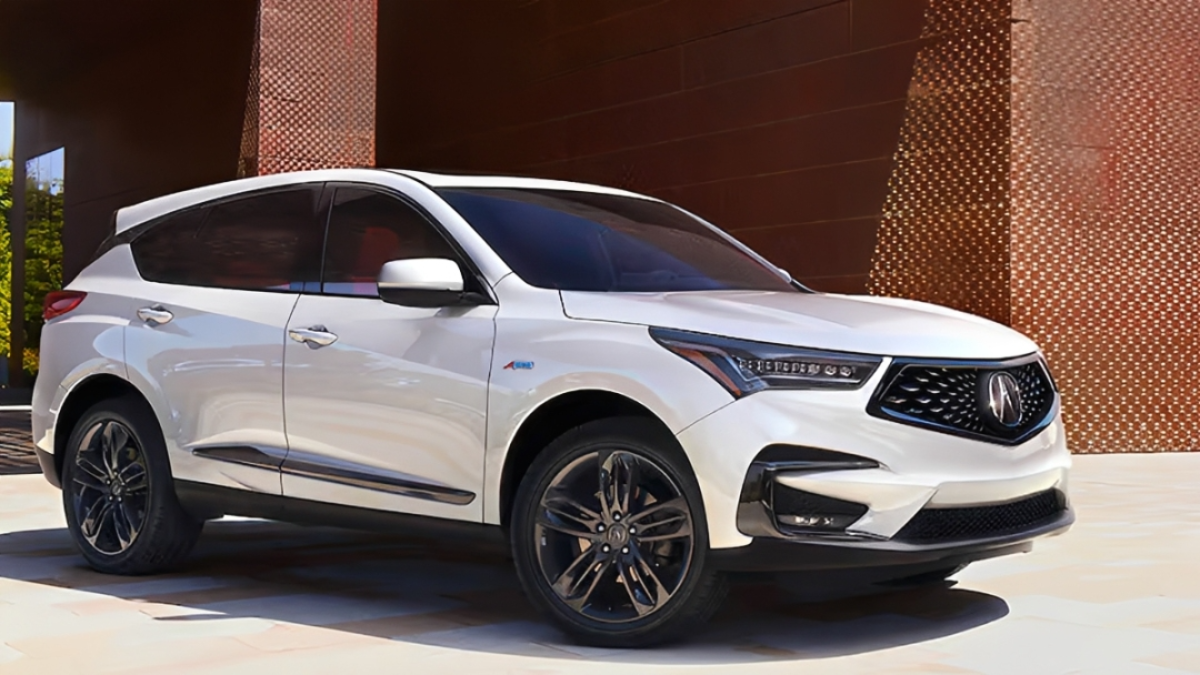
Acura’s 2026 RDX fact sheet lists premium unleaded 91 octane as the recommended fuel. This is exactly the kind of SUV that creates the trap because it does not look like an exotic purchase decision. It looks like a sensible premium crossover. But the fuel line item quietly belongs to a different tier.
For a buyer doing frequent weekend runs, that matters because the RDX is not a niche second car. It is the kind of SUV people use for everything:
- commuting,
- airport runs,
- and 300-mile weekends.
That is how the pump habit becomes permanent.
INFINITI QX60: the family-SUV version of the trap
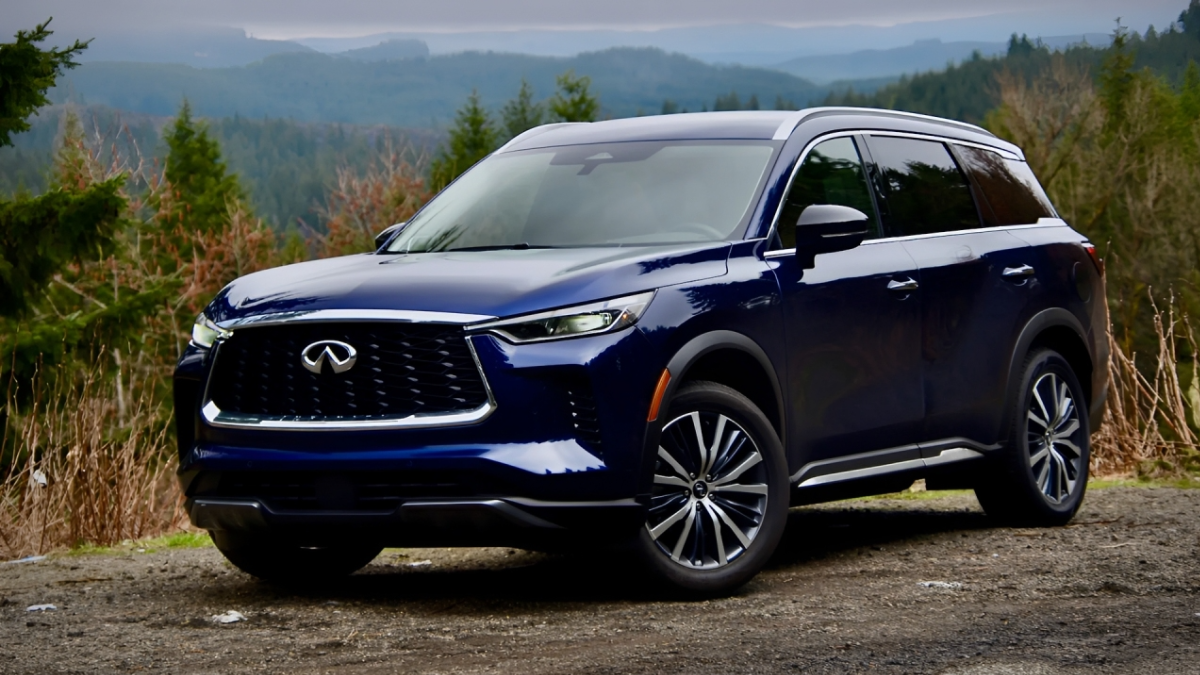
The 2026 INFINITI QX60 specs page lists premium unleaded in the specs, and INFINITI’s performance page says the QX60 uses premium unleaded gasoline for peak operating efficiency.
This is where the article gets useful. The QX60 is a family-road-trip shape. It is exactly the type of SUV people buy to make weekends easier. But the more road-trip miles it does, the more that premium-fuel habit keeps showing up.
Genesis GV70: the luxury compact case

Genesis’ GV70 specs for Canada list premium/unleaded as the recommended fuel. That puts it in the same broader category as the RDX: the premium compact SUV that feels reasonable until the recurring fuel choice becomes part of ownership.
The GV70 is a good example because it shows how this trap is not only about giant engines or obvious performance brands. It can show up in the crossover people cross-shop against more mainstream premium SUVs.
Mazda CX-50 Turbo: the “it runs on regular, but…” version
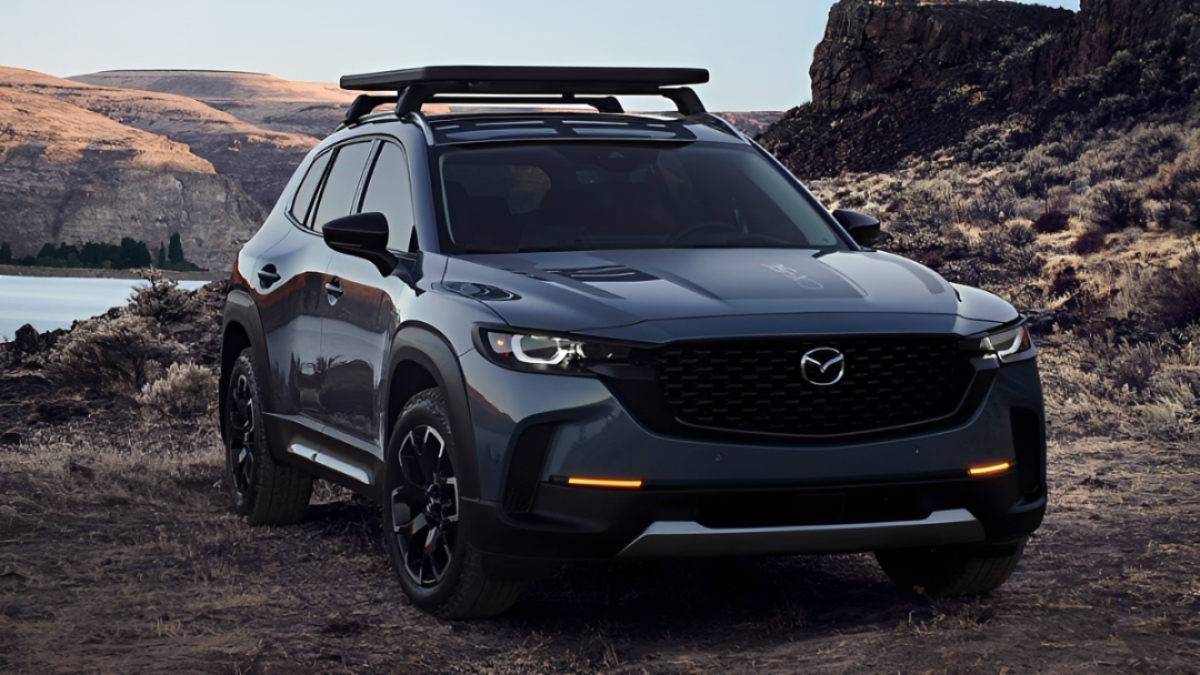
Mazda’s 2026 CX-50 turbo models are the more interesting version of the story. Mazda says the CX-50 2.5 Turbo produces 256 hp and 320 lb-ft on premium 93-octane fuel, or 227 hp and 310 lb-ft on regular 87-octane.
This is a different trap. The SUV does not force premium in the same hard way, but it creates a soft pressure:
- if the buyer paid for the turbo,
- and wants the full version of the engine,
- regular starts to feel like leaving something on the table.
That is how “recommended” can turn into “paid for anyway.”
Where the extra cost actually shows up
This is why the topic fits roadmapmag. The article is not really about octane chemistry. It is about repeated travel friction.
The extra cost usually hits in three places:
1) The Friday fill-up
This is the most obvious moment. A road-trip SUV with a premium habit makes the most routine stop feel more expensive before the trip has even started.
2) The false “it’s only a few dollars” math
For one tank, the difference may not feel dramatic. Over:
- weekday commuting,
- warm-season weekend travel,
- and a year or two of ownership,
the cost feels less like a one-time premium and more like a background subscription.
3) The mismatch between image and use
The most annoying version of this trap is when the SUV is not being used like a high-strung performance machine at all. It is doing family runs, cargo duty, and highway weekends, yet still insisting on a fuel habit that belongs to something more specialized.
That mismatch is what creates buyer regret.
What buyers get wrong first
Mistake 1: assuming “premium” means “better for any SUV”
AAA’s research says otherwise. If the manufacturer designed the engine for regular, premium does not magically improve the vehicle.
Mistake 2: not separating “recommended” from “peak efficiency” language
This is the most important distinction in the article. Recommended is not the same as required, and “for peak efficiency” is softer than “required for normal operation.”
Mistake 3: buying a turbo trim without thinking about road-trip fuel habits
Mazda’s CX-50 turbo is the clean example here. The engine can run on regular. But the advertised full output arrives on premium. That changes the ownership psychology.
Mistake 4: focusing only on purchase price
A lot of shoppers compare MSRP, monthly payment, or fuel economy rating without giving enough thought to the kind of fuel the SUV expects every week.
What this means in the U.S. and Canada
This topic travels well because the friction exists in both markets, even though pump labels and price spread can differ.
In the U.S., the issue usually shows up as a straight road-trip budget annoyance: one more thing making the weekend cost more than expected.
In Canada, it can hit a little differently because fuel prices and premium spreads vary by province, but the ownership logic is the same:
- if the SUV is a commuter plus weekend tool,
- fuel type matters more than it would on a niche toy or occasional-use vehicle.
That is why this is not a luxury-only topic. It is a trip-utility topic.
What drivers should check before buying
1) Read the fuel line, not just the horsepower line.
A lot of buyers do this backwards.
2) Separate recommended from peak-efficiency language.
Do not treat those as interchangeable with a hard requirement.
3) Check whether regular fuel changes output.
Mazda’s turbo examples show why that matters.
4) Think in weekend miles, not one tank.
The trap feels bigger once the SUV becomes the default trip vehicle.
5) Decide if the engine is worth the habit.
Sometimes it is. Sometimes it is just an extra bill dressed up as refinement.
Bottom line
The premium-gas road-trip trap is not about fuel snobbery. It is about buying a 2026 SUV that quietly turns every ordinary fill-up into a more expensive routine. AAA’s research is clear that premium brings no benefit where the engine does not need it. The problem is that several mainstream-feeling SUVs still recommend premium, use it for peak efficiency, or make their full output on it. That changes the math of every 300-mile weekend. And that is exactly the kind of cost people notice too late.