
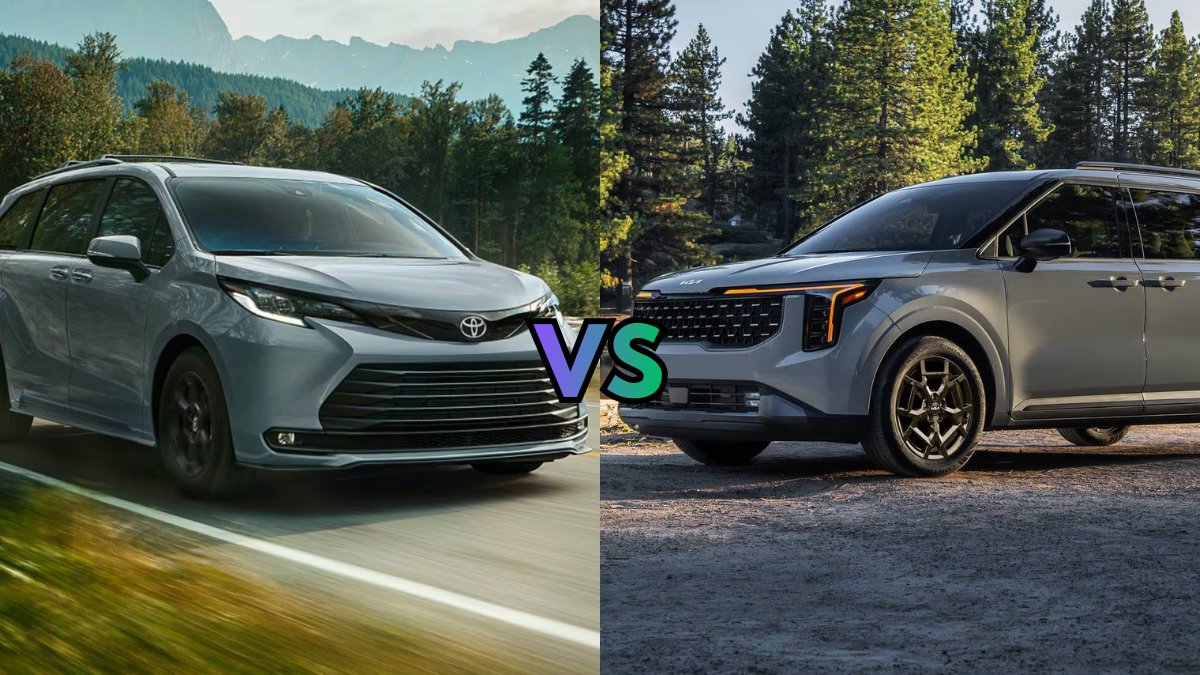
According to Toyota’s 2026 Sienna overview, Sienna pairs a hybrid system making 245 hp with an EPA-estimated up to 36 mpg combined and offers available AWD—a road‑trip recipe built around fewer fuel stops and winter confidence. Kia’s 2026 Carnival lineup takes a two-track approach: the standard Carnival uses a V6 (Kia’s specs list 287.1 hp), and Kia also offers a Carnival Hybrid rated at an EPA-estimated 32 mpg combined with 242 hp. As of March 16, 2026, the practical question for family road trips is not “which badge is cooler.” It is which minivan makes the weekend-and-holiday drive simpler: fuel-stop rhythm, third-row-up cargo, second-row flexibility, and whether AWD is part of the plan.
Quick takeaways
- If “road-trip machine” means fewer fuel stops: Toyota lists Sienna at up to 36 mpg combined with a 245-hp hybrid system.
- If “road-trip machine” means maximum third-row-up cargo: Car and Driver lists 40.2 cu ft behind the third row for the 2026 Carnival versus 33.5 cu ft for the Sienna.
- If AWD is non-negotiable: Toyota markets available AWD on Sienna; Edmunds notes AWD isn’t available on the 2026 Carnival.
- If you want a hybrid but also want more “minivan punch”: Kia’s Carnival Hybrid page lists 242 hp, 271 lb‑ft, and 32 mpg combined—a different efficiency profile than Sienna’s “up to 36” approach.
- Best decision method: choose the trip constraint first—AWD, third-row-up cargo, or fuel-stop rhythm—then run a 15‑minute loading and car-seat test.
What changed (and why it matters in 2026)
Two 2026 changes shape this comparison:
1) Carnival adds a hybrid lane. Kia’s 2026 Carnival Hybrid page positions a turbo-hybrid setup (242 hp, 271 lb‑ft, 32 mpg combined) for families who want better fuel economy without giving up torque.
2) Sienna stays “hybrid-only, road-trip-first.” Toyota continues to emphasize Sienna’s hybrid system with up to 36 mpg combined and available AWD.
In practice, that means the “Sienna vs Carnival” decision can be:
- hybrid vs hybrid (Sienna Hybrid vs Carnival Hybrid), or
- hybrid efficiency vs V6 power (Sienna Hybrid vs Carnival V6).
The road-trip reality: what actually creates stress
For 3–10 hour drives, stress usually comes from four repeatable friction points:
- fuel-stop rhythm (how often stops are forced),
- third-row-up cargo (whether bags stay out of the cabin),
- car-seat workflow (tight lots, buckling, sliding door access),
- bad-weather margin (rain/snow/steep driveways near the destination).
This section breaks down those points with auditable anchors.
Fuel-stop rhythm: who makes the weekend feel shorter
Toyota lists Sienna’s EPA-estimated combined rating up to 36 mpg. Kia lists the Carnival Hybrid at 32 mpg combined. On long highway days, fewer stops can matter more than a small dollar difference—especially with kids and tight arrival windows.
Two important nuances:
- A hybrid’s real-world results still depend on speed, weather, and load.
- The “best” fuel rhythm can be decided by driving pattern: steady highway vs mixed errands at the destination.
If the family routine is “leave early, drive long, stop as little as possible,” Sienna’s efficiency positioning is the clearer road-trip story.
Third-row-up cargo: the hidden make-or-break for families
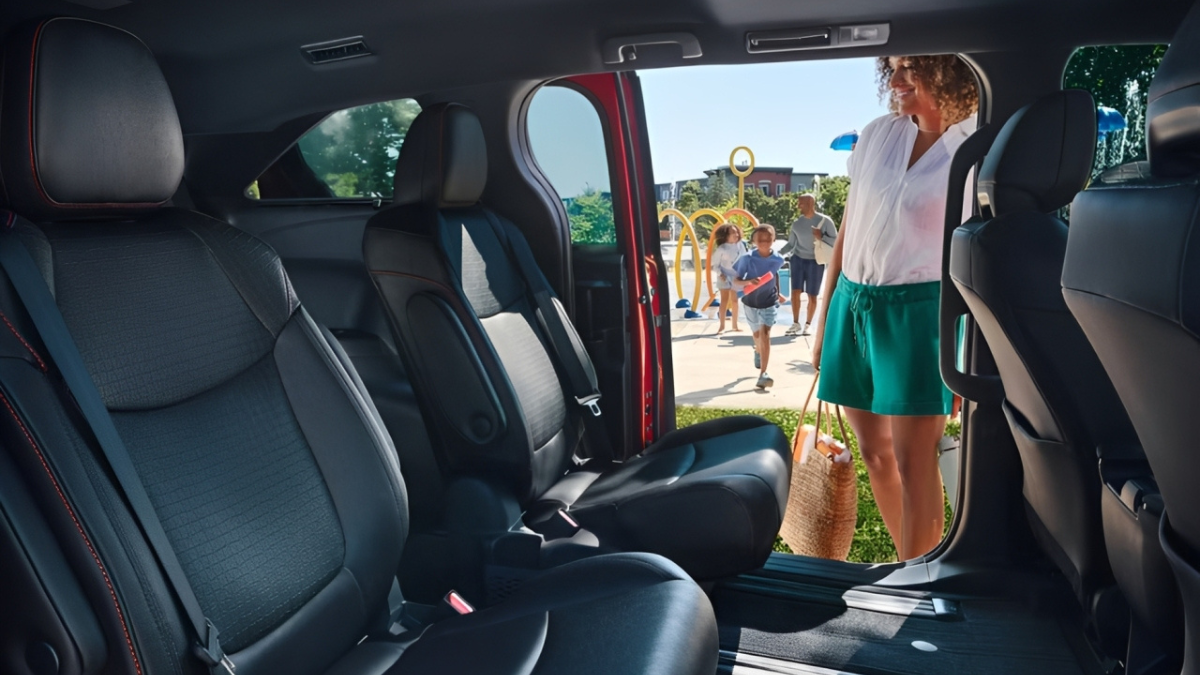
A road trip becomes harder when bags migrate into seats and footwells.
Car and Driver’s specs list:
- 2026 Kia Carnival: 40.2 cu ft behind the third row; 86.9 cu ft behind the second row; 145.1 cu ft behind the first row.
- 2026 Toyota Sienna: 33.5 cu ft behind the third row; 75.2 cu ft behind the second row; 101 cu ft behind the first row.
This is where Carnival can feel like the “bigger box,” especially for:
- stroller + cooler + two duffels,
- sports gear that can’t compress,
- and families that keep the third row up most of the time.
AWD and winter confidence: the corridor question
If the weekend involves ski towns, steep cabin driveways, or shoulder-season storms, drivetrain matters.
- Toyota’s Sienna page highlights available AWD.
- Edmunds and Car and Driver note the 2026 Carnival is front-wheel drive only.
That doesn’t mean Carnival can’t do winter trips; tires and route decisions still matter. But for families who regularly travel into snow and want the simplest “no drama” setup, AWD availability is a strong tie-breaker.
The second-row decision: captain’s chairs vs bench “math”
Both vans are built for families, but the trip can hinge on second-row logic:
- Is the second row a “kid zone” with car seats installed most of the time?
- Do adults need to reach the third row easily?
- Does the weekend include grandparents (entry/exit comfort and aisle access)?
Kia’s 2026 Carnival materials highlight seating flexibility (including available Slide‑Flex configurations on some trims), while Sienna is often chosen for its family-friendly hybrid efficiency and available AWD story.
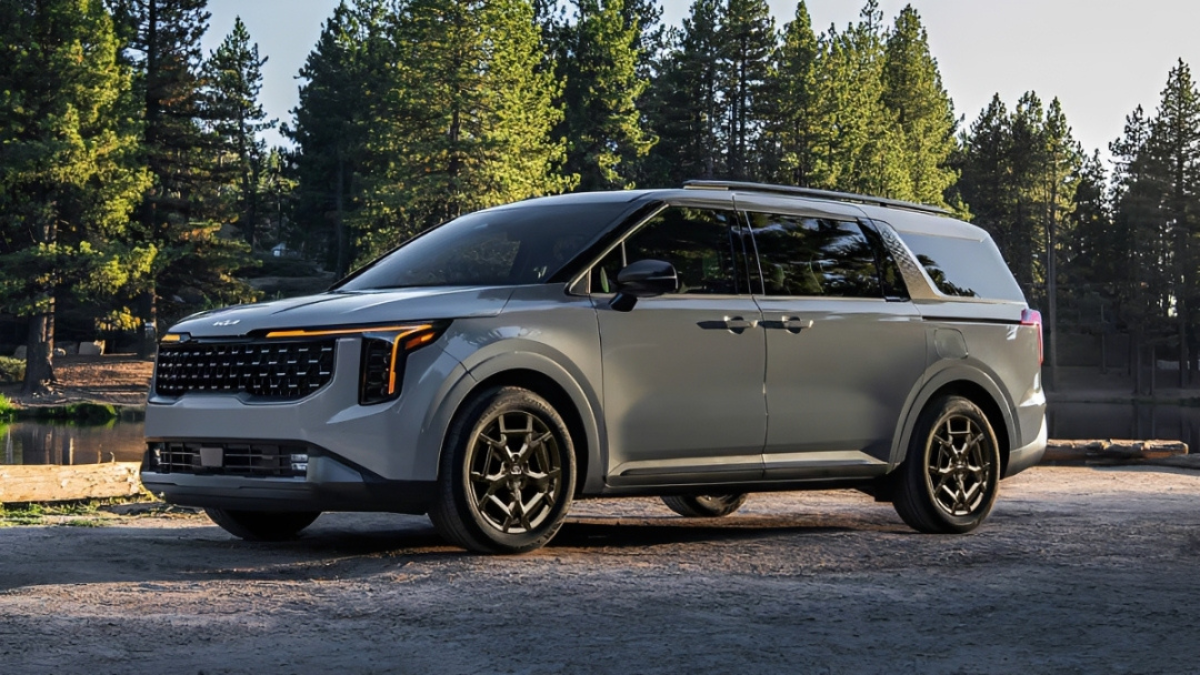
The practical weekend approach:
- If third-row access must stay easy with car seats installed, prioritize the layout that minimizes moving seats at every stop.
- If you regularly carry eight and need a true bench setup, confirm which trims and configurations are available locally before deciding.
Ride comfort and “highway calm”
Long drives reward:
- stable straight-line tracking,
- lower road noise,
- predictable driver-assist behavior,
- and seating that doesn’t create fatigue.
Car and Driver’s reviews describe both vans as tuned for comfortable cruising, with Sienna’s hybrid-only setup prioritizing efficiency and Carnival emphasizing a composed ride and strong feature set.
Because comfort is subjective, it’s worth treating this as a test-drive decision:
- drive 10 minutes at highway speed,
- turn the audio off,
- keep the fan low,
- and listen for tire/wind noise and seat comfort.
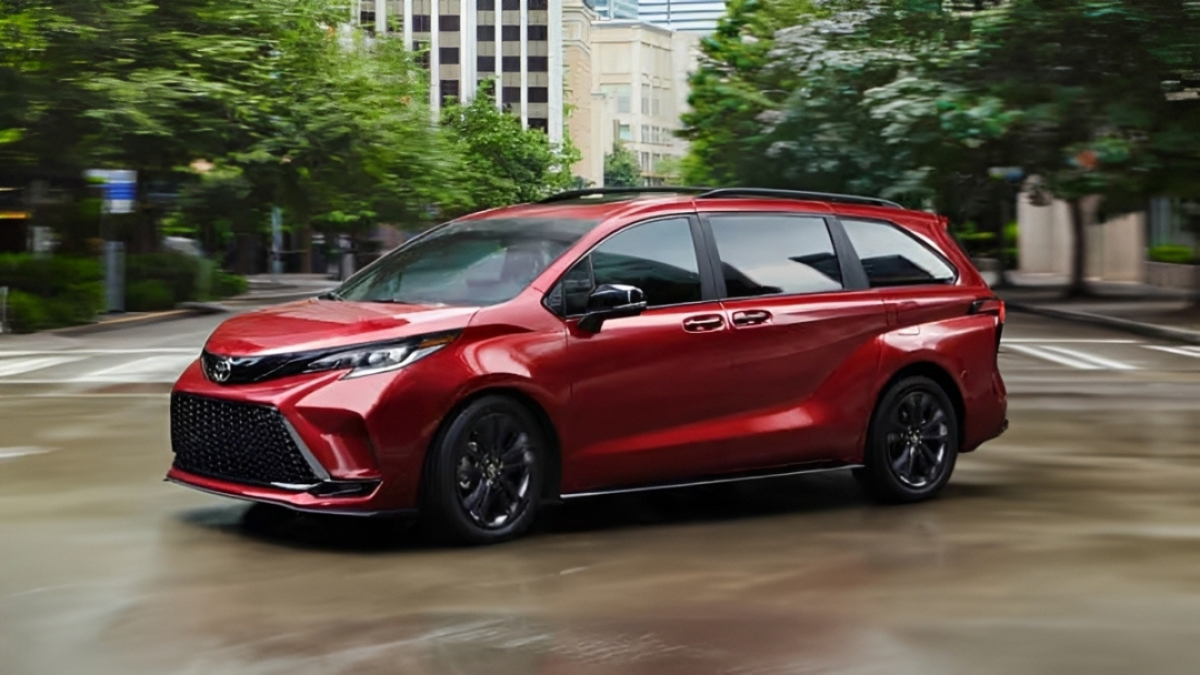
What this means in the U.S.
For U.S. road trips, the most common patterns are:
- long interstate legs at 70–80 mph,
- crowded rest stops and tight parking lots,
- mixed-weather travel windows.
In that environment:
- Sienna tends to make more sense when fuel-stop rhythm and AWD confidence are central.
- Carnival tends to make more sense when third-row-up cargo and cabin flexibility are central—especially if AWD isn’t required.
What you can do: the 15-minute “road-trip machine” test
Before choosing, run a quick, repeatable test in both:
1) Car-seat buckle test (4 min): install or simulate your real setup; open the sliding door in a tight space.
2) Third-row-up cargo test (6 min): load stroller + cooler + two duffels with all seats in use.
3) Highway calm test (5 min): short highway segment; note noise and seat comfort.
If one van reduces “cabin spillover” and keeps stops simpler, it is the better road-trip machine for your family—regardless of badges.
Bottom line
The 2026 Toyota Sienna is the cleaner pick for families who want a road-trip minivan built around hybrid efficiency (up to 36 mpg combined) and available AWD. The 2026 Kia Carnival is the cleaner pick for families who prioritize more third-row-up cargo (40.2 cu ft) and want a choice between a V6 and a Carnival Hybrid (32 mpg combined).
Most families will find the right answer by choosing the weekend constraint first:
- AWD and fewer fuel stops → Sienna
- third-row-up cargo and seating flexibility → Carnival