

According to AAA’s Fuel Gauge Report, the U.S. national average for regular gasoline rose sharply in early March—AAA reported a jump to $3.25 on March 5, 2026, and later listed a national average of $3.912 on March 20, 2026 as spring travel demand increased. EIA’s weekly U.S. regular gasoline series shows the same direction: $3.015/gal (week ending March 2, 2026) to $3.720/gal (week ending March 16, 2026). For weekend trips, the most important change is not just “it costs more.” It’s that price swings can reshape the smartest choices: when to fill up, where to buy, how fast to cruise, and which trips stay worth it at the margin.
Quick takeaways
- Spring swings matter more than the average. EIA shows U.S. regular gas rising from $3.015 (03/02/26) to $3.720 (03/16/26), which can change a weekend’s fuel math.
- Your “fill-up plan” becomes a trip tool. The cheapest gallon is often the one bought before a resort corridor or a long rural stretch, not on it.
- Speed becomes a bigger lever. At highway pace, small changes in speed can change fuel burn enough to offset some of the spring increase.
- Short trips feel the hit more. A $0.50–$0.70 jump feels bigger on a 150–250 mile getaway because fuel is a larger share of the visible weekend spend.
- Best move: treat fuel as a route decision (where) and a cruise decision (how fast), not a surprise at the pump.
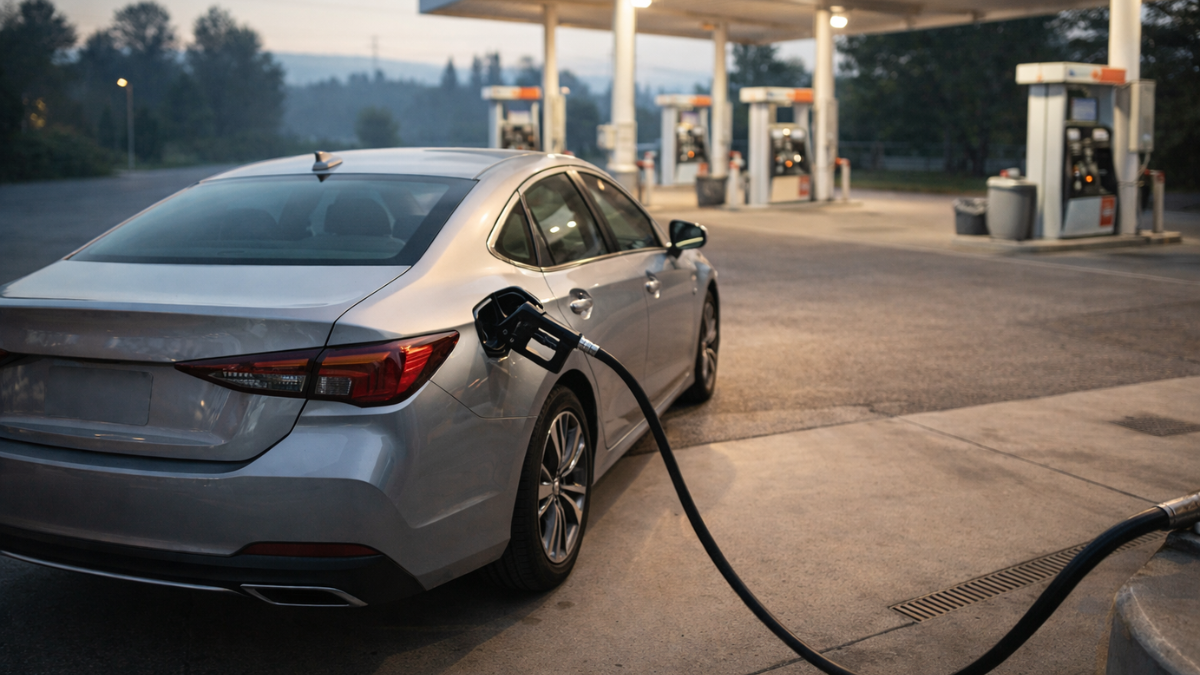
What changed: the spring ramp is showing up on receipts
Two credible trackers are pointing in the same direction:
- AAA’s weekly updates describe prices climbing into spring. In its March 19 report, AAA said prices continued to climb as the spring equinox approached, and it listed a national average around $3.9.
- EIA’s weekly retail series shows a steep early‑March rise, from $3.015 (week ending 03/02/26) to $3.720 (week ending 03/16/26).
The implication for weekend travel is practical: when prices move this quickly, “I’ll decide at the last minute” becomes more expensive.
What changes for weekend trips (the 5 decisions that matter most)
1) Fuel becomes a route choice, not just a checkout moment
When prices rise, the difference between corridor pricing and “home-base” pricing can feel larger.
Practical rule:
- Fill up before entering resort towns, national-park gateways, or long rural stretches where competition is lower.
This doesn’t require hunting the cheapest station—just avoiding the most predictable premium zones.
2) The cruise-speed penalty gets louder
On long highway legs, speed is one of the few levers that can change your weekend cost immediately. Spring increases don’t mean “drive slow forever.” They mean:
- decide the cruise speed intentionally,
- and avoid the habit of creeping from 72 to 80 mph because traffic is moving.
Even a small change can matter over a 250–500 mile loop.
3) “One extra stop” starts costing more than it used to
Weekend plans often add miles late:
- an extra scenic loop,
- a detour for dinner,
- a second grocery run.
When prices rise quickly, it’s useful to treat detours as a choice with a visible cost. The goal is not to kill spontaneity; it’s to avoid the detours that don’t actually add value to the weekend.
4) The vehicle choice starts to matter more in the margins
If you have two vehicles available, the price ramp can change which one makes more sense:
- the one that cruises efficiently at highway speed,
- the one that doesn’t need rooftop cargo (drag),
- the one that keeps packing seats-up so you aren’t tempted to “bring everything.”
This is why spring fuel spikes can quietly increase the value of hybrids, smaller tires/wheels, and simpler packing.
5) “Fuel + fees” becomes the real weekend budget
When fuel rises, it exposes the other hidden trip costs:
- tolls,
- parking,
- resort fees/destination fees (where applicable),
- and convenience charges.
Fuel is visible, so it’s the first thing people notice. But the fix often comes from bundling the budget and making one or two smarter choices before leaving.
What this means in the U.S. (how to plan without overthinking)
In the U.S., spring travel patterns are predictable:
- more weekend driving,
- more traffic at popular destinations,
- and more price spread by region and corridor.
That’s why the most effective plan is a “good enough” approach:
- pick the fill-up moment,
- pick the cruise plan,
- and keep a small detour buffer.
If the plan is clear, the pump price feels less like the trip is punishing you.
What you can do: the 7‑minute spring fuel routine
1) Check one trusted benchmark before leaving (AAA national average or EIA weekly trend).
2) Fill up before the premium corridor.
3) Set a cruise target and stick to it.
4) Avoid rooftop cargo unless it’s necessary; it adds drag and often raises fuel use (CR testing).
5) Bring the right packing shape (modular bags instead of one huge rigid item) so the cabin stays clean and the trip stays simple.
6) Pick a “last stop” station near home for the return leg if the destination is expensive.
7) Keep a small buffer in the budget so the weekend doesn’t feel tight.
Bottom line
When gas prices climb into spring, weekend trips don’t need to stop—but the smart ones get more intentional. The best change is not obsessing over every cent. It’s choosing the two levers that matter: where you buy fuel and how you drive the highway miles. With prices moving quickly in March 2026, a simple pre-trip routine can keep the weekend cost predictable—without turning the trip into a spreadsheet.