
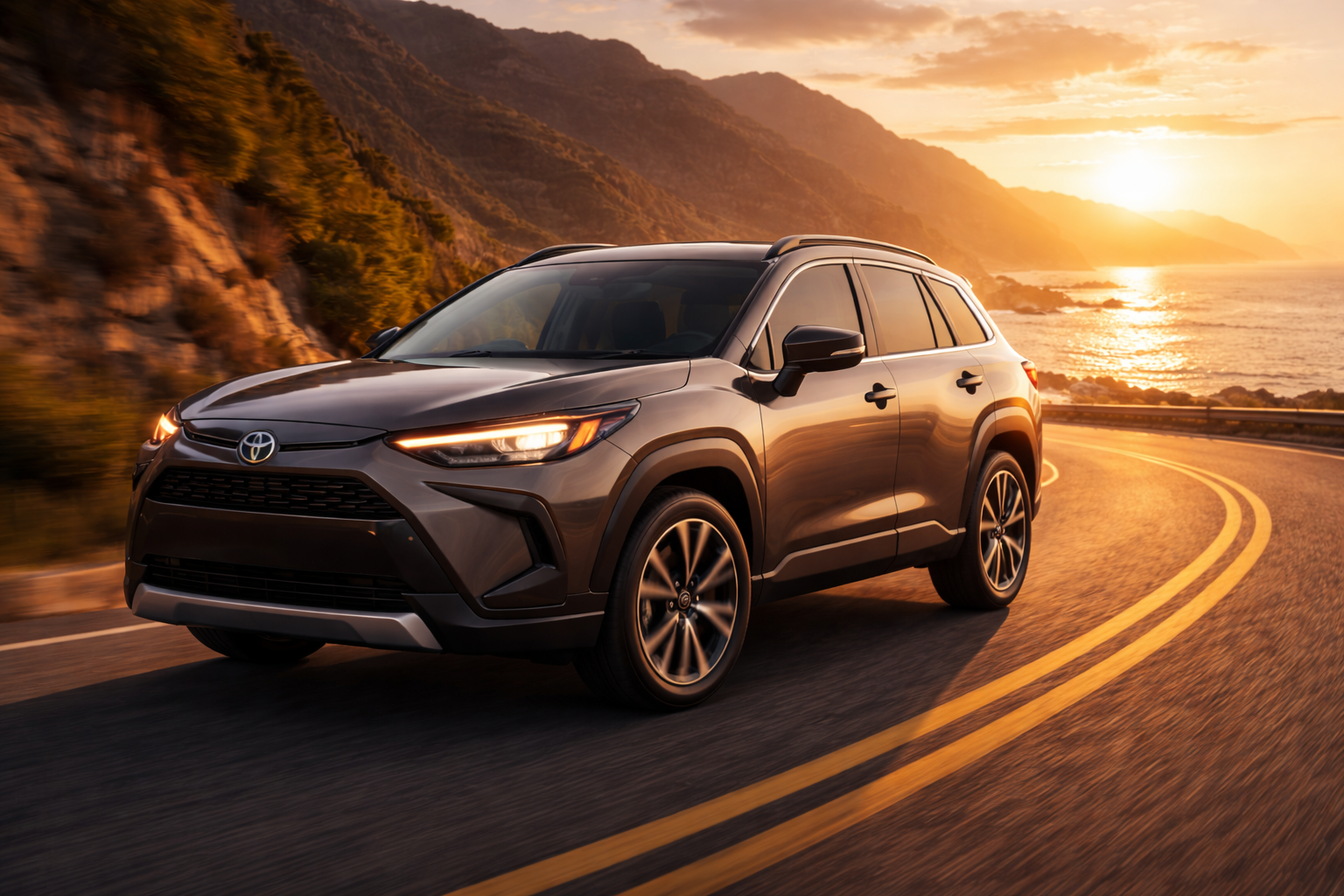
Toyota’s redesigned 2026 RAV4 matters because it moves one of America’s most common family crossovers deeper into the hybrid era. The bigger story is not just the new look. It is the way Toyota is turning efficiency into the default choice for buyers who still want easy road-trip range and everyday utility. For shoppers waiting on the next RAV4, the real question is simple: does the redesign fix the old model without making daily life harder?
What changed
The RAV4 has long been the safe pick in the compact-SUV crowd. It was practical, easy to live with, and hard to hate. The 2026 redesign matters because Toyota is leaning harder into the thing that already made the RAV4 strong: a powertrain mix built around better fuel use rather than big-engine drama.
That shift is bigger than it sounds. Many buyers are not hunting for a thrilling crossover. They want lower fuel bills, fewer charging headaches, enough space for weekend bags, and a cabin that does not feel old the second a new model lands. A hybrid-first direction speaks to that crowd better than a flashy one-off trim ever could.
Why the hybrid move matters
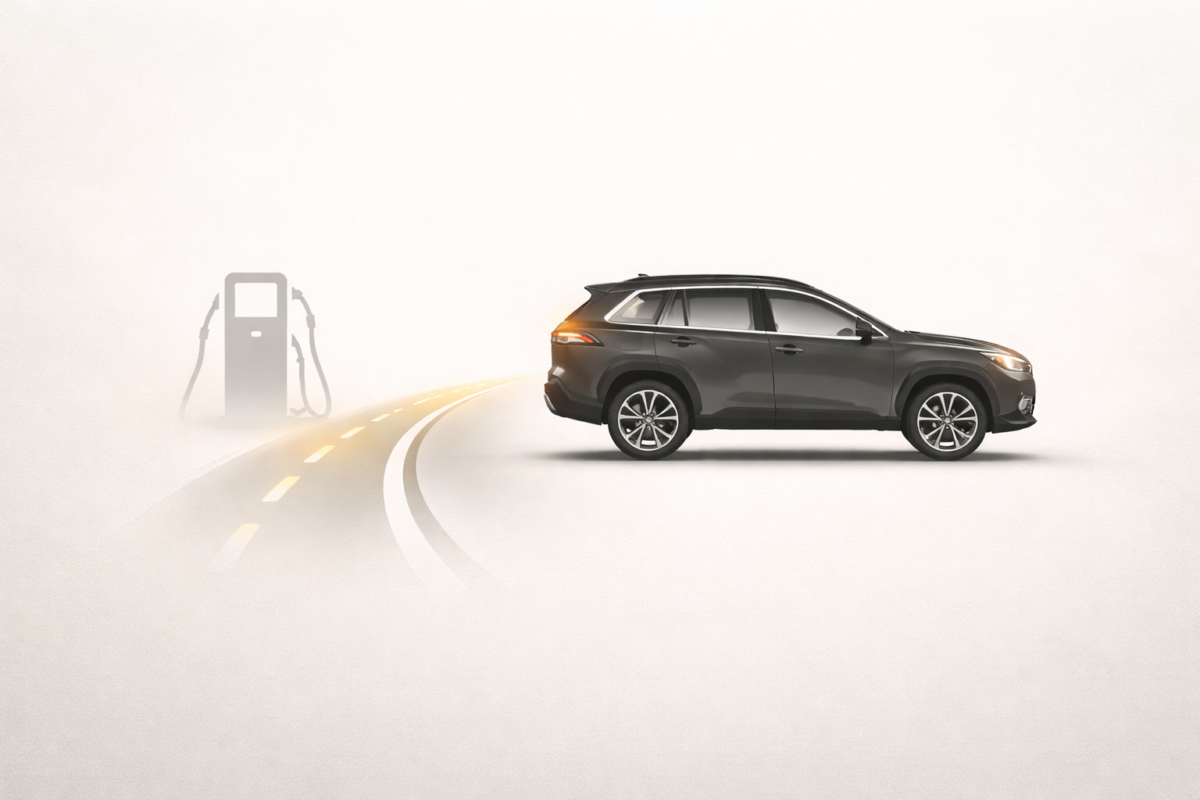
For road-trip buyers, the RAV4’s appeal has always lived in the middle ground. It is smaller than a three-row SUV, but still large enough for airport runs, Costco duty, and a long weekend with two adults and a pile of gear. A stronger hybrid push makes that formula even more attractive if gas prices stay jumpy.
There is also a timing advantage here. Buyers who were curious about EVs but not ready to plan every stop may see the new RAV4 as the easier answer. A mainstream hybrid can lower fuel use without changing daily habits, and a plug-in option gives some households a taste of electric driving without the full leap.
At a glance
- The redesign matters more for the powertrain strategy than the sheet metal.
- A hybrid-first lineup fits road-trip and commuter use better than a pure style play.
- The RAV4 still wins when buyers want space, range, and low daily hassle in one package.
The buyer payoff
The strongest version of the RAV4 story is not speed. It is friction. Less friction at the gas pump. Less friction for families who want one car that can handle school runs on Tuesday and a four-hour drive on Saturday. Less friction for buyers who want updated tech without moving into a larger and more expensive SUV class.
That is why the redesign is worth waiting for. Toyota is not trying to turn the RAV4 into something weird. It is trying to make a familiar formula feel newer, cleaner, and more efficient without losing the habits that made the nameplate so dominant in the first place.
The one catch
The catch is price pressure. Better cabins, more standard tech, and electrified powertrains can push a mainstream model upward fast. If the new RAV4 lands too far above the old one, some value-minded shoppers may start cross-shopping smaller hybrids or lightly used rivals instead of paying up for the badge and the redesign.
The other risk is availability. Hot Toyota launches do not always stay easy to find, especially when buyers pile into a popular trim mix early. For some shoppers, the smart move may be to watch the first months of pricing and dealer supply before rushing into the first wave.
What to watch next
The next details that matter are trim-by-trim pricing, real-world fuel economy, and whether the plug-in versions feel worth the step up. Those numbers will decide whether the 2026 RAV4 is just a fresh face or the compact SUV that resets the class again.
If buyers only remember one thing, it should be this: the real RAV4 redesign story is not flash. It is how easily the hybrid formula fits normal life.