
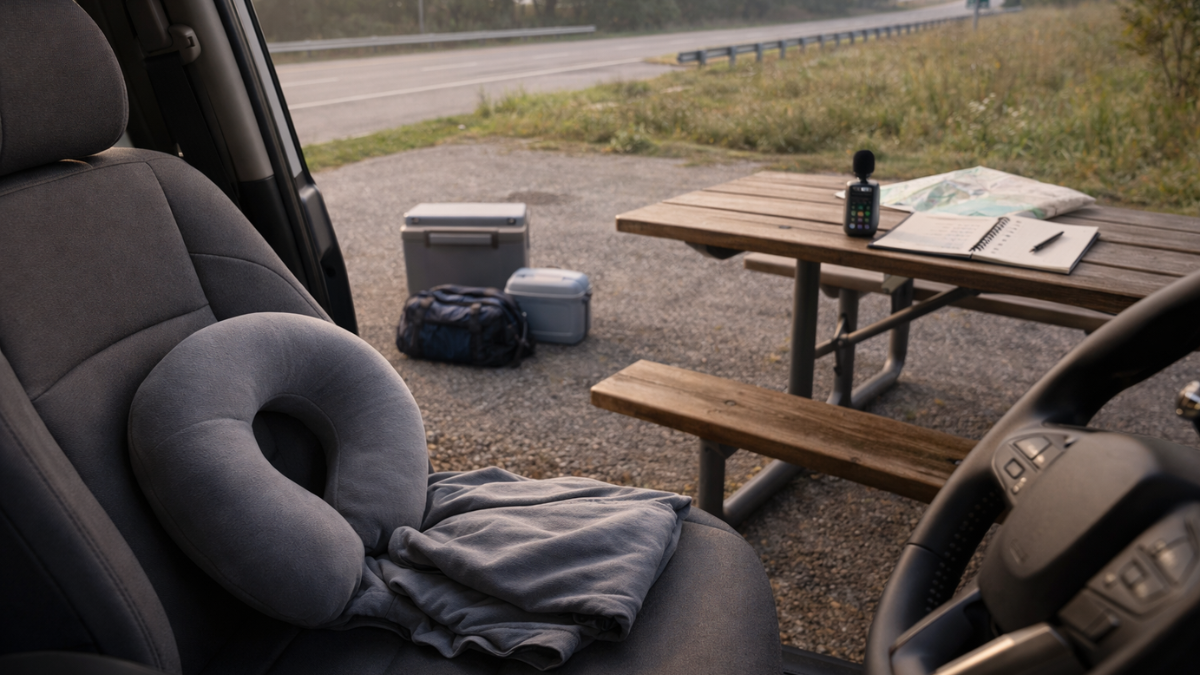
According to a 2015 study on low‑frequency road noise and driver sleepiness/performance (published in PLOS ONE and hosted on the NIH’s PubMed Central), interior road noise can contribute to driver fatigue and reduced task performance. Car and Driver also notes it has long measured interior noise at 70 mph (and is now adding “sones” to better reflect perceived loudness), underscoring that cabin sound is a real, measurable comfort variable—not just a vibe. But weekend trips also fail for a different reason: clutter. Consumer Reports’ packing guidance warns that loose items can become dangerous projectiles in a sudden stop, and that luggage shouldn’t block the driver’s view. After three hours, the question is rarely “quiet or cargo?” It’s which one prevents the specific kind of fatigue your weekend produces: sensory fatigue from noise or cognitive fatigue from clutter and stop-cycle chaos.
Quick takeaways
- Quiet matters more if the trip is mostly highway cruising and the driver feels “worn out” from constant wind/tire noise. Research suggests low‑frequency road noise can increase fatigue and affect performance.
- Cargo space matters more if the trip is stop‑heavy (groceries, trailheads, kids) and the cabin becomes cluttered. Consumer Reports warns loose items can become dangerous projectiles and that loads shouldn’t block the driver’s view.
- Most fatigue is a stack: noise + micro-corrections + clutter + repeated loading. The “winner” is the factor that removes the biggest repeating friction for your weekend.
- A small cargo win can beat a noise win if it prevents bags in footwells, blocked sightlines, or constant unpack/repack.
- Best rule: after 3 hours, choose the vehicle that keeps the trip boring: low noise at 70 mph and a seats-up load that doesn’t spill into the cabin.
What changes after hour two: fatigue shifts from “comfort” to “workload”
The first hour is usually novelty. Hour two is settling in. Hour three is where fatigue shows up—often as workload, not pain.
Two kinds of workload dominate weekend trips:
Sensory workload (sound fatigue)
Wind noise, tire roar, and low-frequency drone are hard to ignore. A study on low‑frequency road noise in a simulator context suggests it can increase driver sleepiness and affect performance. Car and Driver’s decision to refine its sound measurement approach (adding “sones” alongside dBA and standardizing its 70‑mph measurement method) reflects a simple truth: drivers feel differences in cabin sound.
If the trip is one long highway leg, quiet becomes a primary fatigue reducer.
Cognitive workload (clutter + stop-cycle chaos)
The other fatigue is “trip management” fatigue:
- bags in footwells,
- items sliding around,
- blocked rear visibility,
- repeated unloading to reach one thing.
Consumer Reports’ road-trip prep guidance stresses packing and securing items, including using tie-down anchors for heavy items and not blocking the driver’s view. That’s both safety and stress management.
If the trip includes multiple stops, better cargo workflow can matter more than a few decibels.
The quiet-cabin case: when noise is the stress ceiling
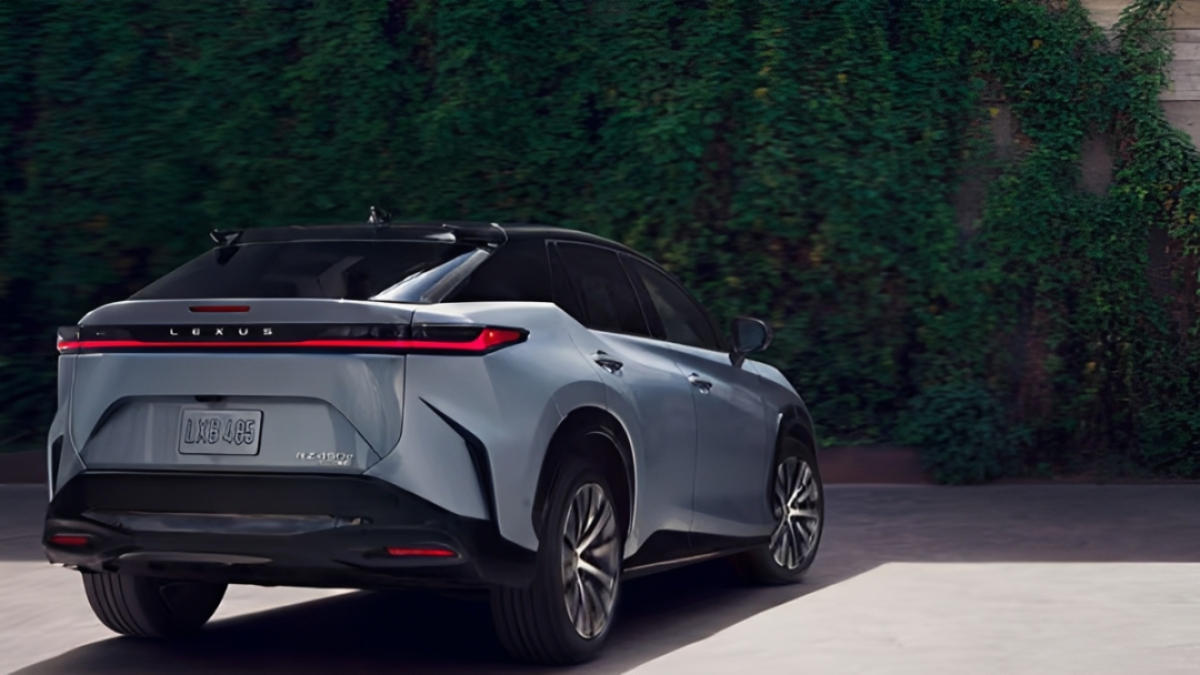
Quiet wins when:
- the route is mostly 70–80 mph cruising,
- the road surface is coarse (tire roar),
- crosswinds are common (wind noise),
- and the driver arrives “fried” even if the seats were fine.
A practical noise check that beats spec-sheet debates
Most buyers can’t measure dBA at home. But you can do a consistent test:
- audio off,
- fan low,
- 5 minutes at highway speed,
- and note the difference between wind hiss and tire roar.
Car and Driver’s method of measuring at highway speed exists for a reason: that’s where many cabins reveal their true character.
The cargo case: when space is the stress ceiling
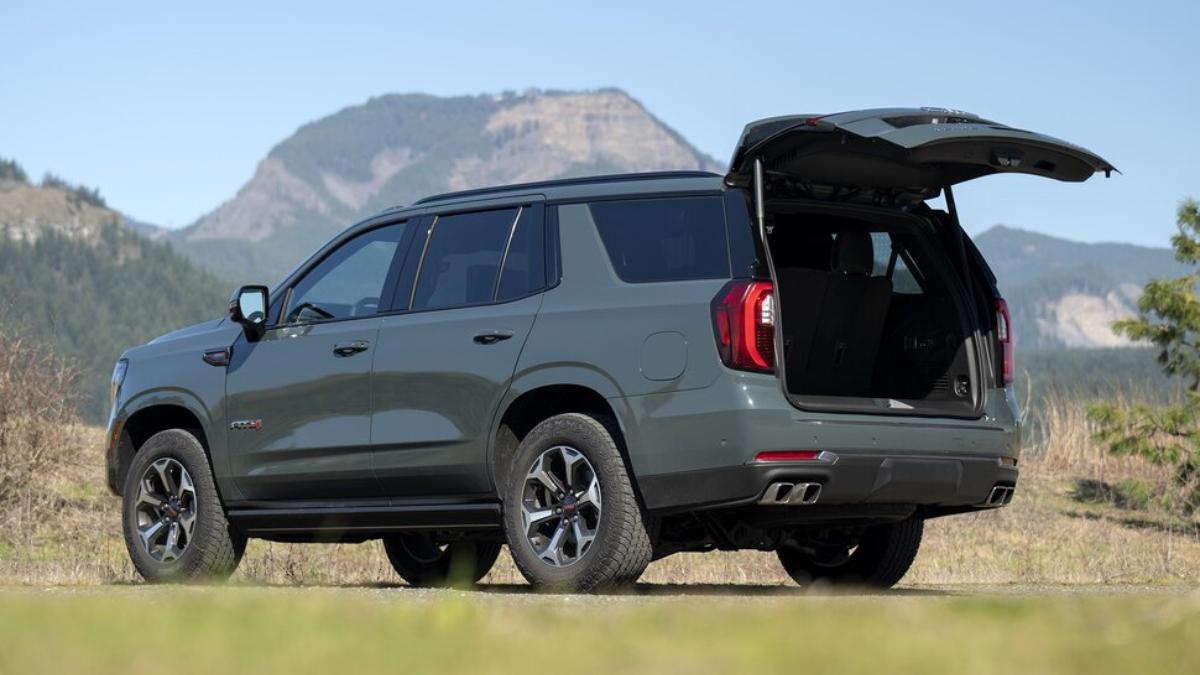
Cargo wins when:
- the trip is errand-heavy,
- you keep seats up (kids, dog barrier, grandparents),
- and “just one big item” (cooler, stroller) dictates everything.

In those trips, the stress ceiling is reached when:
- bags spill into the cabin,
- rear visibility is blocked,
- or you avoid stops because unloading is annoying.
The key is not “maximum cargo with seats folded.” It’s seats-up cargo and cargo geometry:
- Can a cooler sit flat without forcing stacking?
- Can you reach one bag without unloading everything?
- Are there tie-downs and a stable floor?
Consumer Reports emphasizes securing loads and keeping sightlines clear. Better cargo space often makes that easier—and therefore lowers stress.
The safety crossover: why clutter can feel like “fatigue”
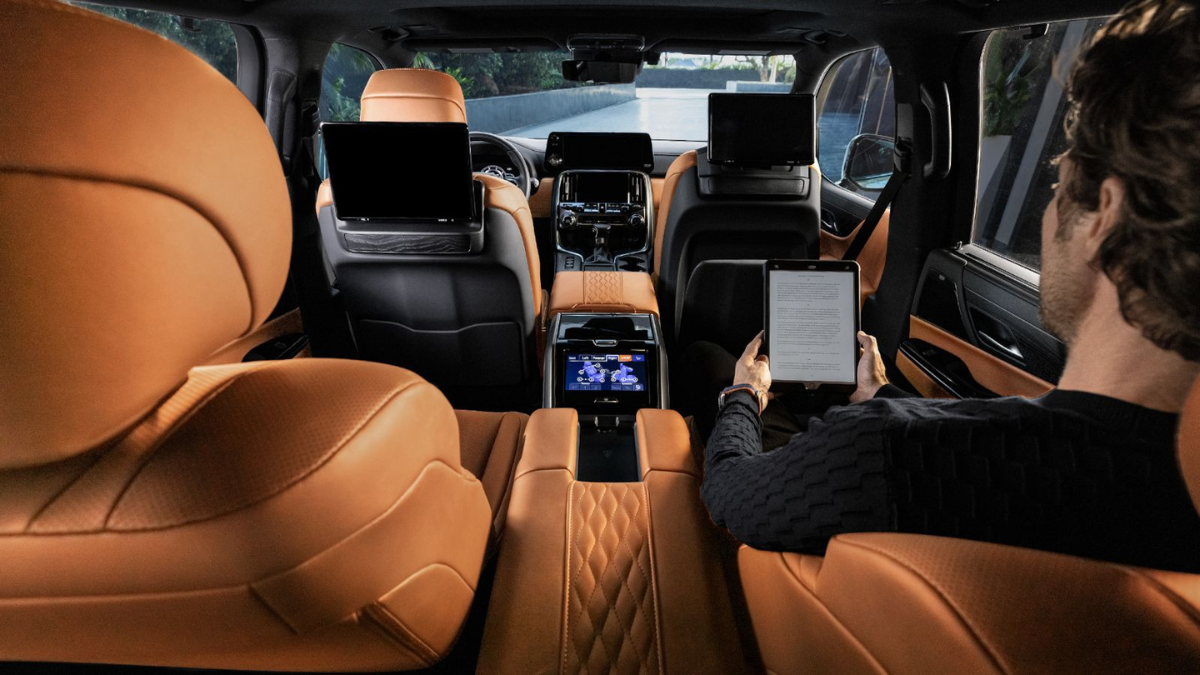
Clutter is stressful because it’s constant low-grade problem-solving. It’s also a safety issue.
Consumer Reports warns that loose items can become dangerous in a sudden stop and highlights securing cargo. A vehicle that allows you to pack in stable units—bins, duffels, and a right-sized cooler—reduces both the “mental churn” and the risk of items moving around.
If bigger cargo keeps the cabin clean and sightlines open, it can outperform a slightly quieter cabin that forces clutter.
What changed in 2026: why this debate is more relevant now
Two trends make this question sharper in 2026:
1) More measurement focus on interior noise. Car and Driver’s recent update on sound measurement (adding “sones” for perceived loudness) reflects how central cabin noise has become in comfort comparisons.
2) Weekends are more gear-heavy. Short trips often include more comfort items (coolers, strollers, layers). That increases the odds that cargo workflow becomes the limiting factor.
The result: a “quiet cabin” is not automatically a better road-trip tool if it creates a messy, blocked cabin.
What this means in the U.S.
In the U.S., a typical three-hour weekend leg often includes:
- 70–80 mph interstate cruising,
- rough pavement sections,
- at least one stop-cycle cluster near the destination.
That blend is why the best weekend vehicle is rarely an extreme in one direction. The best setup is:
- quiet enough that the driver doesn’t turn the stereo up to cope, and
- organized enough that the cabin stays clear and secure.
What you can do: the 12-minute decision test
Use this to decide what matters more for your own trips.
Part A: Quiet-cabin test (6 minutes)
1) Drive 3 minutes at 65–75 mph, audio off, fan low.
2) Note: wind noise or tire roar?
3) Do one pass (50–70 mph) and listen for engine strain or droning.
Part B: Seats-up cargo test (6 minutes)
1) Keep seats the way you travel (no “cheat” folding).
2) Load: one medium cooler + two duffels + jackets/layers.
3) Check: rear visibility, access to one bag, and whether anything must go into footwells.
If the quiet test fails, quiet matters more.
If the cargo test fails, cargo matters more.
Bottom line
After three hours, quiet cabin matters more when your fatigue is sensory—wind and tire noise that never lets the brain relax. Bigger cargo area matters more when your fatigue is cognitive—clutter, blocked sightlines, and constant stop-cycle reorganizing. The best weekend vehicle is the one that keeps both under control: a cabin that stays calm at speed and a cargo area that keeps the cabin clear, secure, and easy to access.
SOURCES
- The Effect of Low-Frequency Road Noise on Driver Sleepiness and Performance
- Fortunate Sones: We’re Changing the Way We Measure Interior Noise in Cars
- How to Get Ready for a Road Trip
- Car-Packing Tips for Your College-Bound Student
- Vehicles with big blind zones spell danger to pedestrians during left turns