
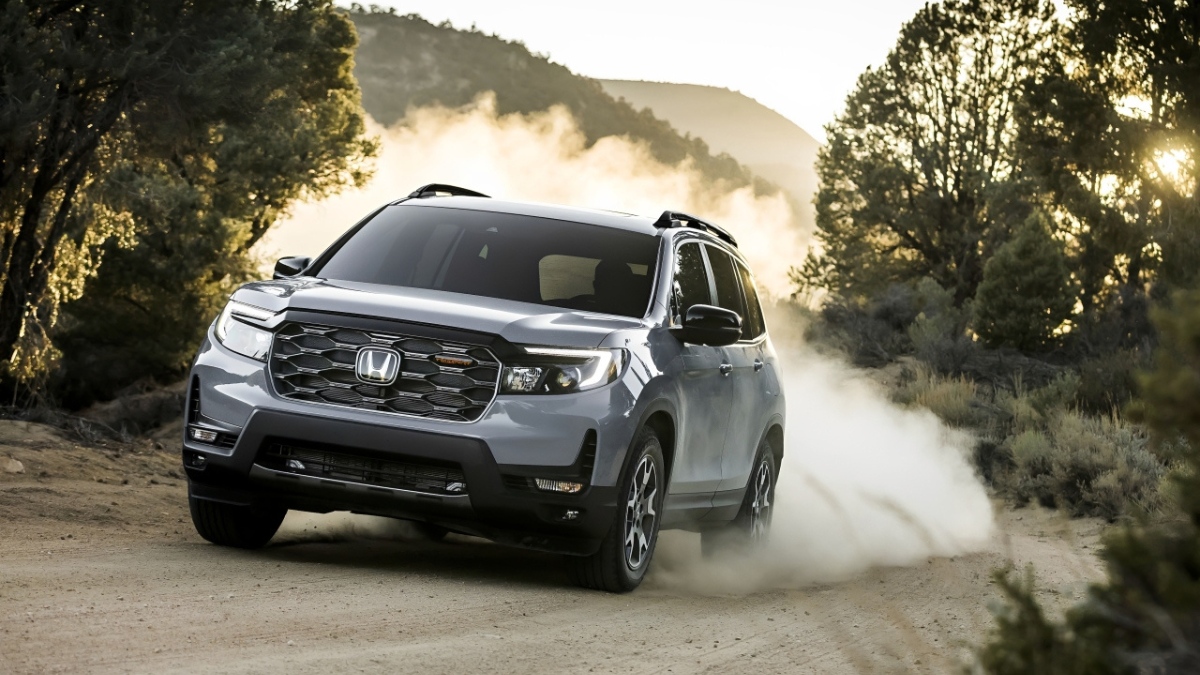
According to Honda’s 2026 CR‑V specifications sheet, the CR‑V offers 39.3 cu ft of cargo volume behind the rear seats with the second row in place—plenty for many two‑day trips when the back seat is for kids or one adult. But once a family needs all seats filled and still wants stroller/cooler space without putting bags in the cabin, the math shifts: Honda’s 2026 Pilot specs list 18.6 cu ft behind the third row (up to 22.4 by trim), while Car and Driver lists the Toyota Sienna at 33.5 cu ft behind the third row. The point is not that one vehicle is “better.” It’s that there is a predictable weekend threshold when a 2‑row SUV starts to feel like constant compromise. This guide explains the rule, then gives a fast way to test it before the next trip.
Quick takeaways
- The rule: a 2‑row SUV stops feeling “enough” when the trip requires every seat and you still need stroller/cooler space without putting bags in the cabin.
- Your fastest tell: if the third passenger row is needed even “sometimes,” the question becomes cargo with row three up—Honda lists 18.6 cu ft for a 2026 Pilot behind row three, while Car and Driver lists 33.5 cu ft behind row three for a Sienna.
- 2-row isn’t the issue—access is: crampedness usually comes from cargo spillover into footwells and seats, not a single legroom number.
- The best fix is not always a 3-row SUV: if the third row is used often, a minivan can “get annoying slower” because it carries more behind row three (Sienna: 33.5 cu ft, per Car and Driver).
- Most reliable method: run one real packing test with your actual gear, then choose the layout that keeps the cabin calm.
The weekend problem families don’t price correctly
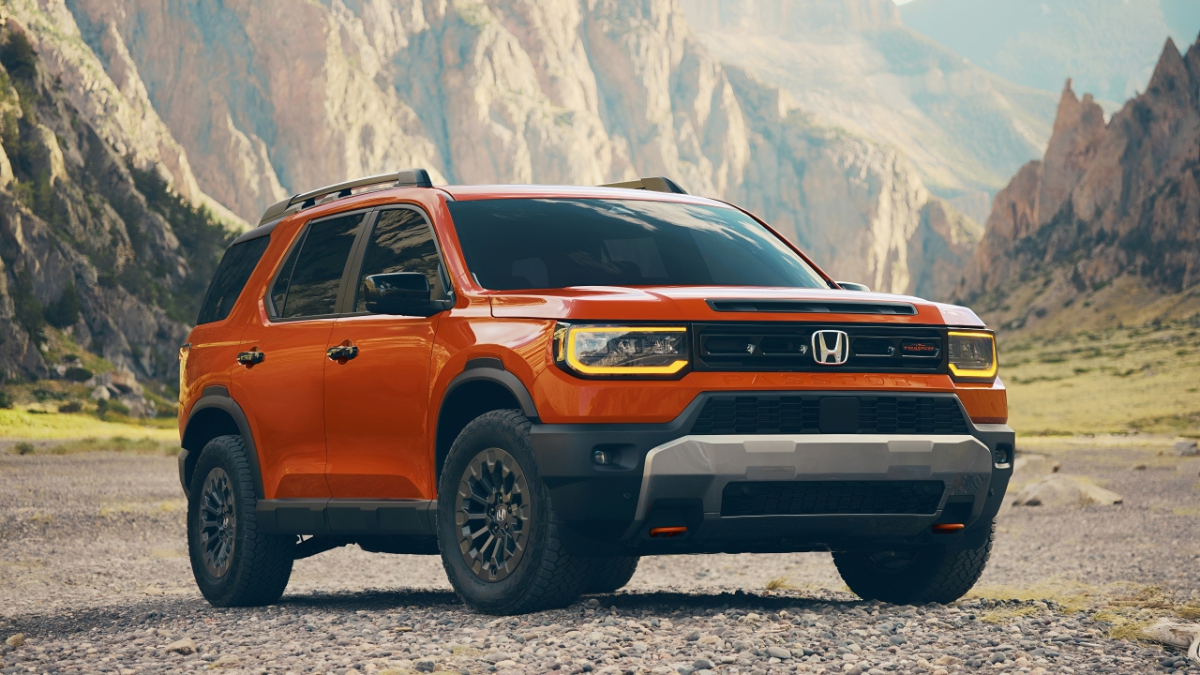
On paper, many 2‑row SUVs look big enough because they advertise a healthy “rear seats up” cargo number. For example, Honda lists 39.3 cu ft of cargo space behind the rear seats for the 2026 CR‑V. But the weekend reality is not one big trunk number.
A two-night family trip usually adds three stressors that amplify small packaging limits:
- stop cycles (snacks, bathrooms, jackets on/jackets off),
- bulky items (stroller, pack‑and‑play, cooler),
- and uncertain seating (a friend’s kid, a grandparent, or a car-seat reshuffle).
Once those show up together, the vehicle starts to feel like work.
The packing rule in one line
Use this rule of thumb:
A 2‑row SUV stops being enough when you must keep all seats in use and still need a “clean” cargo area (stroller/cooler) without putting bags in the cabin.
Why it works:
- If the second row is occupied, the cargo area becomes the only storage.
- When cargo space is tight, items migrate to seats and footwells.
- Cabin spillover is what makes a trip feel cramped and chaotic.
Why “third-row-up cargo” is the real decision point
Many families jump from 2‑row SUV → 3‑row SUV expecting the problem to disappear. Sometimes it does. Sometimes it just changes shape.
The make-or-break number is cargo behind the third row because that’s the situation when everyone is seated.
As of March 13, 2026, the most checkable examples from the sources used here show the spread:
- 2026 Honda Pilot: Honda lists 18.6 cu ft behind the third row (up to 22.4 by trim).
- Toyota Sienna: Car and Driver lists 33.5 cu ft behind the third row.
That gap explains why minivans often feel “less annoying” on family weekends: with row three up, there is still space for the bulky stuff that otherwise ends up in the cabin.
The three family weekend triggers that signal “2-row is done”
If two or more of these happen regularly, a 2‑row SUV is likely near the limit:
1) The stroller test fails
If the stroller only fits diagonally, or forces bags onto seats, the trip becomes constant repacking.
2) The cooler becomes a seatmate
When the cooler rides on a seat, it steals comfort and turns the cabin into a clutter zone (and makes stops messier).
3) The “extra passenger” happens often
If you say “it’s just us” but end up driving one extra kid or adult often, the plan is not a plan.
What changed in 2026 (why this is a current problem)
The 2026 market reality is not that families suddenly got bigger. It’s that vehicle categories blurred: many 2‑row SUVs now advertise generous cargo behind the second row, while 3‑row SUVs vary widely in how much space remains when the third row is actually used.
That is why a simple “buy a 3‑row” upgrade can still disappoint. The correct question is:
How much usable cargo exists with your real seating pattern?
What this means in the U.S.
In the U.S., weekend trips often involve:
- highway speeds at 70–80 mph,
- at least one crowded parking lot,
- and mixed weather (layers, boots, wet gear).
Those conditions amplify stop-cycle friction. A layout that keeps gear contained and doors easy tends to “get annoying slower,” even if the vehicle is technically larger.
What you can do: the 12-minute weekend packing test
Use this as a repeatable method—no guesswork.
Step 1: Define your “two-night kit”
- folded stroller (or wagon)
- medium hard cooler
- 2 duffels
- 1 “chaos bag” (snacks/wipes/jackets)
Step 2: Test in the layout you actually use
- 2-row SUV: second row fully occupied as on a real trip.
- 3-row SUV/minivan: third row up (everyone seated).
Step 3: Pass/fail rules
- Pass: nothing in footwells, nothing blocking rear visibility, cooler and stroller fit without stacking above the window line.
- Fail: bags on seats, cooler in the cabin, or constant re-stacking needed to close the hatch.
If the 2-row fails consistently, that’s your signal to move up—either to a 3-row that still has usable row-three-up cargo, or to a minivan if third-row use is frequent.
Bottom line
A 2‑row SUV becomes “not enough” at a predictable point: when the weekend requires full seating and you still need clean cargo space for bulky family items without turning the cabin into storage.
The most reliable way to avoid a bad upgrade is to stop thinking in “2-row vs 3-row” and start thinking in third-row-up cargo + stop-cycle friction. Honda’s 2026 Pilot cargo figure (18.6 cu ft behind row three) and Car and Driver’s Sienna figure (33.5 cu ft behind row three) show why the same family can feel calm in one layout and cramped in another—on the exact same weekend.