
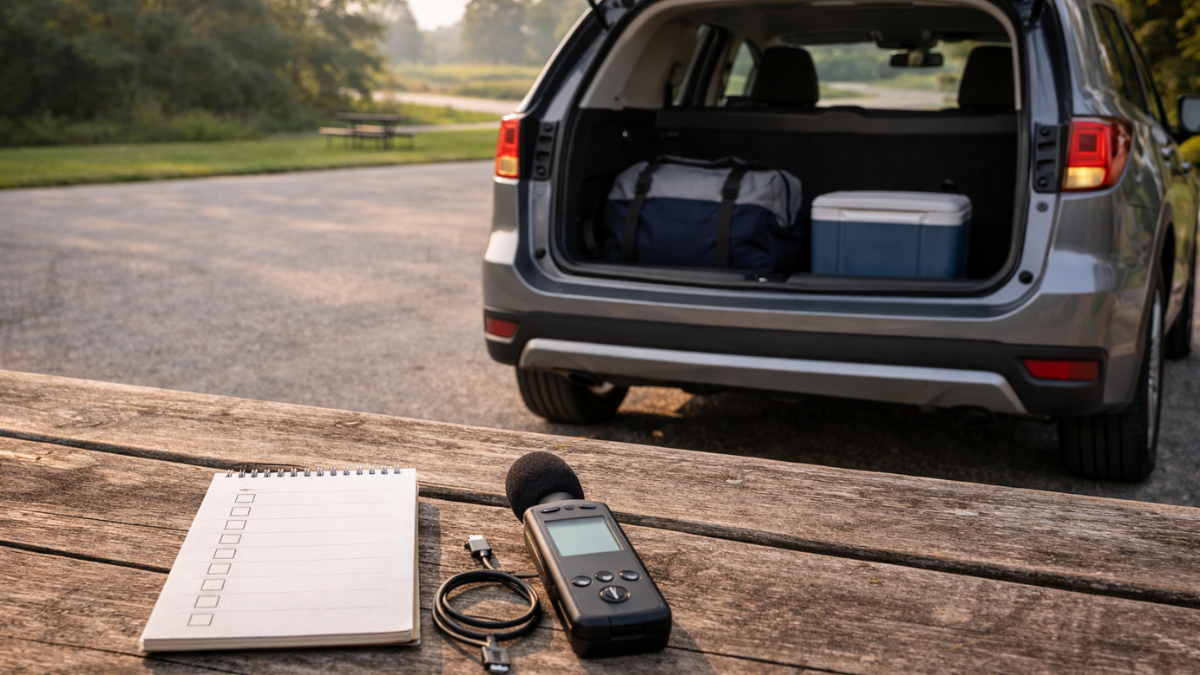
According to J.D. Power’s 2025 U.S. Tech Experience Index (TXI) release, vehicle “quality” complaints are increasingly about usability—complex infotainment and driver-assist features that don’t feel intuitive in real life. At the same time, Car and Driver says it now reports cabin noise at 70 mph in sones as well as dBA, reflecting how much “calm” matters on long stints. For weekend cars in 2026, the shift is simple: the winning vehicle is often not the one with the most features, but the one that stays predictable—easy parking, easy loading, easy driver-assist behavior, and a cabin that doesn’t wear people down after a few hours.
Quick takeaways
- “More advanced” loses weekends when tech adds friction: confusing menus, inconsistent sensors, or driver-assist that feels jumpy.
- J.D. Power’s TXI framing suggests vehicle issues are shifting from broken parts to usability problems—especially with infotainment and ADAS.
- Car and Driver’s move to report sones at 70 mph highlights a real weekend truth: calm cabins reduce fatigue.
- “Easy to live with” is a system: seats-up packing + simple controls + predictable driver aids + quiet highway behavior.
- The best decision method is a short, repeatable test: parking + loading + 10 minutes at highway speed + one driver-assist segment.
What changed (and why it shows up in 2026 weekend cars)
Two subtle shifts are pushing “easy to live with” to the top.
1) Tech is no longer the differentiator—execution is
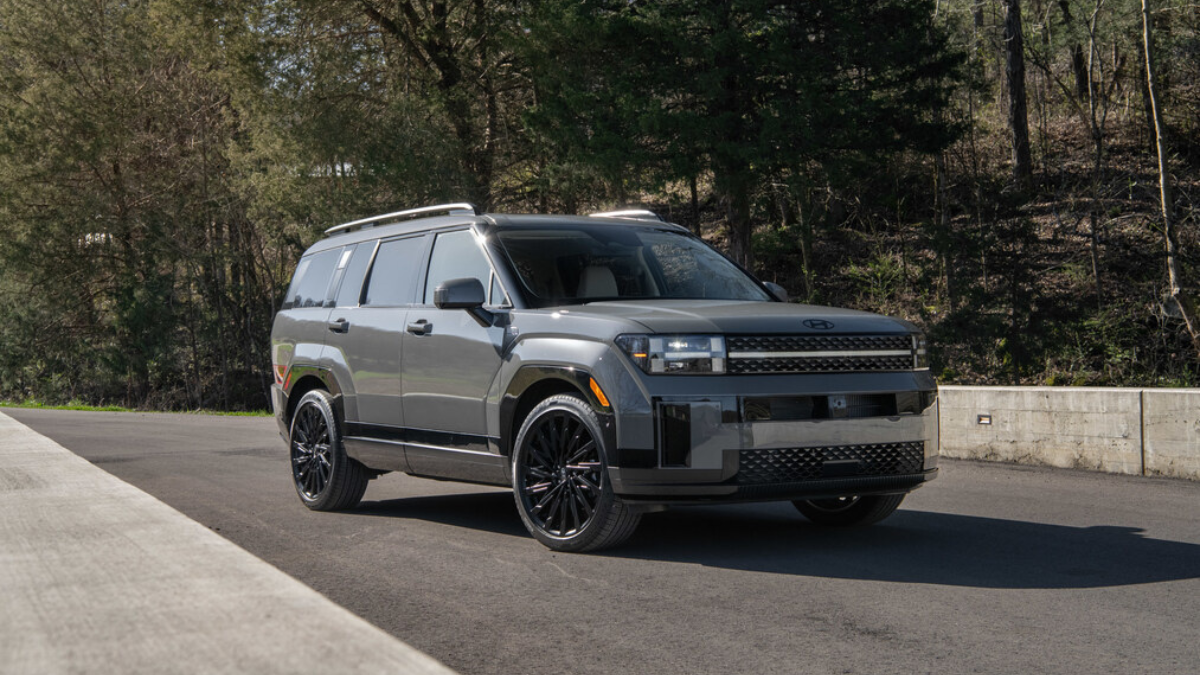
Most new vehicles have large screens, voice controls, driver aids, connected apps, and phone mirroring. The difference is whether those features behave the same way every time.
J.D. Power’s TXI release describes a shift in owner perceptions of quality toward usability issues, with complex infotainment and ADAS playing a bigger role than traditional mechanical failures. That’s not a knock on technology. It’s a signal that convenience features only create value when they are easy to understand at speed and under stress.
2) “Calm” is being measured more explicitly
Weekend fatigue is often a sensory story: wind noise, tire roar, and constant micro-corrections. Car and Driver has long measured interior noise at 70 mph, and it now reports sones alongside dBA to better reflect perceived loudness.
That matters because many people choose weekend cars based on how the cabin feels after hour two, not on how “advanced” the features look on a spec sheet.
Why it matters on weekend trips (the real stress points)
Weekend trips are different from commutes. They’re longer, stop-heavy, and less forgiving.
Three friction points decide whether a vehicle feels like a win:
1) Stop-cycle simplicity
Weekend travel is a chain of small tasks:
- parking,
- opening doors in tight spaces,
- loading and unloading,
- finding one item without unpacking everything.
A car can have amazing driver-assist and still be exhausting if the cargo area forces clutter into the cabin or if every stop requires seat-folding decisions.
“Easy to live with” usually means the weekend kit fits seats up:
- two duffels,
- a compact cooler,
- layers and shoes,
- a few “just in case” items.
If the vehicle passes that test, the trip stays calmer.
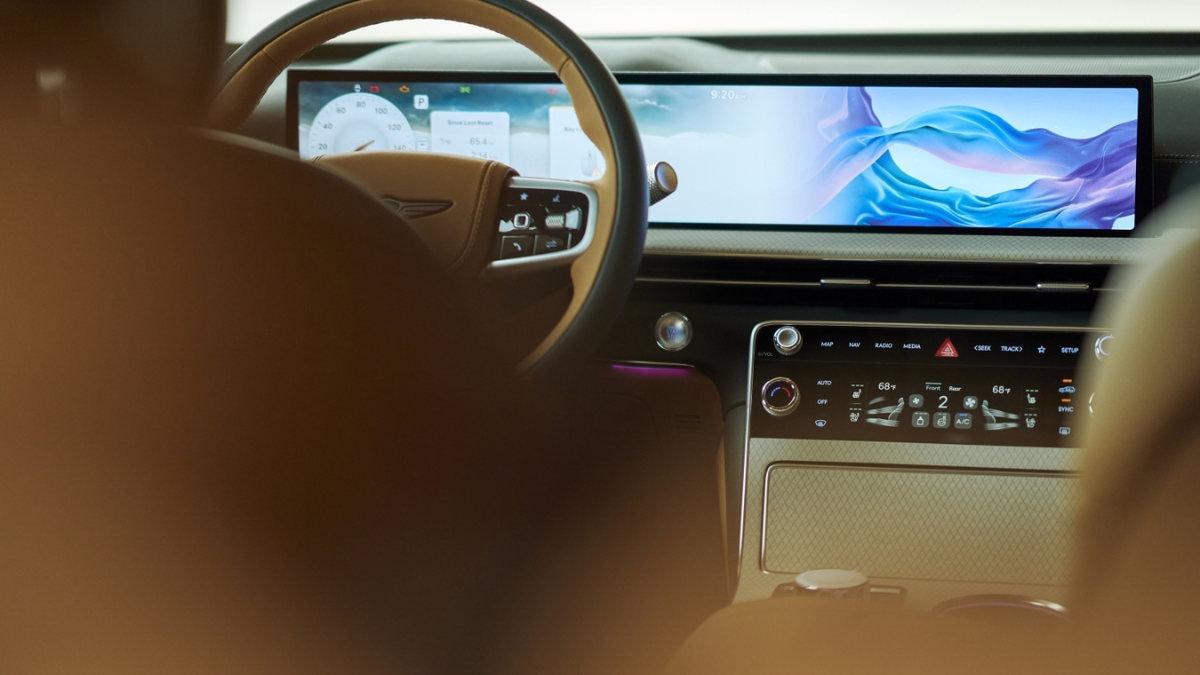
2) Controls you can use without thinking
Complex controls can turn small actions into distracting ones: changing the temperature, re-routing navigation, muting alerts, or adjusting the seat heaters while traffic is heavy.
IIHS’ distracted driving research highlights that manipulating phones increases crash risk, and the same general principle applies to demanding in-vehicle tasks: anything that pulls attention away from driving adds stress and risk.
The weekend preference shift isn’t anti-tech. It’s pro-controls that work with minimal attention.
3) Predictable driver-assist behavior
“More advanced” can be a liability if the system:
- brakes late and hard,
- tugs the wheel with abrupt corrections,
- nags constantly,
- or behaves differently across lanes and weather.
On a 3–5 hour run, “predictable” beats “impressive.” Drivers want assistance that reduces workload without creating new surprises.
The hidden trade: when “advanced” creates weekend problems
A feature can be advanced and still make a weekend worse if it adds any of these:
- Extra setup time (accounts, permissions, pairing steps, profiles that don’t stick)
- Over-alerting (constant chimes that make the cabin feel tense)
- Menu depth (basic functions buried behind multiple taps)
- Inconsistent sensors (false alerts, camera glitches, rain-related issues)
This is exactly why “easy to live with” is winning. People aren’t rejecting technology. They’re rejecting weekends that feel like software management.
What this means in the U.S.
U.S. weekend travel often combines:
- long highway legs at 70–80 mph,
- crowded parking at destinations,
- mixed weather in shoulder seasons,
- and multiple micro-stops (food, groceries, trailheads).
In that environment, the best “weekend car” tends to be the one that:
- packs seats-up without drama,
- parks without stress,
- stays calm at highway speed,
- and has driver aids that feel smooth and consistent.
It is a “middle wins” story: not the simplest car, not the most advanced—just the most reliable in real weekend conditions.
What you can do: the 18-minute “easy wins” test
Use this to choose the right weekend vehicle without guessing.
1) Parking + door test (6 minutes)
- back into a tight spot,
- open the rear door(s) and the liftgate,
- simulate grabbing one bag quickly.
If it feels awkward, the weekend will magnify that awkwardness.
2) Seats-up cargo test (6 minutes)
Pack as you travel:
- two duffels,
- compact cooler,
- layers/shoes.
Check rear visibility and whether anything must go into footwells.
3) Highway calm + driver-assist test (6 minutes)
- audio off, fan low, 65–75 mph for a few minutes,
- one passing move,
- then use adaptive cruise + lane centering for a short segment.
The winner is the vehicle that stays boring—low noise, low corrections, low mental load.
Bottom line
In 2026, “easy to live with” is beating “more advanced” for weekend cars because weekends punish friction. J.D. Power’s TXI framing points to rising frustration with technology usability, while Car and Driver’s noise measurement approach reflects how much calm matters at highway speeds. The winning weekend vehicle is the one that reduces workload: simple packing, easy parking, calm highway behavior, and driver aids that feel predictable.