
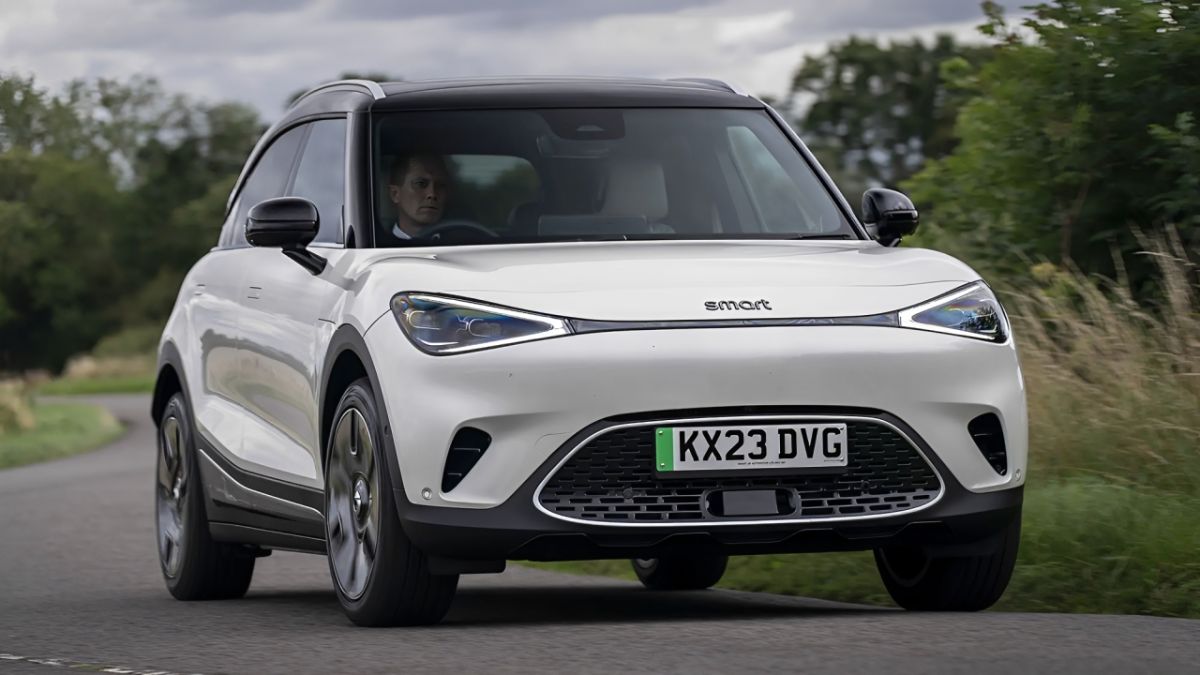
According to AAA’s late-February 2026 travel-intentions survey, 58% of Americans expect to take multiple trips this year—exactly the pattern that turns “weekend car fit” into a repeat problem, not a one-off. IIHS adds a city-driving reality that matters for weekends, too: its November 2025 study found a large driver-side blind zone is linked to a 70% higher risk of striking a pedestrian during a left turn. In 2026, that’s why shorter SUVs are trending as the “middle win”: they’re easier to park and place in tight spaces, often calmer in stop cycles, and still big enough to carry the real weekend kit without turning every trip into a workaround.
Quick takeaways
- Shorter SUVs reduce “parking tax.” Fewer stressful maneuvers means less stop-cycle fatigue on busy weekends.
- Visibility confidence is part of the trend. IIHS links large driver-side blind zones to a 70% higher risk of left-turn pedestrian crashes.
- Ownership cost pressure pushes the middle. AAA’s cost-per-mile data shows compact and subcompact SUVs cost less per mile on average than medium SUVs.
- Seats-up packing beats fold-flat bragging. The winning weekend vehicles carry duffels + cooler without turning the cabin into storage.
- The best “city-to-weekend” car keeps the weekend boring: easy parking, easy access, calm highway behavior, and low-fuss controls.
What changed in 2026: weekends repeat, and friction compounds
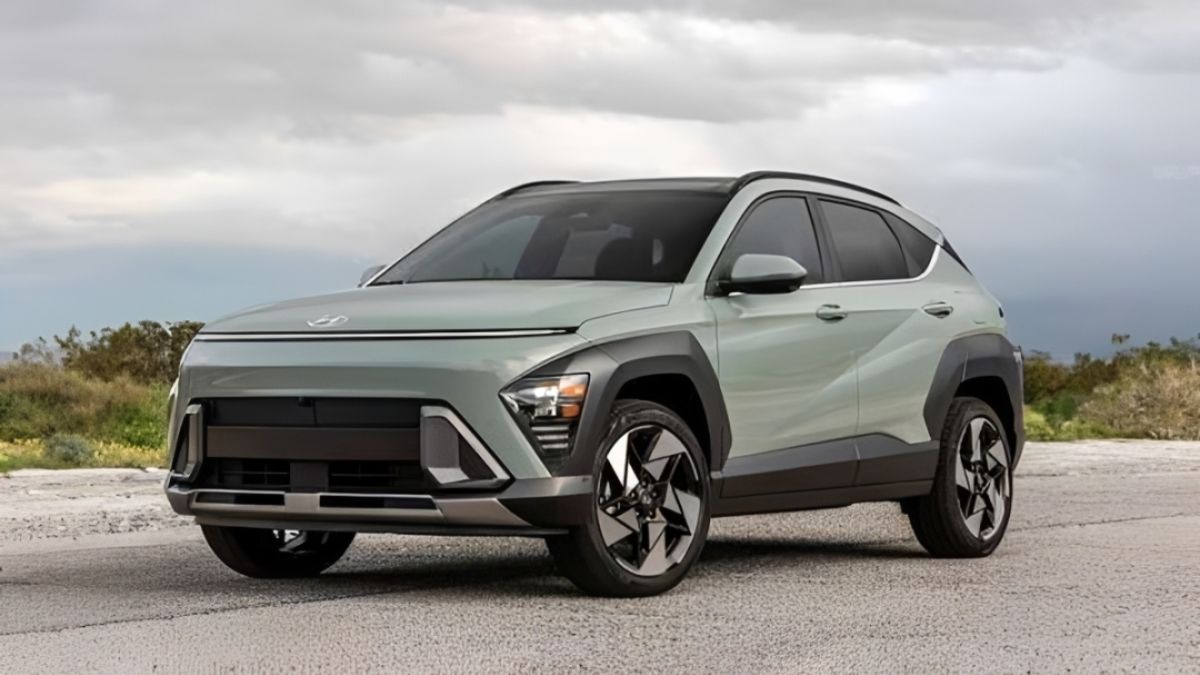
City driving can hide a vehicle’s weaknesses because trips are short and familiar. Weekends do the opposite:
- longer highway legs,
- crowded destination parking,
- repeated stops (coffee, groceries, check-in),
- and bulky items that don’t compress.
AAA’s 2026 survey suggests more people expect multiple trips. When weekends repeat, the “small annoyances” stop being background. They become the deciding factor in what feels easy to live with.
That’s why this isn’t a single-model story. It’s a behavior story: buyers are prioritizing the vehicle that reduces friction across the whole chain.
Why shorter SUVs win the city half of the test
1) Parking stress is a real cost, even when it’s not on the receipt
The weekend is a parking exercise:
- tight garages,
- small curb spaces,
- packed trailheads,
- crowded restaurant districts.
Shorter vehicles are simply easier to place and less likely to force the “park far away” routine. That matters because parking happens multiple times per weekend, not once.
2) Visibility and confidence matter in low-speed, people-heavy environments
IIHS’ study on blind zones highlights why vehicle design can change pedestrian risk at left turns, pointing to obstructions like A-pillars, mirrors, and long hoods. In day-to-day terms, this affects how confident a driver feels in:
- crosswalk turns,
- parking-lot exits,
- and busy neighborhood driving.
Shorter SUVs often feel easier in these moments because they tend to require fewer “creep forward and re-check” moves. That calmer feeling is part of what shoppers describe as “less tiring.”
Why shorter SUVs still pass the weekend half of the test
1) Seats-up packing solves more weekends than maximum cargo specs
Most real weekends are seats-up weekends. People don’t want to fold seats, re-stack, and rebuild the cabin at every stop.
The winning “short SUV” setup is one that carries the weekend kit neatly with seats up:
- two duffels,
- a compact cooler,
- layers and shoes,
- and maybe a dog setup.
If those items fit without migrating into footwells, the car stops feeling “too small,” even if it isn’t huge.
2) Workaround costs are now measurable (and annoying)
When a vehicle fails seats-up packing, drivers add a roof box, roof rack, or hitch carrier.
Consumer Reports measured an overall 19% fuel-economy drop with a roof rack and rooftop carrier installed. That’s the hidden weekend tax: a vehicle that “only works with rooftop cargo” can quickly become more expensive and louder on the highway.
Shorter SUVs that pack cleanly inside reduce the need for that workaround—so the whole system stays cheaper and calmer.
3) Highway calm beats “more power” for most weekend miles
On a typical weekend run, most miles are steady highway cruising. That’s where drivers notice:
- wind and tire noise,
- steering corrections,
- and the overall calm of the cabin.
Car and Driver’s move to add sones to its interior noise reporting reflects that perceived loudness matters, not just numbers on a spec sheet. The shorter-SUV win isn’t automatic, but the best examples tend to offer “enough” highway calm without the size penalty in town.
The money angle: the middle often costs less to operate
AAA’s cost-per-mile data gives the financial context behind the trend. On average, smaller SUV categories come in lower than medium SUVs, and that difference is felt most by drivers who stack short trips, errands, and weekend miles all year.
This doesn’t mean everyone should downsize. It means the cost and stress penalties of “going bigger” are more visible in 2026—so buyers are putting more weight on the middle.
What this means in the U.S.
In the U.S., the city-to-weekend pattern is common:
- urban parking during the week,
- highway to a destination on weekends,
- and stop-heavy days once you arrive.
That combination rewards vehicles that are:
- easy to park,
- confidence-inspiring in visibility-heavy situations,
- and still practical enough for real weekend gear without rooftop solutions.
That’s why shorter SUVs are winning the test: they don’t ace one category—they avoid failing any.
What you can do: the 12-minute “city-to-weekend” test
Before choosing a vehicle, run this quick reality test:
- Tight parking test (4 min): back into a small spot; note stress and visibility.
- Seats-up packing test (4 min): cooler + two duffels + layers; confirm one-item access.
- Highway calm test (4 min): short 65–75 mph segment, audio off, fan low; note noise and steering workload.
If a shorter SUV passes these without workarounds, it will usually feel “right” more often than a bigger vehicle that creates parking and stop-cycle friction.
Bottom line
Shorter SUVs are winning the city-to-weekend test in 2026 because they reduce repeat friction: parking stress, visibility workload, and stop-cycle inconvenience—while still carrying the real weekend kit with seats up. AAA’s 2026 travel-intentions survey suggests weekend trips are frequent, IIHS research highlights how blind zones can raise left-turn pedestrian risk, and AAA cost-per-mile data explains why the “middle” feels financially safer. In practice, the winner is the vehicle that keeps weekends boring.