

According to Subaru’s official 2026 Outback page and Car and Driver’s 2026 Outback specs table, the redesigned Outback pairs standard AWD with 34.6 cu ft of cargo behind the second row (and 80.5 cu ft with the rear seat folded), aiming at the “two people + gear + rough road” weekend. Toyota’s official Grand Highlander materials and Toyota’s 2026 product information list a very different cabin-weekend story: 20.6 cu ft of cargo with all seats up, 57.9 cu ft behind the second row, and 97.5 cu ft with both rear rows folded—built for more people and more bags, even when the third row is used. For cabin weekends, the decision is less about brand and more about friction: last-mile road conditions, passenger count, third-row-up cargo, and how tiring the highway approach feels. As of March 14, 2026, here’s the practical “which makes more sense” guide.
Quick takeaways
- Best “two adults + gear + rough access” fit: the 2026 Outback is easier to place on narrow roads and still offers 34.6 cu ft behind the second row (Car and Driver).
- Best “grandparents + kids + bags” fit: the 2026 Grand Highlander wins for passenger capacity and “all seats up” cargo, listed at 20.6 cu ft (Toyota product info; also reflected in Car and Driver specs).
- Clearance is closer than it looks: Toyota lists 8.0 in ground clearance for Grand Highlander (Toyota product info), while the Outback is commonly listed around 8.7 in ground clearance across trims in Subaru materials and coverage; Outback Wilderness is positioned higher/rougher-duty in separate reporting.
- Towing logic: Outback is commonly positioned as up to 3,500 lbs when properly equipped on higher-output versions (reported in coverage), while Grand Highlander towing varies by powertrain and trim; confirm your exact configuration before planning a trailer weekend.
- Most reliable method: choose based on the cabin weekend’s core constraint: narrow last mile (Outback) vs full family load (Grand Highlander).
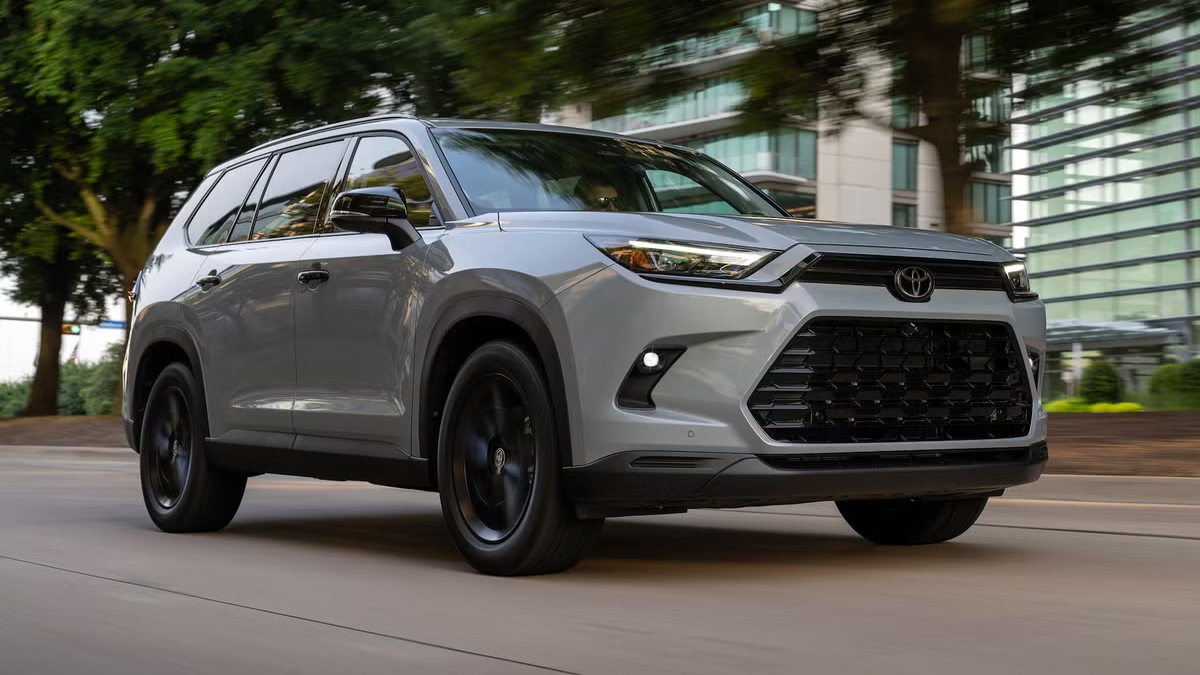
The cabin-weekend lens: three “miles” that decide the trip
Cabin weekends usually include three very different phases:
1) The highway mile (70–80 mph approach, noise and fatigue)
2) The packed mile (bags, cooler, boots, possibly a dog)
3) The last mile (snowy driveway, rutted gravel, tight turns)
A vehicle can win one phase and still lose the weekend. The right pick is the one that reduces the main friction in your typical trip.
What changed in 2026: why the Outback story is different now

The Outback is redesigned for 2026, and Subaru’s official page highlights upgraded EyeSight driver assist and available hands-free assist features. Car and Driver’s specs table lists 34.6 cu ft behind the second row and 80.5 cu ft behind the front row, and recent coverage frames the redesign as roomier and more SUV-like than before. The practical implication is simple: Outback remains the “cabin weekend” default for people who want AWD confidence without moving to a full-size family hauler.
Grand Highlander is not a redesign headline in the same way. It’s the “space first” option: Toyota’s official materials emphasize fold-flat seats and long-haul comfort tech, while the product information sheet lists a very large cargo range depending on how many rows are in use.
The packed mile: cargo that stays in the back, not in the cabin
Most cabin-weekend stress comes from cargo spillover into seats and footwells. This is where the two vehicles behave differently.
Outback: a strong “two-row cargo” baseline
Car and Driver lists:
- 34.6 cu ft behind the second row
- 80.5 cu ft behind the first row (rear seat folded)
For a typical cabin kit—two duffels, one cooler, boots, and groceries—that “rear seats up” space is usually enough without stacking high. The Outback’s wagon-like shape also tends to help with long items (skis, boards) when the rear seat is partially folded.
Grand Highlander: the “third row up” advantage for families
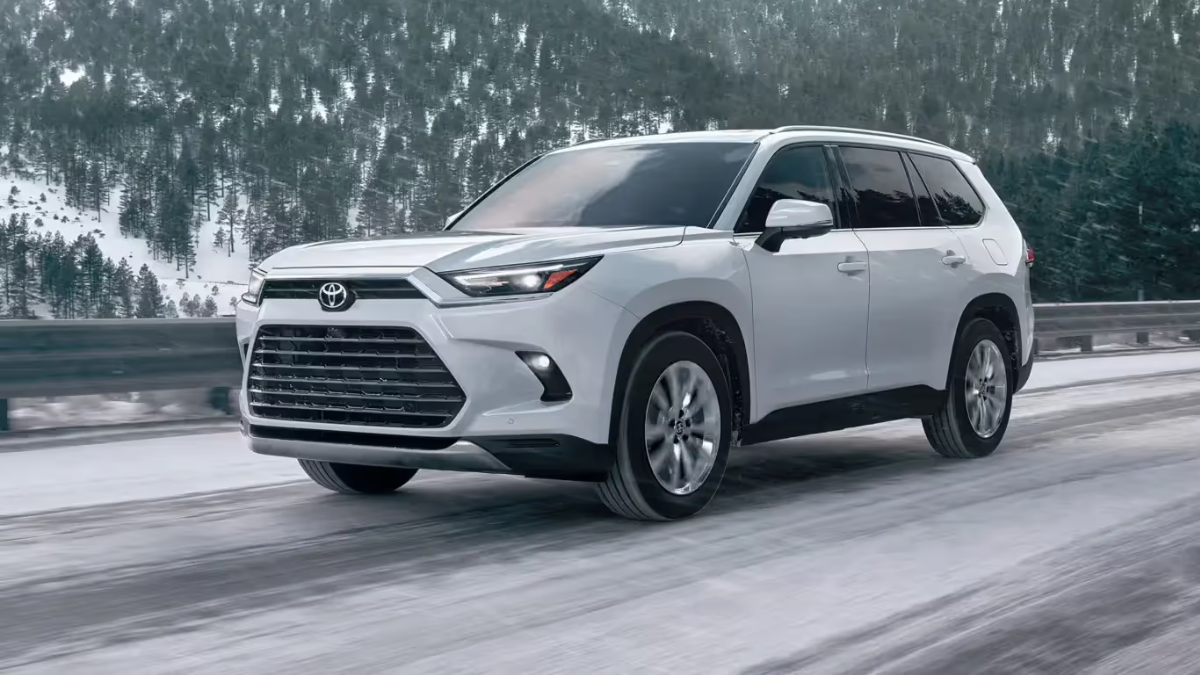
Toyota’s 2026 product information lists:
- 20.6 cu ft with all seats up
- 57.9 cu ft behind the second row
- 97.5 cu ft behind the front seats
Those numbers explain why Grand Highlander gets chosen for cabin weekends with more passengers: even when the third row is in use, there’s still meaningful space for bags. When the third row stays folded, it becomes a very large cargo box.
Weekend takeaway: if you frequently travel with grandparents, kids, or friends, the Grand Highlander is more likely to keep the cabin uncluttered.
The last mile: clearance and confidence when the driveway turns ugly
Cabin weekends often fail at the last mile: a steep driveway, unplowed snow, or a rutted access road.
Toyota’s product information lists Grand Highlander ground clearance at 8.0 inches. Subaru’s Outback is widely positioned with higher clearance around 8.7 inches in brand materials and third-party spec listings, and Wilderness versions are positioned as more off-road-oriented.
What that means in practice:
- If the cabin access road is mostly maintained gravel and the driveway is paved, Grand Highlander’s clearance can be enough.
- If the last mile includes deeper ruts or snow berms, extra clearance and a smaller footprint can reduce hesitation.
Footprint matters too. Outback is easier to place on narrow roads, in tight turnarounds, and on crowded trailhead lots near cabin areas.
The highway mile: which one keeps fatigue lower

For many cabin trips, the drive there and back is the longest part of the weekend. “Better” here depends on who is in the car.
Outback’s advantage:
- smaller vehicle means easier lane placement
- the redesign’s driver-assist emphasis suggests a long-drive focus (Subaru’s 2026 Outback page highlights upgraded EyeSight and available hands-free assist features)
Grand Highlander’s advantage:
- more room for shoulders, elbows, and separation between passengers
- more flexible seating when kids and adults are mixed
The practical reality: families feel less stress when everyone has enough personal space and the cabin stays organized, even if the vehicle is larger.
Towing and gear strategy: don’t pick the wrong “weekend story”
Cabin weekends sometimes include:
- a small utility trailer,
- bikes on a hitch rack,
- or a hitch basket plus roof box.
Outback is commonly positioned as capable of up to 3,500 pounds towing when properly equipped on higher-output trims (reported in coverage). Grand Highlander towing can be higher on some configurations and lower on others; always confirm the exact trim/powertrain rating before you plan a trailer weekend.
A practical rule:
- If towing is occasional and light, either can work—trim matters more than model name.
- If towing is central to the weekend identity, do not guess. Verify the exact rating and required tow equipment.
What this means in the U.S.
A U.S. cabin weekend typically includes:
- interstate driving at 70–80 mph,
- a grocery run near the destination,
- and an access road that may be wet, snowy, or uneven.
In that context:
- Outback makes more sense when the last mile is tight or rough and the passenger count is smaller.
- Grand Highlander makes more sense when the cabin weekend is a full-family operation and you want fewer packing compromises with all seats in use.
What you can do: the 15-minute cabin-weekend test
Bring one duffel and a cooler and run this on both vehicles:
1) Load test (5 minutes): rear seats up, pack the cabin kit. Check whether anything must go on seats.
2) Turnaround test (5 minutes): simulate a tight driveway turn or parking lot U-turn; judge stress and visibility.
3) Highway calm test (5 minutes): audio off, fan low. Notice wind/tire noise and driver-assist smoothness.
If one vehicle stays calm in all three, it’s the one that will “annoy slower” on a real cabin weekend.
Bottom line
For cabin weekends, the 2026 Subaru Outback is the cleaner fit when the trip is primarily two-row travel with gear and a challenging last mile—especially when narrow roads and tight turnarounds are common. The 2026 Toyota Grand Highlander is the cleaner fit when the weekend is a full family load and the goal is keeping bags out of the cabin even with the third row used, supported by Toyota’s published 20.6 cu ft “all seats up” cargo figure and a very large maximum cargo range.
The simplest way to choose is to decide which problem you are solving most often: placing a vehicle confidently on a cabin road, or carrying people and bags without compromise.