
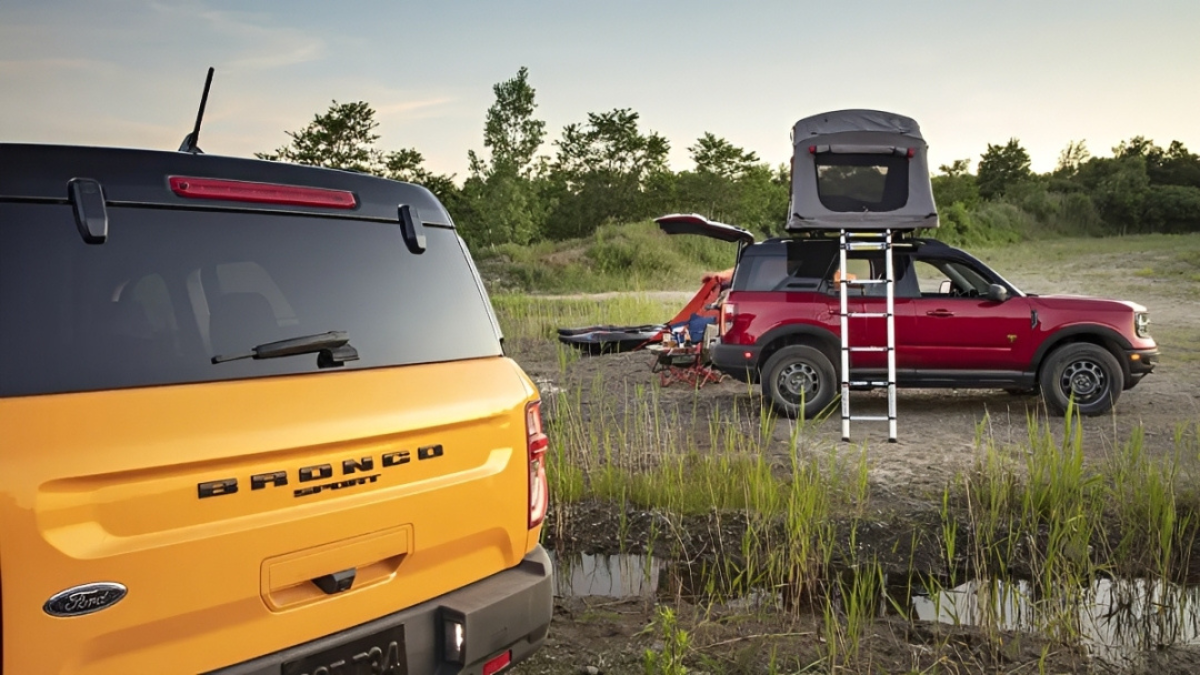
According to AAA’s 2025 Your Driving Costs study, average all‑in costs are 68.53¢/mile for a Compact SUV, versus 79.11¢/mile for a Midsize Pickup and 98.54¢/mile for a Half‑ton pickup (based on standardized assumptions over five years and 75,000 miles). Consumer Reports’ “SUV or Pickup” guidance also frames the everyday tradeoff clearly: pickups are great when a bed is truly used, but SUVs tend to be easier for day‑to‑day driving and cargo security. Add a light camping weekend into the mix and the real question becomes: which vehicle type stays convenient the other 350 days—parking, errands, weather, and school runs—without forcing workarounds for two or three camping trips?
Quick takeaways
- If camping is truly “light” (cooler + duffels + chairs): a small SUV usually wins the other 350 days because cargo is enclosed and errands don’t require bed-management.
- If the bed is used weekly: a pickup can be the right tool—but AAA’s averages show higher all‑in running costs than a compact SUV (79.11¢/mile midsize pickup vs 68.53¢/mile compact SUV).
- The hidden everyday tax of pickups: secure storage, weatherproofing, and tie‑down habits (tonneau, bins, straps) become part of normal life.
- Visibility matters in busy places: IIHS research links larger blind zones to higher pedestrian crash risk during turns, a consideration in parking lots and school zones.
- Best decision method: pick the “350‑day use-case” first (errands, kids, parking), then confirm the camping kit fits without a roof box or bed upgrades.
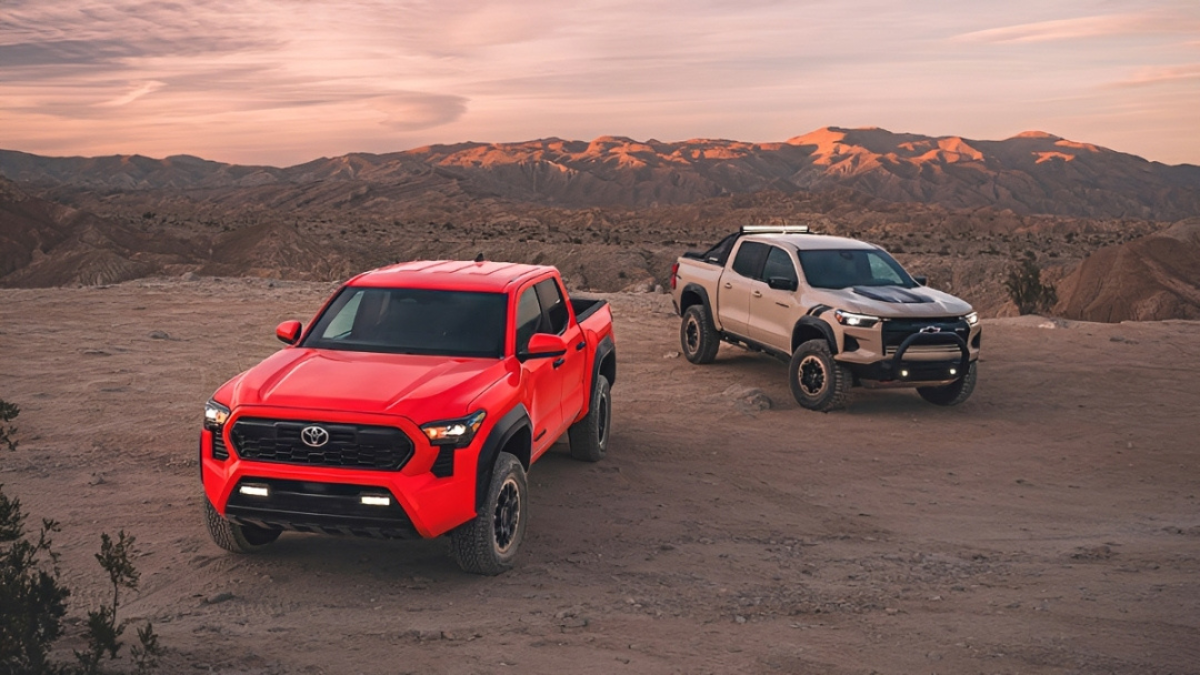
The 350‑day rule (the only framing that stays honest)
“Light camping” can mean very different things. This guide assumes:
- two nights,
- a cooler,
- duffels,
- camp chairs,
- maybe a small tent.
That load rarely requires a pickup bed. So the right comparison is not “which is cooler.” It is:
Which vehicle creates fewer daily annoyances for everything that happens between camping trips?
The cost baseline: what the miles tend to cost
AAA’s cost-per-mile averages are not a promise for any one owner. They are a useful baseline because they include:
- depreciation,
- fuel,
- maintenance/tires,
- insurance,
- licensing and finance assumptions.
AAA lists (average, five years / 75,000 miles):
- Compact SUV: 68.53¢/mile
- Midsize pickup: 79.11¢/mile
- Half‑ton pickup: 98.54¢/mile
On a simple 10,000-mile year (a common “weekend + errands” pattern), the gap can add up, even before accessories.
Daily-life friction: why SUVs usually feel easier
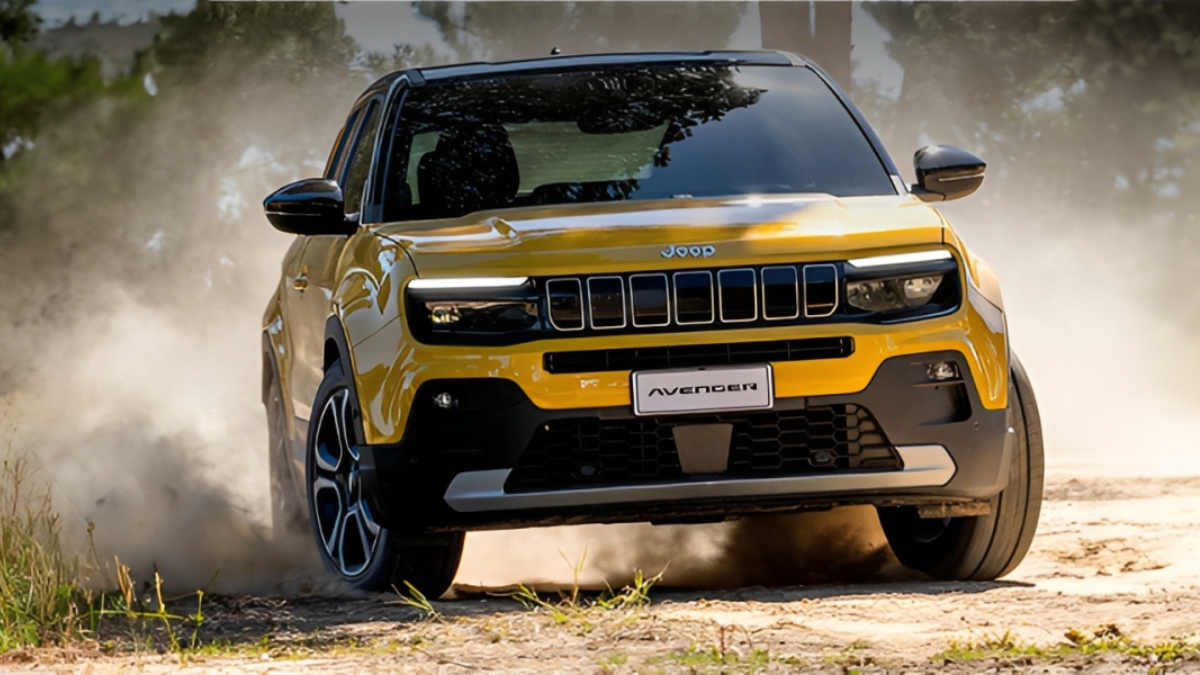
For most households, daily driving means:
- groceries,
- parking garages,
- school drop-off,
- rain and snow,
- and leaving the vehicle unattended with stuff inside.
A small SUV tends to reduce friction because:
- cargo is enclosed (less weather exposure),
- valuables can be hidden behind a cover,
- and the vehicle is often easier to park and maneuver.
Consumer Reports’ SUV vs pickup guidance reflects this basic point: SUVs are often the better everyday compromise unless the bed is frequently needed.
The pickup’s “invisible chores” (the parts buyers forget to price)
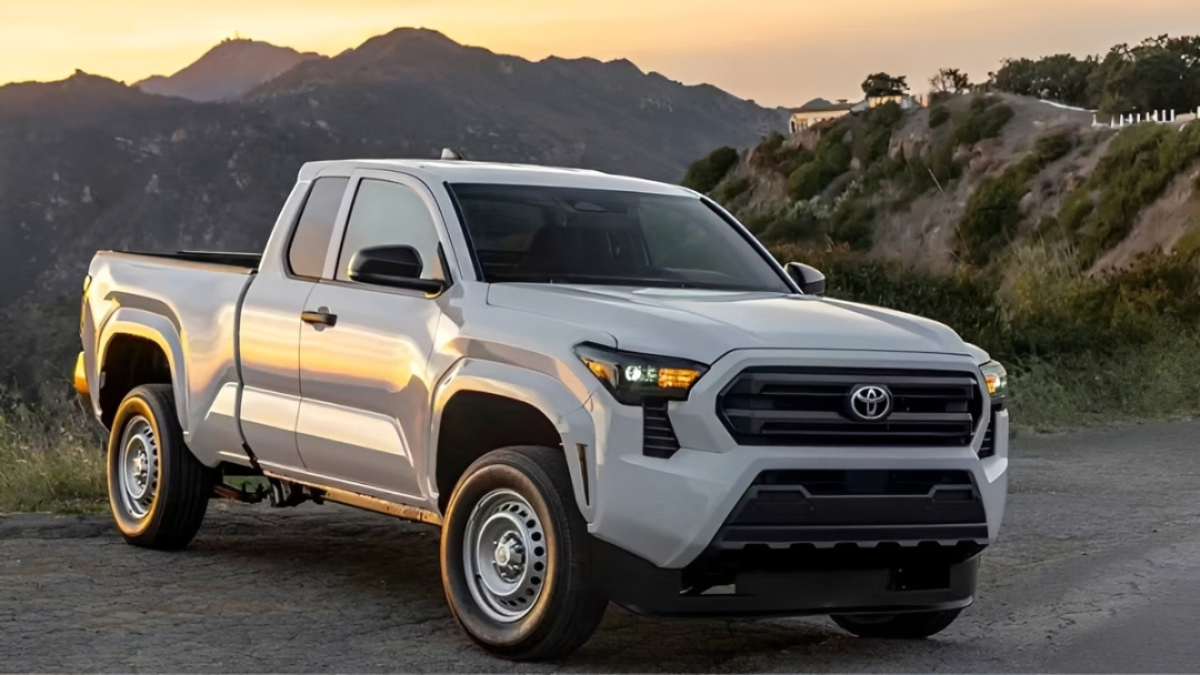
Pickups are not hard to live with—but they require habits.
1) Weatherproofing
If camping gear is carried in the bed, weather becomes a daily concern. Many owners add a tonneau cover or use bins and dry bags. That can work well, but it’s an extra system to manage.
2) Security and organization
In an SUV, a cooler and duffels can go in back with the hatch closed. In a pickup, the same items may need:
- a cover,
- lockable storage,
- and more tie‑down discipline.
3) “Small items” errands
Short trips often involve fragile or small items: groceries, school bags, packages. SUV cargo keeps them contained. A pickup bed can handle them, but it can also become a “things roll around” zone without bins.
The result is a predictable pattern: pickups feel effortless when hauling is frequent, but they can feel like extra steps when hauling is occasional.
Camping-weekend reality: which one packs faster
For light camping, the question is packing speed and access.
Small SUV advantage

- faster load (open hatch, place items),
- fewer straps,
- fewer weather worries,
- easier to keep a “camp kit” packed and ready.
Pickup advantage
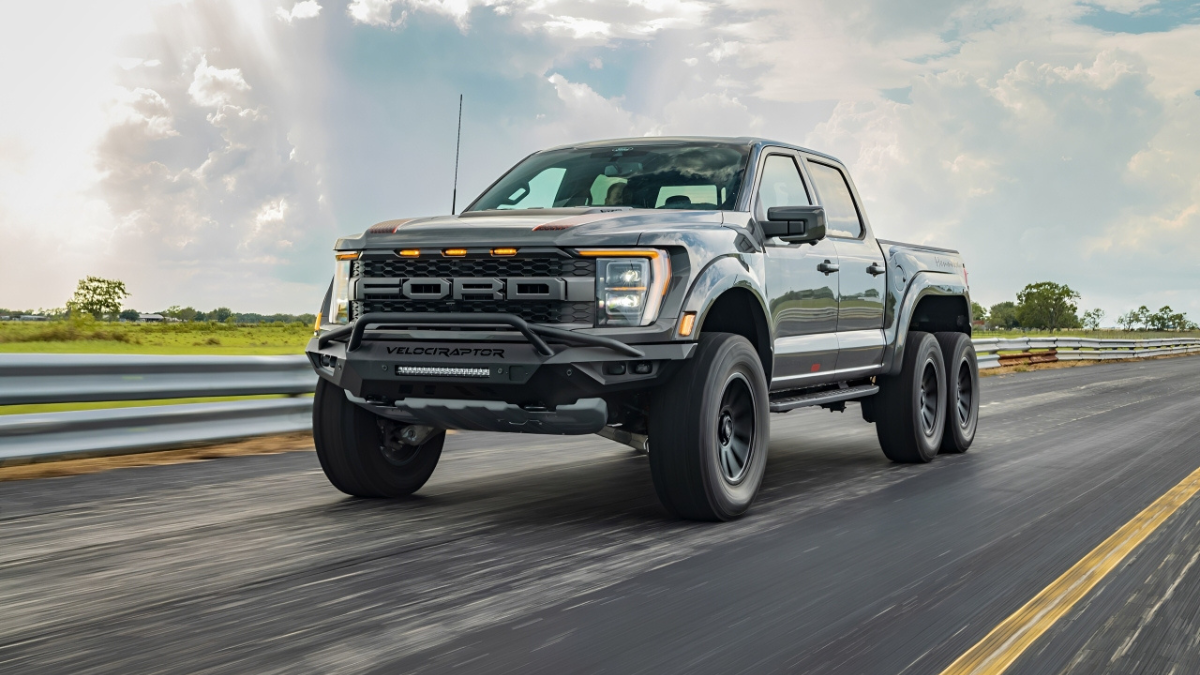
- dirty/wet gear can stay out of the cabin,
- bulkier items (firewood, muddy bins) are easier,
- and there’s more flexibility if camping “light” turns into “more gear.”
If camping often involves muddy boots, wet tents, or firewood, the pickup starts to make more sense. If camping is mostly coolers and duffels, the SUV stays simpler.
Parking lots and visibility: a practical stress factor
Daily driving is full of low-speed environments:
- shopping lots,
- tight garages,
- school zones.
IIHS research has highlighted how blind zones are associated with pedestrian crash risk during turns. The takeaway is not “avoid trucks.” It is that larger vehicles can create more visibility challenges, making careful fit and visibility features more important.
For a “350‑day vehicle,” stress often comes from the places where speed is low and distractions are high—not from the highway.
What changed to watch in 2026
Two 2026 realities matter for this choice:
- Total cost awareness: AAA’s updated ownership-cost figures keep reinforcing that depreciation and insurance are major components—often larger than fuel alone.
- Accessory inflation: bed covers, storage systems, and racks can quickly change the true cost of “light camping readiness.”
The right move is to choose a vehicle that needs the fewest add-ons for daily life, then add only what the camping weekends truly require.
What this means in the U.S.
For most U.S. households, “light camping” is a handful of weekends per year, while daily driving is constant. In that pattern:
- a compact SUV tends to be the lowest-friction choice for the majority of days,
- a pickup tends to be the better tool when hauling is routine enough that the bed is used weekly and the extra systems (cover, bins, straps) are worth it.
What you can do: the 10-minute “350‑day” checklist
Use this quick filter before comparing models:
1) Count bed-days: is the bed used weekly or monthly?
2) Write the daily list: garage parking, school zones, errands, weather.
3) Run the camping kit test: cooler + duffels + chairs; does it fit without folding seats or buying racks?
4) Price the add-ons: tonneau/bed cover, bins, straps, roof box if needed.
5) Use AAA as a baseline: compact SUV vs midsize pickup cost-per-mile to keep the math honest.
Bottom line
For light camping weekends, a small SUV usually proves easier to live with the other 350 days because it keeps cargo enclosed, errands simple, and parking less stressful. AAA’s all‑in cost figures also tend to favor compact SUVs over pickups on a per‑mile basis.
A pickup makes more sense when the bed is used often enough that it replaces real workarounds—hauling, messy gear, or home projects—so the daily “bed systems” feel like normal life, not extra steps.