
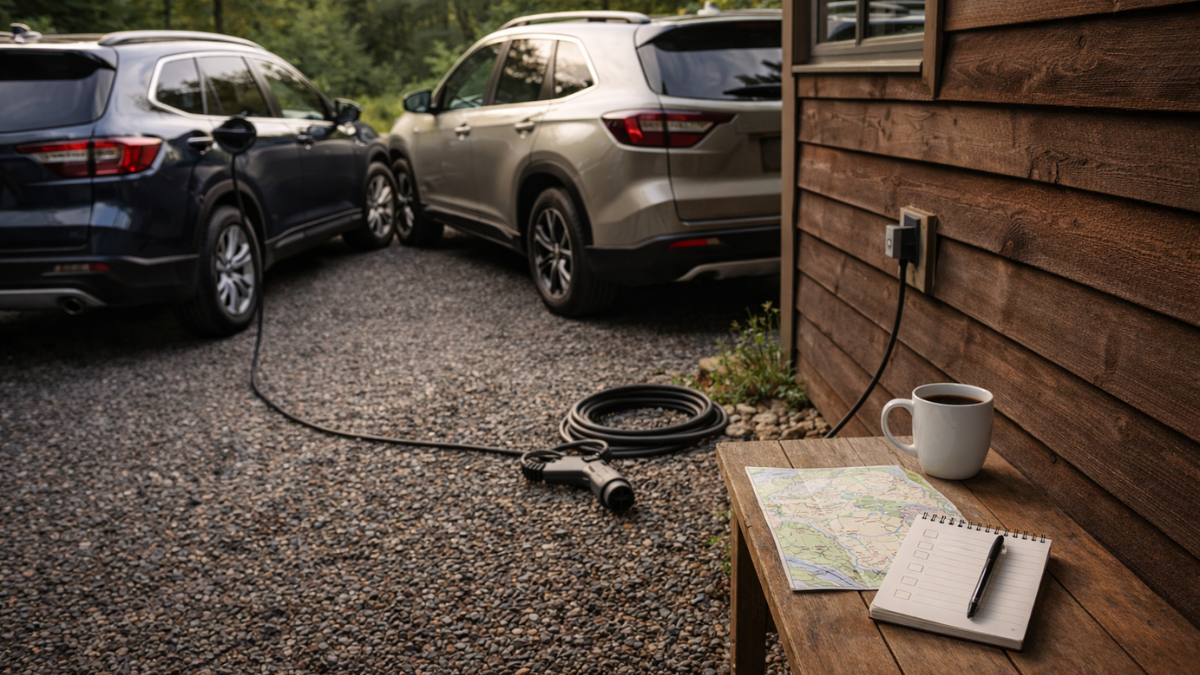
According to the U.S. Department of Energy’s Alternative Fuels Data Center, a plug‑in hybrid (PHEV) typically runs on electric power until the battery is nearly depleted, then automatically switches to its gasoline engine—so the weekend still works even if charging is unavailable. The U.S. EPA adds an important nuance: some PHEVs stay mostly electric until the battery is nearly empty, while “blended mode” PHEVs use gasoline and electricity together even with charge remaining. And because charging cost is part of the math, EIA’s retail electricity data show the average U.S. residential revenue was 17.24¢/kWh in December 2025. Put together, the 2026 question becomes practical: on a two‑day getaway, does having a place to plug in meaningfully lower total energy cost—or does a regular hybrid deliver nearly the same “low-drama” weekend without the charging layer?
Quick takeaways
- Charging can flip the math only if you actually use it. A PHEV can run electric-first then switch to gasoline (DOE AFDC), but the savings depend on how many miles you cover on grid electricity.
- Use a simple rule: if you can plug in overnight, many two‑day getaways let a PHEV run a meaningful share of miles on electricity; without charging, a PHEV behaves much closer to a regular hybrid.
- Electricity cost isn’t “free.” EIA’s December 2025 average residential revenue is 17.24¢/kWh, and rates vary by state and plan.
- Cold weekends compress everyone’s advantage. DOE says hybrid fuel economy can drop 20%–40% in city driving and 25%–45% on short trips in cold conditions—exactly the pattern many winter weekends create.
- Best decision method: compute the weekend’s “electric miles” and price them at /kWh, then compareto yourhybrid’s/ mile on gasoline.
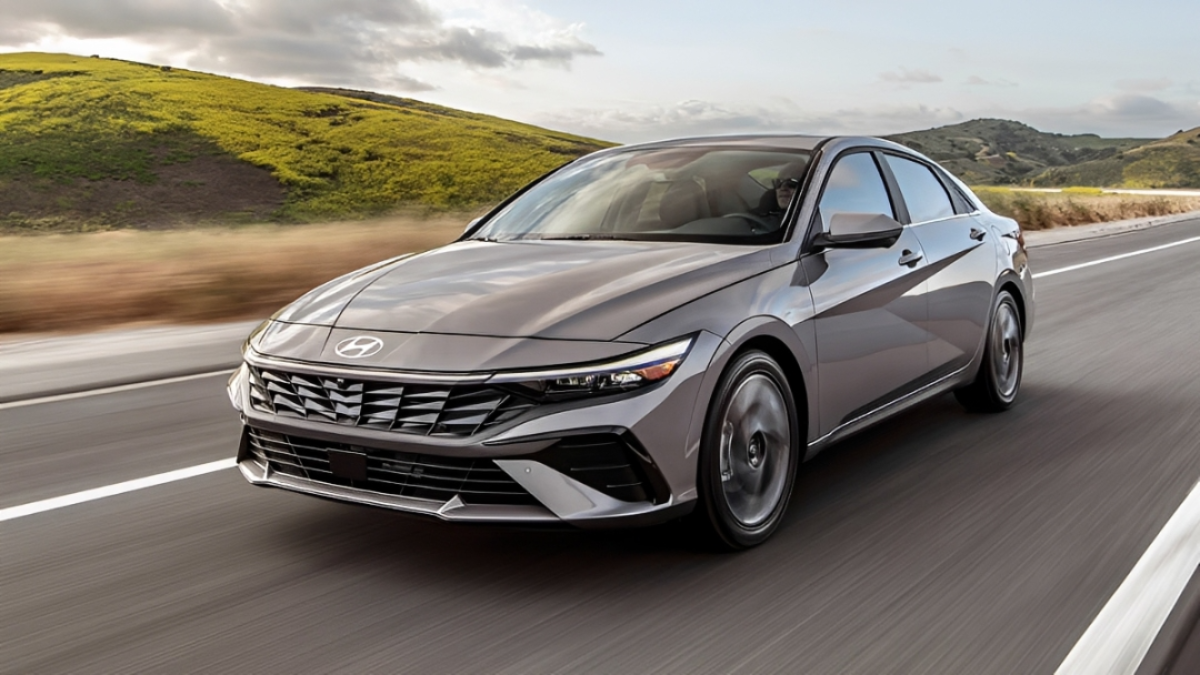
Step 1: What changes between a PHEV and a regular hybrid on a 2‑day trip
A regular hybrid is simple: it uses gasoline, with the hybrid system improving efficiency versus a similar non-hybrid.
A PHEV adds a second “fuel”:
- electricity from the grid, if you plug in, and
- gasoline for the rest of the trip.
DOE’s AFDC explains the core behavior: the vehicle typically runs on electricity until the battery is nearly depleted, then switches to gasoline. EPA’s description adds a key caveat: some PHEVs use a blended strategy and may burn some gasoline even before the battery is empty.
Weekend meaning:
- If you can charge reliably, you might buy lower gasoline use.
- If you can’t, you mostly buy “hybrid behavior plus extra battery weight.”
Step 2: The simplest math that’s honest and portable
You do not need exact model specs to price the decision. You need three trip numbers:
- Total miles for the weekend (round trip + local errands)
- EV miles you can realistically cover (based on charging access)
- Energy prices (your /kWhand/gal)
Then price each vehicle type:
PHEV weekend energy cost
PHEV cost ≈ (EV miles × kWh/mi × /kWh)+(gasmiles÷mpg×/gal)
Regular hybrid weekend energy cost
Hybrid cost ≈ (total miles ÷ mpg × $/gal)
For
/kWh,EIA’sretailelectricitydataprovideanationalreferencepoint: 17.24¢/kWh(residential,Dec2025)
For /gal, use what you actually see on your route (or plug in a conservative estimate).
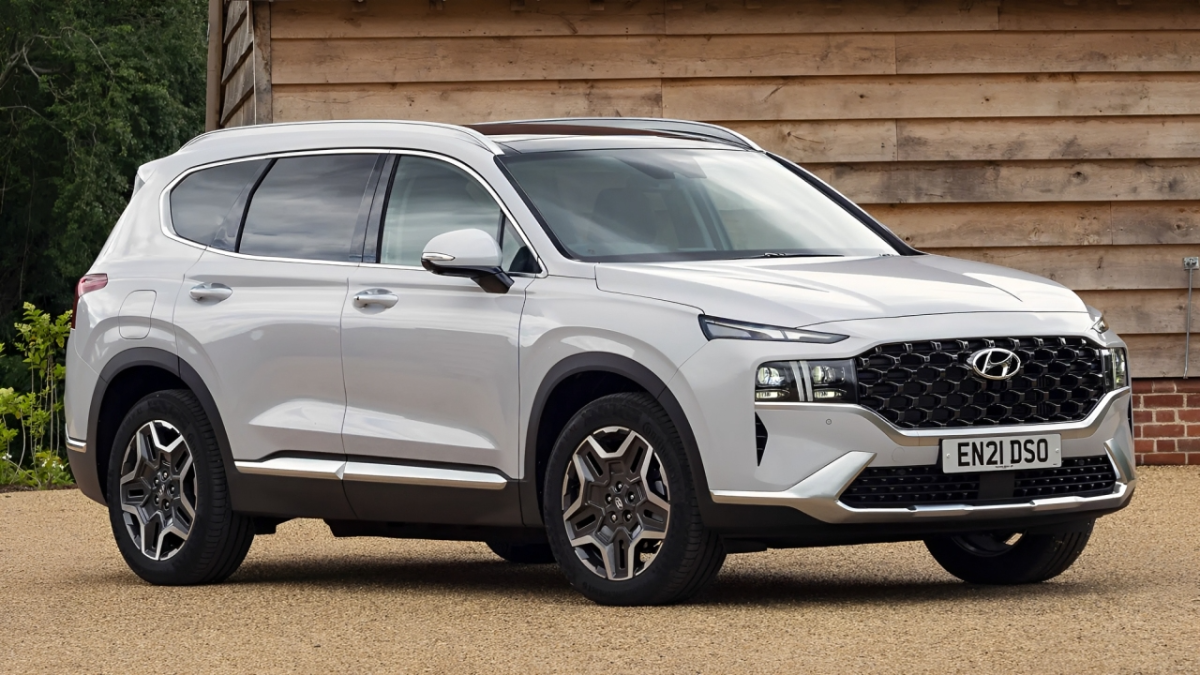
Step 3: When charging flips the weekend (and when it doesn’t)
Charging flips it when…
1) You can plug in overnight.
A single overnight charge can “refill” the electric portion for day-two errands and the return leg (even if you don’t start the weekend fully charged).
2) The trip has lots of local miles.
Two-day getaways often include short hops (groceries, trailheads, town). Those are the easiest miles to convert into electric miles if charging is available at the lodging.
3) You treat charging as routine, not a project.
The lowest-stress PHEV weekend is one where charging is a bonus built into your parking spot, not a detour.
Charging usually doesn’t flip it when…
1) You cannot charge where you sleep.
Without a reliable plug-in point, the PHEV’s “electric share” may be smaller than expected.
2) The weekend is mostly steady high-speed highway.
At sustained highway speeds, the trip may be dominated by gasoline miles and the electric portion may be consumed early (model-dependent).
3) You’re in cold weather with short hops.
DOE notes cold conditions can cut hybrid efficiency substantially on short trips, and cold weather also increases energy demand for cabin heat. Cold weekends are where you plan with buffer and avoid expecting best-case results.
Step 4: The “real-world behavior” warning that matters in 2026
A PHEV’s promise depends on how often it’s charged.
The ICCT’s U.S. real-world usage research notes that many PHEVs are driven with more gasoline use than certification assumptions when charging behavior differs from test procedures, and it highlights that many newer PHEVs blend motor and engine usage more than earlier “electric-forward” designs.
Weekend takeaway: if charging is infrequent or inconvenient, the PHEV may not deliver the electricity-heavy operating pattern that makes the cost math compelling.
What this means in the U.S.
In the U.S., two-day getaways commonly look like:
- one highway approach (often 70–80 mph),
- plus multiple short local trips,
- plus variable access to an outlet at the destination.
That pattern rewards PHEVs only when the lodging makes charging easy. If the destination is a rental with unclear outlet access, a regular hybrid can be the lower-drama choice with almost all of the efficiency benefit you’ll actually use.
What you can do: the 10-minute “charging changes the math” checklist
- Estimate weekend miles (round trip + local).
- Confirm overnight charging (garage outlet, exterior outlet, or reliable destination charger).
- Estimate EV miles realistically (don’t assume 100% electric if your PHEV is blended-mode).
- Use your electricity price. If unknown, start with EIA’s national residential reference (17.24¢/kWh, Dec 2025).
- Run the two formulas (PHEV vs hybrid).
- Add a stress value: if charging requires detours or waiting, treat that as a cost and reduce EV miles in your assumption.
- Cold-weekend buffer: if it’s winter, assume less efficiency for both types per DOE cold-weather guidance.
Bottom line
For a two‑day getaway, charging can change the math—sometimes a lot—when you can plug in where you sleep and convert a meaningful share of local miles into electric miles. Without that overnight charging, a PHEV often behaves much closer to a regular hybrid, and the cost advantage narrows.
The cleanest rule is simple: No reliable overnight plug, no guaranteed savings. With an overnight plug and realistic assumptions about blended-mode behavior, a PHEV can reduce gasoline burn and make the weekend cheaper to “fuel,” using electricity priced per kWh.