
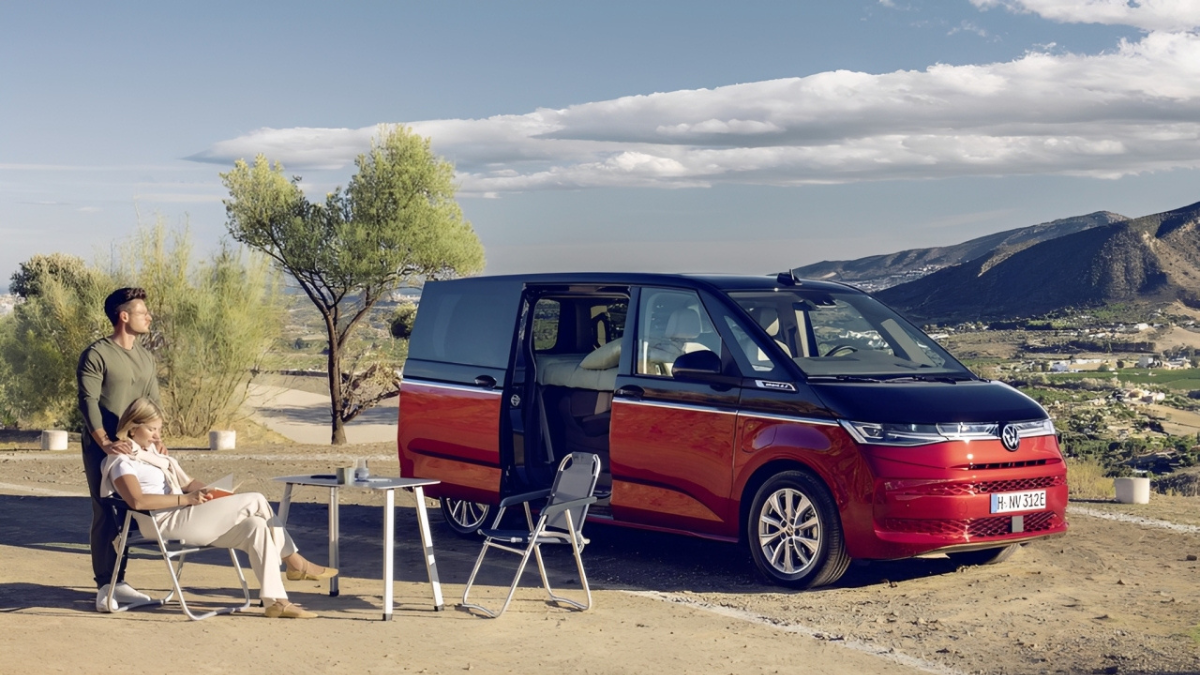
According to Consumer Reports’ minivan buying guidance, minivans are purpose-built for families because they prioritize access, sliding doors, and usable interior space—exactly the friction points that cause stress on weekend trips. AAA’s Your Driving Costs analysis also shows why “bigger” decisions should be priced as a system: all‑in cost-per-mile varies by category, and a larger vehicle can be more expensive unless it replaces real workarounds. The practical 2026 question is not “minivan or SUV identity.” It’s when the minivan becomes the lower-drama choice—for loading, car seats, third-row access, and the messy stop cycle that defines family weekends.
Quick takeaways
- Minivan starts making sense when the “stop cycle” dominates: repeated in/out, car seats, wet gear, groceries, and tight lots. Sliding doors reduce parking-lot friction and ding anxiety (Consumer Reports minivan guidance).
- It also starts making sense when the third row is used often. Many 3-row SUVs sacrifice cargo with the third row up; minivans typically keep more usable space and a lower load floor.
- If grandparents ride often, minivans reduce entry/exit stress. Consumer Reports’ access guidance highlights ease of getting in and out as a real-world advantage.
- If you keep buying workarounds (roof box, hitch basket, second-car convoys), a minivan can be the cheaper system—even if the SUV looks like the “premium” choice.
- Best decision method: run a 15-minute “family weekend test” with your real child-seat and cargo setup.
The moment it flips: when weekends feel like logistics
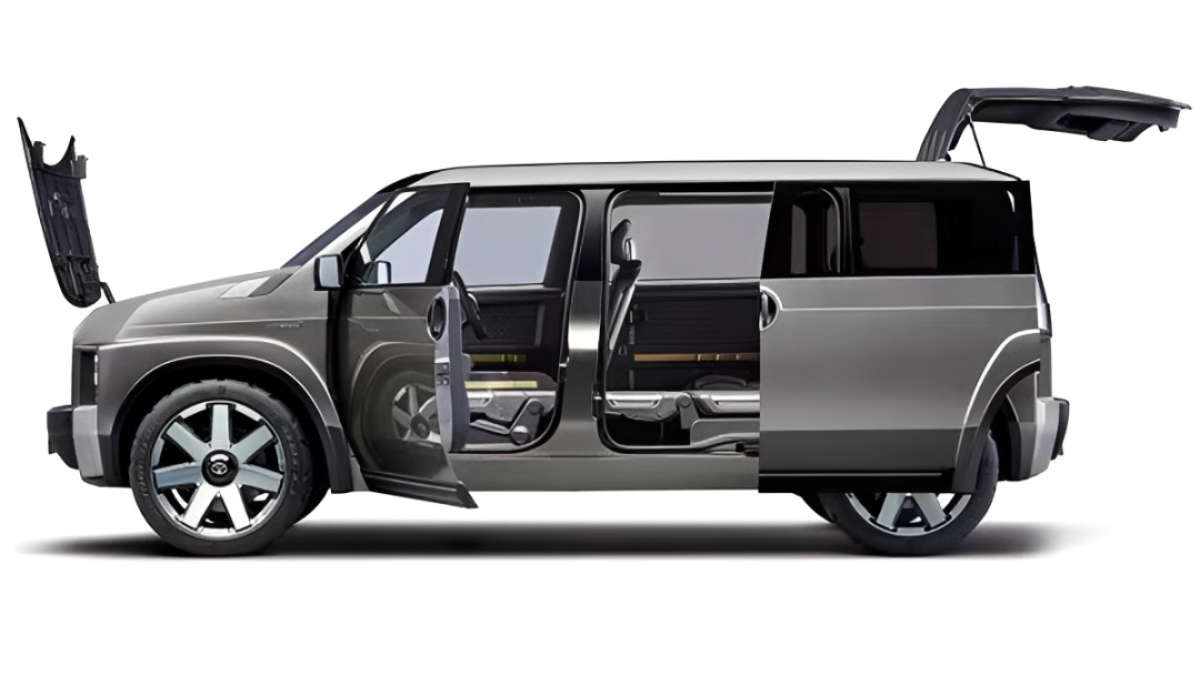
A lot of families don’t “choose” a minivan. They arrive there after enough weekends feel like a project.
That flip point usually looks like one of these:
- The third row is used and bags migrate into the cabin.
- Car-seat buckling in a tight lot feels like a workout.
- Grandparents avoid riding because entry is awkward.
- You start planning around parking spaces instead of the trip itself.
When two or three of those become normal, the minivan begins to make more sense because it reduces friction at the exact points where stress repeats.
The core difference: doors and access (why sliding doors matter)
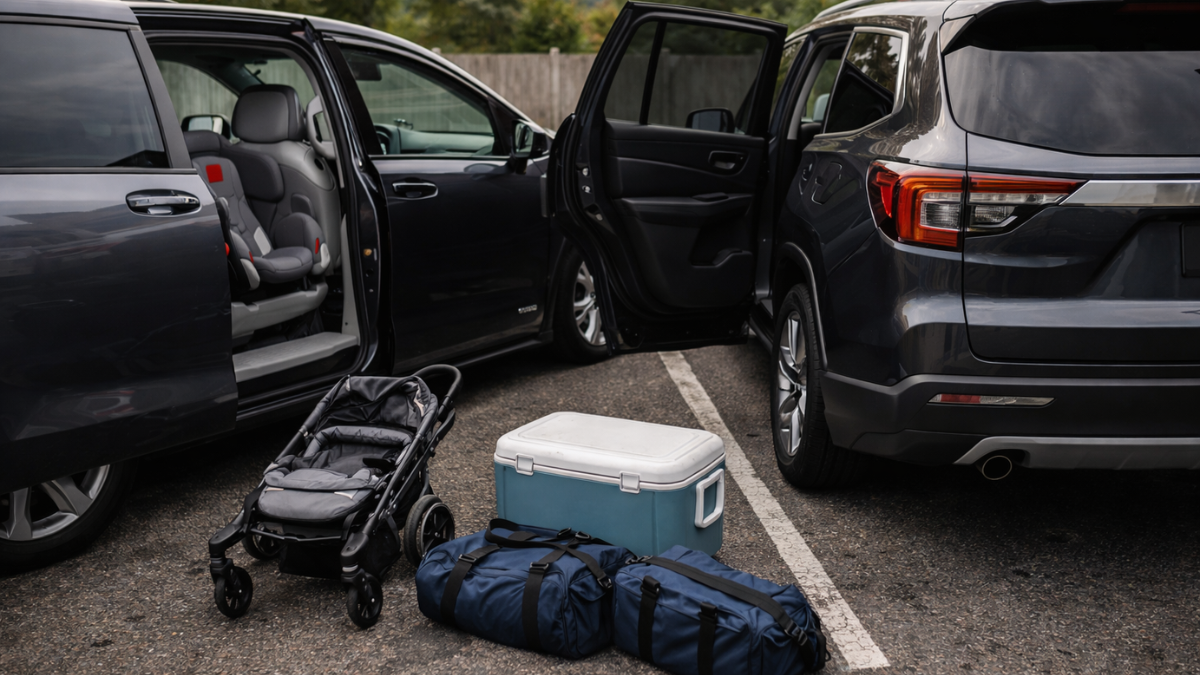
Three-row SUVs can be roomy inside and still be stressful outside—because family travel happens in narrow spaces:
- parking garages,
- crowded lots,
- curbside drop-offs.
Sliding doors are a practical advantage because they:
- open without needing a wide swing arc,
- make car-seat buckling easier in tight spots,
- and reduce the risk of door dings.
Consumer Reports’ minivan guidance consistently frames minivans as the family tool that solves access and usability first.
Third row reality: “seats up” cargo decides the weekend
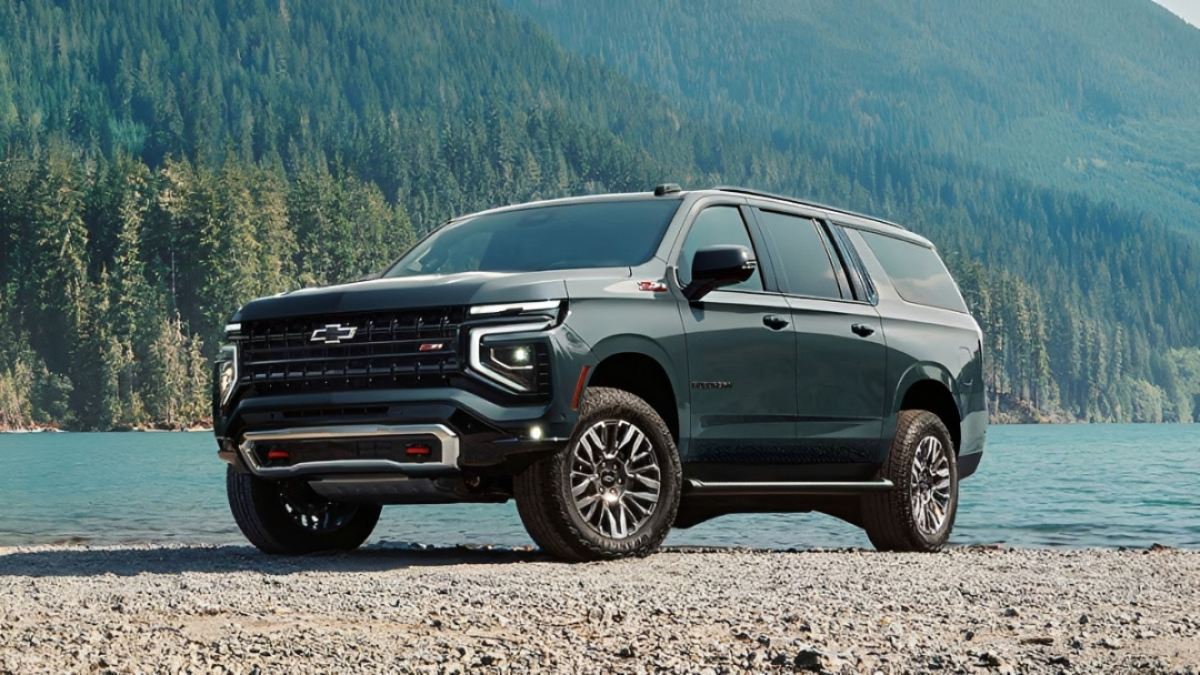
Many families buy a 3-row SUV for “just in case” seating, then realize the real problem is what happens when that third row is actually up:
- the cargo area shrinks,
- strollers and coolers get awkward,
- and bags move into footwells.
Minivans usually have a lower load floor and a more rectangular cargo space, which is why they tend to feel “bigger” in day-to-day use than a similarly sized SUV.
This is where the weekend math changes:
- If the third row is used often, the minivan’s packaging can prevent the two biggest stressors: cabin spillover and constant seat-folding decisions.
Mixed-age trips: why grandparents accelerate the decision
When grandparents join the weekend, the trip has a different set of needs:
- easy step-in height,
- a clear aisle,
- and seats that don’t require climbing or ducking.
Consumer Reports’ guidance on vehicles that are easiest to get in and out of is relevant here: access is not a luxury feature; it’s a fatigue reducer over a long day.
If older adults ride often, a minivan’s entry/exit and door access can matter more than SUV ride height.
The “workaround tax”: when the SUV starts costing more in practice
A 3-row SUV can still be the right answer—especially with AWD and higher ground clearance. But many families end up paying a workaround tax:
- roof box or roof basket for luggage,
- hitch basket for coolers,
- or a second vehicle for gear-heavy weekends.
Workarounds have direct costs (buy/rent) and indirect costs (fuel drag, time, stress). Consumer Reports has found rooftop carriers reduce fuel economy, which makes “we’ll just add a roof box” a recurring cost, not a one-time hack.
If your SUV ownership includes frequent workarounds, the minivan can become the cheaper system even if the SUV was more desirable on day one.
Where the 3-row SUV still makes more sense
A minivan is not the winner for every family. A 3-row SUV can make more sense when:
- AWD + clearance are central (regular snow, steep unplowed last miles),
- you tow often (trim-dependent),
- or your daily life includes rough roads and you want the extra ground clearance.
Many families also prefer the higher seating position and styling of an SUV. Those are legitimate preferences, as long as the weekend friction costs are understood.
What this means in the U.S.
In the U.S., the minivan flip usually happens when family travel includes:
- busy parking lots and garages,
- frequent car-seat use,
- mixed-age passengers,
- and regular weekend packing.
That’s why the minivan often becomes the “least stress” choice: it solves the parts of the trip that repeat the most.
What you can do: the 15-minute “minivan vs SUV” weekend test
Do this test with your real setup:
1) Tight-lot door test (5 min): park in a narrow spot; open the rear door(s) and simulate buckling a child seat.
2) Third-row-up load test (5 min): with all seats in use, load stroller + cooler + two duffels.
3) Stop-cycle test (5 min): simulate a grocery stop: open/close, grab one bag, re-load, and keep the cabin tidy.
If the SUV fails the test without adding roof/hitch cargo, the minivan is likely the lower-stress answer.
Bottom line
A minivan starts making more sense than a 3-row SUV when the trip is defined by tight parking, car seats, frequent stops, and third-row-up cargo, because it is designed to reduce those friction points. If your family weekends routinely require workarounds—roof cargo, hitch baskets, or two-car convoys—that is often the clearest signal the minivan will be the cheaper, calmer system.
A 3-row SUV still makes sense when AWD/clearance or towing is the defining constraint. The cleanest decision is the one that removes the most recurring stress from your real weekends.