
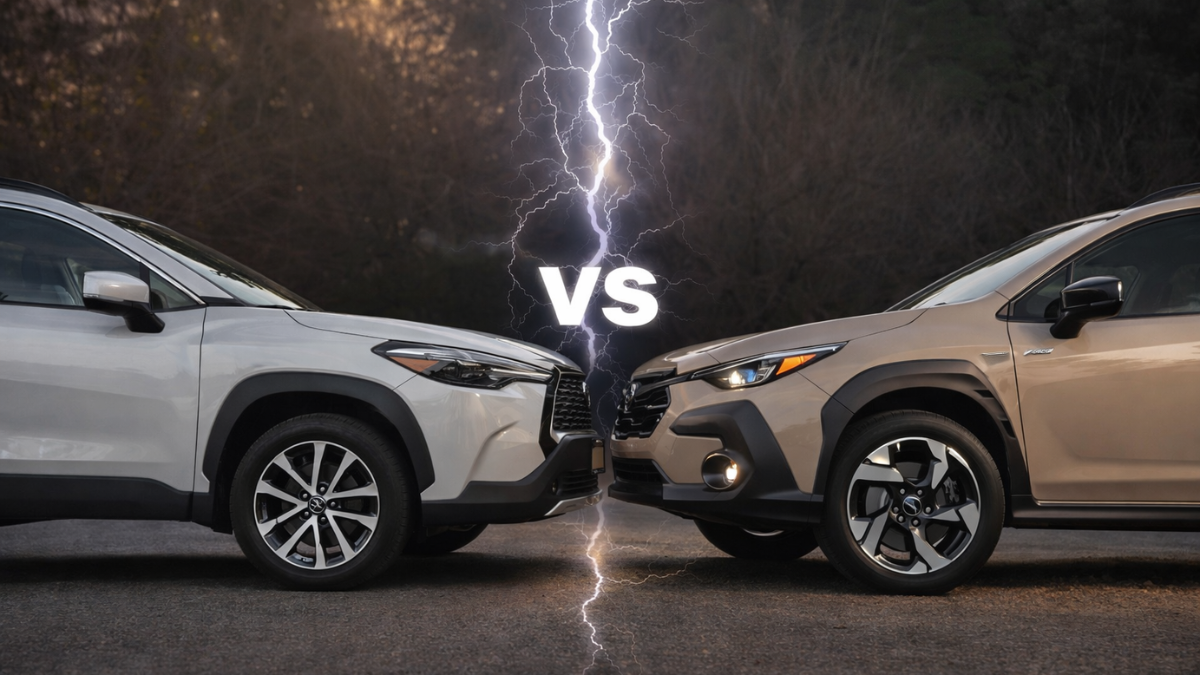
According to Toyota’s U.S. pressroom, the 2026 Corolla Cross Hybrid comes in three Hybrid grades with standard AWD, a 196 net combined-hp hybrid system, and a manufacturer-estimated 42 combined MPG rating. Subaru’s 2026 Crosstrek materials, meanwhile, list 8.7 inches of ground clearance (and 9.3 inches for Wilderness) plus 19.9 cubic feet of cargo space behind the rear seats (with 54.7 cubic feet max with the seatbacks lowered). For weekend trips, those numbers point to two different “makes more sense” stories: Corolla Cross Hybrid is the low-stop, low-fuel-stress choice, while Crosstrek is the higher-clearance, rough-road-friendly choice. This guide keeps it practical—how each one handles a two-day escape with a cooler, luggage, and weather uncertainty.
Quick takeaways
- If the trip is mostly highway: Toyota says the 2026 Corolla Cross Hybrid is rated at a manufacturer‑estimated 42 combined MPG with standard AWD, which can mean fewer fuel stops on a weekend loop.
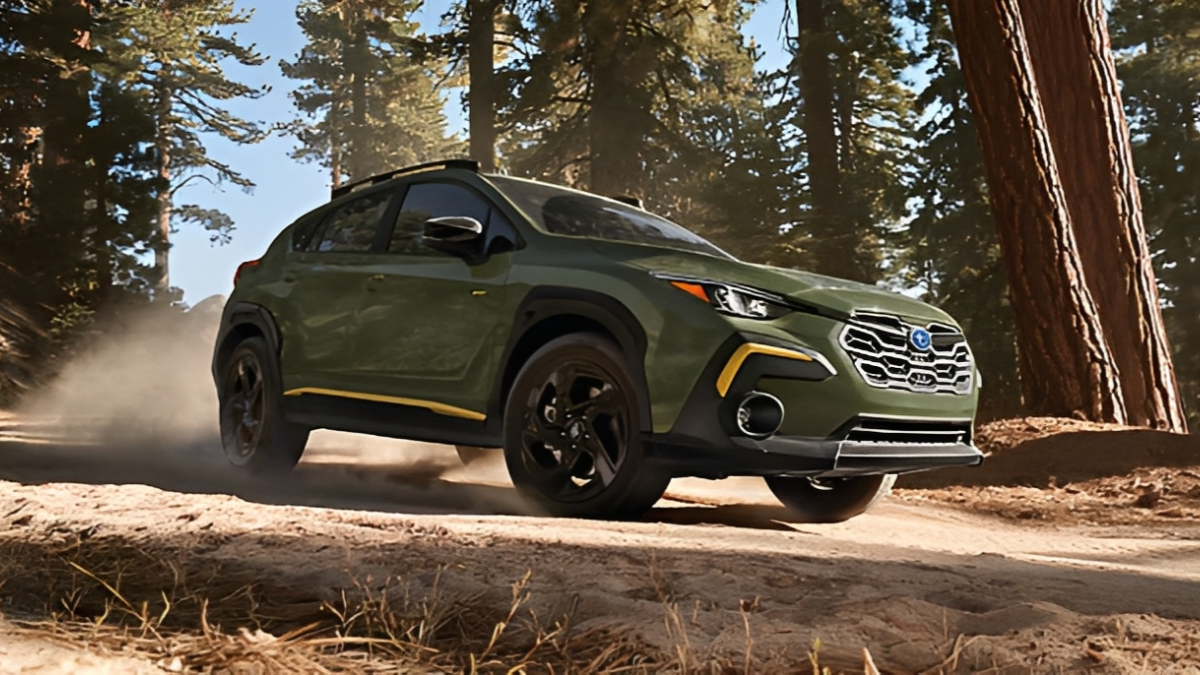
- If the trip includes rough access roads: Subaru lists 8.7 inches of ground clearance for Crosstrek models (and 9.3 inches for Wilderness), which is the “less thinking” advantage on rutted trailhead lots.
- Cargo reality check: Subaru’s brochure lists 19.9 cu ft behind the rear seats and 54.7 cu ft max (seatbacks lowered) for Crosstrek; hybrid trims list 18.6/50.6 cu ft.
- Cold mornings: Toyota notes a cold‑weather package becomes standard on certain AWD/Hybrid grades (heated steering wheel + heated front seats), which fits ski and shoulder‑season weekends.
- Best decision method: pick your weekend base case first—interstate miles vs unpaved access—then test the driving position and phone/assist behavior.
The weekend-trip lens (what matters more than “SUV vs SUV”)
Most two-day trips have the same friction points:
- a long drive in one shot,
- a parking lot with bags in both hands,
- and at least one variable (rain, snow, gravel, or a packed trailhead).
That’s why this comparison works best as two use-cases:
1) The “1,000-mile year” weekend driver (efficiency + low-stress cruising)
2) The “trailhead and weather” weekend driver (clearance + confidence)
What changed for 2026 (why these versions are worth comparing)
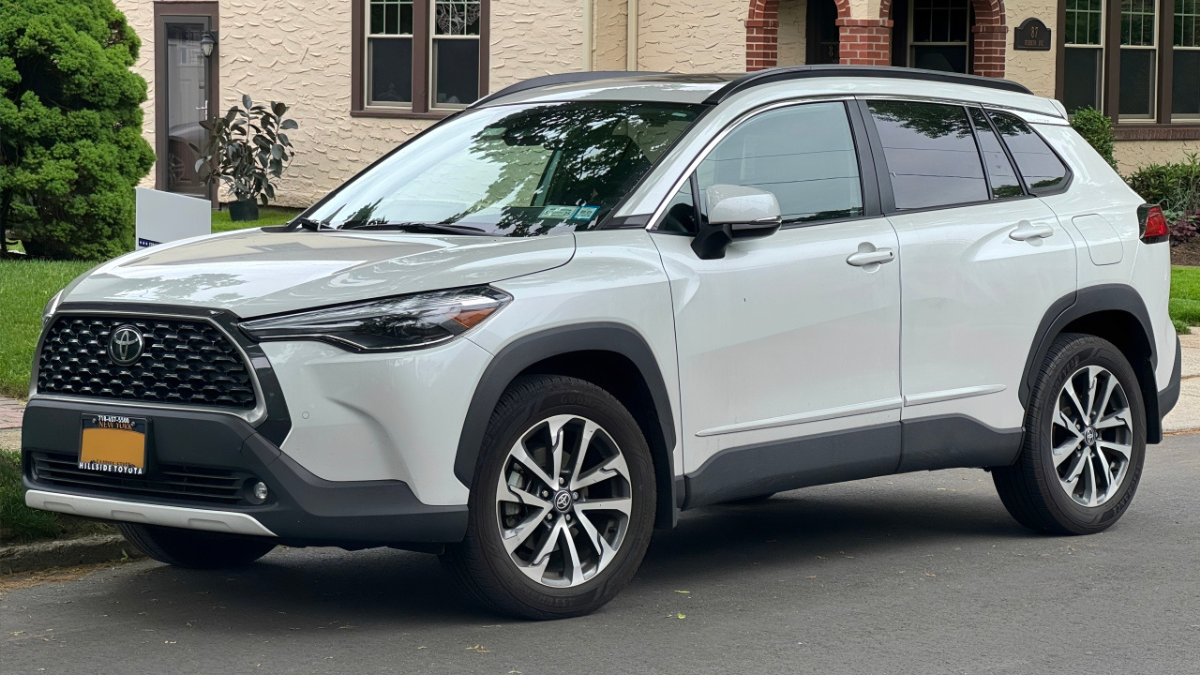
Toyota’s 2026 Corolla Cross update is not just cosmetic. Toyota says Hybrid models get a dedicated front fascia, a new center console layout, and a newly available 10.5-inch touchscreen. More importantly for travel, Toyota frames the Hybrid lineup as standard AWD, 196 net combined hp, and 42 combined MPG. It is expected to start arriving at dealerships later in the year, with pricing announced closer to launch.
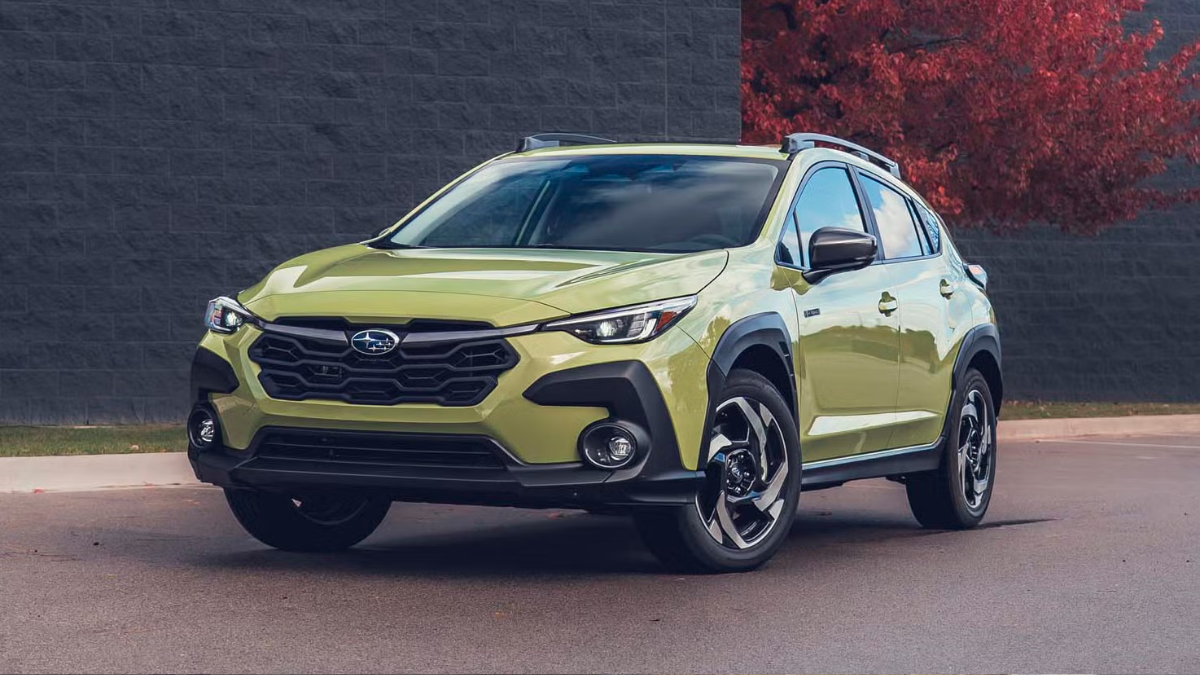
Subaru’s 2026 Crosstrek story is “capability first.” Subaru’s official materials highlight ground clearance and cargo capacity by trim and show the Wilderness as a higher-clearance variant. Independent coverage also reports Subaru’s 2026 Crosstrek lineup updates include more power and a new hybrid variant, but the weekend question remains the same: is the trip limited by fuel stops, or by the last mile to the campsite?
Fuel stress vs clearance stress: which one you actually feel
Weekend trips rarely fail because the SUV is “too small.” They fail because the driver is managing friction.
Corolla Cross Hybrid: fewer stops, less planning
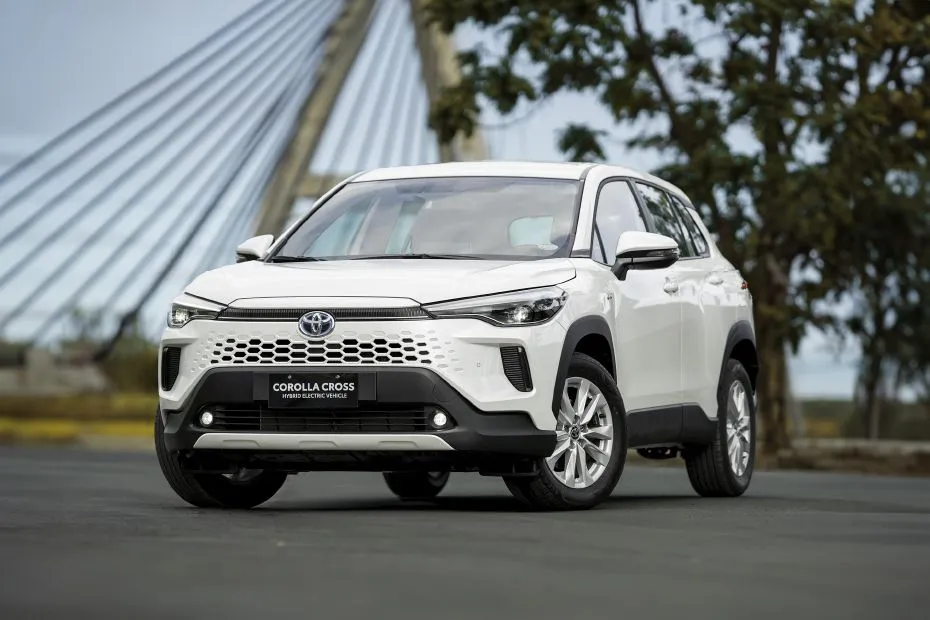
Toyota’s press release is unusually direct: 42 combined MPG across Hybrid grades, with standard AWD and 196 horsepower net combined output. For a weekend driver, that translates into a practical benefit: fewer “should we stop now or later?” decisions on the highway.
Toyota also notes a cold-weather package becomes standard on specific grades (heated steering wheel and heated front seats). That matters because discomfort compounds fatigue on long drives, even when the distance is modest.
Crosstrek: the last mile is easier
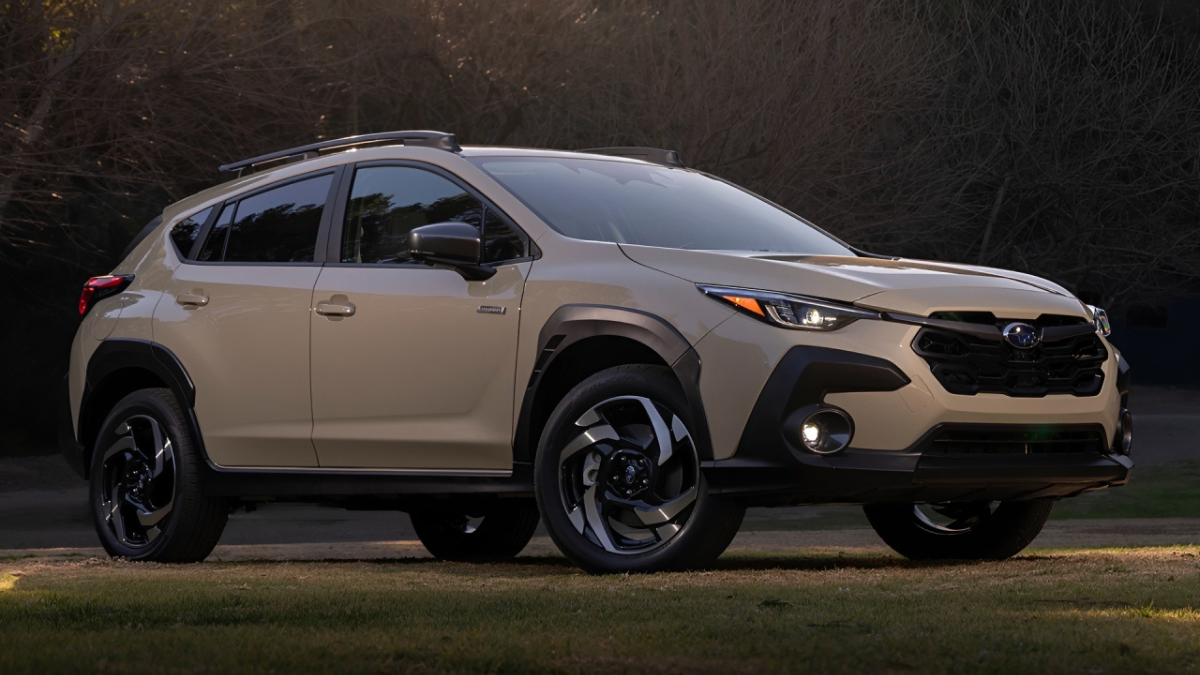
Subaru’s published specs and brochure place the Crosstrek in a different comfort zone: more ground clearance than many “city-first” crossovers, plus clear cargo numbers. When the destination is a trailhead lot, a muddy farm track, or a snow-packed side road, higher clearance is the kind of feature that reduces decision stress.
Subaru’s 2026 materials list 8.7 inches of ground clearance for most trims (and 9.3 inches for Wilderness). On weekend trips, that often matters more than a small MPG gap.
Cargo workflow: what fits without folding the second row
A two-day trip usually lives in “rear seats up” cargo space. It’s the difference between packing quickly and doing cargo Tetris.
Subaru’s 2026 Crosstrek brochure lists 19.9 cubic feet of cargo volume behind the rear seats for many trims and 54.7 cubic feet max with the rear seatbacks lowered. It also lists smaller cargo numbers for hybrid trims (18.6 behind the rear seats and 50.6 max), reflecting battery packaging.
Toyota’s Corolla Cross press materials don’t lean on a single cubic-foot headline. Instead, Toyota emphasizes usability features: 60/40 split-folding rear seats standard across grades and an available power liftgate with height adjustability to make access easier.
Weekend takeaway: if you regularly carry a hard cooler + two carry-ons, bring the cooler’s measurements and do a quick test in the lot. Subaru’s published numbers help predict what will fit; Toyota’s feature list suggests a “hands-full” convenience focus.
Cabin and tech: the part that decides hour three
A weekend car becomes “easy to live with” when:
- the seat is comfortable without constant adjustment,
- the cabin isn’t noisy at speed,
- and phone navigation connects reliably.
Toyota’s update notes the newly available 10.5-inch touchscreen and a redesigned console to maximize usable space. Subaru’s Crosstrek lineup is built around rugged practicality, and the Wilderness trim is positioned as the off-road-oriented option.
The only reliable way to choose is to test three items on the same route:
1) Highway noise with audio off and fan low
2) Driver-assist smoothness in light traffic
3) Phone pairing + navigation (connect, set route, take one call)
What this means in the U.S.
In the U.S., weekend trips often combine:
- a highway sprint at 70–80 mph,
- weather uncertainty,
- and a destination with crowded parking and uneven surfaces.
That’s why “makes more sense” is usually one of these:
- Corolla Cross Hybrid if the trip is mostly highway and the goal is fewer fuel stops, plus easy cold-weather comfort.
- Crosstrek if the destination includes rough access roads, snow, or the kind of trailhead parking that makes clearance and underbody confidence feel valuable.
What you can do: pick the right one in one checklist
Use this quick decision method:
1) Write your base trip: “Mostly interstate” or “trailhead/rough access.”
2) Pick the deal-breaker: fuel stops, clearance, or cargo seats-up.
3) Run one real packing test: cooler + two carry-ons with seats up.
4) Drive 15 minutes at speed: judge noise, seat comfort, and assist smoothness.
5) Choose the SUV that reduces your main stress.
Bottom line
Toyota’s 2026 Corolla Cross Hybrid is built around standard AWD + 42 combined MPG + 196 net combined hp, a package that can make weekend travel feel simpler by reducing fuel planning and adding cold-weather comfort features on certain grades. Subaru’s 2026 Crosstrek counters with the practical advantage that shows up at the destination: 8.7 inches of clearance (9.3 for Wilderness) and clear cargo numbers that fit real gear planning.
If the weekend is mostly highway, the Corolla Cross Hybrid often makes more sense. If the weekend ends on gravel, snow, or a rough lot, the Crosstrek is the “less hesitation” choice.