
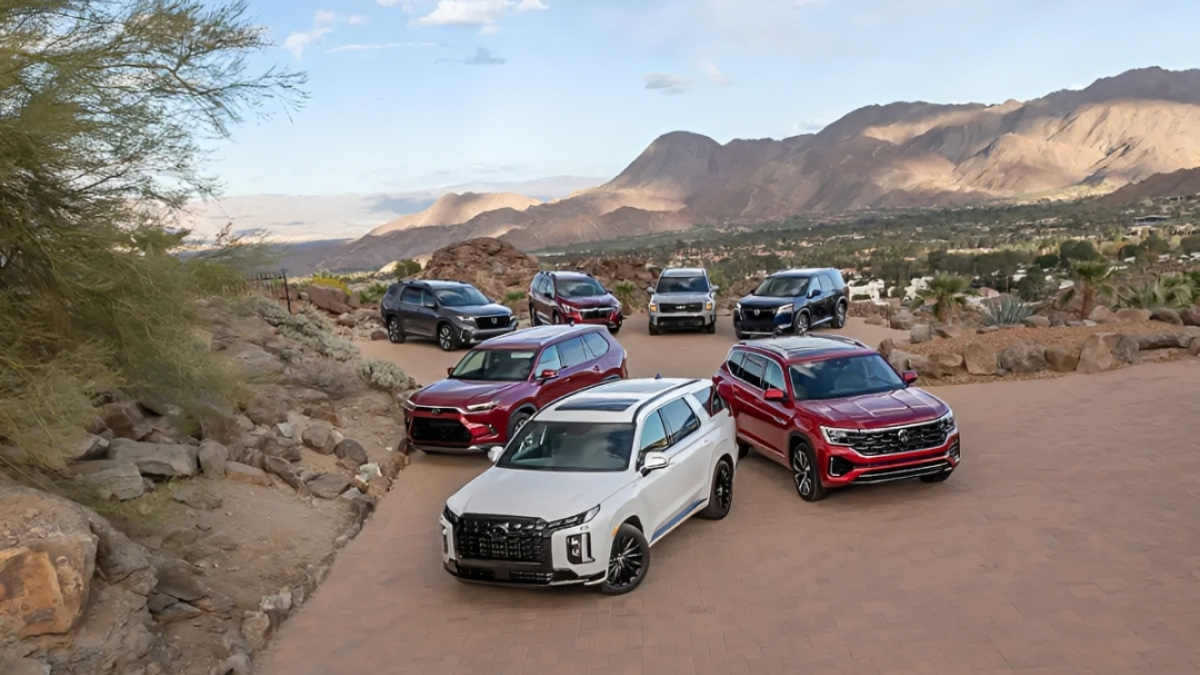
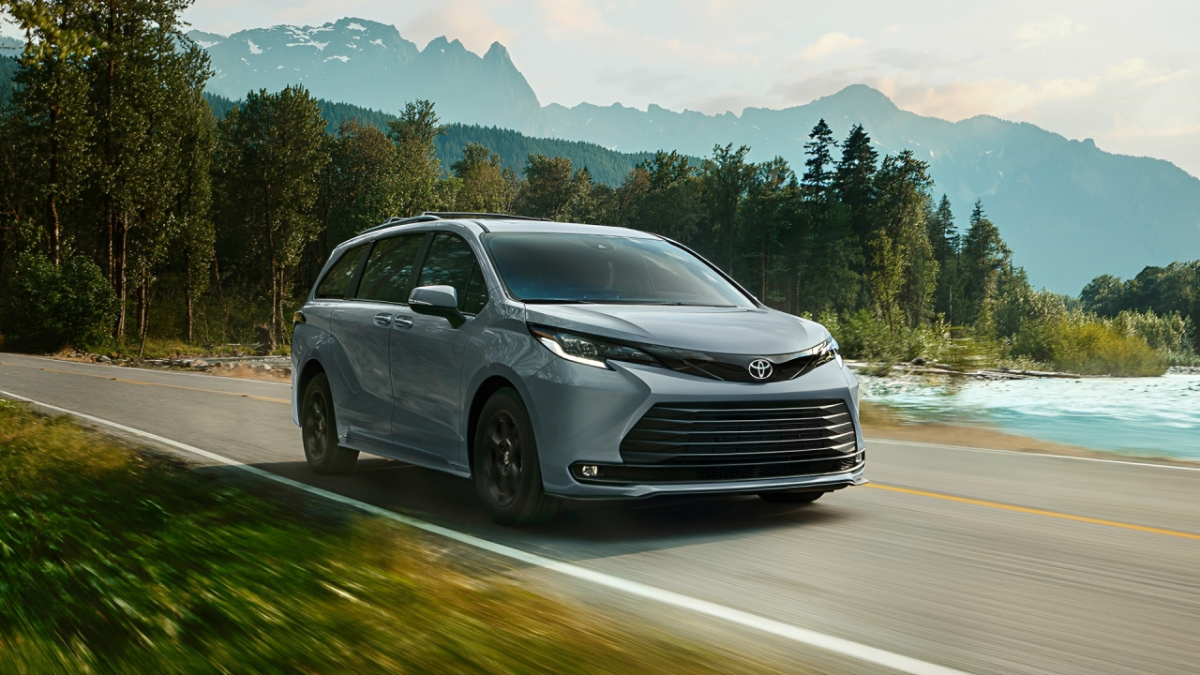
According to Toyota’s 2026 Sienna overview, Sienna is a hybrid-only minivan with an EPA-estimated combined rating up to 36 mpg, built around sliding-door convenience and family cargo flexibility. A typical three-row SUV, by contrast, trades minivan access for SUV posture and towing: Honda’s official 2026 Pilot specs list 18.6 cu ft of cargo behind the third row (depending on trim) and an EPA passenger-volume figure up to 158.4 cu ft, with the packaging shaped around ground clearance and AWD utility. For a two-night family trip, the question is not “which is cooler.” It is which gets annoying slower—at the parking lot, during snack stops, and when the third row is up and everyone is tired. This guide compares a 2026 Toyota Sienna-style minivan to a 2026 three-row SUV baseline using the friction points that usually decide weekend happiness.
Quick takeaways
- Least-annoying loading and kid logistics: a minivan like the 2026 Sienna usually wins because sliding doors reduce door-dings, make car-seat access easier, and allow tight-parking entry/exit.
- Least-annoying “third row up” cargo: many three-row SUVs start with less cargo behind the third row; for example, Honda’s 2026 Pilot specs list 18.6 cu ft behind the third row, while Car and Driver lists Sienna at about 34 cu ft behind the third row.
- Least-annoying fuel stops: Toyota lists Sienna at up to 36 mpg combined, which can reduce stop frequency on a two-night loop compared with many V6 three-row SUVs.
- Where the SUV annoys slower: towing, ground clearance, and “go anywhere” confidence can be worth the trade if the weekend includes steep driveways, snow, or a small trailer.
- Best decision method: choose based on your trip’s main friction—car seats + doors, cargo behind row three, or towing/clearance—then run a 15-minute real loading test.
What “gets annoying” on a two-night family trip
Two nights is long enough for little problems to stack:
- doors that don’t open wide enough in a tight lot,
- third-row passengers climbing past backpacks,
- cargo that has nowhere to go when the third row is up,
- and the late-night “where did that snack fall?” cleanup.
So the comparison below is built around five friction points that show up in the real world:
1) Door and car-seat workflow
2) Third-row access
3) Cargo behind the third row
4) Fuel-stop rhythm
5) Parking + “hands full” moments
1) Doors and car seats: where minivans usually “annoy slower”
Sliding doors are the minivan superpower because they remove two weekend stressors at once:
- the door-ding risk in tight lots, and
- the “can the child climb in without swinging a door into the next car” problem.
That matters most when there are:
- rear-facing car seats,
- booster seats that kids buckle themselves,
- or repeated in-and-out stops (bathroom, snacks, scenic pull-offs).
A three-row SUV can still be family-friendly, but hinged rear doors force more space negotiation—especially in hotel garages and crowded trailhead lots.
Weekend truth: the more stops you make, the more sliding doors feel like a quality-of-life upgrade.
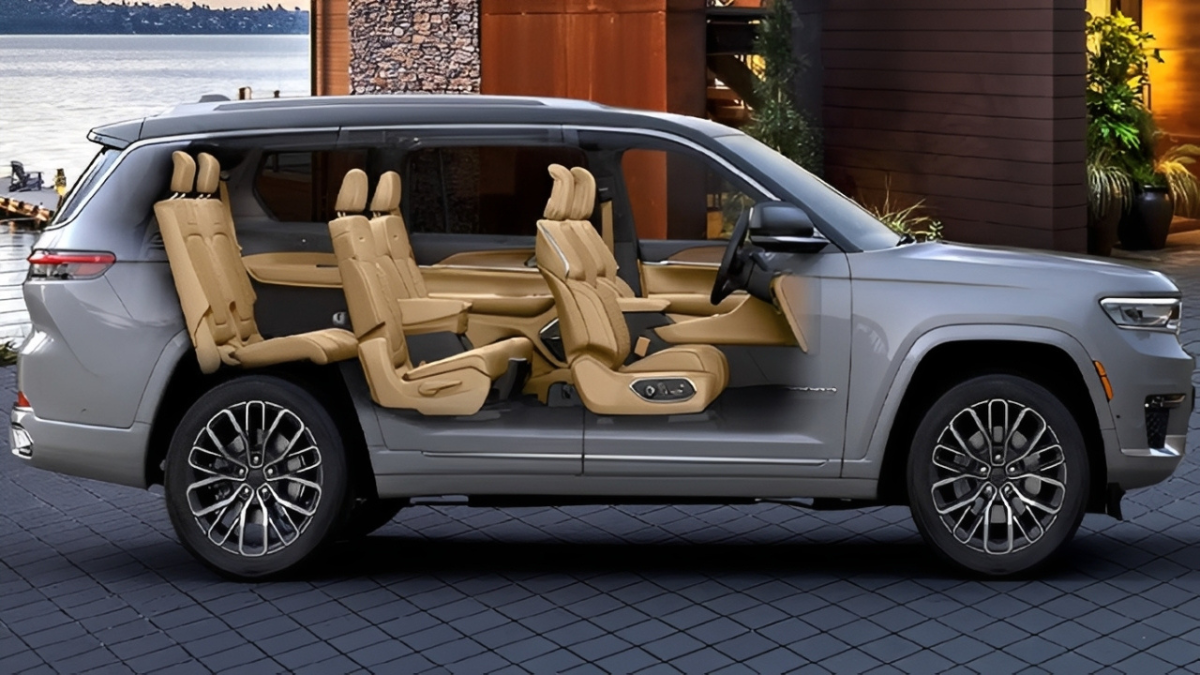
2) Third-row access: “walk-through” beats “climb-over”
On a two-night trip, the third row gets used more than people expect:
- the extra kid rides back there for the “quiet seat,”
- a grandparent joins for one leg,
- or the back becomes the spillover zone for coats and pillows.
Minivans usually deliver easier third-row access because the second-row layout is built around family movement. Three-row SUVs vary: some have great second-row slide-and-tilt designs, others feel like a climb-over.
Use a simple check:
- Can a child reach the third row without moving a car seat?
- Can an adult get back there without a shoulder twist?
- Does the third row have cupholders and usable vents?
If the answer is “not really,” the SUV tends to get annoying faster on day two.
3) Cargo behind the third row: the make-or-break for two nights
When the third row is up, cargo space determines whether the cabin stays calm or becomes a gear pile.
A clean comparison example from the sources:
- Car and Driver lists the Sienna’s cargo area behind the third row at about 34 cu ft.
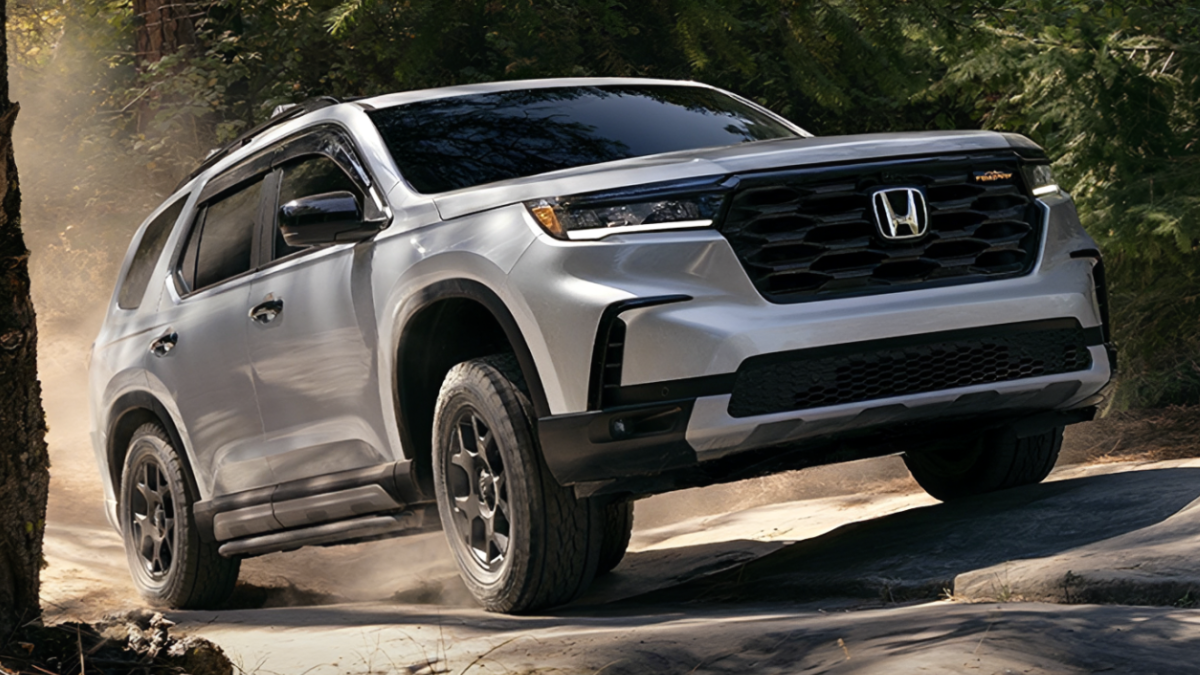
- Honda’s official 2026 Pilot specs list 18.6 cu ft behind the third row (with trim variations).
This is why minivans often “annoy slower”: you can keep bags out of the passenger area and still seat everyone.
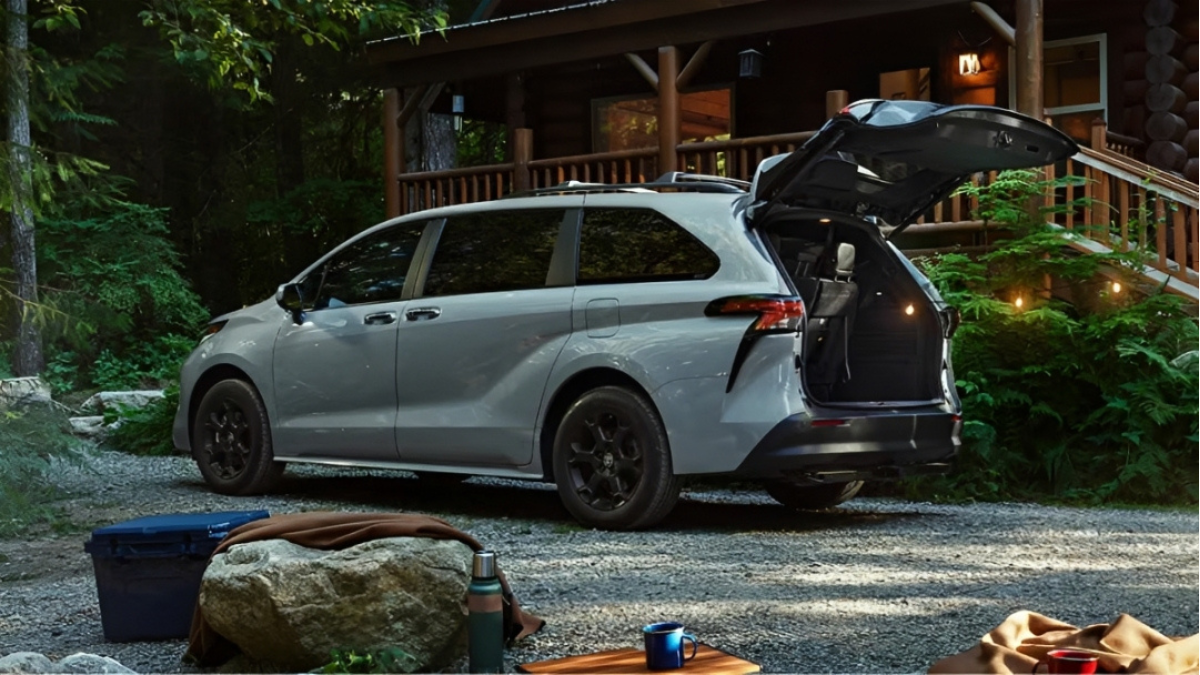
Practical two-night packing kit
- stroller (or folding wagon),
- two duffels,
- one cooler,
- and a “soft chaos bag” (snacks, jackets, wipes).
If that kit forces bags onto seats, the trip feels cramped even if the vehicle is technically “large.”
4) Fuel-stop rhythm: fewer stops often means fewer arguments
For weekends, fuel economy is less about “saving money” and more about keeping momentum.
Toyota’s Sienna page lists up to 36 mpg combined, which is a meaningful advantage for long highway legs. It can reduce stop frequency and make it easier to avoid the “panic fill-up” at the first exit near the destination.
Many three-row SUVs can still be fine on fuel, but if the SUV is a V6 AWD model, the stop rhythm can become more frequent—especially with cargo, mountain grades, or winter tires.
Weekend takeaway: if the family gets restless quickly, fewer stops is a comfort feature.
5) Parking and “hands full” moments: where annoyance is born
The most annoying moments happen when:
- everyone arrives at the hotel at once,
- the stroller needs to come out,
- and the doors can’t open fully.
Sliding doors reduce parking stress because they work in tight spaces. SUVs can feel easier to park in some contexts because the driver sits higher, but the loading/unloading friction tends to dominate in crowded lots.
A good reality check is to imagine:
- hotel garage, tight bay, rain,
- one adult holding a toddler,
- the other trying to access a rear-facing seat.
If that picture sounds miserable, the minivan is likely the “annoys slower” answer.
Where the 3-row SUV can be the smarter weekend pick
The minivan does not win every weekend. A three-row SUV can get annoying slower when the weekend includes:
Towing or heavier gear
If there’s a small camper, bikes on a hitch rack plus a cargo tray, or heavier gear, SUV tow ratings and hitch packaging can be compelling. (The 2026 Pilot, for example, is positioned as a tow-capable family SUV in Honda’s materials.)
Ground clearance and “get there” confidence
Snowy driveways, steep cabin roads, or rutted access roads can make clearance and AWD confidence feel worth the cabin trade-offs—especially if the family travels to mountains often.
If the third row is rarely used
If the trip is typically four people and the third row stays folded, the SUV’s “behind the second row” cargo can be generous—and the annoyance gap shrinks.
What changed and what to watch in 2026
Two practical 2026 notes from the sources used here:
- Sienna’s efficiency baseline: Toyota continues to market Sienna around hybrid efficiency up to 36 mpg combined, which supports the “fewer stops” argument for road-trip weekends.
- Three-row packaging remains variable: even within one SUV line, cargo behind the third row varies by trim and spare-tire packaging. Honda’s Pilot trim chart shows different max cargo figures behind the third row across trims, which is why buyers should confirm the exact configuration.
In practice, the “best” answer is often decided by whether the third row is up most of the time or only sometimes.
What this means in the U.S.
A U.S. two-night family trip often includes:
- highway cruising at 70–80 mph,
- tight parking lots,
- multiple stop cycles (snacks, bathrooms, quick attractions),
- and unpredictable weather.
In that environment:
- minivans usually annoy slower because the cabin is built for movement and gear,
- three-row SUVs usually annoy slower when the destination demands clearance/towing confidence or the third row stays folded.
What you can do: the “annoyance test” in 15 minutes
Bring one duffel and a folded stroller (or cooler) and do this on both vehicles:
1) Door test (2 minutes): open rear access in a tight space; simulate buckling a child seat.
2) Third-row test (4 minutes): access with the second row set up as you would travel (including car seats).
3) Cargo test (4 minutes): load stroller + duffel with third row up.
4) Stop rhythm test (5 minutes): quick highway segment; note noise and how calm the cabin feels.
If one setup makes the “hands full” moments easier, that’s often the one that will annoy slower on day two.
Bottom line
For a two-night family trip, a minivan like the Toyota Sienna typically gets annoying slower because it simplifies the moments that happen repeatedly: tight-parking entry, car-seat access, and third-row-up cargo. The hybrid efficiency (Toyota lists up to 36 mpg combined) also supports fewer fuel stops on longer weekend loops.
A three-row SUV can still be the better “annoys slower” choice when the weekend involves towing, higher-clearance access roads, or when the third row stays folded most of the time. But if the trip pattern is frequent stops, full passenger loads, and lots of gear, the minivan’s everyday ergonomics tend to win the weekend.