
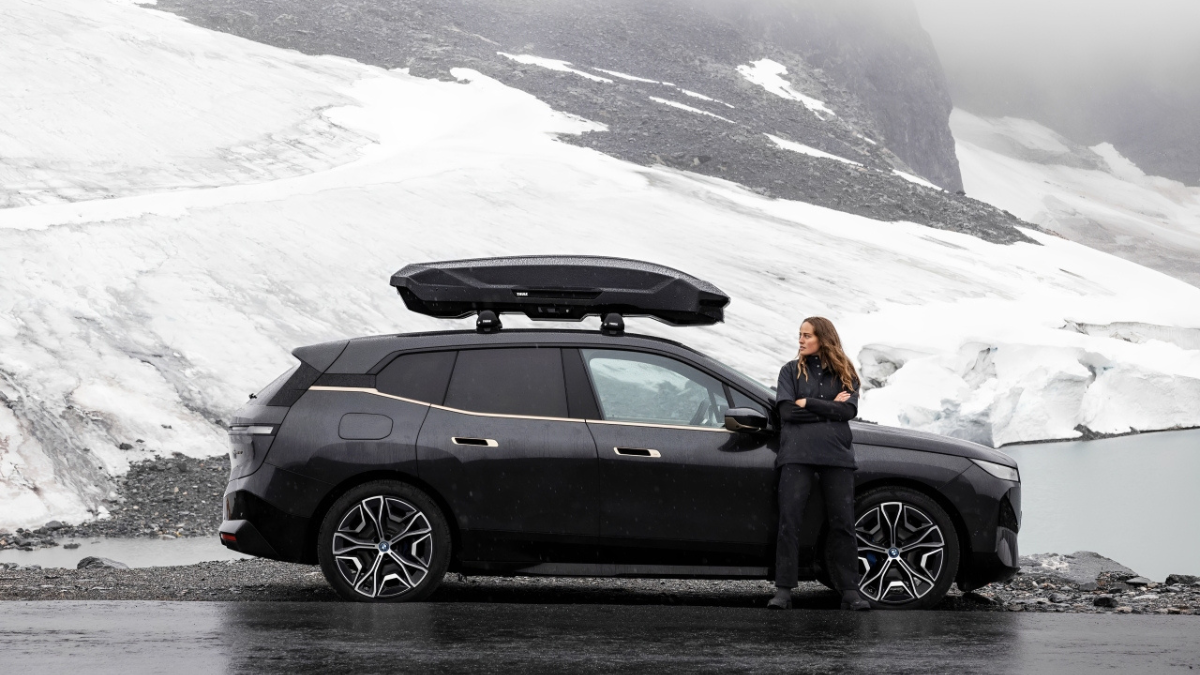
According to Car and Driver’s back‑to‑back highway test with a roof box and a hitch‑mounted carrier, the hitch setup returned 25 mpg versus 21 mpg for the rooftop box on the same vehicle and route—an immediate signal that roof‑mounted cargo usually costs more fuel at highway speed. Consumer Reports’ testing also finds rooftop carriers reduce fuel economy, even when the vehicle otherwise stays the same. And research from NREL/LBNL on roof-rack drag helps explain why: anything on the roof tends to increase aerodynamic drag in the air stream at speed. For weekend trips, the practical question is not “which is perfect,” but which storage method adds the least fuel pain once you’re cruising at 65–80 mph.
Quick takeaways
- Hitch usually hurts MPG less at highway speed: Car and Driver’s test saw 25 mpg (hitch carrier) vs 21 mpg (roof box) on the same vehicle and route.
- Roof drag is the core problem: NREL/LBNL research and related reporting describe roof racks and rooftop cargo as meaningful aerodynamic drag, especially at higher speeds.
- Load shape matters: a low, tight hitch basket can be close to “minimal penalty,” while tall rear loads (or a big rear cargo box) can still create drag.
- Roof box still wins on some weekends: if the hitch basket blocks a tailgate, exhausts ground clearance, or can’t carry wet/dirty gear safely, the “less MPG hit” choice may not be the “best trip” choice.
- Best method: decide based on highway miles + wind + load shape, then confirm with a simple “A/B tank” approach on your route.
Why roof boxes often cost more fuel

At highway speed, the main enemy is aerodynamic drag. The roof sits in fast, clean airflow, so adding a box up there increases the vehicle’s frontal area and disrupts airflow. Research from NREL/LBNL has linked roof-rack and rooftop-load drag to measurable fuel-consumption penalties, especially as speeds rise.
Consumer Reports’ testing aligns with that real-world logic: putting gear on top tends to reduce fuel economy even if the vehicle and driver behavior don’t change.
Weekend takeaway: if the plan includes lots of 70–80 mph interstate, a roof box can be one of the fastest ways to add fuel spend.
Why hitch baskets can be “less bad”
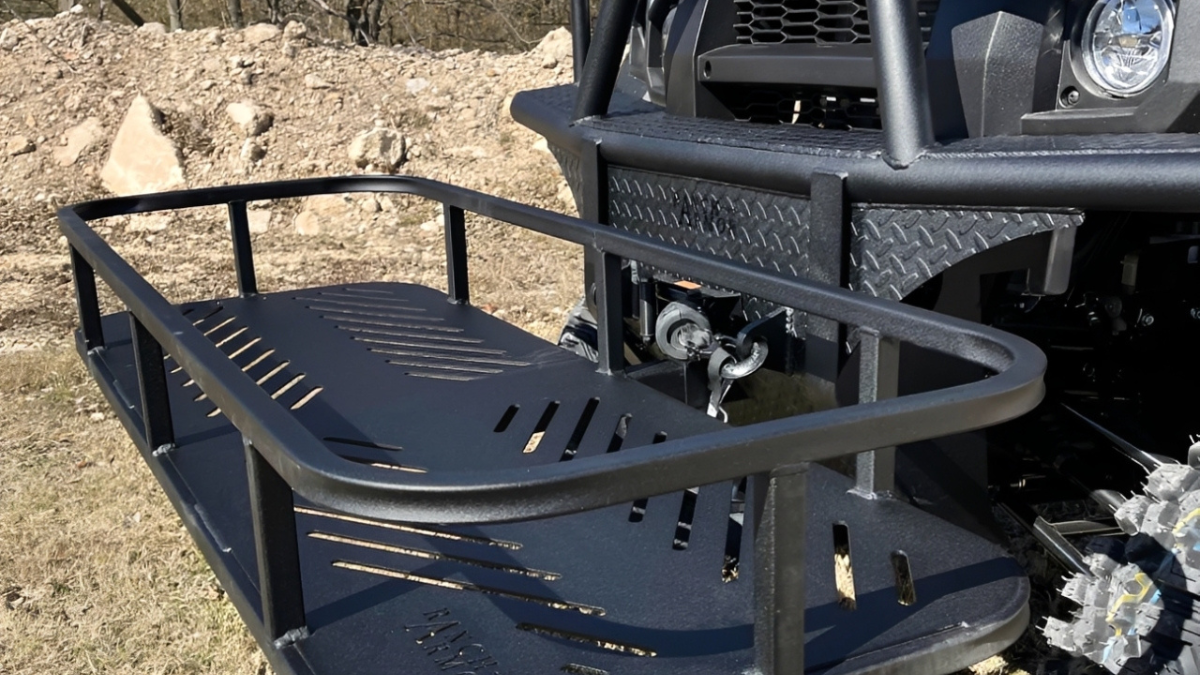
A rear hitch basket lives in the vehicle’s wake, where airflow is already turbulent. In many cases, that means it adds less drag than putting a large object on the roof.
Car and Driver’s back-to-back test makes the difference easy to see: the hitch-mounted setup delivered higher mpg than the roof box on the same route. That does not mean every hitch basket is “free.” It means it usually lives in a less punishing aerodynamic zone.
Two important caveats:
- A tall load behind the vehicle can increase drag more than a low, tight load.
- A heavy load always costs fuel because weight increases rolling resistance and the energy needed on grades.
The hidden factors that can flip the answer
A roof box is not always “worse overall,” and a hitch basket is not always “better overall.” The trip context matters.
1) Speed and wind
Drag increases quickly with speed. If most of the weekend is 55–65 mph scenic roads, the penalty difference may feel smaller than it does at 75 mph.
Headwinds also amplify drag. A rooftop box that’s “fine” on a calm day can feel expensive in a strong headwind.
2) Load shape and packing discipline
A roof box that is long, smooth, and mounted low can be less damaging than a tall, boxy roof basket stuffed above the roofline. Similarly, a hitch basket that keeps the load low and tight tends to be better than a tall rear stack.
3) Vehicle type
Higher vehicles (SUVs) already have more frontal area. Adding roof cargo can be a larger absolute drag penalty than on a low sedan, depending on the box shape and mounting height.
4) Convenience and safety tradeoffs
Some weekend realities matter more than MPG:
- A hitch basket can block tailgate access or interfere with rear sensors and cameras.
- A rear load can reduce departure angle or scrape on steep driveways and trailhead entrances.
- A roof box can be harder to load, but keeps the rear clear for tight parking.
The best “weekend” choice is the one that reduces stress, not just fuel cost.
What this means in the U.S.
U.S. weekend trips often mean:
- long interstate legs at 70–80 mph,
- variable winds,
- and a full cargo load.
In that environment, the evidence from a direct back-to-back test favors the hitch setup for fuel economy, and the aerodynamic explanation supports why.
If the trip is mostly highway, a hitch basket (kept low and tidy) is usually the “hurts MPG less” pick. If the trip is short, slow, or heavy on snow/rough access roads where hitch clearance is a problem, a roof box can make more sense even if MPG suffers.
What you can do (a repeatable “least MPG hit” checklist)
1) Choose the location: roof if you need rear clearance; hitch if you need lower drag.
2) Choose the shape: smooth and low beats tall and boxy, on roof or hitch.
3) Remove what you’re not using: empty racks and boxes still add drag.
4) Plan the speed: when safe and legal, slightly lower cruising speed reduces drag penalty.
5) Do a quick reality check: if you can, run a consistent route with each setup and compare displayed mpg or fuel receipts.
Bottom line
If the question is strictly “which hurts fuel economy less,” the best direct evidence in the sources used here points to the hitch-mounted carrier as the lower‑penalty option versus a roof box on a highway run.
But weekend trips are not just mpg spreadsheets. Choose the setup that keeps gear secure, keeps access practical, and fits the destination roads—then reduce the fuel hit by keeping the load low, smooth, and removed when you’re back home.