
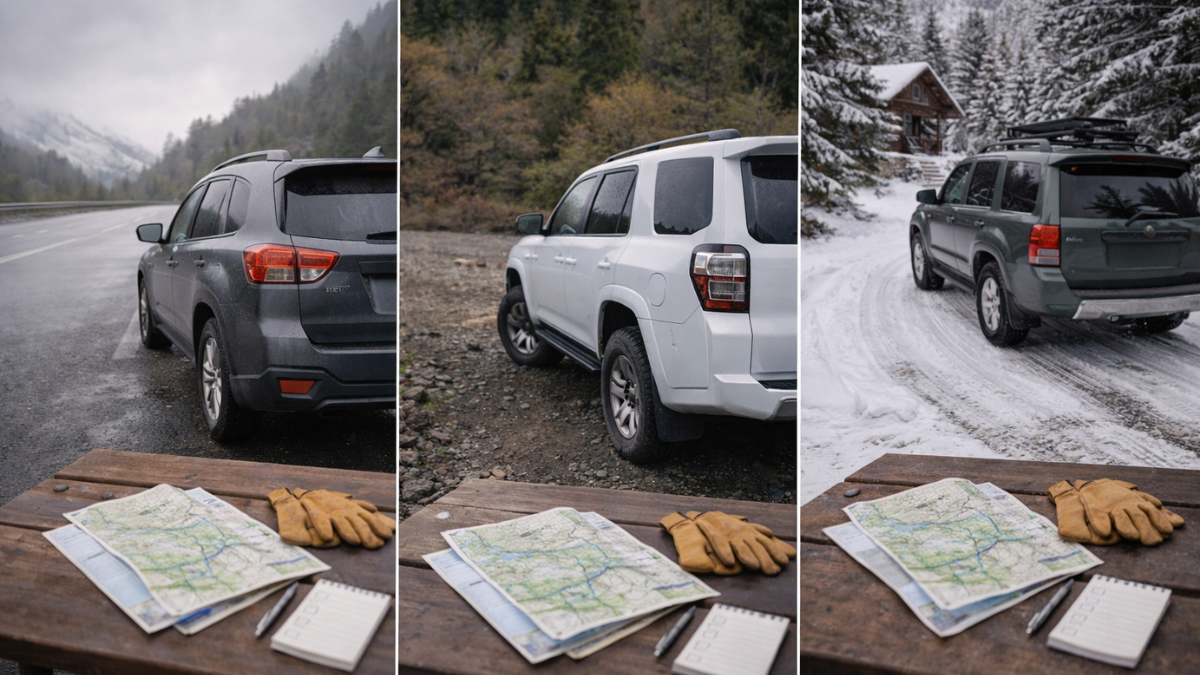
According to Subaru’s drivetrain explainer, AWD sends variable power to all four wheels as needed, while Subaru’s AWD-vs-4WD guide says 4WD typically sends a more fixed amount of power to both axles. Toyota’s support guide adds that part-time 4WD is driver-selectable, while full-time 4WD keeps both axles driving continuously. In plain English, the weekend question is not which badge sounds tougher. It is which system actually helps on wet highways, gravel roads, snow, and cabin access roads—and which setup mostly adds cost, weight, or fuel burn for trips that never use its strengths.
Quick takeaways
- AWD is usually the best “set-and-forget” answer for mixed weekend use: rain, gravel, light snow, and normal highways. Subaru describes AWD as varying torque to the wheels that need it.
- Part-time 4WD / 4×4 makes more sense when the trip genuinely includes loose, slippery, or rough surfaces. Jeep says prolonged use of part-time 4×4 High is recommended only on wet, loose, or slippery surfaces. Toyota similarly says part-time 4WD lets the driver choose between 2WD and 4WD.
- Full-time 4WD is closer to an always-on traction tool, but it is still not the same thing as generic AWD marketing. Toyota’s Land Cruiser page describes full-time 4WD as continuously powering front and rear axles.
- Tires matter more than the badge once real winter conditions arrive. Yosemite says drivers must carry chains in chain-control areas even with 4WD or rental vehicles.
- Fuel burn usually rises with more drivetrain, more weight, and more hardware, so the wrong “capability” choice can become an always-on tax. EPA/DOE fuel-economy tools are the right place to compare specific trims because drivetrain differences often show up there.
First, the simple definitions people mix up
This topic gets messy because automakers use overlapping language.
AWD usually means the system can automatically send varying power to both axles, and sometimes side to side, without the driver manually choosing 2WD or 4WD. Subaru’s explanation is the clean version: AWD sends optimal or variable power to all four wheels as needed.
4WD usually means a more traditional setup that can lock front and rear axles together or send a fixed degree of power to both axles. Subaru’s AWD-vs-4WD explainer describes AWD as variable and 4WD as more fixed in power delivery. Toyota’s support page breaks 4WD into part-time and full-time versions.
4×4 is often used as branding language for 4WD-capable vehicles. Jeep uses 4×4 as its umbrella term and then distinguishes among system types, including part-time and full-time behavior.
The key practical point: 4×4 sounds tougher than AWD, but the better weekend system depends on the trip, not the label.
Scenario 1: Highway weekend in rain
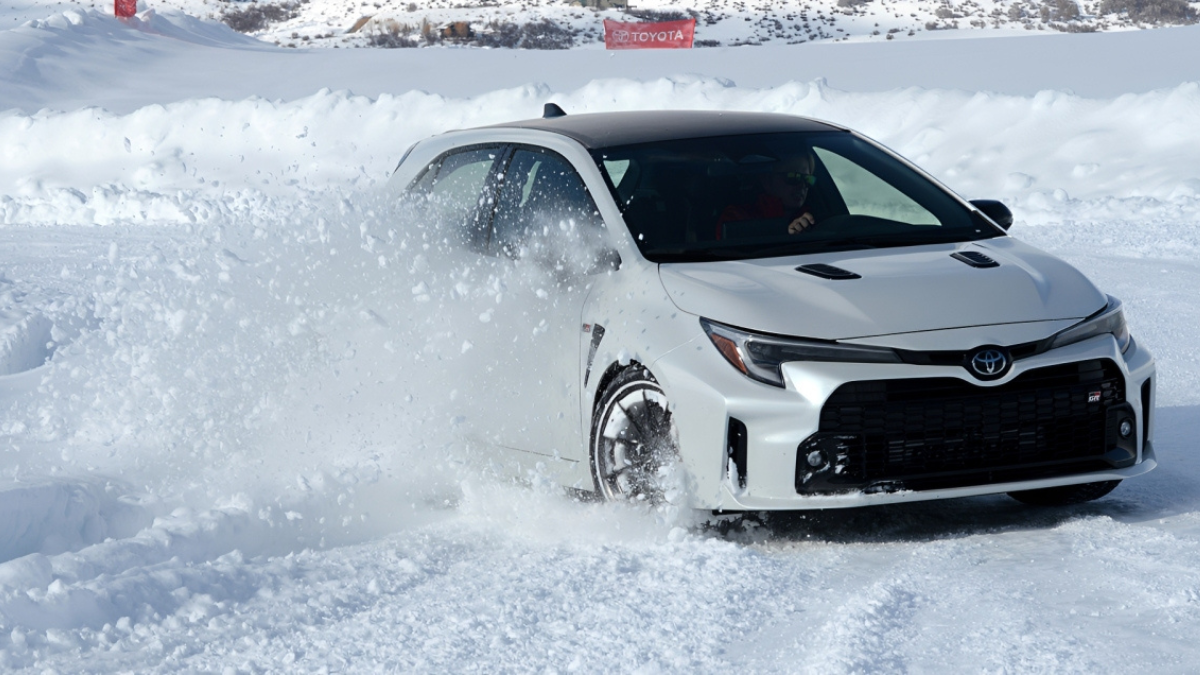
For a normal wet-highway getaway, AWD is usually the easiest answer, not because it makes the car magical, but because it works in the background without asking the driver to think about modes. Subaru explicitly frames AWD as helping control and stability in harsh weather and changing road conditions. Jeep also markets 4×4 as useful in rain and snow, but part-time systems are not the one-size-fits-all answer for normal dry pavement.
What actually helps most here:
- tires with good tread,
- predictable stability control,
- and a calm chassis.
What mostly burns more fuel:
- carrying extra off-road hardware or a heavier drivetrain you never meaningfully use on paved weekends. EPA/DOE comparison tools are where this tradeoff becomes visible model by model.
Regret pattern: people think they need “serious 4×4” for rain, but most rain-weekend drivers would benefit more from good tires and a stable AWD or even FWD setup than from off-road capability they never engage.
Scenario 2: Gravel road to a trailhead or lake house
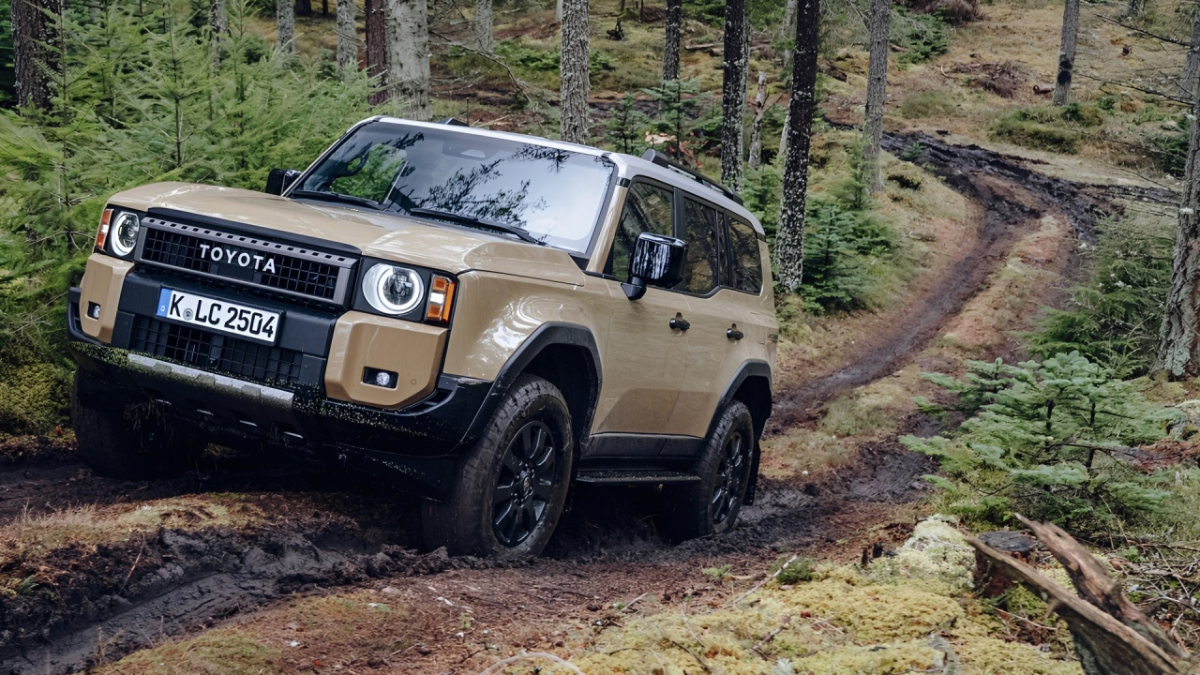
This is where the conversation gets more real.
On gravel, washboard, and loose surfaces, the benefit of sending torque to all four wheels is easier to feel, especially on climbs, pull-outs, and low-speed transitions. Jeep specifically says gravel can act like ice in some circumstances and positions 4×4 systems, traction control, and suspension as part of staying in control.
For this kind of weekend:
- AWD is often enough for normal gravel roads and maintained forest approaches.
- 4WD / 4×4 starts making more sense when the road is rutted, steeper, muddier, or less maintained.
What helps most:
- clearance,
- tire choice,
- and traction on loose surfaces.
What burns more fuel if you don’t need it:
- stepping up to a dedicated 4×4 truck or body-on-frame SUV just for occasional easy gravel use. EPA/DOE comparison tools help show that heavier, more capable trims generally carry a fuel-economy penalty.
Scenario 3: Snowy weekend or mountain cabin
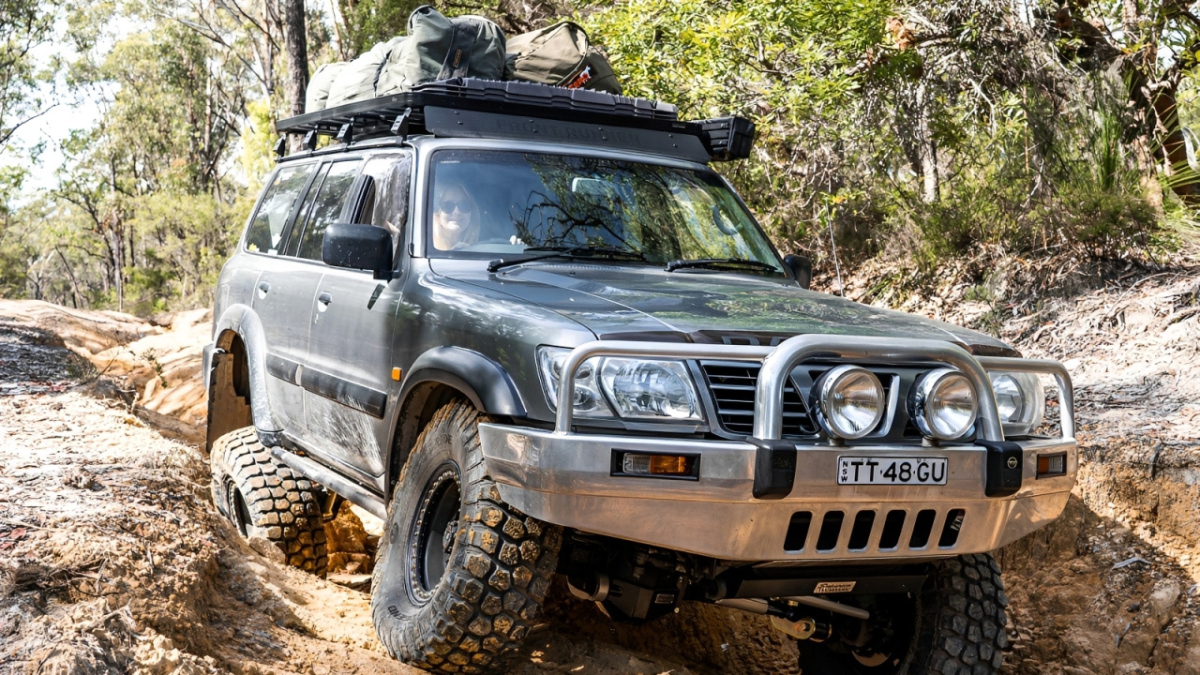
This is where badge confusion gets expensive.
A lot of drivers assume AWD or 4WD eliminates the need for winter preparation. Yosemite’s chain guidance is the clean reality check: in chain-control areas, drivers must carry chains, and requirements can still apply regardless of 4WD status.
So what actually helps most in snow:
- winter-ready tires or at least strong tread,
- traction devices when required,
- measured throttle/braking inputs,
- then drivetrain.
AWD helps with launches and maintaining momentum.
4WD/4×4 can help more on deeper snow, loose climbs, and rougher access roads.
But neither rewrites tire grip.
This is also where part-time 4WD rules matter. Jeep says prolonged use of part-time 4×4 High is for wet, loose, or slippery surfaces, not normal dry pavement. Toyota similarly distinguishes between part-time and full-time systems.
Weekend takeaway: if your cabin road is regularly snowy, 4WD/4×4 may be worth the trade. If your winter use is mostly plowed roads plus occasional bad weather, AWD plus the right tires is usually the smarter middle.
Scenario 4: Dry mountain highways and long interstate runs
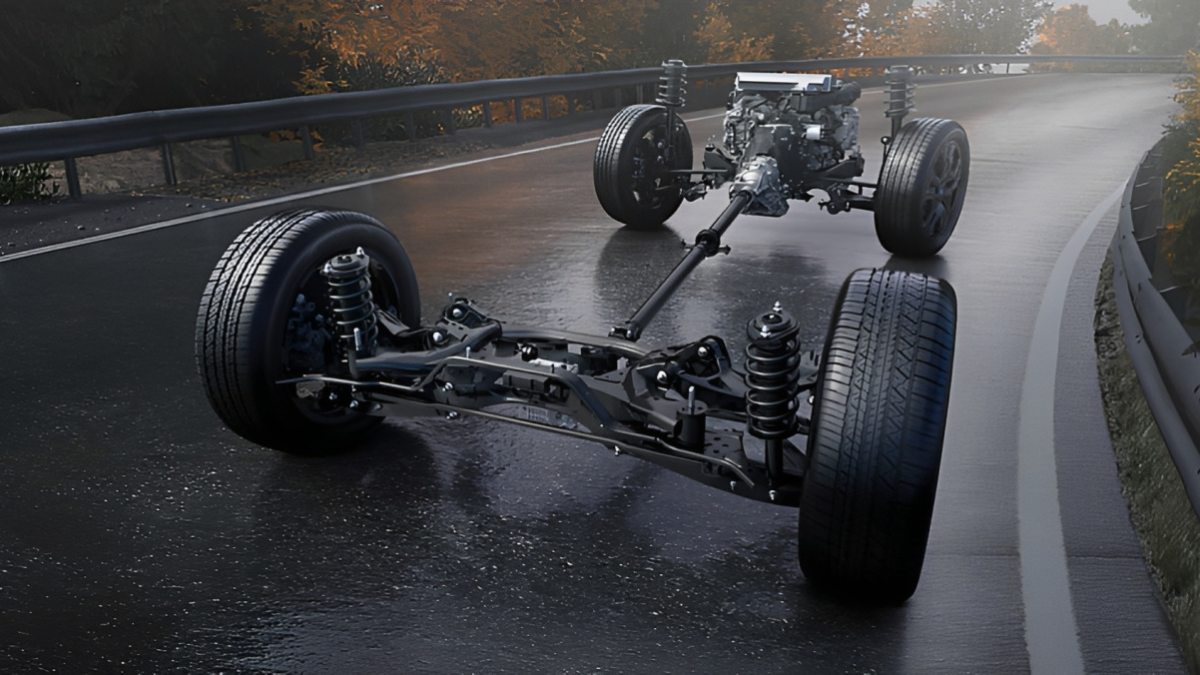
This is where the romance of “more capable” often stops making sense.
Most long weekend miles are:
- steady highway speed,
- dry pavement,
- and ordinary lane changes and passing.
In that environment, the advantage of part-time 4WD or serious 4×4 hardware is often tiny, while the downsides can be permanent:
- worse mpg,
- higher tire and maintenance costs,
- more weight,
- and sometimes more noise or a stiffer ride depending on the vehicle class.
The best weekend-road-trip setup here is usually:
- AWD if you want mixed-weather confidence, or
- 2WD/FWD/RWD if your climate and routes are mild and you want maximum efficiency.
Again, official fuel-economy comparisons are the right place to verify the size of the mpg penalty for the specific trims you’re cross-shopping.
So what just burns more fuel?
Three things usually create the “capability tax”:
1) Paying for serious 4WD/4×4 when the trip is mostly pavement
If the weekend never leaves maintained roads, a tougher system can become permanent weight and mechanical complexity for a rare benefit. Toyota’s own support pages make clear that part-time 4WD exists as a selectable mode, not the default need for every drive.
2) Assuming drivetrain beats tires
It does not. Yosemite’s chain rules are the cleanest rebuttal to the “AWD solves winter” myth.
3) Buying for one dramatic weekend instead of the 40 normal ones
A truly rough cabin road, deep snow, or off-road trail use can justify 4WD/4×4. But if 90% of your weekends are highway + rain + maintained gravel, AWD is usually the more rational “always on” choice.
What this means in the U.S.
In the U.S., the most common weekend patterns are:
- interstate miles,
- wet-weather travel,
- maintained gravel approaches,
- occasional snow,
- and only occasional truly rough access roads.
That pattern is exactly why AWD has become the sweet spot for a lot of buyers: it covers the mixed-condition weekends without demanding that the driver think about 2WD vs 4WD mode selection all the time. 4WD/4×4 still earns its keep for real snow-country access, rougher roads, and more serious off-pavement use.
What you can do: the 5-minute weekend-drivetrain check
- Count the real slippery days. If most are rain and occasional light snow, AWD is probably enough.
- Be honest about the road. Maintained gravel is not the same as rutted mud or deep snow.
- Check chain/traction rules on your route. Mountain parks and passes can override marketing claims. Yosemite is the model example.
- Compare actual trim mpg, not just labels. Use official EPA/DOE tools for the exact vehicle and drivetrain.
- Prioritize tires if winter is real. That is usually the first upgrade that changes the weekend more than the badge does.
Bottom line
For weekend trips in 2026, AWD usually helps most on rain, mixed weather, and normal gravel, while 4WD/4×4 earns its keep when the road is truly loose, snowy, steep, or rough. The biggest confusion is thinking the tougher label automatically means the better weekend choice. Often it just means more hardware and more fuel burn for roads that never use it. The practical winner is the system that matches your actual weekends—and still leaves enough headroom for the fuel bill.