
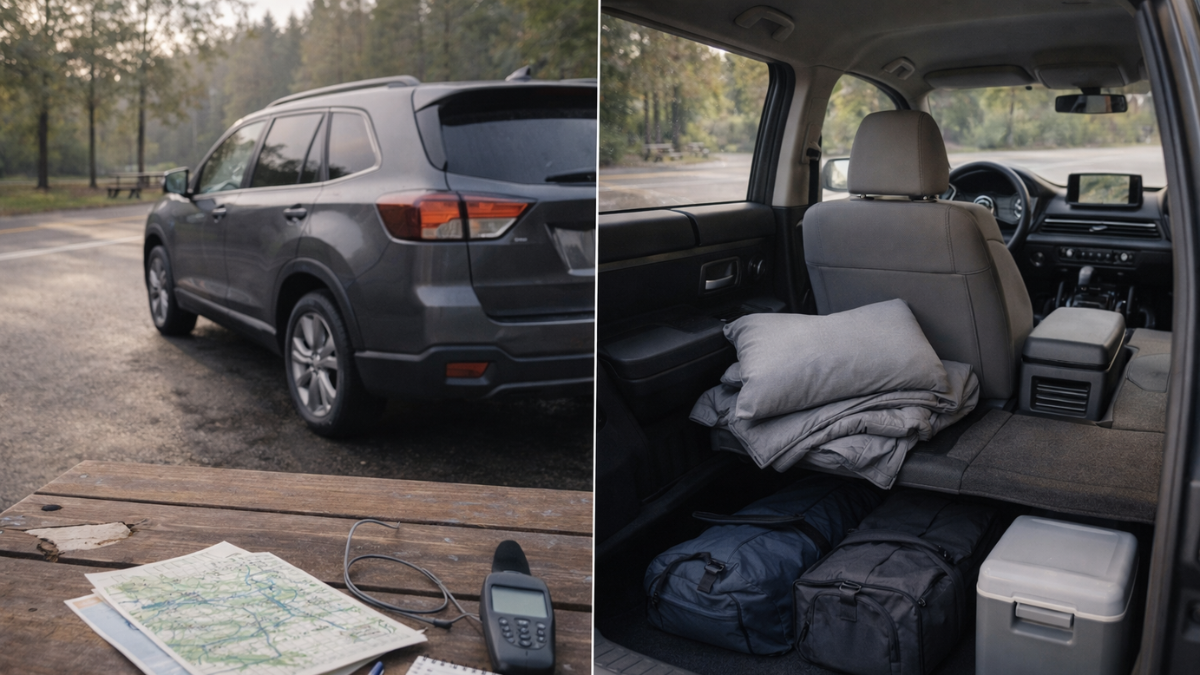
According to Car and Driver, it has long measured interior noise at a 70-mph cruise and now adds sones alongside decibels to better reflect perceived loudness—because “calm” is something drivers feel after a few hours. That makes a 300-mile weekend a better real-world test than any quick spin around town. In 2026, the quiet-cabin question is not just “who has acoustic glass?” It is which SUV stays calm, low-effort, and non-irritating once wind noise, tire roar, seat pressure, and screen friction start stacking.
Quick takeaways
- Quiet wins 300-mile weekends because noise is continuous. Horsepower helps for seconds; wind and tire roar affect every mile.
- Acoustic glass matters, but it is only one layer. Tire noise, aero shape, sealing, suspension tuning, and seat comfort decide whether the cabin feels calm at hour two.
- If you want a premium quiet benchmark: Edmunds says the Audi Q8 is the quietest SUV it has tested.
- If you want a hard highway number: Car and Driver measured 65 dBA at 70 mph in the 2026 BMW iX and called it “exceedingly quiet on the highway.”
- If you want a mainstream “easy to live with” answer: the refreshed 2026 Tesla Model Y gets acoustic glass for a quieter cabin according to Consumer Reports, while Car and Driver says the 2026 Honda CR-V has seats that are comfortable for hours on end and easy physical climate controls.
- Best test: treat quiet as a full fatigue stack—70-mph calm, seat comfort, low-tap controls, and easy stop-cycle access.
What changed in 2026: quiet is being treated like a real road-trip metric
For years, shoppers were trained to compare SUVs by horsepower, torque, and giant-screen bragging. But long weekends expose a different truth: the wrong cabin gets tiring long before the powertrain runs out of ability.
Car and Driver’s decision to add sones to its 70-mph interior-noise testing is the clearest sign of that shift. It reframes “quiet” as a measurable part of the ownership experience, not a vague luxury claim. That is exactly what weekend buyers have started to care about, because after 120 to 150 miles the driver stops noticing novelty and starts noticing friction:
- wind hiss around mirrors,
- tire roar on rough interstate,
- seat pressure points,
- and alerts or menus that make the cabin feel busy.
This is why the anti-brochure angle works so well here. The quietest-feeling SUV on a 300-mile trip is often not the one with the most exciting spec sheet. It is the one that asks the least from the body and brain.
What actually makes a cabin feel quiet
Shoppers often reduce this topic to one phrase: acoustic glass. That matters, but it is not the whole answer.
1) Acoustic glass
This is the easiest feature to market because it sounds technical and premium. Consumer Reports’ 2026 Top Picks summary specifically notes that the refreshed 2026 Tesla Model Y gained acoustic glass for a quieter cabin.
2) Tire and road-noise isolation
A cabin can have acoustic glass and still feel loud if road noise comes through the wheel wells, floor, or suspension. This is often what separates “quiet in the brochure” from “quiet on real pavement.”
3) Aero and sealing
Wind noise usually appears first around:
- mirror housings,
- A-pillars,
- door seals,
- and roofline transitions.
A well-sealed body can make a car feel expensive even when the powertrain is ordinary.
4) Ride calm and seats
This is the hidden quiet-cabin layer. A cabin can measure well and still feel tiring if the ride is busy or the seat pushes the driver into constant micro-adjustments. On a 300-mile trip, seat comfort is part of quiet.
The 2026 quiet-cabin references that actually matter
BMW iX: the best hard highway benchmark here
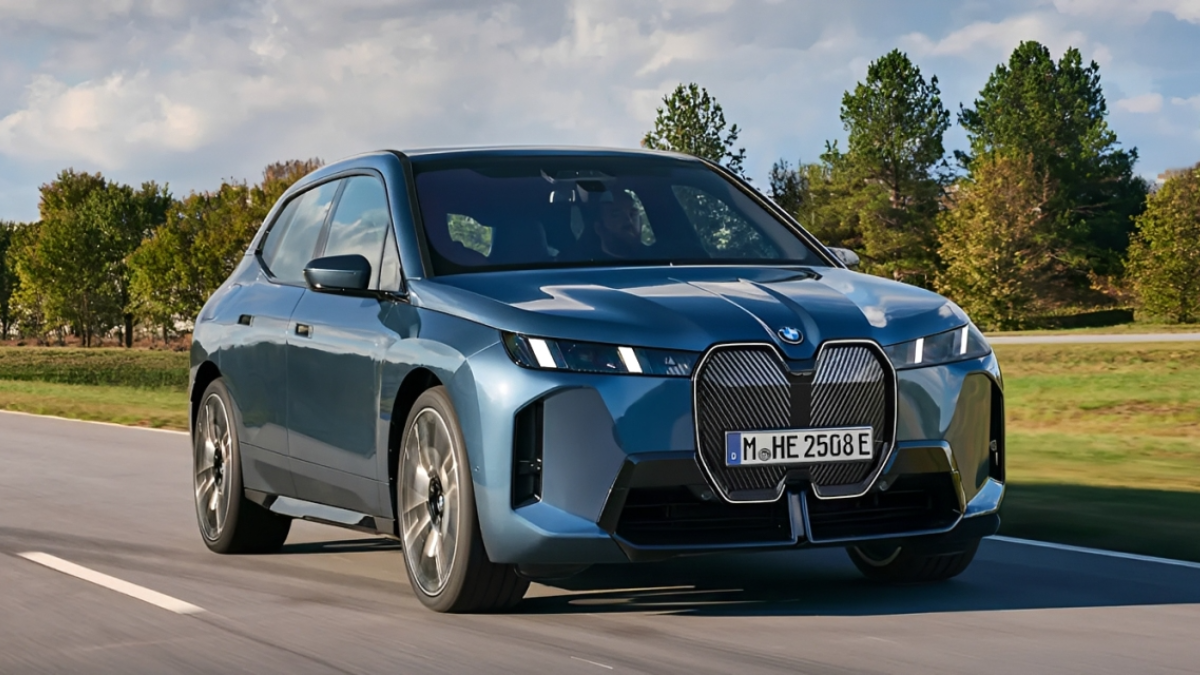
If the article needs one clean, auditable number, the 2026 BMW iX is it. Car and Driver said the iX is “exceedingly quiet on the highway” and measured 65 decibels at 70 mph.
That gives buyers something concrete. For a 300-mile trip, that kind of calm usually translates into:
- less urge to turn the stereo up,
- easier conversation,
- and lower arrival fatigue.
The iX is also useful editorially because it proves the point that true highway quiet is not imaginary. It can be measured.
Audi Q8: the premium refinement reference

Edmunds says the Audi Q8 is the quietest SUV it has tested. That makes the Q8 a helpful benchmark for what “quiet-cabin SUV” means in luxury-land:
- low wind intrusion,
- polished ride,
- and strong suppression of the usual SUV sounds at speed.
This matters because it sets a ceiling for the category. Even if most roadmapmag readers are not buying a Q8, it gives the story a real-world reference point.
Tesla Model Y (2026 refresh): proof that quiet is now mainstream

Consumer Reports’ 2026 Top Picks summary says the updated 2026 Tesla Model Y received acoustic glass for a quieter cabin and a more compliant ride. That is useful because it shows quiet-cabin engineering is no longer limited to premium gas SUVs.
The Model Y also illustrates the broader trend: refinement upgrades are being highlighted as headline changes, not buried in engineering notes.
Honda CR-V: the practical mainstream answer
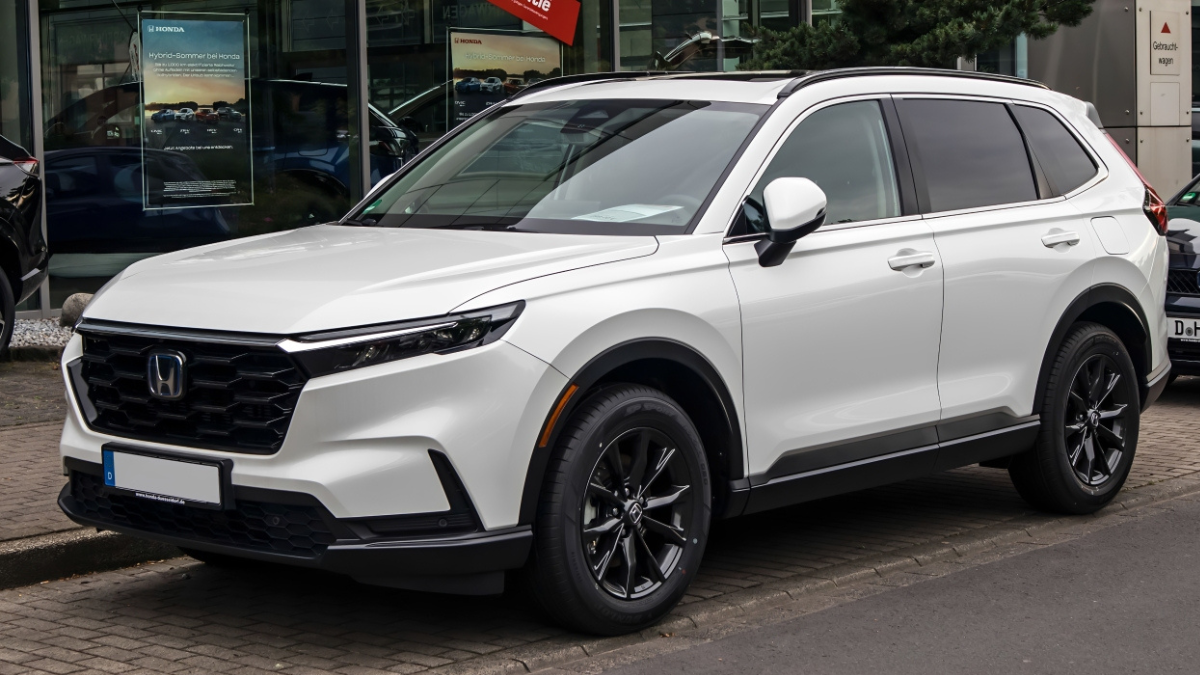
Not every quiet-cabin story needs a premium badge. For a lot of weekend travelers, what matters is a mainstream SUV that feels calm enough, comfortable enough, and easy enough to use for hours.
Car and Driver’s 2026 Honda CR-V coverage says the seats are comfortable for hours on end, and it praises Honda for keeping three physical knobs for climate control. That combination matters because a 300-mile trip is not only an acoustic test. It is a workload test.
The CR-V earns its place here because “quiet enough + easy to live with” can beat “theoretical refinement” when the route includes stops, weather changes, and passenger requests.
Why the quietest SUV is not always the best 300-mile SUV
This is where the story gets more useful than a ranking.
After the first 90 minutes, drivers start valuing:
- seat comfort more than one extra decibel of isolation,
- predictable driver assistance more than extra horsepower,
- simple climate controls more than one more touchscreen layer,
- and easy cargo access more than maximum fold-flat cargo volume.
That is why a road-trip winner is usually a full-package answer. A perfectly hushed cabin can still disappoint if:
- the seat creates pressure points,
- the lane-centering feels nervous,
- or changing temperature requires menu-hunting.
The better roadmapmag angle is this: the quietest cabin matters most when it arrives as part of a car that stays boring in every other way.
What this means in the U.S.
A typical U.S. 300-mile weekend trip usually means:
- 70–80 mph interstate miles,
- at least one rough or noisy pavement section,
- a traffic slowdown,
- and one or two destination stops where climate, cargo, and navigation all get touched.
That pattern explains why quiet SUVs are getting more attention:
- highway time amplifies noise,
- stop cycles amplify poor ergonomics,
- and long weekends expose vehicles that only feel good in the first 40 minutes.
For many buyers, the best 2026 quiet-cabin SUV is not the one with the single best sound-insulation story. It is the one that lowers the whole fatigue stack.
What you can do: the 12-minute quiet-cabin test
This test is more useful than comparing brochure language about laminated glass.
1) 70-mph quiet test (5 min): audio off, fan low. Decide whether the dominant sound is wind hiss, tire roar, or drivetrain drone.
2) Seat fatigue check (3 min): set the seat once and stop fiddling. If the urge to adjust keeps returning, that matters more than a spec sheet.
3) Low-tap controls check (2 min): try defrost, temperature, and audio without menu-hunting.
4) Stop-cycle access check (2 min): open the hatch, grab one bag, close up. If it feels fussy here, it will feel worse at the destination.
If an SUV passes all four, it will usually feel “quiet enough” in the way that matters on a 300-mile trip.
Bottom line
For a 300-mile trip in 2026, the quiet-cabin conversation is finally moving beyond brochure buzzwords. Car and Driver’s addition of sones acknowledges that perceived loudness matters, not just feature claims. The BMW iX provides the strongest highway-noise benchmark in this story, the Audi Q8 remains a premium quiet-cabin reference, the refreshed Tesla Model Y shows acoustic glass is now a mainstream upgrade, and the Honda CR-V proves that “comfortable for hours” plus easy controls can matter just as much as one more layer of insulation. The real road-trip winner is the SUV that stays calm after hour two.