
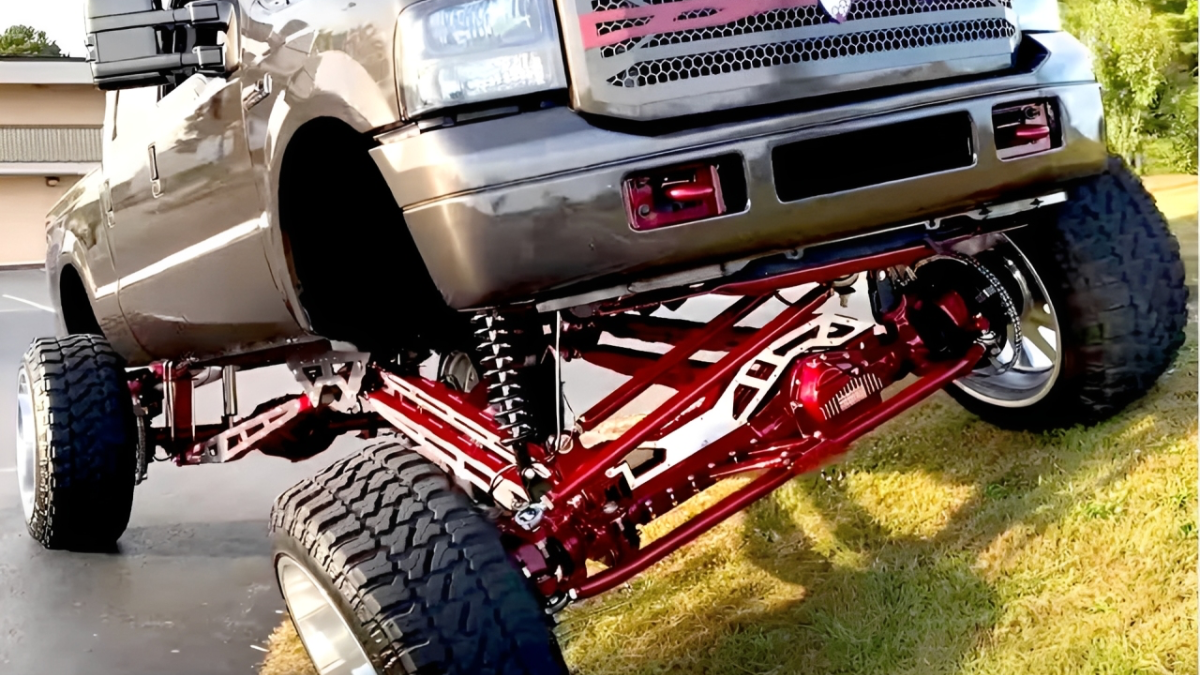
The driveway test lies. The highway tells the truth. A weekend vehicle can look tougher, taller, and more “adventure-ready” without getting better at the kind of trips most people actually take. The U.S. Department of Energy says roof racks can cut fuel economy by up to 25% at interstate speeds, and its fuel-economy guidance says mileage usually drops quickly above 50 mph. That makes this a clean 2026 road-trip question: which mod starts ruining the vehicle first, and which one only makes sense if the route is rough enough to pay it back?
Quick takeaways
- The roof rack usually ruins fuel economy first because DOE says roof racks can cut fuel economy by up to 25% at interstate speeds.
- Big tires often ruin the whole-day experience next: more rolling resistance, more weight, more tread noise, more steering busyness.
- A lift kit often looks worst on paper before it feels worst on the road, but once it is paired with heavier tires and altered geometry, the tax starts stacking.
- If the route is 95% pavement and 5% gravel, the mod story changes fast. The tougher the setup, the easier it is to overbuy.
- The right answer depends on what “worse” means: mpg, noise, steering feel, ride harshness, parking, or fatigue.
The clean answer: the roof rack usually hurts fuel economy first
This is the easiest part of the article because the source support is unusually direct.
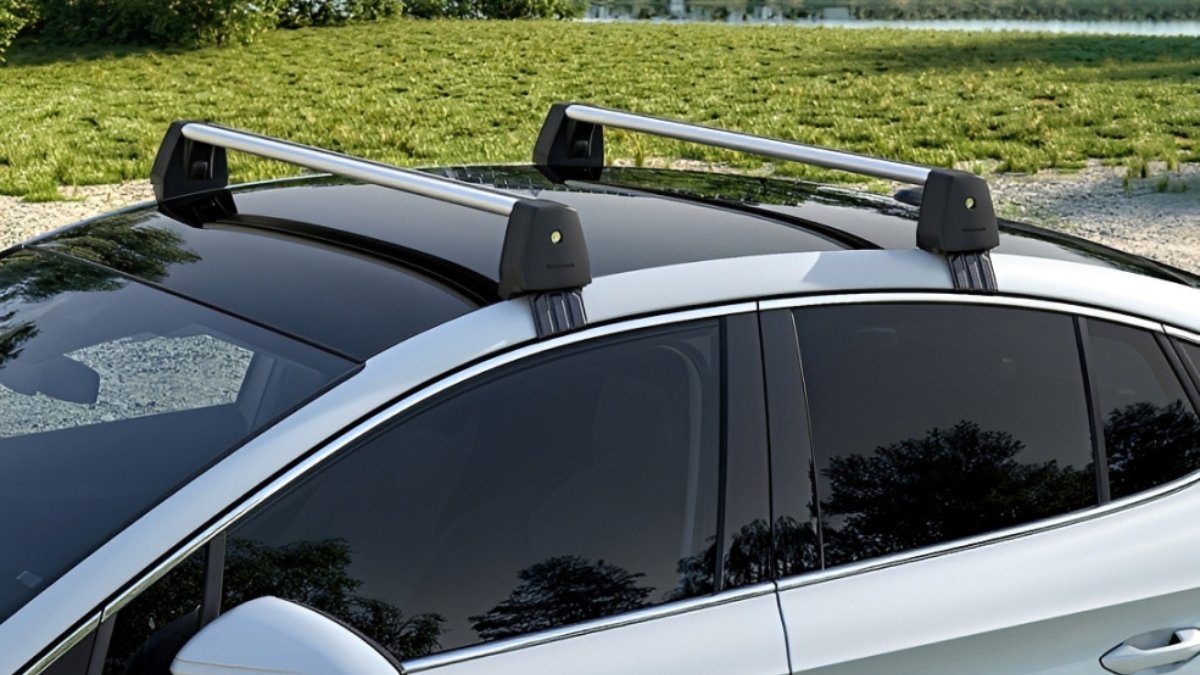
DOE’s Energy Saver guidance says roof racks can decrease fuel economy by up to 8% in city driving and up to 25% at interstate speeds. That is a huge number for something many drivers leave mounted all year out of habit or aesthetic optimism.
That matters because the roof rack tax arrives immediately:
- no trail required,
- no mud required,
- no rough road required.
Just speed.
This is why the empty roof rack is such classic anti-brochure material. It looks “trip ready.” On a real 300-mile weekend, it can be the fastest way to turn a decent fuel-economy number into a more annoying one.
If the question is purely which mod makes the vehicle worse first, the roof rack has the cleanest case because it starts charging from the first long highway stint.
Big tires are the bigger all-day tax
This is where the article gets more useful.
Bigger, heavier, more aggressive tires often hurt the vehicle in more ways than one:
- rolling resistance,
- unsprung weight,
- tread squirm,
- road noise,
- and ride quality.
NHTSA’s rolling-resistance work still gives the best broad direction here. Its consumer-information program estimated that a 10% reduction in rolling resistance improves vehicle fuel economy by roughly 1.1% to 1.3%. Turn that around and the logic is obvious: tires that roll harder tend to cost fuel.
That is only the first part of the tax.
Tire Rack’s guidance on unsprung weight explains why heavier wheel-and-tire packages affect how the suspension reacts to the road. More weight at the corners makes it harder for the suspension to control impacts cleanly. On a real getaway, that can show up as:
- more thump over patched pavement,
- more wheel motion,
- more cabin buzz,
- and a vehicle that never quite settles down.
Tire Rack’s newer all-terrain testing also shows the category has split. There are now road-biased all-terrain tires, on-/off-road A/Ts, and more aggressive rugged all-terrain types. That split only exists because the old tax was real enough to need softening.
So yes, the roof rack can hurt mpg first. But bigger tires often make the whole vehicle feel worse sooner:
- noisier,
- busier,
- and more tiring.
Lift kits: the mod that starts small, then compounds
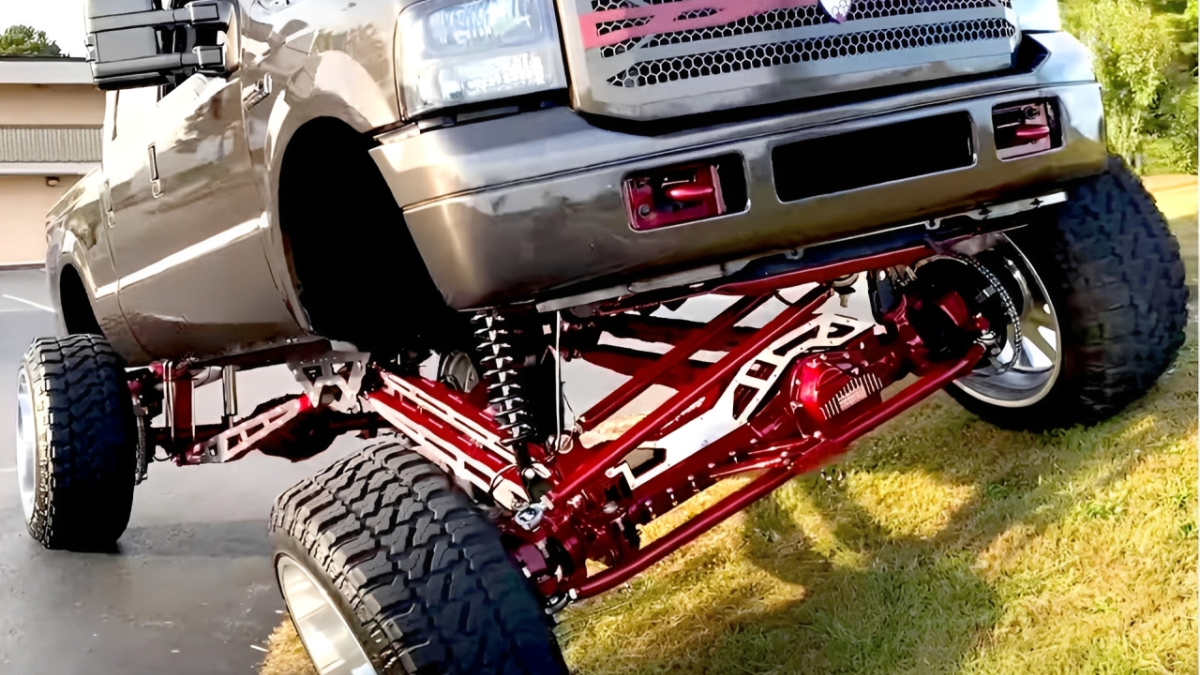
A mild lift by itself does not always destroy a weekend vehicle. That is why this is the trickiest of the three.
The problem is what a lift usually brings with it:
- altered geometry,
- a higher center of gravity,
- more wind exposure,
- and often a bigger, heavier tire package.
Car and Driver’s suspension explainer is still useful here because it makes the core point that stiffer bushings and firmer setups can improve control in one context while increasing impact harshness in another. That is exactly what many “off-road flavor” builds do to a pavement-heavy trip.
Car and Driver’s 2026 Honda CR-V TrailSport review gives a mild, modern example. It called the TrailSport a bit noisier on the highway. That is not a full lift-kit horror story. It is more useful than that. It shows how even a restrained off-road-themed version can already start paying a highway penalty before the build gets serious.
So the lift kit usually works like this:
- mild lift alone: maybe manageable,
- mild lift plus aggressive tires: noticeable,
- lift plus tires plus rack: the whole stack starts fighting the trip.
That is why a lift often is not the first mod to make the vehicle worse. It is the mod that makes the other mods hurt more.
What “worse” actually means on a weekend
This is where the answer splits depending on the reader.
If “worse” means worse mpg
The roof rack wins first. DOE’s interstate-speed guidance makes that clear.
If “worse” means noisier and more tiring
Big tires usually win. They add the kind of low-grade friction people feel all day:
- more road roar,
- more vibration,
- more steering correction.
If “worse” means the vehicle starts feeling like the wrong tool
The lift kit can be the tipping point, because it changes the whole stance and attitude of the vehicle even before the road requires any of it.
That is the anti-brochure truth:
- the rack hits the fuel bill,
- the tires hit the body and ears,
- the lift changes the whole character.
Why the route matters more than the mod
This is the real roadmapmag answer.
If the route is:
- highway,
- patched pavement,
- family cargo,
- parking lots,
- one gravel driveway,
- and maybe a trailhead lane at the end,
then the “tough” build is very often solving the wrong 5 percent of the trip.
If the route is:
- repeated rough access roads,
- washboard,
- rocky approaches,
- mud,
- or backcountry travel where underbody clearance and traction really get used,
then the tax starts to make more sense.
That is the whole framework:
buy for the route, not the photo.
What drivers should check before making the vehicle worse
1) Ask what you hate most: mpg loss, noise, or ride busyness.
That answer usually reveals which mod will bother you first.
2) Remove empty roof gear first.
If the rack stays empty most of the year, DOE already answered that question for you.
3) Be honest about tire use.
A road-biased A/T is not the same thing as a chunky rugged tire.
4) Watch the stack.
A mild lift alone is one thing. Lift + big tire + roof gear is a full weekend-tax package.
5) Test on broken pavement, not a smooth suburban loop.
That is where the truth lives.
What this means in the U.S. and Canada
This topic works in both markets because the mismatch is the same:
- lots of pavement,
- long highway stretches,
- one or two rough segments,
- and a constant temptation to build for more than the route needs.
In the U.S., the mod tax often shows up first as fuel and noise on long interstate drives.
In Canada, the same tradeoff can look slightly more defensible because mixed weather and rougher access roads are more common in some regions. But even there, the route still decides the answer.
That is why the article is not anti-mod. It is anti-overbuild.
Bottom line
If the question is which mod makes a weekend vehicle worse first, the roof rack usually takes the fuel-economy crown because DOE’s highway-speed drag penalty is so direct. Big tires are often the bigger all-day mistake because they stack rolling resistance, weight, tread noise, and steering fatigue into every mile. A lift kit often becomes the tipping-point mod that turns the rest of the build from “mildly tougher” into “harder to live with.” The mistake is not modifying the vehicle. It is pretending the route is rougher than it really is.
SOURCES
- Fuel Economy
- Tips on Saving Money and Energy in Your Home
- § 575.106 Tire fuel efficiency consumer information program.
- Replacement Tire Consumer Information Program Part 575.106
- What is unsprung weight
- Explained: The Five Most Common Automotive Suspensions
- Tested: 2026 Honda CR-V TrailSport Is a Starter Off-Roader