
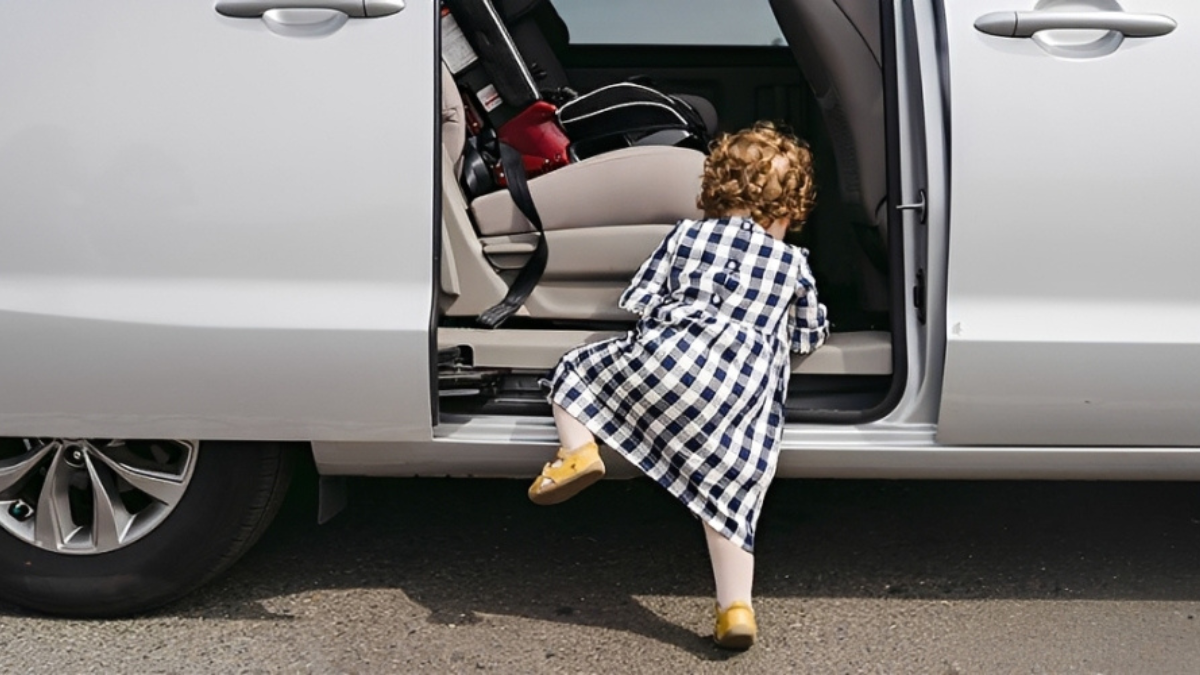
According to Consumer Reports’ access testing, some cars, SUVs, and minivans are noticeably easier than others to get into and out of, a factor that matters when trips include older adults with knee, hip, or balance limitations. AARP’s guidance on vehicle access similarly notes that minivans often rate well for older adults, while very tall SUVs can be challenging because of step height. Add kids to the same trip and the “least stress” answer usually comes down to three repeatable friction points: seat height for grandparents, door access for car seats, and how much gear fits without cluttering the cabin. This guide compares minivans, wagons, and SUVs using those friction points so families can choose the layout that gets annoying slower on short errands and 20–40 minute drives.
Quick takeaways
- Lowest “getting in/out” stress: Consumer Reports and AARP both point to minivans as strong for easy access, especially compared with very tall SUVs.
- Most balanced for “grandparents + one kid”: a wagon can be a sweet spot if the seat height is comfortable for older adults and cargo stays easy without climbing up to the roofline.
- Best for “car seat + tight parking”: sliding doors on a minivan reduce door-ding drama and make car-seat buckling easier when spaces are narrow.
- SUVs vary wildly: a “right-height” compact SUV can be comfortable, but bigger/taller SUVs can increase step-up effort and can create more visibility challenges.
- Fast decision method: pick the entry/exit height first, then check car-seat workflow, then confirm cargo doesn’t spill into the cabin.
The three stress triggers on short trips
Short trips sound easy, but they create their own stress profile:
- more stops (pharmacy, groceries, school pickup),
- more curb hopping (in/out repeatedly),
- and more “tight lot” moments.
When grandparents are along, stress usually concentrates in three places:
1) Entry/exit: step height and seat height
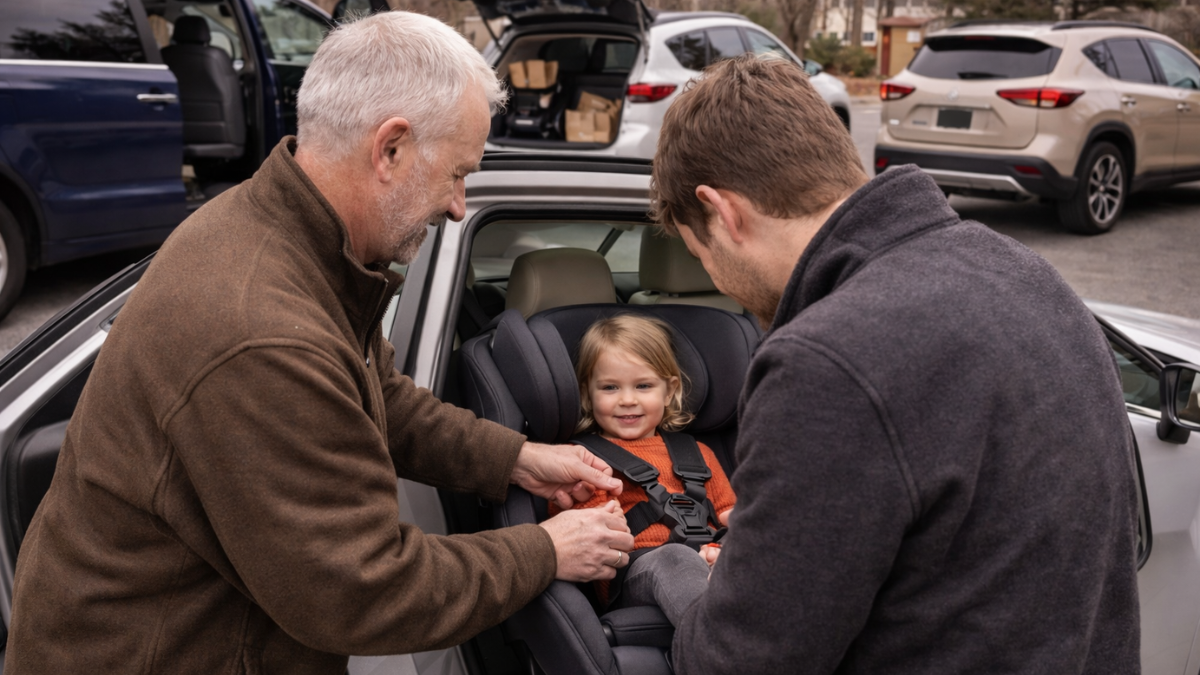
2) Car-seat access: door opening and reach
3) Cargo workflow: stroller/bags without blocking the cabin
If one vehicle type consistently reduces those, it “gets annoying slower.”
1) Entry and exit: the one metric that matters most for grandparents
AARP’s access guidance explains the basic pattern: very low cars can require more bending and effort to rise, while very tall SUVs can require a bigger step up and more balance. Minivans often rate well because the seat height can be easier to slide onto, and the door opening is usually large.
Consumer Reports also publishes an “easiest vehicles to get in and out of” list based on its scoring. The exact winners change year to year, but the category lesson is stable: moderate step-in height and supportive seats reduce stress.
A practical rule of thumb for a driveway test:
- If the grandparent can turn, sit, and swing legs in without using hands to “climb” or “drop,” you’re close.
- If they need to pull themselves up or brace hard on the door frame, the vehicle will get annoying quickly with repeated stops.
2) Car seats and tight parking: why sliding doors change the game
Kids add a very specific stress: buckling and unbuckling. A minivan’s sliding doors tend to reduce stress in two ways:
- they open fully in narrow spaces without risking a door ding,
- and the door opening is usually wide, reducing twisting and reaching.
That matters on “short trips” because the car seat gets used repeatedly in a short time window. Every time the door fights you, the stress adds up.
A wagon or SUV can still be fine, especially with a wide-opening rear door, but it’s more sensitive to parking space width.
3) Cargo workflow: stroller, groceries, and the “cabin clutter” problem
Short trips often carry odd items: a folded stroller, a walker, grocery bags, sports gear. The stress is not total cargo volume. It’s whether the gear can stay out of footwells and seats.
Minivans tend to win because the load floor is often low and the opening is tall and square. Wagons can be excellent if the cargo area is long and low—easy for older adults to load without lifting high. SUVs can be easy too, but the lift height and rear bumper height can add effort, especially for heavier items.
A simple “least stress” cargo rule:
- If the stroller fits flat and groceries can sit beside it without stacking high, the cabin stays calm.
- If bags end up on seats, the trip starts to feel cramped and messy.
So which vehicle type is least stressful?
There isn’t one answer for every family, but there is a consistent pattern:
Minivan is the least stressful when…
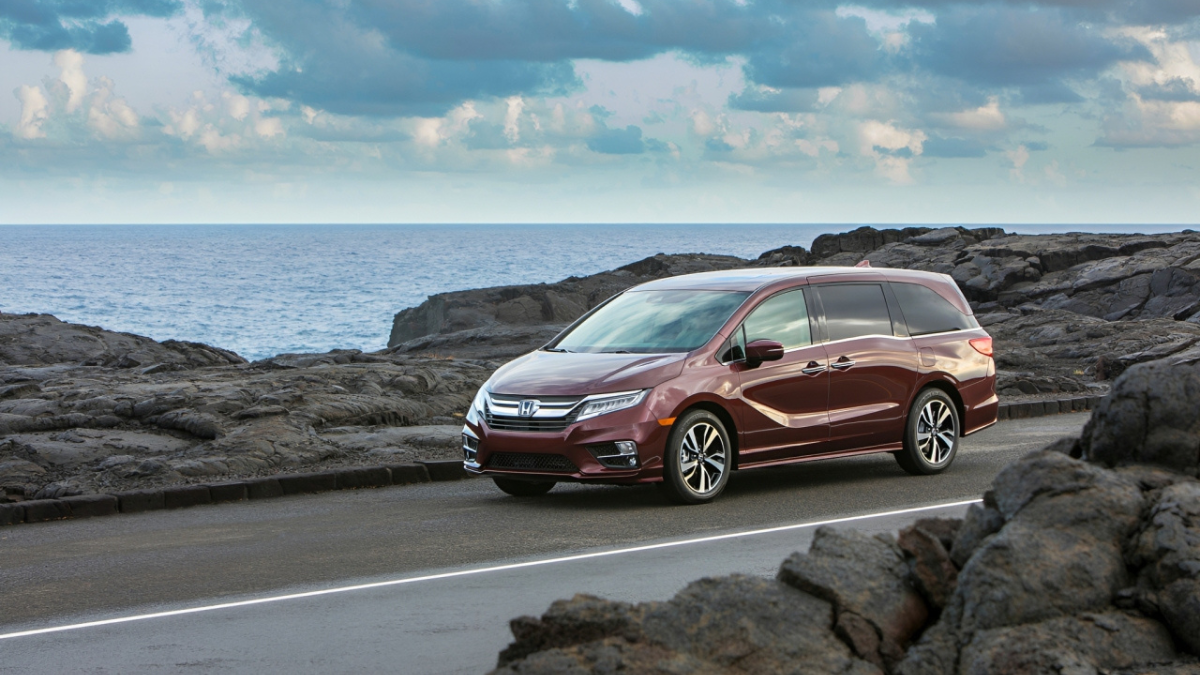
- grandparents ride often (repeat entry/exit),
- kids are in car seats (repeat buckle cycles),
- and the trip includes bulky gear (stroller + bags).
That is why minivans show up positively in AARP’s access discussion and in Consumer Reports’ access-focused lists.
Wagon is the least stressful when…
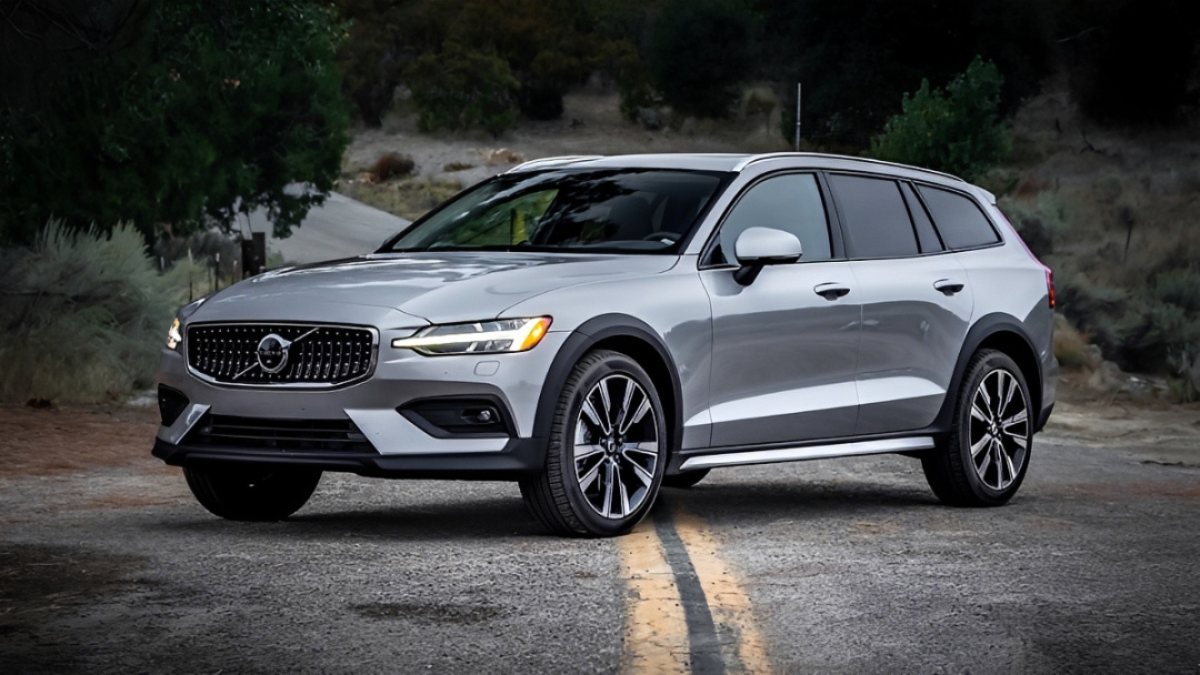
- the family load is “one kid + one grandparent,” not seven people,
- the wagon’s seat height is comfortable for entry/exit,
- and you want a low, easy cargo lift with car-like road feel.
Wagons can feel calmer on short trips because they are easy to park and often have good outward visibility compared with taller vehicles.
SUV is the least stressful when…
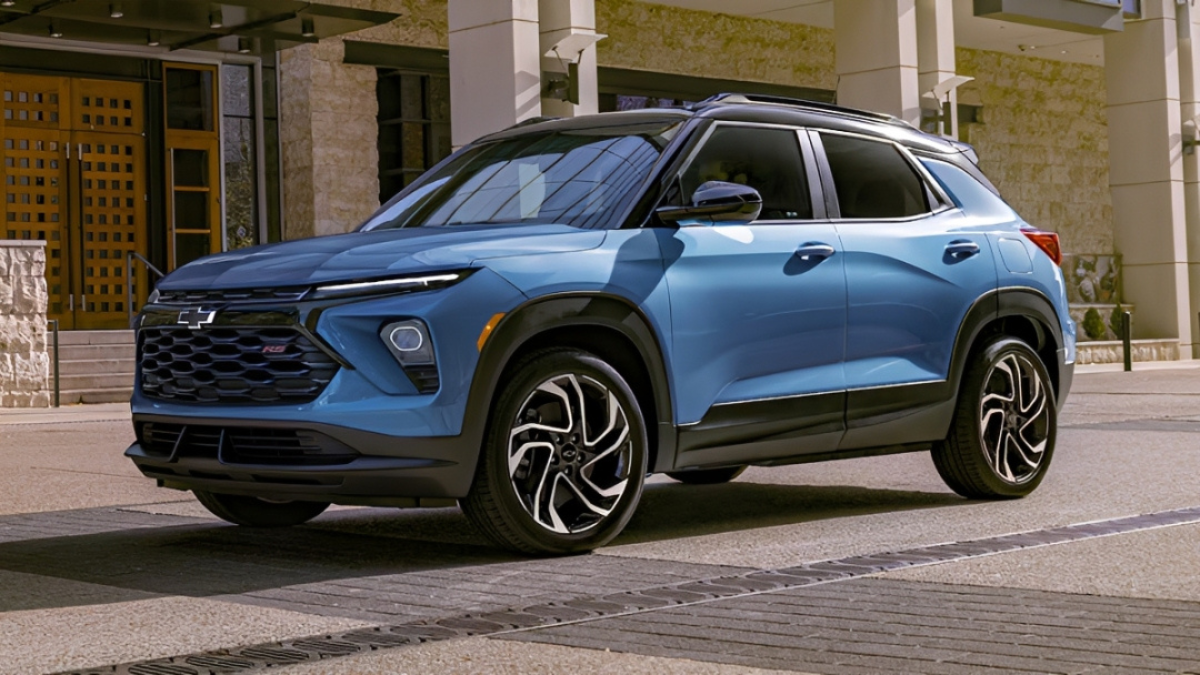
- you choose the right-height SUV (not too low, not too tall),
- you value a higher seating position for sightlines,
- and you don’t regularly need to buckle car seats in tight parking spaces.
Important nuance: the IIHS has flagged visibility issues as one possible factor in the risks larger vehicles pose to pedestrians, especially in turning scenarios. That doesn’t make SUVs “bad,” but it is a reason to prioritize good visibility and to choose a size that matches the environment (school pickup zones, parking lots, neighborhood crossings).
What this means in the U.S.
In U.S. suburb-and-city short trips, the stress points are predictable:
- parking-lot density,
- frequent curbside stops,
- school pickup zones with pedestrians.
That combination often favors a vehicle that is easy to enter and exit, and easy to manage in tight spaces—especially when kids and grandparents are both involved.
What you can do: a 10-minute test-drive checklist
Bring the grandparent (or simulate the motion), and run this quick check:
1) Entry/exit test (2 minutes): can they sit and stand without bracing hard?
2) Car-seat buckle test (3 minutes): can you buckle without twisting or fighting the door?
3) Cargo test (3 minutes): stroller in, groceries beside it, nothing in footwells.
4) Visibility check (2 minutes): slow left turn in a lot—can you see over the hood corners and pillars comfortably?
If a vehicle passes all four, it’s likely to stay low-stress on short trips.
Bottom line
For grandparents plus kids, the least stressful vehicle type is usually the one that reduces repeat friction: getting in and out, buckling car seats in tight parking, and loading a stroller without cluttering the cabin.
In many families, that points to a minivan as the “annoys slower” default. A wagon can be a calm alternative when the passenger count is smaller and the seat height fits the grandparents well. A compact SUV can work too—especially if it hits the “right height” zone—but it’s the most sensitive to parking-lot and visibility stressors.