

According to Car and Driver’s 2026 hybrid compact‑SUV comparison test, the Honda CR‑V Hybrid Sport Touring finished first for its refined ride and quiet cabin, while the Toyota RAV4 Hybrid finished second, praised for pace and equipment but flagged for more body motion and powertrain buzz under throttle. Car and Driver’s separate 75‑mph highway route testing also shows how close the long‑drive fuel math can be: the RAV4 Hybrid Limited AWD returned 36 mpg, while the CR‑V Hybrid Sport Touring AWD returned 35 mpg on the same kind of steady‑speed test. That means the “best long‑drive” answer in 2026 is often less about fuel and more about fatigue: seat comfort, noise, ride control, and driver‑assist behavior over the second and third hour. This guide translates the most checkable numbers into a weekend‑realistic decision.
Quick takeaways
- If comfort is the goal: Car and Driver’s road‑trip comparison picked the CR‑V Hybrid as the most satisfying long‑distance companion for its refined ride and quiet cabin.
- If highway MPG is the goal: Car and Driver’s 75‑mph route shows the two are nearly tied (RAV4 Hybrid 36 mpg vs CR‑V Hybrid 35 mpg), so fuel savings alone is rarely the deciding factor.
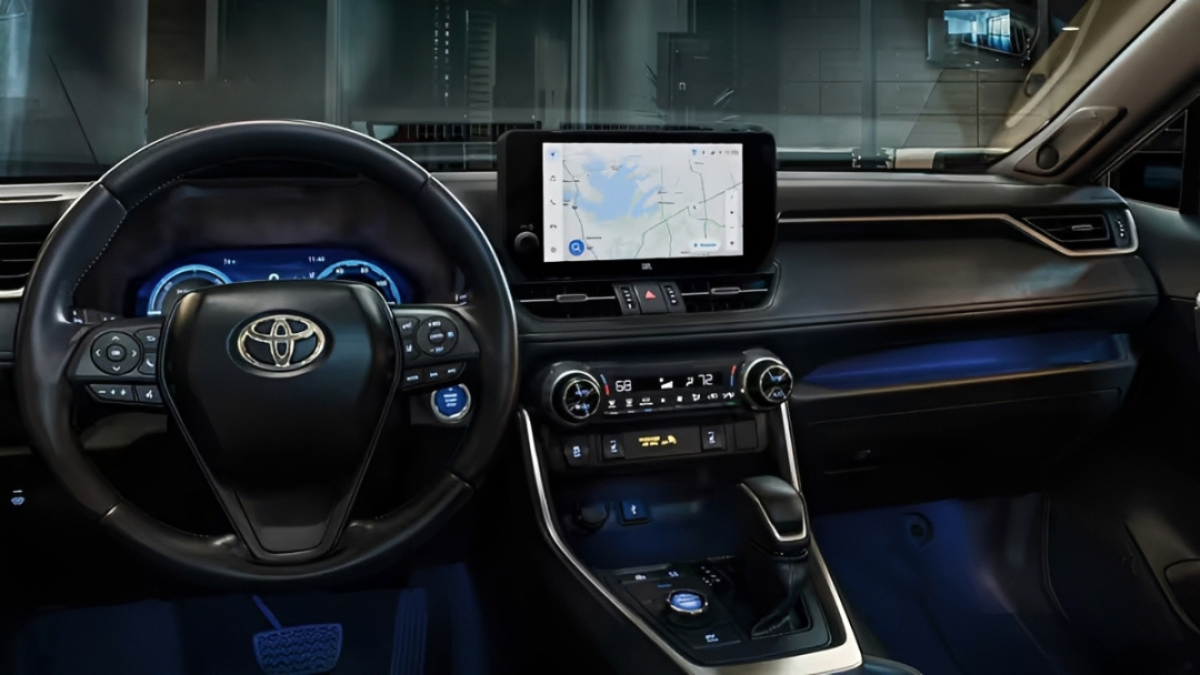
- If “what changed in 2026” matters: Toyota’s pressroom frames the 2026 RAV4 as arriving with Toyota Safety Sense (TSS 4.0) and a software platform foundation (Arene) tied to safety and multimedia.
- If you hate trim ambiguity: Honda’s CR‑V hybrid MPG and equipment packaging is clearly laid out on Honda’s official trim comparison page (including the 40/34 city/highway figure for AWD hybrids).
- Most reliable method: run the same 30‑minute test loop and judge the “fatigue trio” (seat + noise + assist smoothness). That predicts long‑drive satisfaction better than a spec sheet.
Step 1: The 75‑mph fuel math (what you actually spend on the interstate)
The easiest way to compare long‑drive savings is to ignore mixed driving and use a steady‑speed number.
Car and Driver’s 75‑mph route results:
- 2026 RAV4 Hybrid Limited AWD: 36 mpg
- 2026 CR‑V Hybrid Sport Touring AWD: 35 mpg
On a common 500‑mile weekend loop:
- RAV4 Hybrid: 500 ÷ 36 = 13.89 gallons
- CR‑V Hybrid: 500 ÷ 35 = 14.29 gallons
- Difference: 0.40 gallons (typically a small dollar amount, depending on fuel price)
The takeaway is blunt: at steady highway speed, these two hybrids are close enough that comfort and usability usually decide the “makes more sense” call.
Step 2: The road‑trip comfort verdict (why the CR‑V keeps winning comparisons)
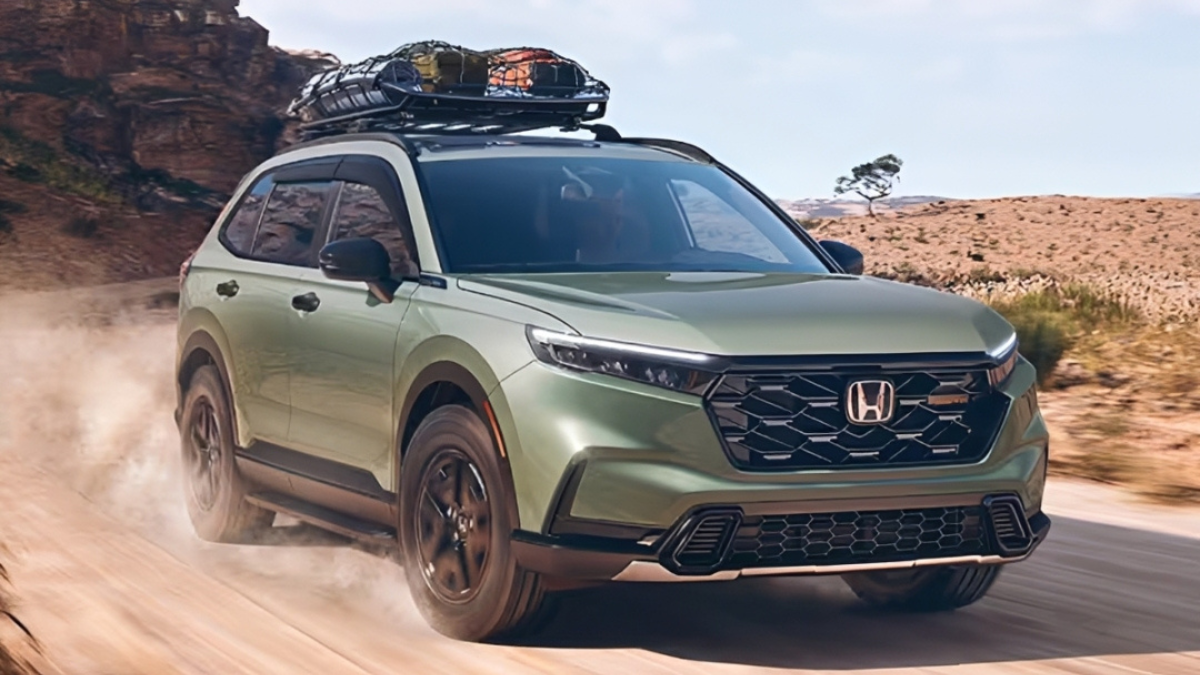
Car and Driver’s four‑SUV road‑trip comparison (CR‑V Hybrid vs RAV4 Hybrid vs CX‑50 Hybrid vs Forester Hybrid) picked the CR‑V as the clear winner, describing a refined ride and quiet cabin and calling it the most consistently satisfying choice on the trip. The RAV4 finished second, praised for speed and equipment, but criticized for body roll and “buzz” under throttle.
For a long drive, those are exactly the stress triggers that matter:
- Noise raises fatigue because the brain never relaxes.
- Body motion (extra roll and rebound) creates micro‑bracing for hours.
- Powertrain buzz makes passing and grades feel like work.
That is why “35 mpg vs 36 mpg” rarely changes the long‑drive decision. The human factor does.
Step 3: Seats and posture (the overlooked four‑hour variable)
Seat comfort is hard to capture in a single number, but Consumer Reports notes that comfort can be judged on a short test drive and emphasizes lumbar adjustment as a key lever.
Use this framing:
- If the seat encourages slouching, the driver will fight posture by hour two.
- If lumbar is too aggressive, the driver will feel it as soreness by hour two.
- If the cushion is too soft, hips can sink unevenly; if too firm, pressure points can build.
Car and Driver’s CR‑V Hybrid review describes the driving experience as smooth and quiet, and CR’s CR‑V Hybrid road test report highlights improved ride comfort and ease of use—signals that the CR‑V is tuned for long stints. The RAV4 Hybrid can be a strong long‑drive vehicle, but the comparison test’s notes on body motion and buzz suggest it’s worth a longer test drive before committing.
Step 4: Driver‑assist smoothness (the fatigue multiplier)
For long drives, driver‑assist systems are either stress reducers or stress amplifiers.
A practical way to judge:
- Does adaptive cruise brake smoothly when a car merges in, or does it wait and then over‑brake?
- Does lane‑keeping hold steady, or does it ping‑pong?
- Do alerts feel calm and predictable, or intrusive?
Honda’s official CR‑V pages highlight Honda Sensing and list trim details clearly. Toyota’s pressroom focuses on the updated Toyota Safety Sense (TSS 4.0) for the 2026 RAV4 and ties it to updated hardware/detection and the new Arene software foundation. Both are good signs, but the “long‑drive truth” is still in the test drive: smoothness matters more than feature count.
Step 5: What changed in 2026 (and why it matters for long drives)
Two 2026 shifts are especially relevant for buyers who drive long distances:
1) RAV4 platform and safety update: Toyota’s pressroom states the 2026 RAV4 comes with updated Toyota Safety Sense (TSS 4.0) and positions the model as a major update with a software platform foundation for safety and multimedia.
2) CR‑V Hybrid packaging clarity: Car and Driver lists 2026 CR‑V Hybrid EPA figures (including AWD 40 city / 34 highway / 37 combined) and its 75‑mph result (35 mpg), while Honda’s official trim page also presents the hybrid MPG by configuration.
Translation for road trips: the RAV4 looks like the “big tech update” play, while the CR‑V looks like the “proven comfort + clear packaging” play.
What this means in the U.S.
A long‑drive weekend in the U.S. typically means:
- 70–80 mph traffic flow,
- concrete expansion joints,
- and some stop‑and‑go near the destination.
In that environment:
- Fuel savings between these two is usually small at steady speed.
- Cabin calm and seat comfort are the real value.
- Assist smoothness can make the drive feel 30 minutes shorter.
What you can do: a 25‑minute long‑drive test loop
Run this loop on both SUVs, ideally on the same day:
1) 10 minutes highway at speed: audio off, fan low. Listen for wind and tire noise.
2) 5 minutes over rough pavement: check rebound and head‑toss.
3) 5 minutes adaptive cruise + lane‑keeping (where legal): look for smoothness, not “features.”
4) 5 minutes parking + loading: open the liftgate and simulate cooler + carry‑on placement.
If one SUV feels calm without effort, that’s the one that will feel easiest at hour four.
Bottom line
If the question is strictly “which saves more fuel on long drives,” Car and Driver’s 75‑mph results suggest the two are effectively a wash (36 mpg RAV4 Hybrid vs 35 mpg CR‑V Hybrid on the tested trims).
If the question is “which makes more sense for long drives,” the best available comparison evidence points to the CR‑V Hybrid as the safer default because it wins the road‑trip comparison on cabin calm and ride refinement. The RAV4 Hybrid remains compelling—especially with Toyota’s 2026 safety/software updates—but it’s the one that most benefits from a longer test drive to confirm it feels as relaxed as it looks on paper.