

According to Car and Driver’s 2026 10Best write‑up for the Honda CR‑V, the CR‑V’s seats are “comfortable for hours on end,” a simple line that matters more on a four‑hour drive than a flashy feature list. Edmunds, reviewing the 2026 Toyota RAV4, describes the front-seat padding as “on the firm side,” noting that it becomes apparent after a few hours behind the wheel—exactly the time window of a weekend run. And in Edmunds’ first drive of the redesigned 2026 Mazda CX‑5, the driver’s seat is described as immediately comfortable and supportive, with a wide range of adjustment. Seat comfort is personal, but the “least stress” pattern is surprisingly consistent: lumbar that fits, cushion firmness that matches body type, and an easy driving position you can dial in fast.
Quick takeaways
- Best “hours-on-end” reputation: Car and Driver explicitly praises the CR‑V’s seats as comfortable for long stints.
- Firm-seat warning for the 4‑hour window: Edmunds says the 2026 RAV4’s padding is firm and that it shows up after a few hours—a deal-breaker for some bodies, a plus for others.
- Easiest seat to dial in quickly: Edmunds’ first drive of the 2026 CX‑5 calls the driver’s seat immediately comfortable and supportive with a wide adjustment range.
- Lumbar beats “softness”: Consumer Reports notes lumbar adjustment can make long-distance driving easier and recommends evaluating it on a short test drive.
- Use a repeatable test: a 15‑minute drive with a simple checklist predicts four‑hour comfort better than sitting in the showroom.

The three seat traits that decide a 4‑hour drive
“Comfort” is subjective, but most four‑hour complaints land in the same places:
1) Lumbar mismatch (too flat, too aggressive, or positioned wrong)
2) Cushion pressure points (seat bottom too hard/too soft; bolsters in the wrong spot)
3) Driving position fatigue (wheel reach/seat height that forces shoulders or hips to work)
A useful way to compare compact SUVs is to treat seat comfort like footwear: the best choice is the one that fits your body, not the one that feels plush for 30 seconds.
CR‑V vs RAV4 vs CX‑5: how the seat stories differ in 2026
This is not a “winner for everyone” contest. It is a liveability guide: which seat design is most likely to feel good after the novelty wears off.
Honda CR‑V: the “hours-on-end” baseline
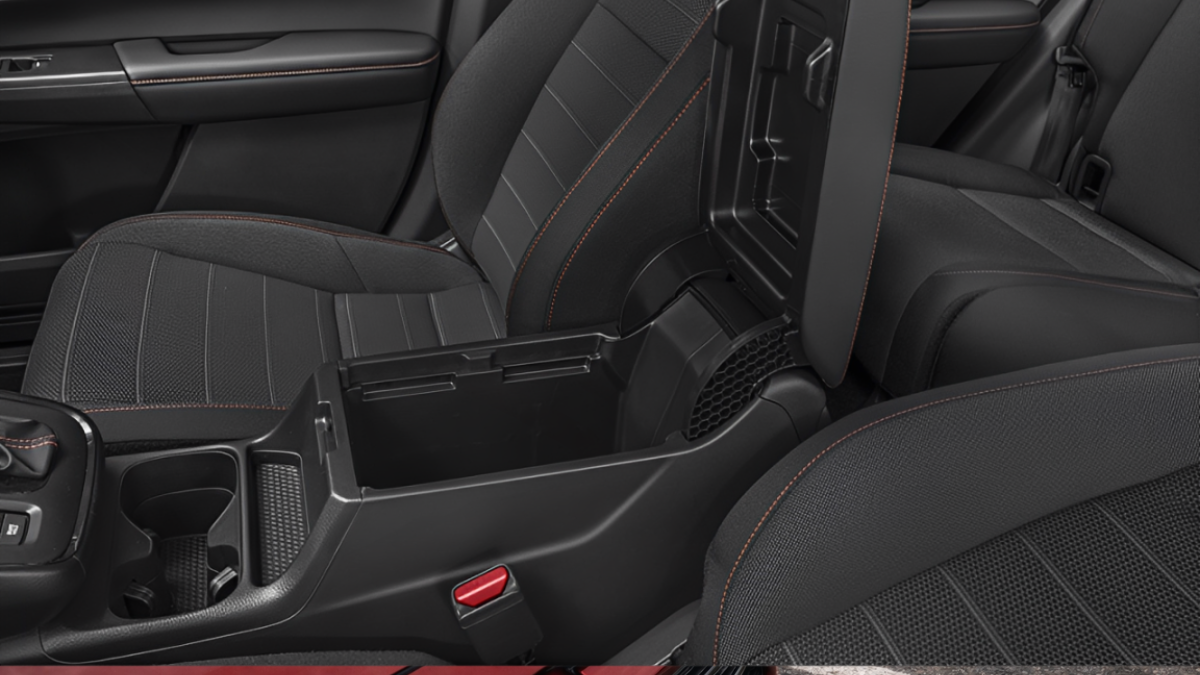
Car and Driver’s 2026 10Best CR‑V write‑up is unusually direct: the seats are comfortable for hours on end. That sort of statement typically reflects the “no drama” comfort blend—supportive enough to avoid slouching, but not so firm that the seat constantly reminds the driver it exists.
What that usually means on a four‑hour run
- Low correction load: fewer micro-adjustments (the seat doesn’t force a posture change every 20 minutes).
- Good neutral position: hips and shoulders settle quickly, which reduces tension by hour two.
If the trip includes both highway and stop‑and‑go near the destination, a seat that stays comfortable without constant tweaking tends to feel “easier to live with,” even if it’s not the plushest in a parking-lot sit.
Toyota RAV4: firm padding that divides drivers

Edmunds’ 2026 RAV4 review includes a key detail for long drives: the front-seat padding is described as on the firm side, and Edmunds says it becomes noticeable after a few hours. Some drivers prefer that. A firmer base can reduce the “sinking” feeling that leads to hip rotation or knee pressure. But if the firmness hits pressure points in the wrong place, a four‑hour drive can feel like a countdown.
What to watch in a RAV4 test drive
- Seat-bottom pressure: does the cushion press into the backs of the thighs, or leave the hips feeling supported?
- Upper-back support: does the backrest keep shoulders relaxed, or does it encourage a forward hunch?
- Height preference: Edmunds also notes the seats sit higher than they’d prefer—some drivers like that “command” view; others feel perched.
For weekend travel, the RAV4 seat question is simple: Is the firmness supportive or punishing? The only honest answer comes from a longer test drive.
Mazda CX‑5: quick-to-fit support as a comfort advantage

Edmunds’ first drive of the redesigned 2026 Mazda CX‑5 says the driver’s seat is immediately comfortable and supportive, and highlights a wide range of fore/aft and height travel. That’s important because “easy comfort” often comes from how fast a driver can find the right posture.
WardsAuto’s first drive also describes both rows of seats as comfortable, reinforcing the broad comfort impression.
What that usually means on a four‑hour run
- Fast setup: fewer minutes of fiddling with controls before the seat feels “right.”
- Supportive shape: comfort that comes from posture stability, not just softness.
One caution for 2026: some reviewers note the redesign shifts more controls to screens. That’s not seat comfort, but it can affect perceived fatigue if simple adjustments require more attention.
A 10-minute seat-comfort test that predicts a 4-hour drive
Consumer Reports recommends judging comfort on a short test drive and calls out lumbar adjustment as a key lever. Use that idea as a repeatable test:
Step 1: Set posture first, then fine-tune
- Raise/lower the seat so the driver can see the road without hunching.
- Move the seat so the knee is slightly bent at full brake pressure.
- Set the backrest so shoulders stay on the seat while hands reach the wheel comfortably.
Step 2: Test lumbar like a “range,” not a single position
Consumer Reports notes two-way lumbar moves in/out, while four-way adds up/down. Regardless of type, the goal is simple: lumbar should gently fill the natural curve, not push the spine forward.
Quick check
- If lumbar is too strong, it can create soreness by hour two.
- If lumbar is absent or too weak, the driver may slouch and then “fight” the wheel.
Step 3: Drive 10 minutes without touching controls
On a real trip, the best seats disappear. If the driver wants to shift, slouch, or adjust constantly in 10 minutes, that usually magnifies over four hours.
Cushion firmness: why “soft” can backfire on the highway
A common mistake is choosing the softest seat in the lot. Soft foam can feel great briefly, but over time it can let hips sink unevenly and load pressure into the lower back.
Edmunds’ “firm side” RAV4 comment is a useful reminder: firmness is not automatically bad. The right firmness distributes load. The wrong firmness creates hot spots.
A practical rule
- If the seat feels soft but you can’t keep a neutral posture, it may be a four‑hour problem.
- If the seat feels firm but posture is stable, it may be a four‑hour solution.
What this means in the U.S.
For U.S. weekend travel, a four‑hour drive often includes:
- 70–80 mph cruising,
- longer stints without stopping,
- and temperature swings (morning chill, afternoon heat).
That makes three features more important than they look in a showroom:
- breathable seat surface (heat buildup changes comfort perception),
- easy posture reset (a quick stop should restore comfort, not reveal soreness),
- and consistent driver-assist behavior (less steering correction reduces shoulder fatigue).
What you can do: settings that reduce fatigue in any compact SUV
These are low-effort changes that often improve comfort immediately:
1) Move the seat closer than expected: it reduces arm reach and shoulder tension.
2) Raise the seat slightly: it can improve thigh support and hip alignment.
3) Use lumbar lightly: aim for “fills the curve,” not “pushes the spine.”
4) Tilt the seat bottom to support thighs: but avoid cutting off circulation behind the knees.
5) Plan one posture stop: a 2-minute walk break can reset back and hip load.
Bottom line
For a four‑hour drive, the most comfortable compact SUV seat is the one that matches body shape and posture needs—not the one that feels plush in a parking lot.
On the clearest 2026 sourcing:
- the Honda CR‑V has a strong “comfortable for hours” endorsement from Car and Driver,
- the Toyota RAV4 is flagged by Edmunds as firm after a few hours, which will either suit or punish depending on the driver,
- and the Mazda CX‑5 earns “immediately comfortable and supportive” notes from Edmunds and WardsAuto, helped by an adjustment range that makes it easy to dial in.
The decision becomes much easier with one repeatable test drive script. If the seat disappears for 10 minutes, it usually stays friendly for four hours.