

According to AAA’s 2026 travel-intentions survey, a larger share of people expect to take multiple trips this year and many plan more vacations than last year—exactly the pattern that turns a “weekend vehicle” into a repeated-use tool. At the same time, U.S. pet ownership remains widespread: the American Pet Products Association (APPA) says 51% of U.S. households own a dog, and 94 million households own at least one pet. Put those two realities together and the new buying behavior makes sense: shoppers are choosing vehicles for the stuff that actually shows up on Fridays—bags, coolers, and dogs—not for the commute they already know how to tolerate.
Quick takeaways
- The “weekend car” trend is about friction, not fashion: the vehicle that loads fast and stays tidy wins.
- AAA’s 2026 survey points to more frequent trips, which makes weekend usability matter more than commute comfort.
- APPA says 51% of U.S. households own a dog—so pet logistics are mainstream, not niche.
- Workarounds are getting more expensive: Consumer Reports found a roof rack + rooftop carrier caused an overall 19% fuel-economy drop on its test vehicle, and Car and Driver testing found a roof box hurt mpg more than a hitch carrier on the same route.
- Best decision method: buy for seats-up packing (cooler + duffels + dog setup) and stop-cycle ease, then worry about the commute.
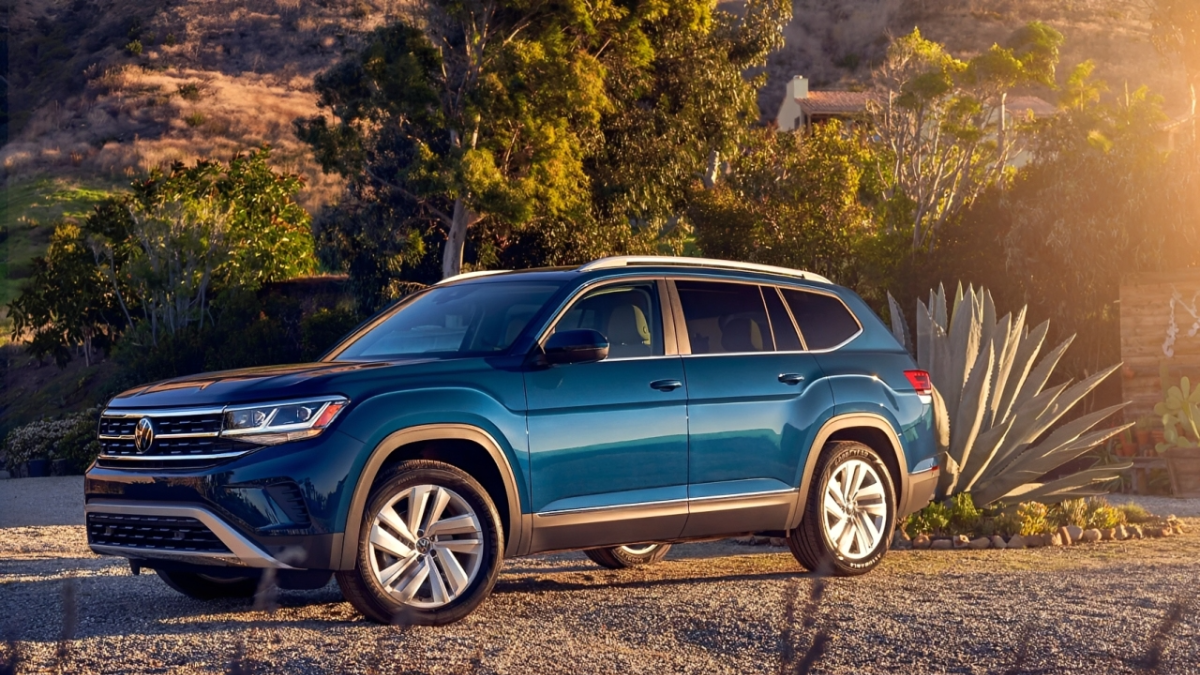
What changed in 2026: the weekend became the “primary use case”
Commutes are stable. Weekend travel is where life has been changing.
AAA’s 2026 travel-intentions survey suggests more people expect multiple trips. When weekends repeat, the pain points become obvious:
- packing time,
- cabin clutter,
- parking-lot stress,
- and the constant in/out stop cycle.
Add pets to the picture and “use case” shifts again. APPA reports dog ownership remains common, so a large share of households are solving:
- hair and muddy paws,
- safe restraint/crate space,
- and where the dog sits when the cargo area is full.
In 2026, shoppers are not only buying transportation. They’re buying a weekend routine that doesn’t feel like work.
The anti-brochure truth: weekend travel fails on geometry, not horsepower
Most weekend trips don’t fail because the car can’t accelerate. They fail because the gear doesn’t fit seats up.
The typical Friday reality is not glamorous:
- two duffels,
- a cooler,
- jackets and shoes,
- plus a dog setup (crate, barrier, harness, or protected rear seat).
If that load forces:
- footwell bags,
- blocked rear visibility,
- or a roof box every other weekend, the trip becomes fragile.
This is why the “new weekend-car trend” looks like a body-style trend: small SUVs, wagons, and minivans often win because they make the packing geometry easy.
Why coolers and dogs changed the buying math
1) Coolers are rigid and unforgiving
Soft bags can compress. Coolers don’t.
A cooler is the item that exposes weak cargo geometry:
- narrow trunk openings,
- high lift-over height,
- and awkward angles that force stacking.
That’s why shoppers talk about “does it fit?” more than “how many cubic feet?” Real life is about shape.
2) Dogs turn “cargo” into “occupied space”
A dog isn’t luggage. It moves, it needs ventilation, and it should be secured.
Once a dog occupies the rear seat or cargo area, the usable space changes immediately:
- you need a flat zone for the dog,
- a barrier or crate footprint,
- and you want easy cleaning.
This pushes buyers toward:
- washable surfaces,
- low load floors,
- and layouts that keep the dog comfortable without turning the cabin into chaos.
3) The stop cycle punishes awkward access
Weekend travel includes repeated stops:
- gas,
- groceries,
- check-in,
- trailheads.
The best weekend car isn’t the biggest. It’s the one that makes each stop fast:
- liftgate opens high enough,
- bags are reachable,
- dog setup doesn’t require a full unpack.
The “workaround tax” is why the trend is happening
When a car doesn’t fit the weekend, households add hardware:
- roof boxes,
- roof baskets,
- hitch carriers.
The problem is: workarounds aren’t free.
Consumer Reports’ testing found a roof rack plus rooftop carrier produced an overall 19% fuel economy drop on its test vehicle. Car and Driver’s back-to-back testing found a roof box reduced mpg more than a hitch-mounted carrier on the same route.
Translation for weekend buyers:
- the more often rooftop cargo is needed, the more the “cheap commute car” becomes an expensive weekend car.
This is the behavioral shift in one line: people are paying to avoid recurring friction, not to win a spec-sheet argument.
What this means in the U.S.
In the U.S., a typical weekend pattern is:
- highway miles,
- crowded parking at destinations,
- and at least one “wet/dirty” factor (mud, sand, snow, or dog mess).
With AAA pointing to more frequent travel and APPA showing widespread dog ownership, the weekend-car trend is a rational response:
- choose the vehicle that keeps gear inside,
- keeps the dog secure and comfortable,
- and prevents roof-drag solutions from becoming routine.
What you can do: the 15-minute “gear-first” buying test
Before deciding, test the real weekend load—not the brochure.
- Seats-up load test (6 min): cooler + two duffels + jackets with seats set as you actually travel.
- Dog space test (4 min): simulate your restraint/crate/barrier setup; check ventilation and whether the dog has a stable zone.
- Stop-cycle test (5 min): open/close, grab one bag, re-load, and keep the cabin tidy.
If the vehicle passes without rooftop cargo and without clutter migrating into seats, it’s a true weekend car.
Bottom line
The new weekend-car trend is not about abandoning commutes. It’s about acknowledging what actually drives purchase regret: repeated Friday packing, rigid coolers, and dog logistics. AAA’s 2026 travel-intentions survey suggests more people expect multiple trips, and APPA reports dog ownership is common—so weekend usability is becoming the real differentiator. When a vehicle fits the weekend kit seats up, the trip stays calm, and the “workaround tax” (roof cargo drag and hassle) stops stealing value.