
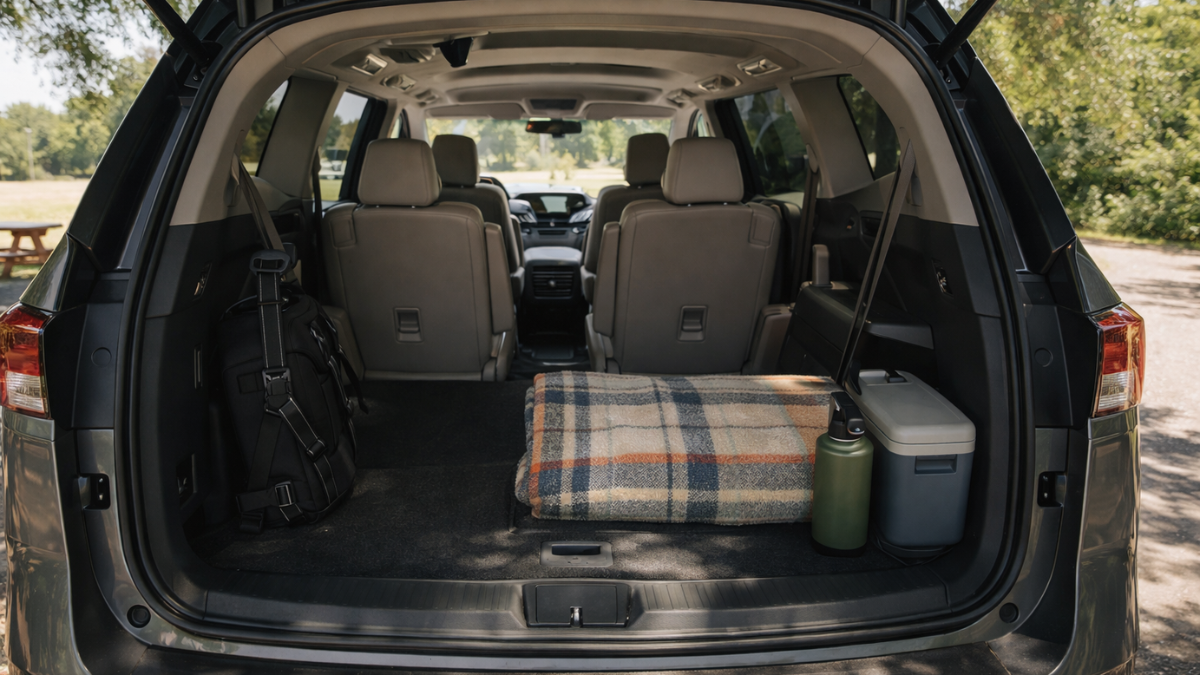
Summer exposes the wrong family SUV fast. Not on the spec sheet. On the second hour of a hot drive, when the front row feels fine and the back starts getting cranky. NHTSA’s heatstroke guidance is the blunt reminder behind this whole topic: a child’s body temperature rises three to five times faster than an adult’s, and a parked vehicle can turn dangerous quickly. For real road-trip use in 2026, the SUVs that stand out are not just the ones with “rear vents” in the brochure. They are the ones with a rear climate setup that still feels useful when the cabin is loaded with kids, pets, gear, and sun.
Quick takeaways
- Rear A/C matters more on a summer trip than a lot of headline features people pay for.
- “Rear vents” are the bare minimum. What helps more is rear controls, strong airflow to row two and row three, and vents positioned where people actually sit.
- For pets, the key is not “cold air blasting the cargo area.” It is cabin airflow that reaches the rear without turning the whole vehicle into a thermostat argument.
- The best summer road-trip SUVs are usually the ones with tri-zone climate, rear-seat controls, and ceiling or upper vents for back-seat passengers.
- A short test drive in mild weather often hides the problem. Summer exposes it fast.
What actually matters in rear A/C, and what doesn’t
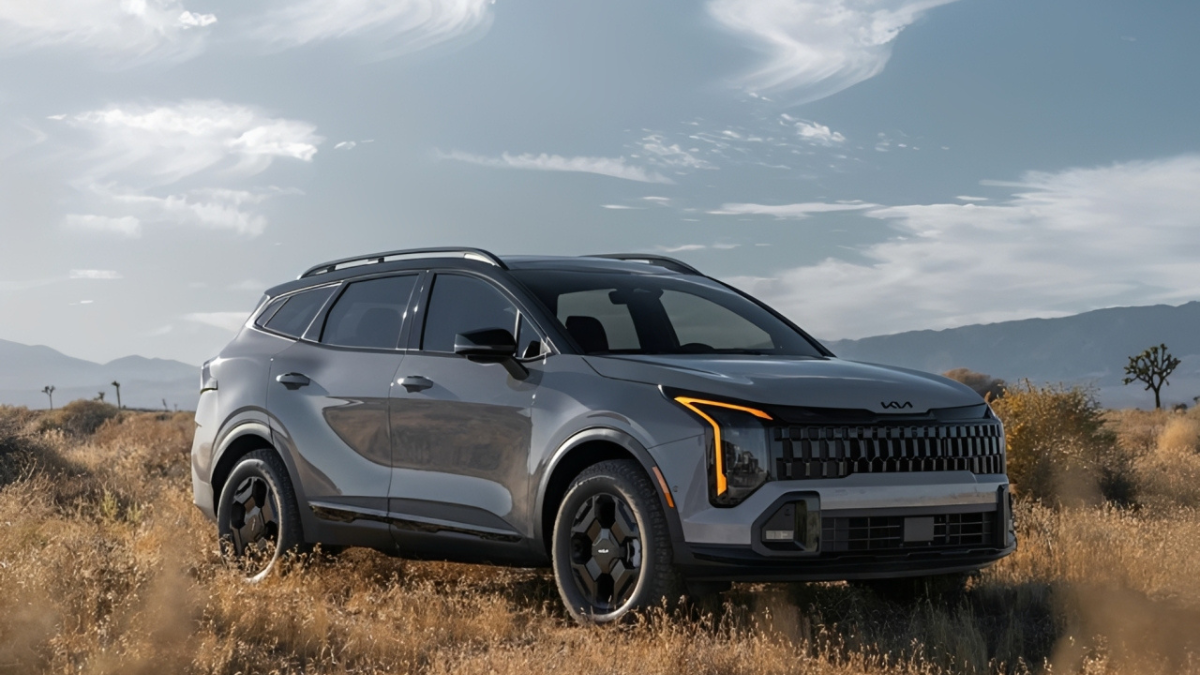
A lot of buyers see “rear vents” in a spec chart and move on. That is how people end up with a vehicle that sounds fine in the showroom and feels wrong on a July weekend.
The real things that matter are simpler:
1) Vent position
Rear vents low on the back of the center console are better than nothing. Ceiling-mounted or upper vents usually feel better in real summer use because the air reaches passengers faster and more directly. That becomes even more important in a three-row SUV.
2) Separate rear controls
This matters more than people think. Honda’s 2026 Pilot owner information shows a dedicated rear climate control system with rear controls. Subaru’s 2026 Ascent trim information lists second-row climate controls and air vents for all three rows. Toyota’s 2026 Grand Highlander materials list three-zone climate control with second- and third-row vents. Those are the kinds of details that change whether the back of the cabin feels like an afterthought or part of the plan.
3) Airflow to row three
This is where a lot of family road-trip setups go wrong. A three-row SUV can feel fine for the first two rows and still run warm in the back if row-three airflow is weak or indirect. Toyota’s 2026 Grand Highlander literature explicitly calls out second- and third-row vents. Subaru says the 2026 Ascent has air vents for all three rows. That matters because “rear A/C” can mean very different things depending on whether the third row gets real airflow or just leftover air.
4) Simplicity
Road-trip utility is not about the fanciest climate menu. It is about whether the driver or the back-seat passengers can actually make the cabin work without digging through a touchscreen maze.
Why this matters more for summer passengers and pets
This is not just a comfort story. It is a stress story.
NHTSA’s heatstroke campaign says a child’s body temperature rises three to five times faster than an adult’s. It also stresses that parked vehicles heat up quickly. That does not mean a road-trip SUV needs to be an icebox. It does mean summer cabin temperature is not a small issue when kids or pets are part of the trip.
The practical takeaway is broader than safety language:
- hot rear rows create more stops,
- more complaints,
- more driver distraction,
- and more fiddling with controls while moving.
For pets, the issue is usually airflow and stability. A dog riding behind the second row or near the cargo area does not need “pet A/C marketing.” It needs a rear cabin that does not go stale, stuffy, or sun-baked during stop-and-go summer travel.
The kinds of SUVs that make the most sense here
This is not a “best SUVs” list. It is a pattern guide.
Three-row family SUVs with true rear-climate hardware
These are the clearest fit when the cabin is often full.
- 2026 Toyota Grand Highlander: Toyota’s brochure and press materials say it has three-zone climate control with second- and third-row vents. That is a strong road-trip spec because it targets all occupied rows, not just the front.
- 2026 Subaru Ascent: Subaru’s trim and highlights materials say it has tri-zone climate control, second-row climate controls, and air vents for all three rows. That makes it one of the most straightforward “family-weekend” examples.
- 2026 Honda Pilot: Honda’s owner information confirms a rear climate control system, which matters because it points to real back-seat control rather than a token vent setup.
These are the kinds of SUVs that make sense for summer family travel because they are built around row-two and row-three use, not just front-seat comfort.
Big two-row or midsize SUVs that still do summer duty well
Not every road-trip buyer needs three rows. But if rear-passenger comfort is a real concern, the SUV still needs more than a basic vent on paper.
Kia’s U.S. specs page for the Telluride line highlights ceiling-mounted rear vents and tri-zone automatic climate control. That is the kind of setup that road-trip buyers should pay attention to because it suggests the rear climate system was designed for occupied back rows, not just listed for comparison-chart completeness.
What people get wrong first
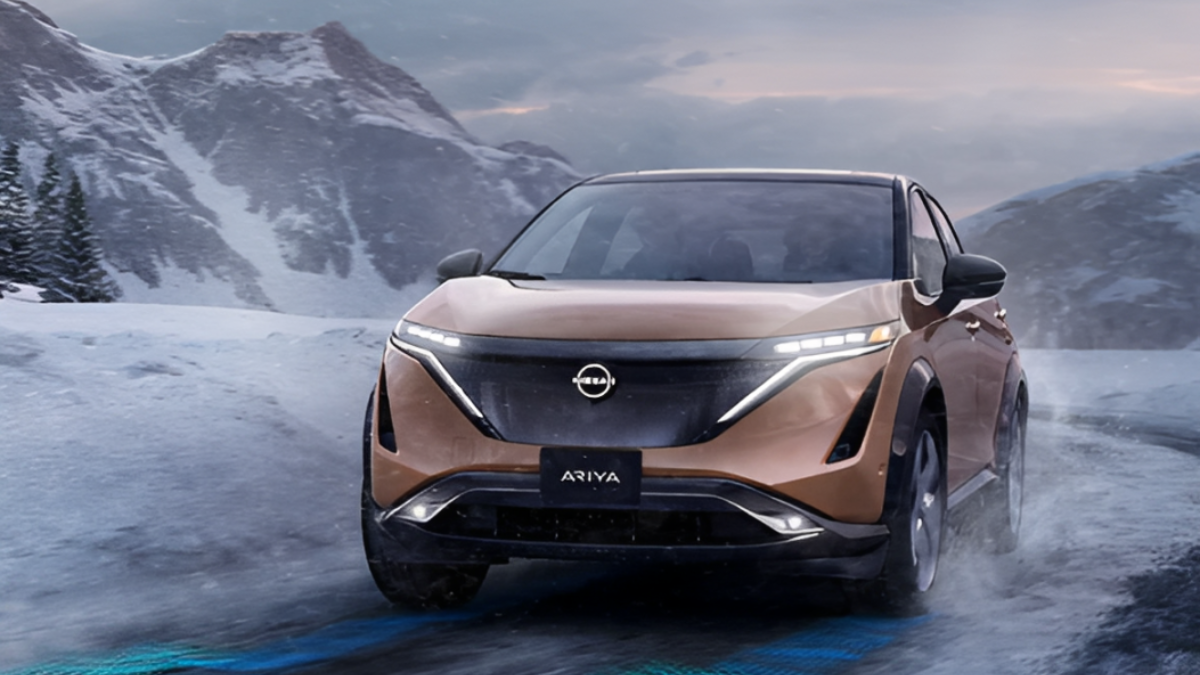
Mistake 1: treating “rear vents” like a solved problem
They are not. Rear vents can mean:
- one low vent path behind the console,
- proper rear controls,
- or a full tri-zone setup with upper and third-row airflow.
Those are not the same thing.
Mistake 2: ignoring row-three airflow
If the third row gets used even occasionally, this matters more than one flashy feature package. A summer weekend with kids or guests in the back will expose weak airflow fast.
Mistake 3: forgetting the stop-heavy pattern
A summer road trip is not only highway cruising. It is also:
- gas stops,
- food stops,
- trailhead or beach parking,
- and heat-soaked restarts.
A cabin that takes too long to cool back down gets annoying faster than buyers expect.
Mistake 4: assuming pets only need “open cargo space”
For many families, pets change the airflow pattern. A rear cargo setup can block vents, reduce circulation, or put the dog in the warmest part of the cabin if the climate system is weak in the back. That is why rear A/C is a real trip-utility issue, not a niche luxury feature.
What this means in the U.S. and Canada
This topic is broad enough for both countries, but the pressure shows up differently.
In the U.S., summer road trips often mean:
- high heat,
- long highway sections,
- and more severe cabin heat soak at stops.
In Canada, the same issue still matters, especially in southern provinces during summer travel or when the route includes long warm-weather drives with kids or pets. The difference is that the topic can look less “desert heat” and more “midday cabin comfort over repeated stops.”
Either way, the practical question is the same:
Can the rear of the cabin stay usable once the trip gets hot and repetitive?
What drivers should check before the next trip
This is the most useful part of the article because rear climate comfort is easy to overestimate.
1) Sit in row two and row three during the test drive.
Do not buy a family SUV based only on the front seats.
2) Check for rear controls.
If the second row has no real say in temperature or fan settings, that matters.
3) Look for where the air actually exits.
Ceiling or upper vents usually help more than a weak low vent setup in a packed three-row cabin.
4) Do a hot restart test if possible.
A vehicle can feel fine from cold and then struggle after a quick stop in sun.
5) Think about pet location.
If the dog rides behind the second row or near the cargo area, make sure airflow really reaches that space.
Bottom line
The summer road-trip test is simple: once the cabin is hot, full, and stop-heavy, rear A/C matters more than a lot of the features that get bigger billing. For 2026, the SUVs that make the most sense for passengers and pets are the ones that treat the back of the cabin like real occupied space. That means stronger airflow, better vent placement, and rear controls that actually make the trip easier. The practical win is not luxury. It is a calmer cabin with fewer complaints, fewer unnecessary stops, and less driver stress.