
According to Subaru’s drivetrain explainer, full-time AWD can send varying amounts of torque to both axles all the time, while Subaru describes 4WD as sending a more fixed amount of power and usually requiring driver input to engage it. Jeep’s official 4×4 FAQ makes the practical difference even clearer: with a part-time 4WD system, prolonged driving in 4×4 High is recommended only for wet, loose, or slippery surfaces, and normal dry pavement use should stay in 2WD. For real people in 2026, that is the entire article in one sentence: if the vehicle spends most of its life commuting and doing ordinary weekends, full-time AWD is usually the lower-friction answer; if the weekend regularly includes loose, rough, or truly slippery access roads, part-time 4WD can earn its keep—but it should not be treated like a set-and-forget system.
Quick takeaways
- Full-time AWD usually makes more sense for most real people because it works automatically in changing road conditions and asks less from the driver.
- Part-time 4WD makes more sense when the road is genuinely loose, rough, or slippery and the driver will actually use it that way.
- The mpg and wear penalty matters when capability is always carried but rarely used. Use EPA/DOE tools to compare the exact trims because drivetrain differences often show up there.
- Part-time 4WD is not “better AWD.” Jeep says prolonged use of part-time 4×4 High is for wet, loose, or slippery surfaces, not normal dry pavement.
- Tires matter more than the badge once winter gets real. Yosemite’s chain rules still require carrying chains in chain-control areas, even with 4WD.
First, the practical difference in plain English
This is not a dictionary article. It is about ownership friction.
Full-time AWD
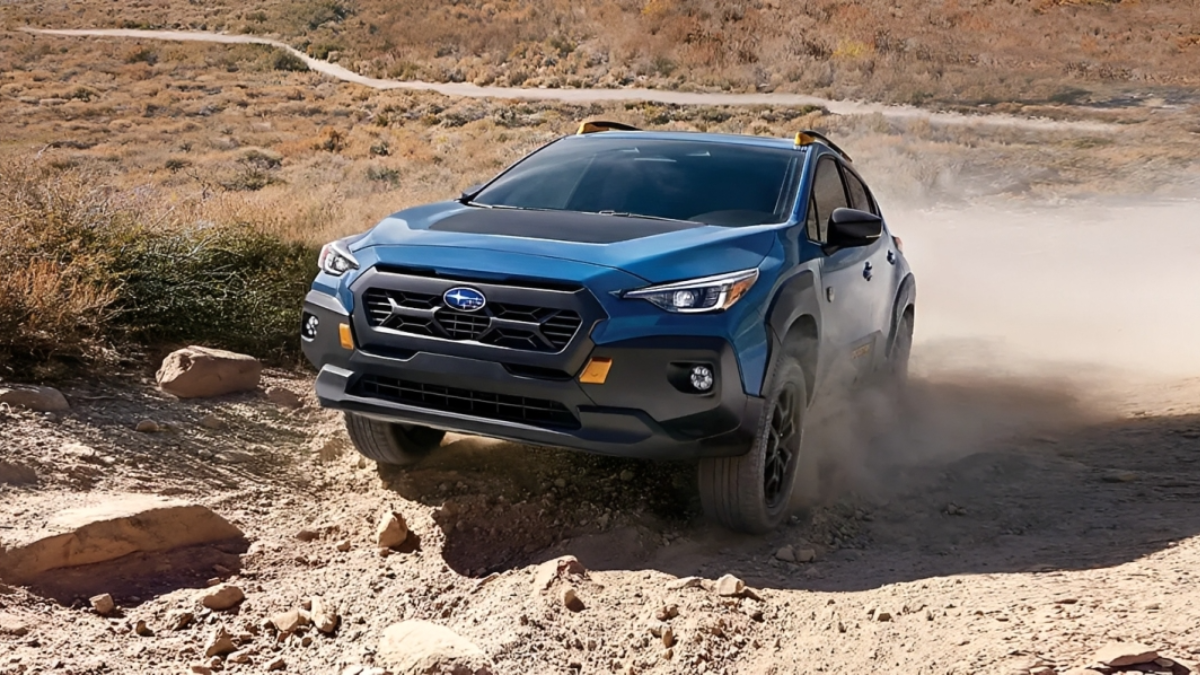
Subaru’s official explanation says AWD can deliver varying amounts of torque to the front and rear axles depending on traction needs. Subaru also says its full-time AWD systems deliver some degree of power to both axles at all times. In practice, that means the system is always “on” in the background and can react without the driver deciding when to switch modes.
For a commuter plus weekend user, this matters because the road can change quickly:
- rain starts mid-trip,
- a gravel turnout appears near the cabin,
- shoulder-season weather turns messy,
- a wet painted intersection catches one axle out.
The system handles those changes without adding one more thing to think about.
Part-time 4WD
Jeep’s official 4×4 FAQ says part-time 4WD operates by default as a two-wheel-drive vehicle and locks the front and rear wheels together when engaged. Toyota’s support guidance says if a vehicle has part-time 4WD, you will usually want to leave it in 2WD for most situations. Jeep is even more direct: prolonged use of 4×4 High with a part-time system is recommended only for wet, loose, or slippery surfaces, and on dry pavement the vehicle should be back in 2WD.
That is the key behavioral difference:
- Full-time AWD = less driver management, more all-weather convenience.
- Part-time 4WD = more deliberate tool, better for specific low-grip or rough situations, but not meant to stay engaged all the time.
Why full-time AWD makes more sense for most people
1) The commuter + weekend pattern rewards simplicity
Most real people are not driving a trail every Friday night. Their pattern is:
- weekday commuting,
- wet highways in season,
- occasional gravel roads,
- maybe a cabin driveway or ski weekend.
That mix is exactly where full-time AWD wins. It stays in the background and does not require mode decisions during routine driving. Subaru’s explanation of AWD as a system that varies torque automatically is the core reason it feels easy to live with.
This is very roadmapmag: the best setup is often the one that stays boring.
2) It fits mixed pavement better
Part-time 4WD is a better fit for loose or slippery surfaces because it is not supposed to be treated like a normal dry-pavement mode. Jeep’s official wording is useful here: part-time 4×4 High is for wet, loose, or slippery road surfaces. That means the driver has to think about the road, decide when to engage it, and remember to get out of it.
For many buyers, that is not “more capable.” It is more management.
3) It is the cleaner answer for rain, shoulder seasons, and surprise conditions
A lot of weekend travel lives in the gray zone:
- cold rain instead of snow,
- dirty pavement plus gravel pull-offs,
- a road that starts dry and ends wet.
That is what full-time AWD is good at: mixed conditions that change faster than the driver wants to switch modes.
When part-time 4WD actually makes more sense
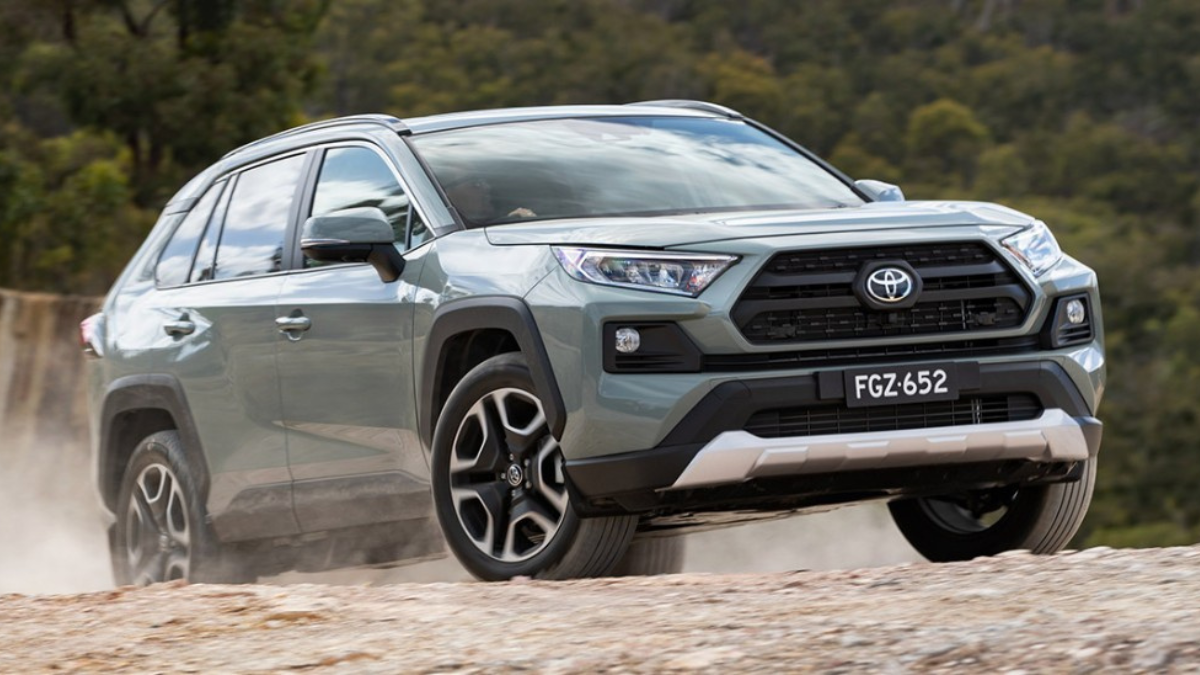
This is not an anti-4WD article. Part-time 4WD is still the right answer for some people.
1) Real rough-road access
If the weekend genuinely includes:
- loose gravel climbs,
- muddy approaches,
- deep snow,
- sand,
- or rutted roads,
then part-time 4WD starts making real sense. Jeep’s official FAQ frames part-time 4WD as optimal for off-road travel or challenging road conditions. That is the use case where the manual control pays back.
2) Repeated low-speed traction demand
If the vehicle often needs to crawl, climb, or pull through surfaces where traction is poor and speed is low, part-time 4WD is not a badge. It is a tool.
3) The driver understands the system
This matters more than marketing admits. Part-time 4WD is best for people who know:
- when to engage it,
- when to disengage it,
- and why dry pavement is not the place to leave it on.
If that sounds annoying, then the system is probably not for you.
MPG penalty, tire wear, and the always-on tax
This article should not invent specific mpg gaps across random models, because the penalty varies by vehicle. But the practical rule is still clear:
- more drivetrain hardware,
- more weight,
- and more aggressive off-road-ready packages
usually mean you pay something in fuel economy, tires, or both.
EPA/DOE’s fuel economy tools are the right place to compare exact trims. This is where the “real people” framing matters:
- if the vehicle spends 95% of its life on normal pavement,
- any permanent capability tax gets paid every week,
- even if the dramatic use case happens only a few times a year.
That is why full-time AWD often makes more sense than part-time 4WD for commuter-plus-weekend use: it covers the everyday conditions without carrying the same “off-road tool” vibe into every fuel stop and tire replacement.
On tire wear, Jeep’s official FAQ is again useful. It warns that using 4H or 4L on hard-surfaced roads causes increased tire wear and can damage driveline components. That is not a small detail. It is the difference between “confident” and “expensive mistake.”
The winter myth: neither system beats bad tires
This is where a lot of buyers get it wrong.
A stronger drivetrain label does not replace winter prep. Yosemite’s chain guidance is the cleanest proof: in chain-control areas, drivers still must carry chains, even with 4WD. In other words:
- drivetrain helps you move,
- tires and traction devices help decide whether you should be moving at all.
So if winter is real in your weekend life, the priority ladder is usually:
- proper tires and tread,
- traction devices when required,
- then drivetrain choice.
That is another point in favor of practicality over macho marketing.
What this means in the U.S.
In the U.S., the most common real-person pattern is:
- commuting during the week,
- highway weekends,
- occasional gravel roads,
- shoulder-season weather,
- maybe one or two snow-country trips.
That pattern is why full-time AWD has become such a strong middle answer. It reduces driver workload and covers the mixed-condition reality without asking the owner to manage a part-time system on every borderline day.
Part-time 4WD still makes more sense when the route is consistently rough or slippery enough to justify it. But for many buyers, that is a smaller group than marketing makes it sound.
What you can do: the 5-minute drivetrain reality check
1) Count the truly rough trips.
If the answer is “a few big weekends a year,” part-time 4WD may be overkill.
2) Describe the road honestly.
Maintained gravel is not mud. Wet pavement is not a trail.
3) Check the owner-behavior requirement.
If you do not want to think about 2WD vs 4WD modes, that answer already points somewhere.
4) Compare the exact trims on FuelEconomy.gov.
Do not assume the penalty. Check the real version you would buy.
5) Prioritize tires if winter matters.
That often changes the weekend more than the badge.
Bottom line
For real people in 2026, full-time AWD usually makes more sense when the vehicle is a commuter and weekend tool, because it handles changing conditions automatically and fits mixed pavement better. Part-time 4WD makes more sense when the road is genuinely rough, loose, or slippery often enough to justify the extra driver involvement and the tradeoffs in wear and efficiency. The smartest choice is not the toughest-sounding label. It is the setup that matches how the vehicle actually gets used.