
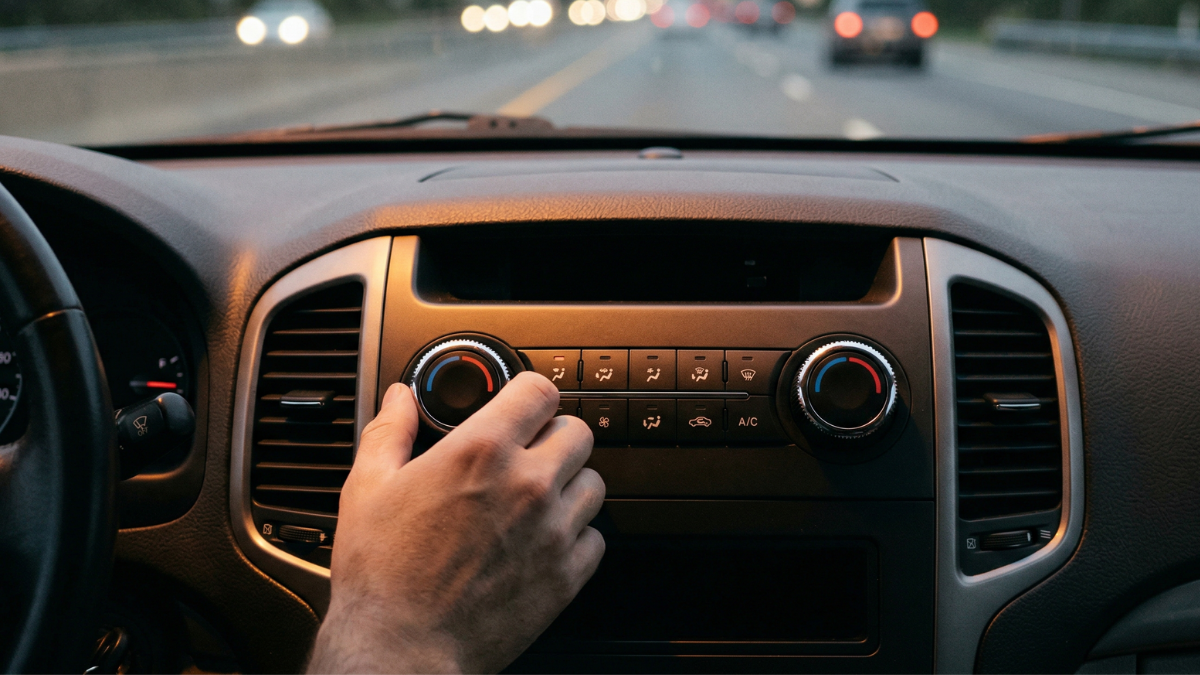
Four hours into a highway drive, someone in the back is too warm. The driver reaches for the temperature control. What happens next reveals more about the vehicle than any spec sheet.
In an SUV with a physical temperature knob, the adjustment takes about half a second: reach, turn, done. Eyes stay forward. The driver feels the detent of the knob under their fingers and knows without looking whether it moved left or right. In an SUV where climate is controlled through a touchscreen, the same adjustment takes two to five seconds, requires visual confirmation that the finger landed on the right zone, and — in the ones where climate is buried in a submenu — requires a tap to open the menu, a tap to find the control, and a swipe or tap to adjust the value. The TRL research behind the touchscreen safety concern, cited by the U.K.’s Transport Research Laboratory, found that eyes-off-road time for touchscreen climate adjustments can reach 16 seconds at highway speeds (→ see “Touchscreen-Only Climate Controls” in this series).
On a four-hour drive, climate adjustments happen repeatedly. The cumulative distraction is not a single event — it is a pattern. Which vehicles handle it best matters more on a long drive than any other interior feature.
Quick Takeaways
- Physical climate knobs and buttons require near-zero eyes-off-road time — a driver adjusts temperature by feel without looking; a touchscreen requires the driver to locate, tap, and confirm a result, taking 2–16 seconds per adjustment
- Euro NCAP’s January 2026 protocol update rewards vehicles for physical controls on frequently used functions including climate — placing physical knobs directly in the safety scoring framework for the first time
- Hyundai Motor North America’s SVP of product planning, Olabisi Boyle, stated at the 2026 New York Auto Show that Hyundai will “always” retain physical buttons for volume and climate: “The key things that you have to do repeatedly are going to stay manual knobs. They just are.”
- The 2026 Subaru Outback reversed course from its previous generation — replacing the touchscreen-embedded HVAC controls with a dedicated physical panel including rotary dials and separate fan speed and AC buttons
- The 2026 Mazda CX-5 went the opposite direction — moving climate controls into its new large display, making it one of the few Mazda models to abandon physical HVAC controls (→ an exception to Mazda’s prior commitment to physical controls)
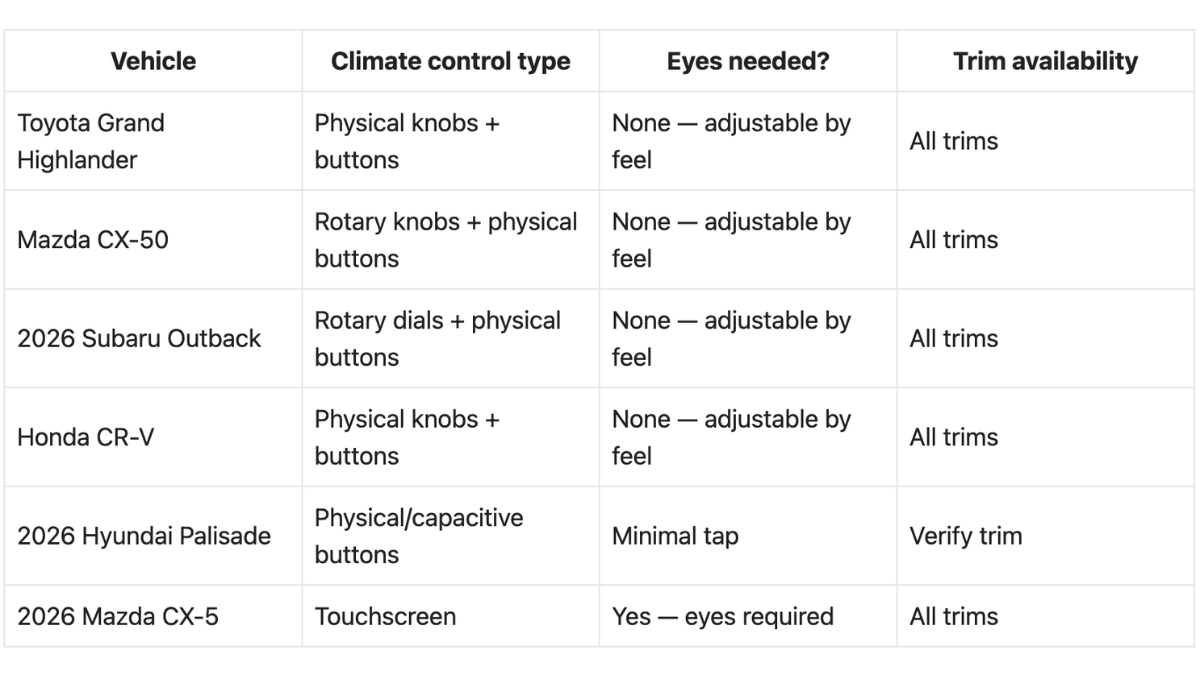
- Best-in-class physical climate control for long drives in 2025–26: Toyota Grand Highlander, Mazda CX-50, 2026 Subaru Outback, Honda CR-V, and the 2026 Hyundai Palisade
Why Climate Controls Matter More Than Most Interior Features
The argument for physical climate controls on a long drive is not about nostalgia or technophobia. It is about the specific pattern of use that a multi-hour drive imposes on the system.
On a commute, climate is set once at the start and rarely adjusted. On a four-hour family drive, the temperature varies with sunlight angle, passenger metabolism, and the number of people opening windows. Someone gets cold, then warm. The driver adjusts. A passenger asks for more fan speed. The defroster clears a fogged windshield. These adjustments happen dozens of times over a long drive — none of them individually significant, but cumulatively representing a meaningful portion of the driver’s cognitive load.
Consumer Reports’ human factors engineer Maddie McCarty put the difference directly: “Simple controls — especially ones that you can use by gripping a knob or feeling a button — are easier to use without taking your eyes off the road. Touchscreens require drivers to focus on the screen, search for where to place a finger, and then try to tap that spot. This can be difficult while driving down a bumpy road.”
Euro NCAP’s 2026 protocol formalized this concern into the safety scoring framework. Under the updated rules, taking effect from January 2026, vehicles are awarded points for physical controls on frequently used functions — with climate control explicitly cited alongside audio volume as the primary use-case targets. Matthew Avery, Euro NCAP’s director of strategic development, stated: “The overuse of touchscreens is an industry-wide problem, with almost every vehicle-maker moving key controls onto central touchscreens, obliging drivers to take their eyes off the road and raising the risk of distraction crashes.”
The Euro NCAP update also mandates physical controls for five safety-critical functions — turn signals, hazard lights, horn, wipers, and emergency call — as a requirement for a five-star rating. Climate controls fall under the broader “Safe Driving” scoring category, where physical access earns points without being a binary requirement.
The Landscape in 2025–26: Who Kept Them, Who Didn’t
The current generation of midsize SUVs splits into three groups on this dimension:
Retained full physical climate controls: Toyota Grand Highlander, Honda CR-V, Honda Pilot, Mazda CX-50, Mazda CX-90, Jeep Grand Cherokee, Toyota 4Runner, Toyota RAV4 (2025 model; the all-new 2026 has different controls — verify before purchase)
Returned to physical controls after removing them: Subaru Outback (2026 redesign), Hyundai Tucson (re-added physical knobs after complaints), Hyundai Palisade (2026 redesign re-centered physical controls)
Touchscreen-only or limited physical access: 2026 Mazda CX-5, Volkswagen Atlas (prior to mid-cycle updates), various EV-first models
The most significant brand-level commitment in 2025–26 came from Hyundai Motor North America’s Olabisi Boyle, speaking at the 2026 New York Auto Show: “We are always going to have — especially in a work truck — we are always going to have the buttons that people need to use a lot without looking at what they’re doing.” She named volume and climate control specifically. “The key things that you have to do repeatedly are going to stay manual knobs. They just are.”
This commitment arrived at a moment when Hyundai’s focus group research revealed what drivers had been saying informally for years. As Hyundai Vice President Ha Hak-soo explained to media at Hyundai’s California design center: “When we tested with our focus group, we realized that people get stressed, annoyed, and steamed when they want to control something in a pinch but are unable to do so.”
Five SUVs With the Best Climate Control Ergonomics for Long Drives
Toyota Grand Highlander — Best Execution in the Three-Row Class
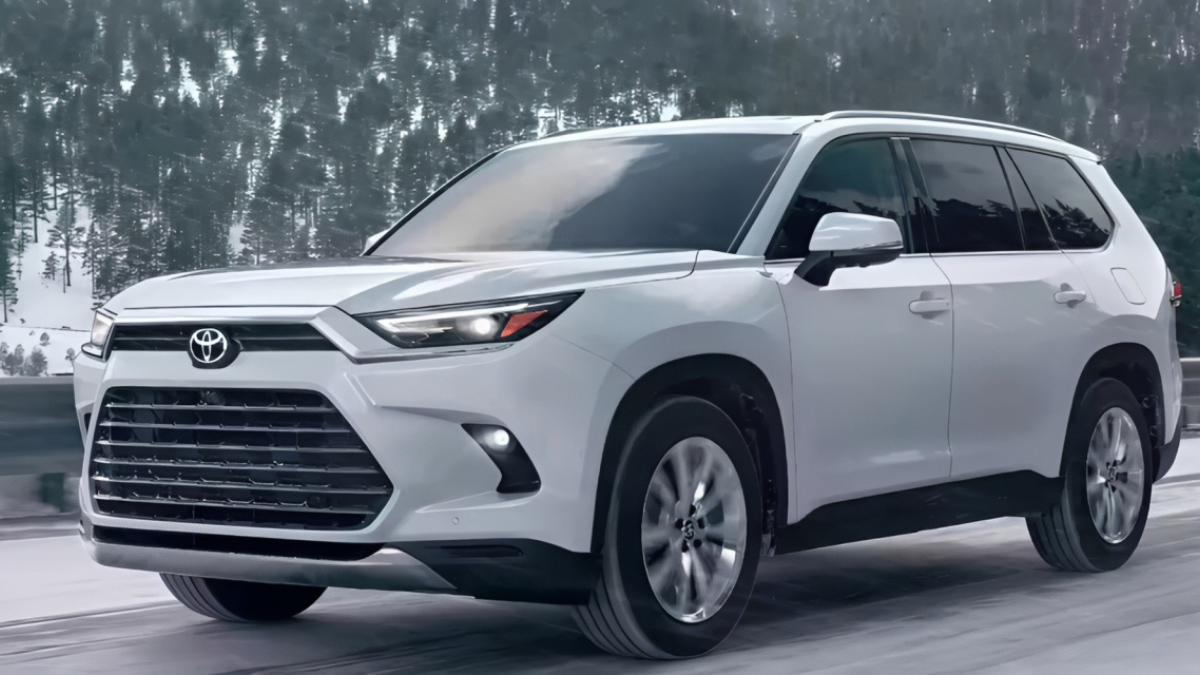
Autoblog’s top-6 physical controls ranking in 2025 specifically singled out the Grand Highlander’s climate execution: “Toyota’s approach is simple: keep tech available, but never let it become a barrier to core vehicle operations. The central climate command controls are 100% physical. Two large temperature adjustment knobs are front and center.” The review further noted a physical audio knob adjacent to the infotainment screen — a detail Toyota retains specifically because reaching for a physical knob while keeping eyes forward is measurably faster than navigating a touchscreen volume slider.
For a three-row family SUV used for weekend drives, the Grand Highlander’s physical climate panel means the driver sets temperature for the front, front passenger sets theirs independently, and rear passengers have their own zone — all without anyone navigating a menu. Heated seat controls are physical buttons at the outer edges of the panel, not nested in the infotainment screen.
Climate control type: Two large physical temperature knobs; physical fan speed, mode, and AC buttons; separate heated seat buttons
Relevant trim note: Physical climate controls are standard across all Grand Highlander trims, not reserved for upper configurations.
Mazda CX-50 — Best Driver-Centric Control Layout
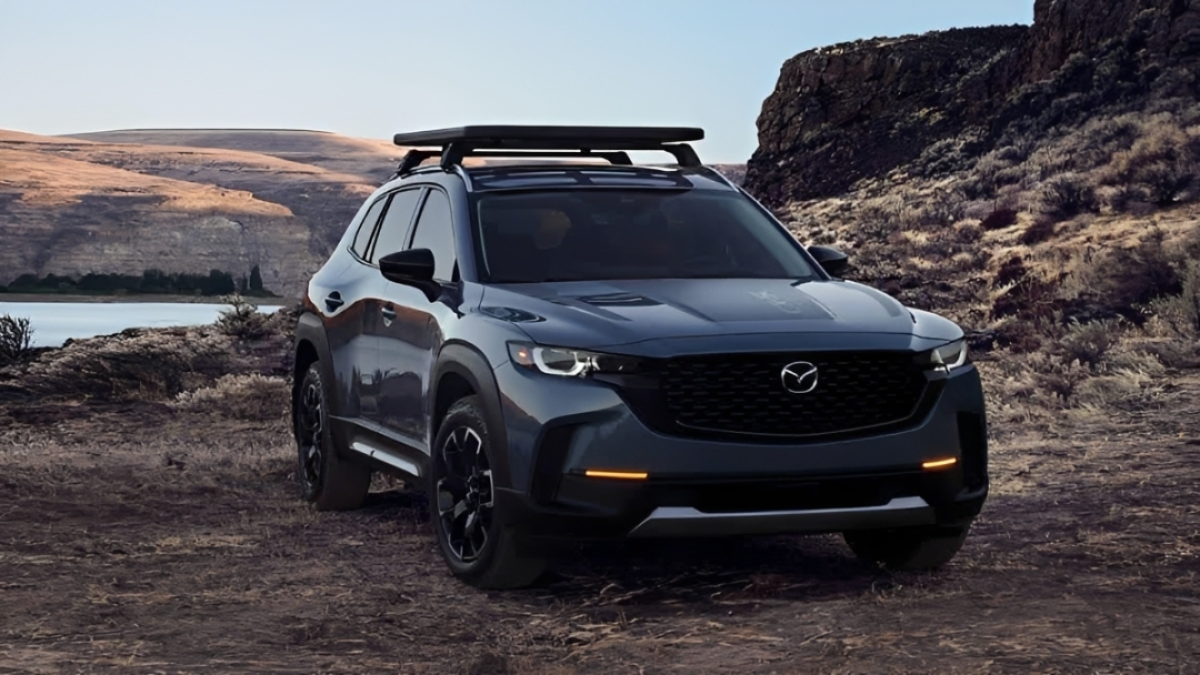
Mazda’s philosophy for the CX-50 extends physical control commitment to every frequently used function. The central console houses a rotary Commander dial for navigating the infotainment menu — meaning even software functions can be accessed without touching the screen. The climate panel sits below on a separate, dedicated strip: rotary temperature knobs flanked by physical buttons for fan speed, mode, and recirculation, with heated and ventilated seat buttons at the outer edges.
Autoblog describes the arrangement as “grippy temperature adjustment knobs and a simple line of physical buttons for dual-zone climate settings that remain easily accessible on the center stack. They’re also precise and well-placed for easy reach while driving.”
The CX-50’s layout specifically addresses what consumer feedback studies consistently show: the most frequently adjusted control during a highway drive is temperature, and the second is fan speed. Both are physical knobs or buttons on the CX-50 — neither requires screen interaction.
Note on the CX-5: The 2026 CX-5 moved climate controls into its new large display, departing from the CX-50’s approach. For buyers specifically seeking physical climate controls in a Mazda, verify the specific model — the CX-50 and CX-90 retain them; the 2026 CX-5 does not.
Climate control type: Rotary temperature knobs, dedicated physical buttons, Commander rotary for all other functions
2026 Subaru Outback — Most Notable Return to Physical Controls
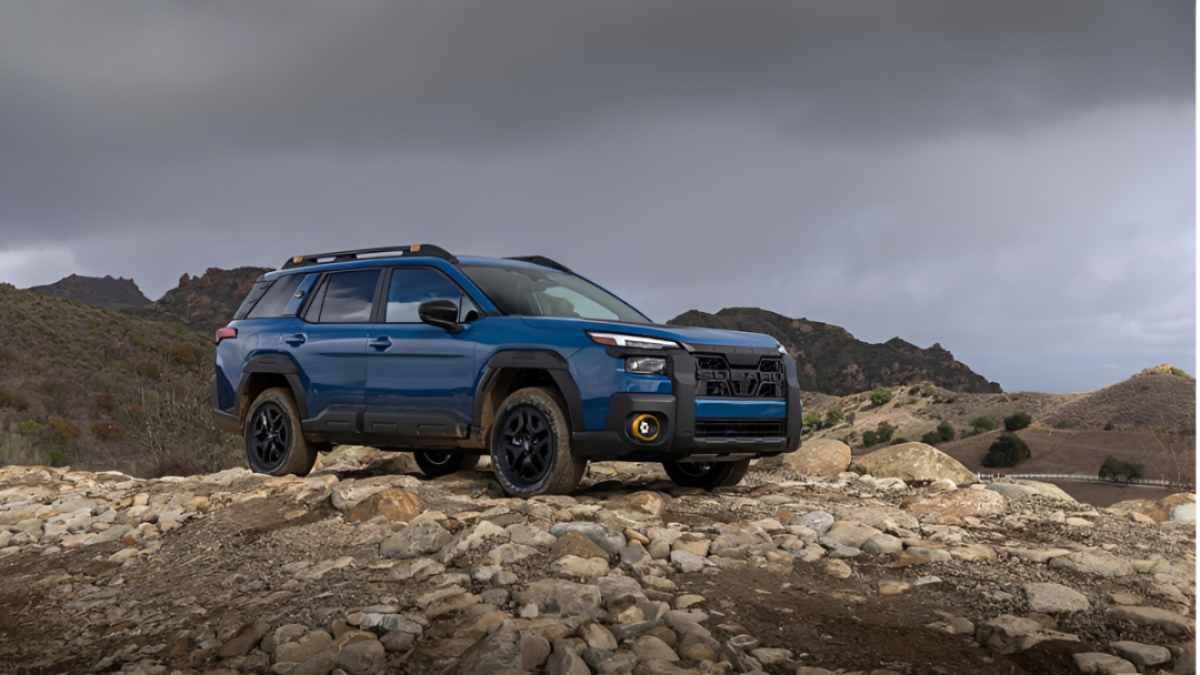
The 2026 Outback’s climate control change is the clearest example in the current model year of an automaker explicitly reversing course in direct response to driver feedback. Carscoops’ coverage of the 2026 redesign documented the reasoning: “Like so many other carmakers, in the last-generation Outback, Subaru followed a trend that never quite worked: removing physical buttons for the climate system and burying them deep in the touchscreen menus. This time, the brand has reversed course.”
The new layout places a small HVAC display below the central air vents, flanked by two rotary dials for temperature adjustment. Below those sit separate physical buttons for fan speed, air conditioning, and seat heating. The previous-generation Outback had moved these functions into a large portrait touchscreen; the 2026 redesign returned them to dedicated hardware.
For drivers who had given up on the Outback because of the touchscreen climate controls in the 2020–2025 generation, the 2026 model represents a correction worth knowing about.
Climate control type: Two rotary temperature dials; physical fan speed, AC, and seat heating buttons; 12-inch horizontal infotainment screen for navigation and media only
Starting price: $34,995 (2026), excluding destination
Honda CR-V — Most Consistent Physical Controls Across All Trims
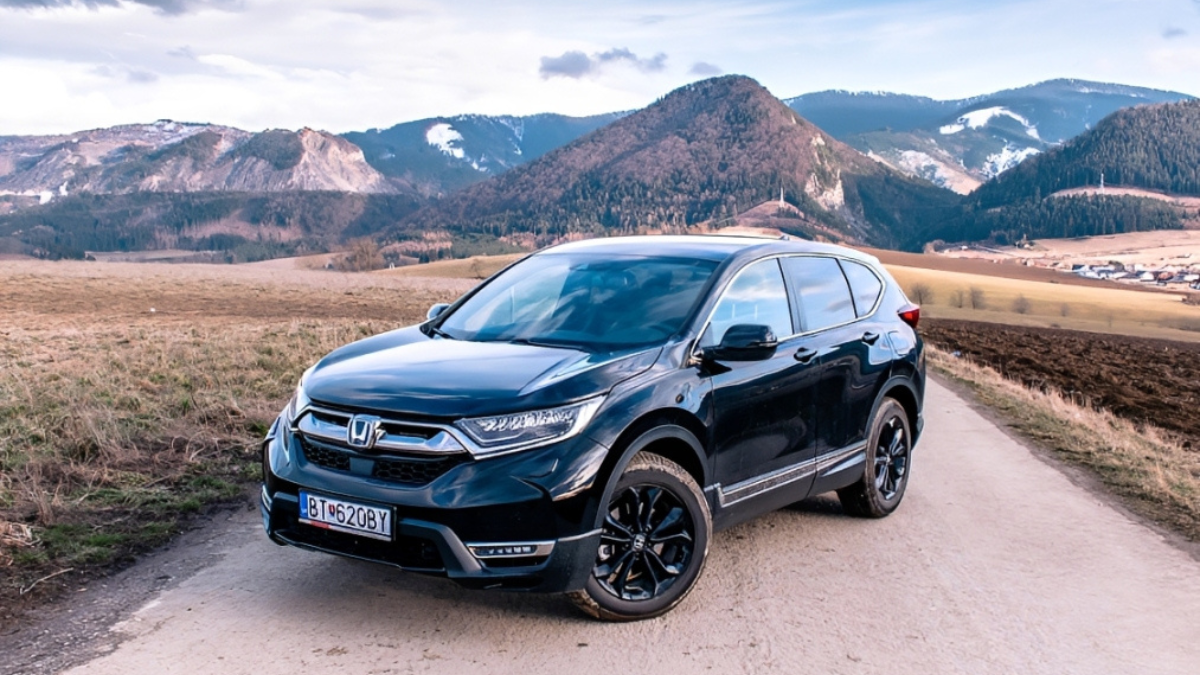
The CR-V earns its position through consistency rather than any single standout feature: physical climate controls are standard on every trim, including the base LX. Unlike vehicles where physical controls are reserved for mid-range or upper trims — and the base trim buyer gets a touchscreen-only climate system — the CR-V delivers the same knob-and-button layout from the entry point upward.
SlashGear’s detailed 2026 CR-V interior review confirms the climate architecture: temperature is controlled via knobs, with physical buttons for fan speed, air direction, AC, and recirculation below the infotainment screen. Heated seat buttons are also physical and directly accessible.
Honda Sensing — including adaptive cruise with lane centering — is also standard on all CR-V trims, meaning the driver who keeps physical climate controls also gets the full driver-assist suite that reduces fatigue on the same long drive (→ see “Lane Centering vs. Adaptive Cruise” in this series).
Climate control type: Physical temperature knobs; physical fan speed, mode, and AC buttons standard all trims
Recommended trim for long-drive use: EX-L (~$36,000). Adds heated front seats with physical buttons, a quieter cabin with acoustic glass, and ventilated seats — all accessible physically, not through the screen.
2026 Hyundai Palisade — Best Three-Row SUV Balancing Physical Controls and Technology
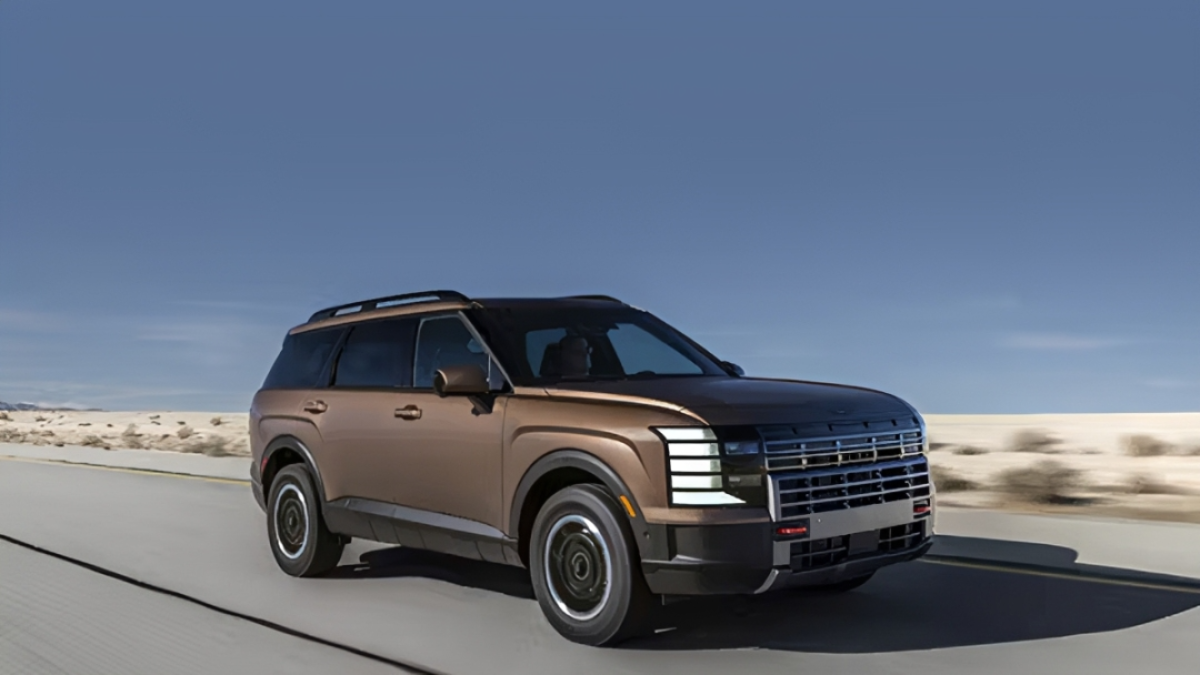
The 2026 Palisade redesign restored a dedicated physical climate section to the center stack — a deliberate choice after the previous generation attracted criticism for placing too much behind touchscreen menus. The updated layout keeps the dual 12.3-inch screens for navigation and media while returning climate, fan speed, and seat heating controls to physical buttons below the screen.
Hyundai’s stated design philosophy, articulated by lead designer Simon Loasby: “Our philosophy is to keep your eyes on the road and keep your hands on the wheel, and then you could very quickly look at what your frequent-use interactions are. There aren’t many — but you want them to stay as physical buttons because those are things I want to adjust without looking away.”
One nuance to verify before purchase: Consumer Reports’ review of the Palisade Hybrid noted that climate controls are on a “separate capacitive-touch display beneath the center screen” on some configurations — requiring a light tap rather than screen navigation, but without the tactile click-confirmation of a traditional knob. The distinction matters for gloved-hand or eyes-forward adjustment. Verify the specific trim’s control implementation at the dealer before purchase (→ see the grandparents article in this series for the Palisade climate panel detail).
Climate control type: Physical buttons below infotainment screens; some trims may use capacitive-touch panel — verify at dealer
The Comparison Table
What to Check at the Dealer
The spec sheet does not always make the climate control architecture clear. Before purchasing any SUV for long-drive use, three in-person verifications:
1. Adjust the temperature 3 degrees without looking at the screen. This is the literal test from the touchscreen article in this series. If the vehicle requires you to locate and tap a screen element, that is the pattern that will repeat dozens of times on a four-hour drive. If a knob turns by feel, it will not.
2. Find the fan speed adjustment without looking. Temperature knobs are often retained while fan speed migrates to the screen. A vehicle that keeps temperature physical but buries fan speed in a submenu has solved half the problem.
3. Locate the seat heater button without looking. On vehicles where heated seat controls are physical buttons flanking the climate panel, this takes about one second. On vehicles where they live in the infotainment screen, it requires a menu navigation every time.
These three checks take five minutes at the dealer and replace the need to read any review about “intuitive controls” — the experience is directly testable before purchase.
U.S. and Canada Note
For Canadian buyers, the physical climate control question has an additional cold-weather dimension. Gloved-hand operation of a touchscreen climate system in sub-zero temperatures — common in Ontario, Quebec, and the Prairie provinces from November through March — compounds the difficulty that touchscreen climate controls present even in temperate conditions. A physical knob operates identically with or without gloves; a capacitive touchscreen may not register through winter gloves at all.
The Euro NCAP physical control requirement specifically includes a glove-test provision: “These controls must also provide physical feedback even when drivers wear gloves.” For Canadian winter driving specifically, this is not a theoretical advantage.
The Toyota Grand Highlander, Mazda CX-50, and 2026 Subaru Outback all operate without screen interaction for climate adjustment — a meaningful advantage on winter drives in northern markets where the screen may also be slower to respond in extreme cold.
SOURCES
- The Drive: Olabisi Boyle, SVP product planning and mobility strategy at Hyundai Motor North America, at 2026 NY Auto Show — “always” retain physical buttons for volume and climate; “key things you have to do repeatedly are going to stay manual knobs. They just are.”
- Autoblog: Grand Highlander climate controls “100% physical,” two large temperature knobs; CX-50 rotary knobs and physical button strip; Toyota audio knob adjacent to infotainment screen
- Carscoops: 2026 Outback reversed course from touchscreen to dedicated physical HVAC panel; rotary dials flanking small HVAC display; separate buttons for fan speed, AC, seat heating
- Consumer Reports: Maddie McCarty, human factors engineer — “simple controls, especially ones that you can use by gripping a knob or feeling a button, are easier to use without taking your eyes off the road”
- Autoblog: Euro NCAP 2026 protocol — physical controls for five critical functions required for five-star rating; physical climate controls rewarded under “Safe Driving” scoring category; Matthew Avery quote on “industry-wide problem”
- Autoblog: Euro NCAP 2026 four-stage safety model; physical controls fall under “Safe Driving” stage; most significant update since 2009
- The Drive: Hyundai VP Ha Hak-soo — focus groups showed customers “get stressed, annoyed, and steamed when they want to control something in a pinch but are unable to do so”
- Motorbiscuit: Hyundai designer Simon Loasby — “keep the eyes on the road and keep your hands on the wheel”; everyday driver controls will be buttons in 2025–26 models; 2026 Outback seat heater controls now physical buttons
- SlashGear: 2026 Honda CR-V temperature knobs and physical fan/mode/AC buttons confirmed; Mazda CX-90 climate layout confirmed
- ETSC / Euro NCAP: Matthew Avery direct quote on “overuse of touchscreens”; physical controls for indicators, hazard lights, horn, wipers, eCall required for five-star; climate in broader Safe Driving scoring