
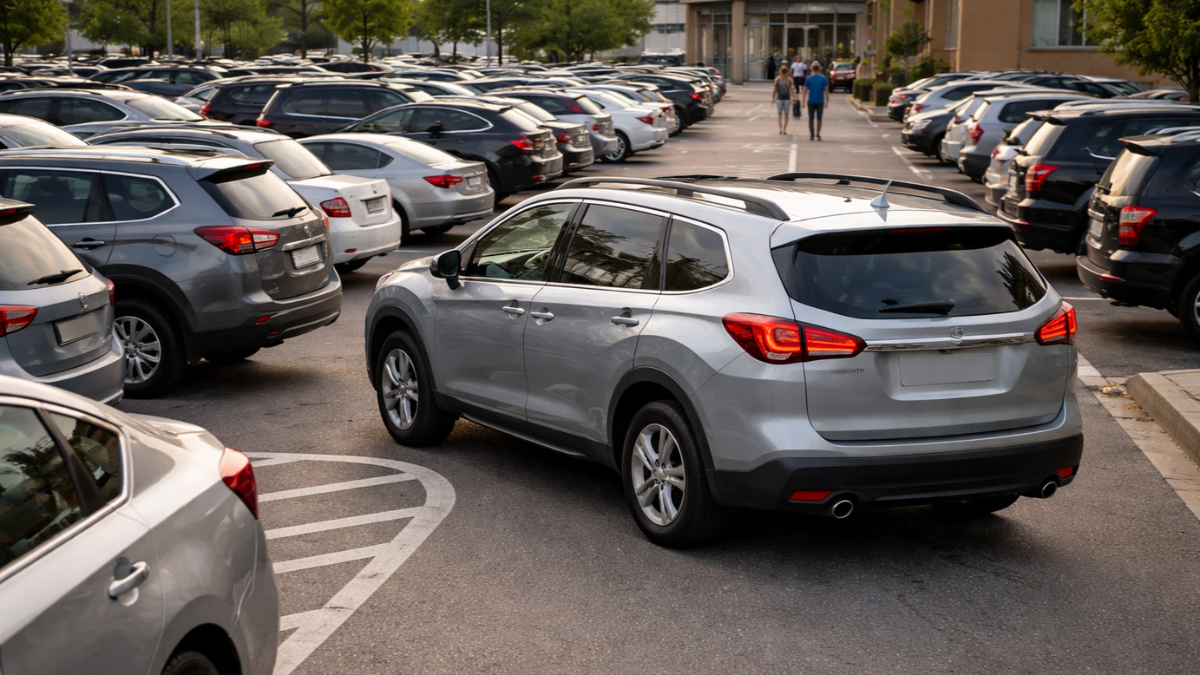
According to AAA’s Your Driving Costs 2025 study, a Medium SUV averages 83.89¢ per mile to own and operate, compared with 68.53¢ for a Compact SUV and 66.11¢ for a Subcompact SUV—a gap that shows up fast when a “quick” weekend becomes five short trips plus parking. IIHS adds a second, less obvious pressure: its November 2025 study found a large driver-side blind zone is associated with a 70% higher risk of striking a pedestrian while turning left, and it notes that thick A-pillars, bulky mirrors, and tall, long hoods can obstruct views. Put those together and the behavior shift makes sense in 2026: for many households, three-row SUVs still win when the third row is truly used, but they are being re-evaluated for short, stop-heavy weekends where parking stress, fuel burn, and loading friction matter more than extra seats.
Quick takeaways
- Short trips punish size. Stop-cycle weekends magnify parking stress, turning effort, and “footprint anxiety.”
- The cost gap is real. AAA lists 83.89¢/mile for Medium SUVs vs 68.53¢/mile for Compact SUVs—small numbers that compound when weekends repeat.
- Visibility matters in town. IIHS found large driver-side blind zones are linked to a 70% higher risk of left-turn pedestrian crashes.
- Many 3-row owners drive with row three folded. If it stays folded most of the time, you may be carrying weight and length without using the seats.
- Best decision method: decide whether the third row is a weekly feature or an annual emergency. If it’s not weekly, consider a smaller SUV (or a minivan for true three-row needs).
What changed in 2026: the weekend became stop-heavy
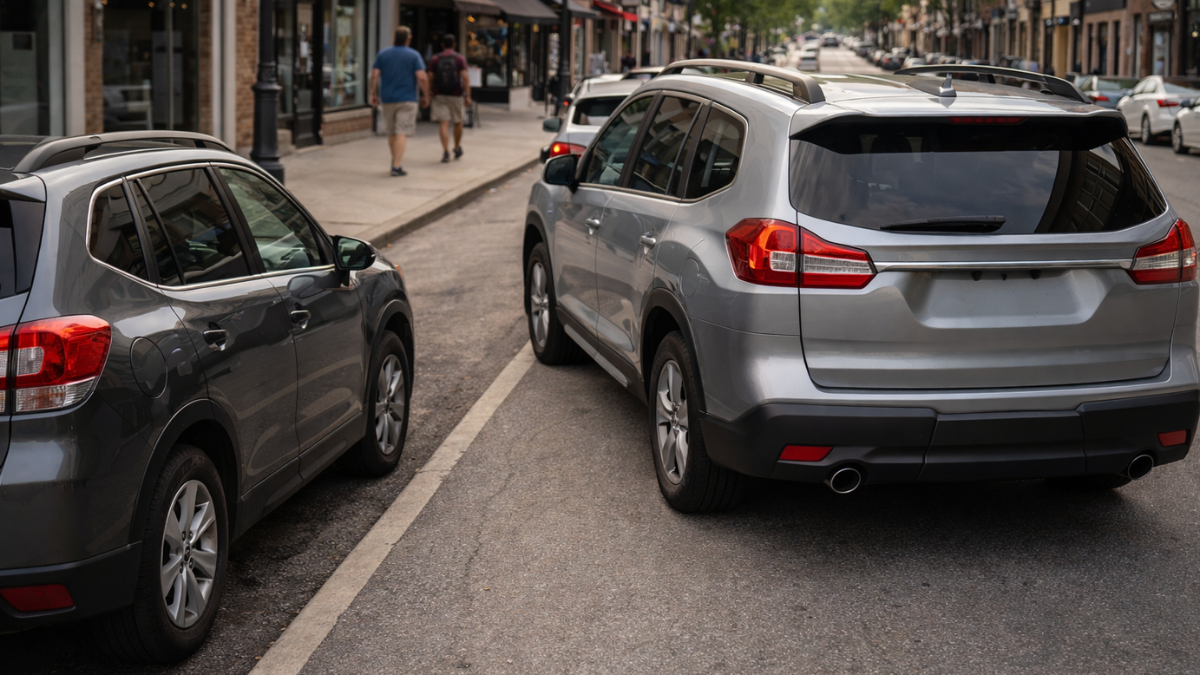
Weekend driving is less “one long cruise” and more a chain:
- grocery pickup,
- coffee stop,
- park trailhead,
- dinner parking,
- one more store run.
That chain is exactly where big vehicles feel expensive and tiring. The problem isn’t highway power. It’s how many times the driver must:
- place the vehicle in tight spaces,
- make low-speed turns,
- manage visibility in crowded lots,
- and unload/reload around other cars.
In other words, the weekend is a system test. A three-row SUV can pass it, but it needs to deliver real value in return.
Why short trips make 3-row SUVs feel “too much”
1) Parking stress becomes the dominant friction
Short-trip weekends are parking weekends. Every stop is a new spot and a new angle.
Bigger vehicles can create a repeating mental load:
- circling for a longer space,
- choosing “far corner” parking,
- avoiding tight garages,
- squeezing doors open for kids.
That’s not about skill; it’s about how often the task repeats on weekends.
2) The visibility story is changing
IIHS’ November 2025 study highlights a safety factor that also affects confidence: it found a 70% higher risk of left-turn pedestrian crashes associated with large driver-side blind zones, and it points to design elements like thick/slanted A‑pillars, bulky mirrors, and tall, long hoods.
On short trips, you do more:
- left turns across crosswalks,
- parking-lot turns,
- school-zone and neighborhood driving.
So visibility isn’t just a safety stat. It’s stress. If the driver feels they must over-check, creep, or guess, the car feels wrong faster.
3) You can pay “medium SUV” costs without using the third row
AAA’s cost-per-mile numbers make an important point: the category itself carries a cost premium. AAA lists:
- Subcompact SUV: 66.11¢/mile
- Compact SUV: 68.53¢/mile
- Medium SUV: 83.89¢/mile
If most weekend use is two rows with the third row folded, it’s worth asking: are you paying medium-SUV costs for compact-SUV living?
This is the quiet reason people re-think three-row SUVs for short trips: the third row is not being used often enough to justify the “always-on” penalties.
The annoyance factor: loading friction and “stop-cycle access”
Short trips create more load/unload moments:
- groceries in,
- groceries out,
- bags in,
- bags out,
- kid gear in,
- kid gear out.
A three-row SUV can actually be worse for this when:
- the lift-over height is high,
- the cargo floor is long but not easy to reach,
- or the best cargo volume requires folding seats each time.
This is why some households move in one of two directions:
- Smaller two-row SUV that packs seats-up cleanly and parks easily, or
- Minivan if they truly need three rows often, because sliding doors and family access are purpose-built.
Consumer Reports’ minivan buying guide notes minivans tend to be one of the easiest vehicle types to get into and out of and that third-row seats often provide decent room for average-sized adults—an access-first design that can be calmer for frequent stops.
When a 3-row SUV still makes sense for short trips
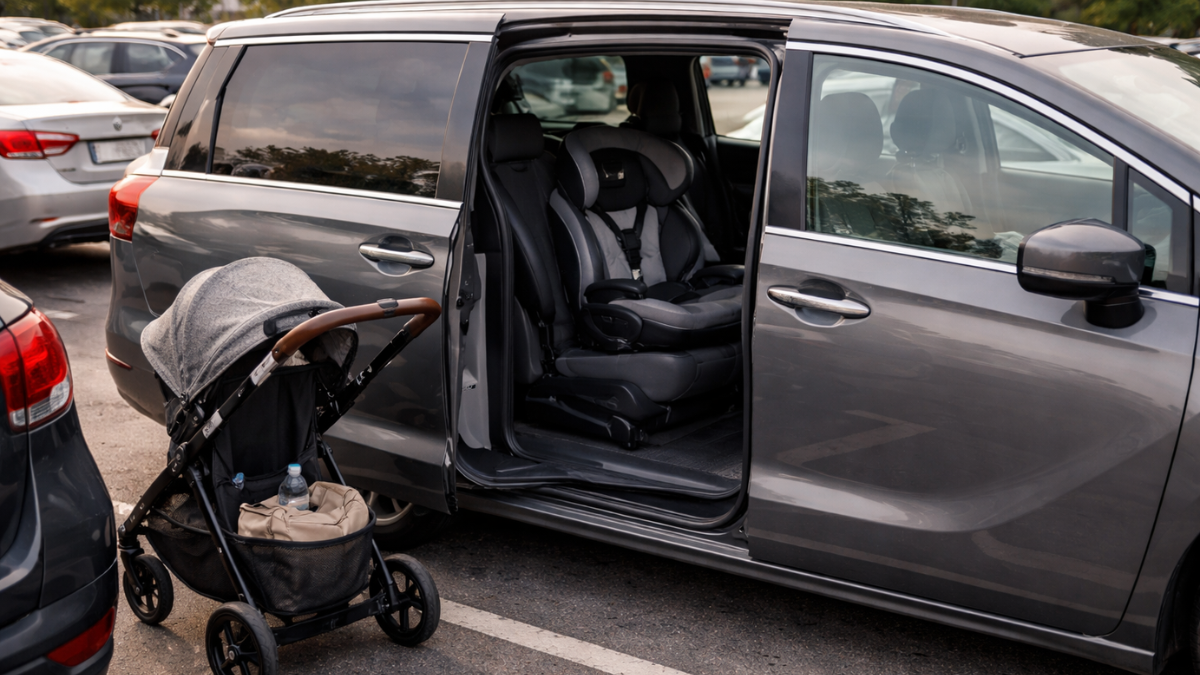
This isn’t an anti-3-row verdict. A three-row SUV still makes sense when the third row is truly part of life:
- you carry 6–7 people weekly,
- you carpool often,
- you regularly drive with grandparents + kids,
- you need towing plus seating (model-dependent).
In those cases, the extra size isn’t “wasted.” It’s used.
The issue is the gray-zone household: third row “maybe once a month,” but the vehicle’s footprint is paid every day.
What this means in the U.S.
In the U.S., weekend travel often mixes:
- busy parking at destinations,
- walkable districts with tight garages,
- and frequent short hops.
That environment amplifies:
- the cost-per-mile gap,
- the visibility and turning workload,
- and the repeated access friction.
So the 2026 behavior shift is rational: if the third row is rarely used, many households are choosing either a smaller SUV that stays easy, or a minivan if they truly need three rows with less parking-lot drama.
What you can do: the 10-minute “3-row reality” test

1) Third-row frequency check (2 min): do you use it weekly, monthly, or “just in case”?
2) Short-trip parking test (3 min): back into a tight spot and exit cleanly without stress.
3) Stop-cycle access test (3 min): open cargo, grab one item, close up; repeat once.
4) Visibility check (2 min): in a parking lot, do a slow left turn across a pedestrian path; note how much you must creep to see clearly.
If the third row isn’t used regularly and the parking/visibility tests feel tense, a smaller two-row SUV may deliver better weekend value. If the third row is used often, consider whether a minivan-style access solution reduces stress more than a “bigger SUV” does.
Bottom line
More weekend drivers are re-thinking three-row SUVs for short trips in 2026 because short trips magnify the always-on costs: parking stress, visibility workload, and stop-cycle loading friction. AAA’s cost-per-mile data shows Medium SUVs carry a meaningful ownership premium, and IIHS research highlights how blind zones and vehicle design can affect pedestrian risk and driver confidence in turning environments. Three-row SUVs still win when the third row is truly used—but for stop-heavy weekends, “easy to live with” is increasingly beating “bigger and more capable.”