
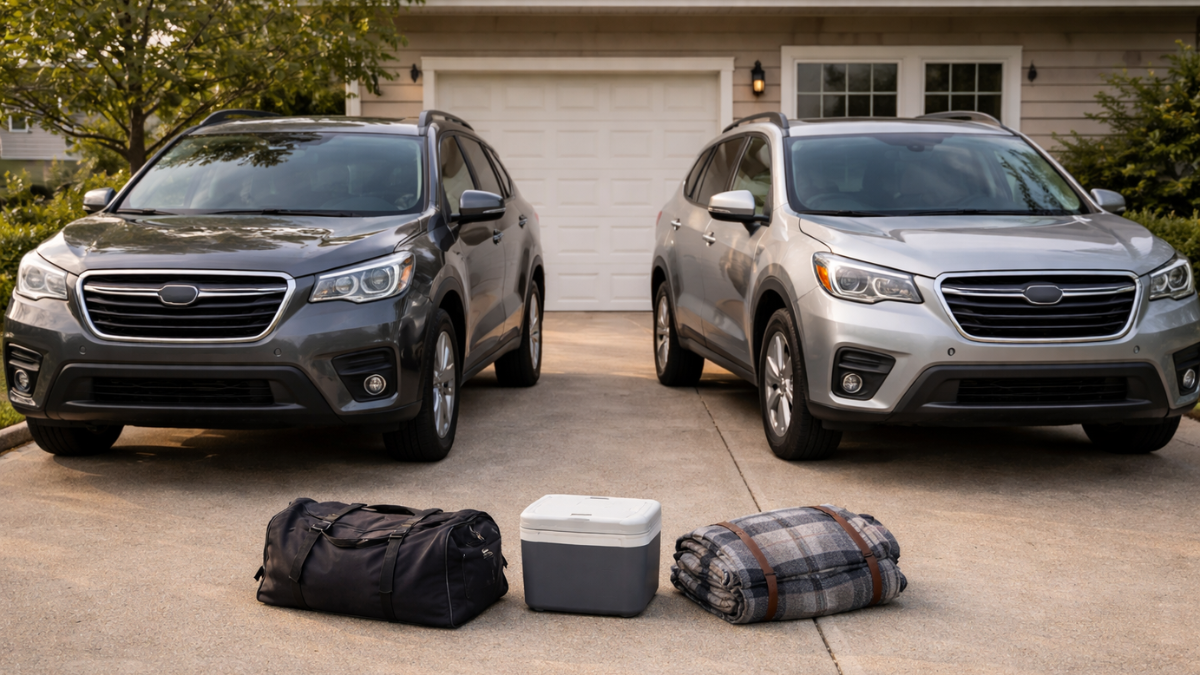
According to Experian’s Q4 2025 auto finance report, the average used-vehicle monthly payment was $537, versus $767 for new vehicles in the same quarter—an affordability gap that changes “weekend freedom” more than most features do. Edmunds adds that 20.3% of financed new-vehicle purchases in Q4 2025 carried $1,000+ monthly payments, a sign many shoppers are pushing past a comfort line just to buy new. And Cox Automotive’s mid-March 2026 update says the Manheim Used Vehicle Value Index rose to 213.4 (+5.3% year over year), a reminder used prices move—but used can still be the calmer ownership choice when the goal is lower payment, lower stress, and better real-world weekend utility.
Quick takeaways
- Used can win on payment headroom. Experian reports Q4 2025 averages of $537 used vs $767 new, which often translates into more “weekend flexibility.”
- New-car payments are stressing budgets. Edmunds says 20.3% of financed new purchases in Q4 2025 were $1,000+ per month.
- Used prices aren’t static. Cox Automotive’s mid-March 2026 Manheim index is 213.4, up 5.3% year over year—so timing and discipline matter.
- A used SUV can be a better weekend tool when it prevents workarounds (roof cargo, two-car convoys) and still parks easily.
- The right used SUV is the calmest unit, not the cheapest listing. History, tires, and a seats-up packing test matter more than the badge.
What changed in 2026: ownership stress became part of trip planning
Weekend travel “value” used to be mostly fuel and space. In 2026, it’s also psychological:
- a payment that feels too high makes every trip feel like a splurge,
- and any surprise cost (gas swing, parking, repairs) lands harder.
That’s why used SUVs are getting a second look. The main “change” isn’t that used is suddenly cheap. It’s that new has gotten expensive enough that a large share of shoppers are choosing between:
- a new vehicle with tight monthly cash flow, or
- a used vehicle with enough headroom to keep weekends easy.
Experian’s payment gap and Edmunds’ $1,000+ payment share quantify why this feels urgent.
The core weekend logic: payment headroom is a travel feature

For a weekend-driven household, the best “feature” is often budget slack:
- it absorbs higher gas prices,
- it absorbs parking and fees,
- it absorbs one surprise repair without canceling plans.
A used SUV can provide that slack because the amount financed is often lower. Even if the used APR is higher than a new promo offer, the payment can still be lower because the principal is smaller.
This is why used can reduce stress in a way new sometimes can’t: the trip feels optional again.
When used wins: the 4 scenarios that make it the better weekend choice
1) When the new payment pushes past your comfort line
Edmunds’ report that 20.3% of financed new purchases hit $1,000+ monthly payments captures the “stretch” problem. Stretch payments don’t just affect finances. They change behavior:
- fewer spontaneous weekends,
- more reluctance to take detours,
- more stress about parking damage and wear.
If the new payment is the thing you’ll think about on Friday, used is already winning the weekend.
2) When your weekend kit needs SUV geometry, not “new-car smell”
A used SUV makes sense when it solves a real weekend problem:
- seats-up packing for cooler + duffels + layers,
- easy liftgate access for repeated stops,
- a dog zone without turning the cabin into storage.
If a used SUV prevents roof-cargo workarounds and keeps the cabin tidy, it can deliver better weekend value than a new vehicle that forces constant packing compromises.
3) When depreciation risk matters to your timeline
Kelley Blue Book notes that on average, new cars depreciate about 30% over the first two years. That doesn’t apply equally to every model, but the pattern matters if your plan is:
- “own it for a few years of busy weekends,” then reassess.
In that timeline, used can feel safer because the steepest early depreciation may already be absorbed.
4) When you’d rather buy condition than features
A late-model used SUV often offers the comfort basics weekend travelers value:
- modern safety tech,
- usable driver aids,
- better noise control than older generations,
- and comfortable seating and storage.
The win comes from focusing on condition:
- clean maintenance history,
- good tires,
- no warning lights or quirky behavior,
- and a calm highway test drive.
That’s a better weekend outcome than paying extra for a brand-new trim that still doesn’t fit your real packing routine.
The real risk: used prices can move, and “cheap” listings can cost more
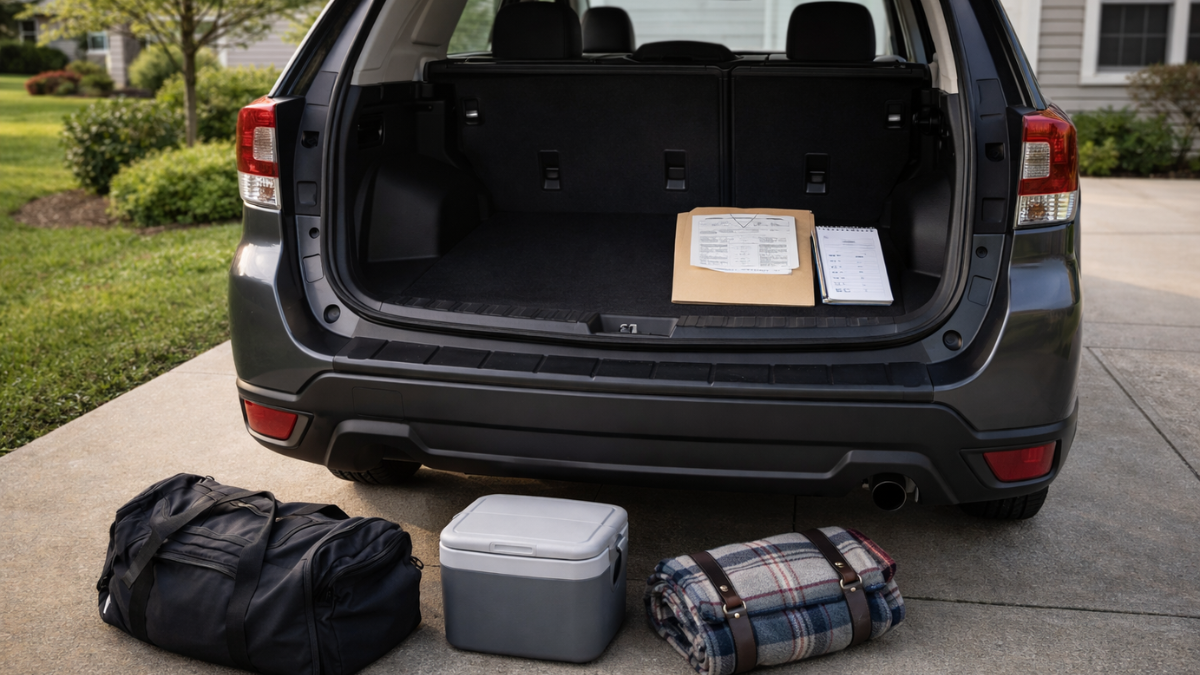
Cox Automotive’s mid-March 2026 Manheim index (213.4, +5.3% YoY) is the reminder: used value fluctuates. You don’t want to shop emotionally.
Two traps to avoid:
- chasing the cheapest listing (often the one with deferred maintenance),
- financing a used vehicle like it’s new (long term, high payment, low flexibility).
Used makes sense when it reduces stress. If the payment climbs too high or the history is unclear, the “used advantage” evaporates.
What this means in the U.S.
U.S. weekend travel usually mixes:
- highway miles at 70–80 mph,
- tight destination parking,
- and stop-cycle errands that punish awkward cargo access.
In that environment, a used SUV can be the best value when it delivers:
- seats-up packing that stays tidy,
- highway calm (noise and steering workload),
- and a payment that leaves room for real travel costs.
New can still be the right choice when warranties, incentives, and specific configurations matter. But for many 2026 shoppers, used is the simpler way to get the SUV utility without the financial tightrope.
What you can do: the 15-minute “used SUV weekend value” test
Use this checklist before you fall in love with a listing.
- Payment guardrail (3 min): set a hard max payment and term that still leaves weekend budget slack.
- History check (4 min): prioritize documented maintenance and clean ownership history.
- Seats-up packing test (4 min): cooler + two duffels + layers; confirm rear visibility and quick access.
- Highway calm test (4 min): short highway segment, audio off, fan low; note wind/tire noise and steering workload.
If a used SUV passes these tests, it usually delivers what weekend travelers want most in 2026: lower stress and higher real-life value.
Bottom line
A used SUV makes more sense than a new one for weekend travel when the payment gap restores flexibility, the depreciation timeline matches your plan, and the vehicle’s seats-up packing and highway calm fit your real trips. Experian’s Q4 2025 data ($537 used vs $767 new) and Edmunds’ $1,000+ payment share quantify why 2026 buyers are rethinking “new.” Used prices can still move (Cox/Manheim at 213.4, +5.3% YoY), so discipline matters—but the right used SUV can deliver the rare combo weekend travelers actually want: lower payment, lower stress, better weekend value.
SOURCES
- New Report From Experian Automotive Highlights Growth in Subprime Vehicle Financing
- Adapting to Change: Subprime Borrowers Re-entered the Market in Q4 2025
- More Than 1 in 5 New-Car Shoppers Committed to $1,000+ Monthly Payments in Q4 2025, According to Edmunds
- Manheim Used Vehicle Value Index: Mid-March 2026 Trends
- Car Depreciation Calculator