
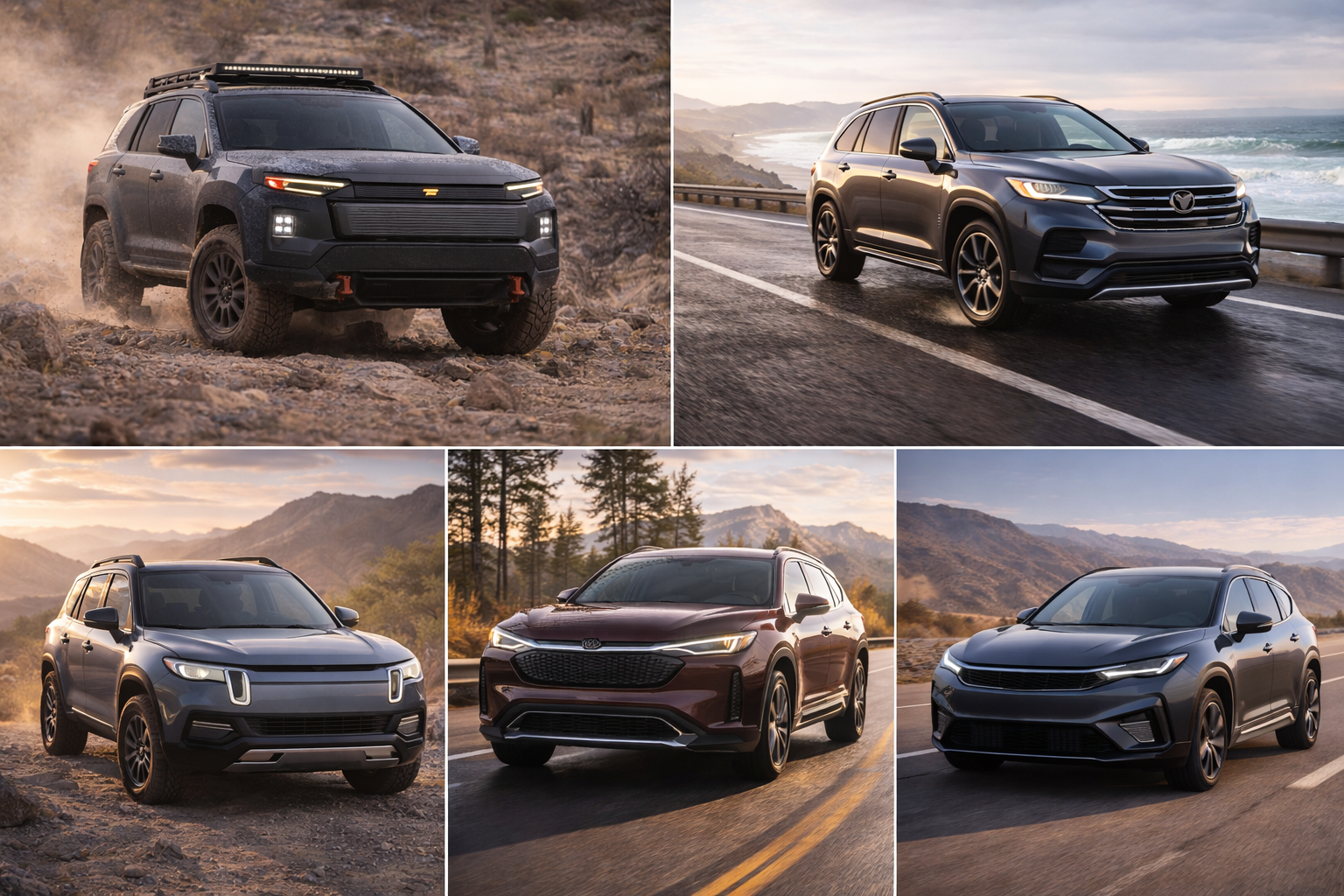
The 2026 American SUV market looks split in a very clear way. One lane is chasing electric range, fast charging, and premium screens. The other is still hunting for the sweet spot: real family space, lower running costs, and enough capability to make a weekend trip feel easy instead of expensive. That is why the most interesting U.S.-brand SUVs for 2026 are not all chasing the same buyer.
Why 2026 feels different
The big story is not that one brand found the perfect formula. It is that American SUV makers are pulling the category in different directions at once. Jeep is trying to hold onto rugged identity while going electric and hybrid. Rivian wants to move down from dream machine to real-buyer territory. Lucid and Cadillac are pushing luxury EVs harder. The result is a market that looks less settled than it did a year ago.
Quick takeaways
- Most likely volume disruptor: Rivian R2
- Most interesting mainstream comeback: Jeep Cherokee Turbo Hybrid
- Most ambitious off-road EV: Jeep Recon
- Longest-range luxury play: Lucid Gravity
- Premium family wildcard: Cadillac VISTIQ
2026 Jeep Recon: the boldest bet
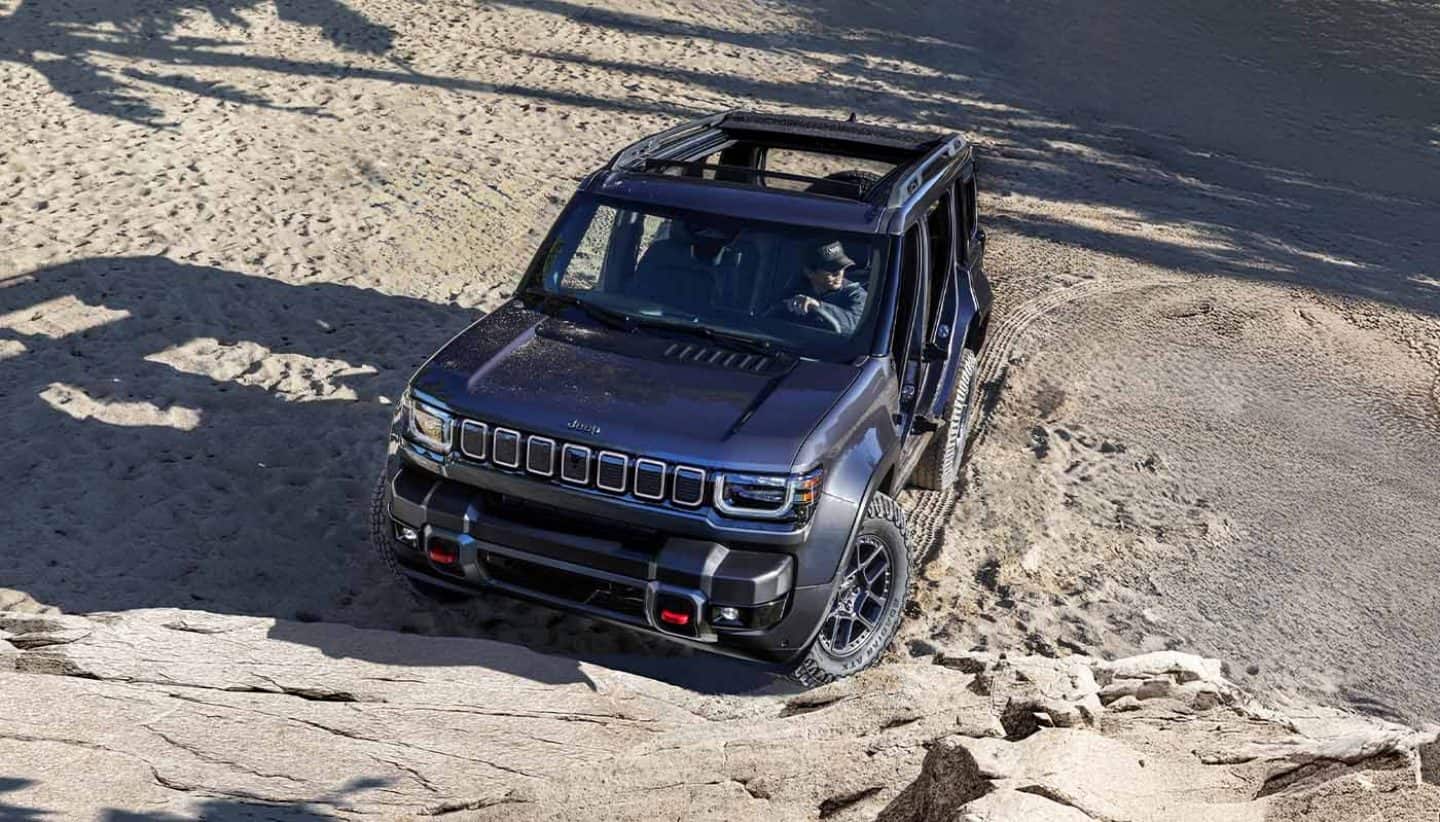
If one model sums up the risk-reward mood of 2026, it is the all-electric Jeep Recon. Jeep says it starts at $65,000, makes 650 horsepower, does 0-60 mph in 3.6 seconds, and offers up to 250 miles of estimated electric range. It also leans hard into open-air freedom with removable doors and glass, which is classic Jeep theater with a battery pack underneath.
Why it matters is simple. This is not another soft EV crossover with outdoorsy ad copy. Jeep is trying to sell a real identity vehicle. The possible problem is just as clear: 250 miles is not a huge cushion for highway miles plus trail use, and the price pushes it well above the zone where most family-SUV shoppers start. That makes Recon exciting, but not easy.
2026 Jeep Cherokee Turbo Hybrid: the practical swing
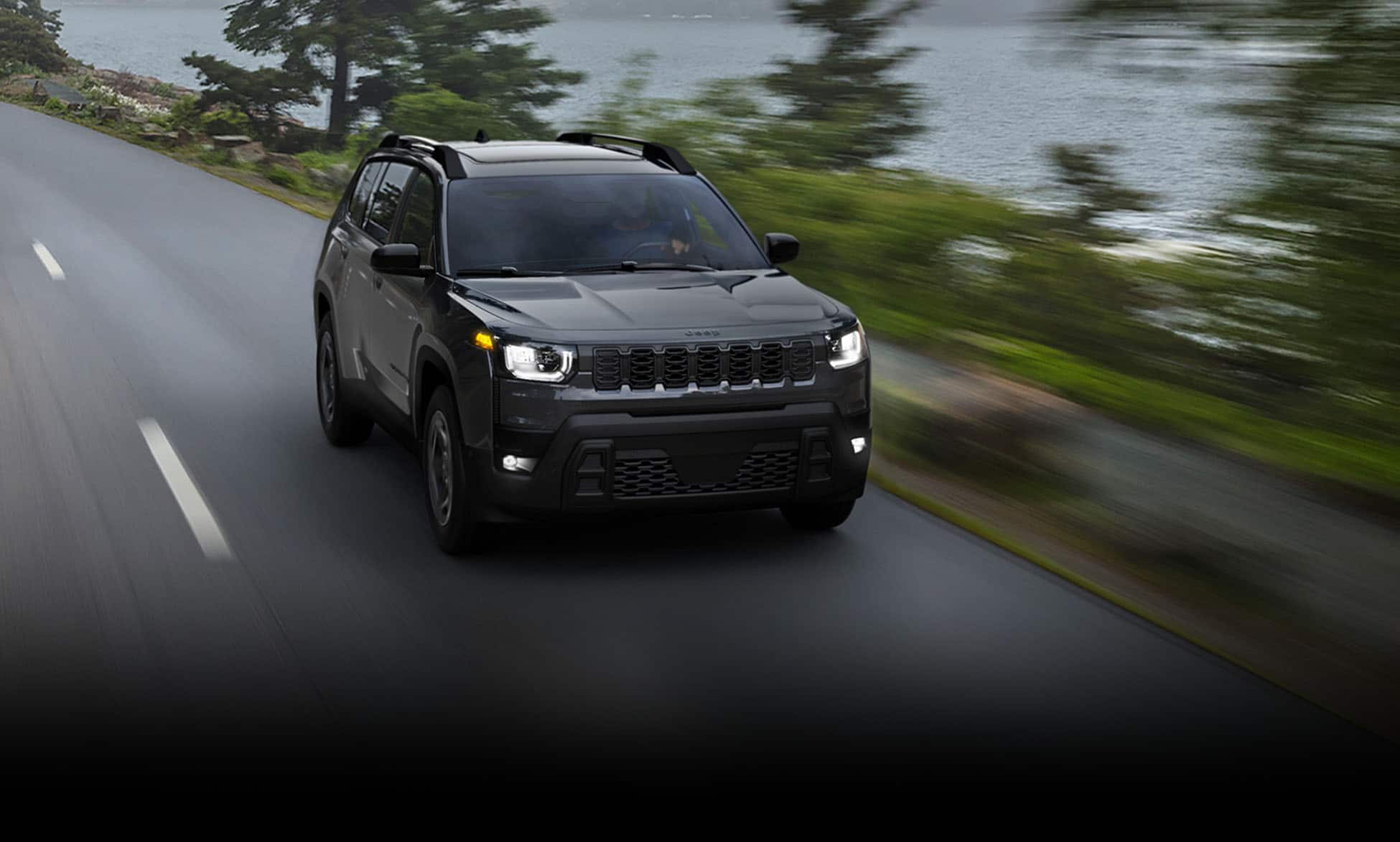
The new Cherokee may end up being the more important Jeep launch. On paper, it hits the exact pressure point many buyers still care about: familiar SUV shape, no plug, lower fuel pain. Jeep says the first-ever Cherokee Turbo Hybrid can deliver up to 37 combined mpg, around 500 miles of total range, 68.3 cubic feet of cargo space with seats folded, and up to 3,500 pounds of towing.
That is a strong mainstream pitch. It speaks to buyers who are curious about electrification but not ready to live around chargers. The catch is that this is a fresh hybrid setup with big headline promises, so the real test will be boring in the best possible way: price, real-world mpg, and how smooth it feels every day. If those three land, Cherokee could matter more than flashier launches.
Rivian R2: the model everyone will benchmark
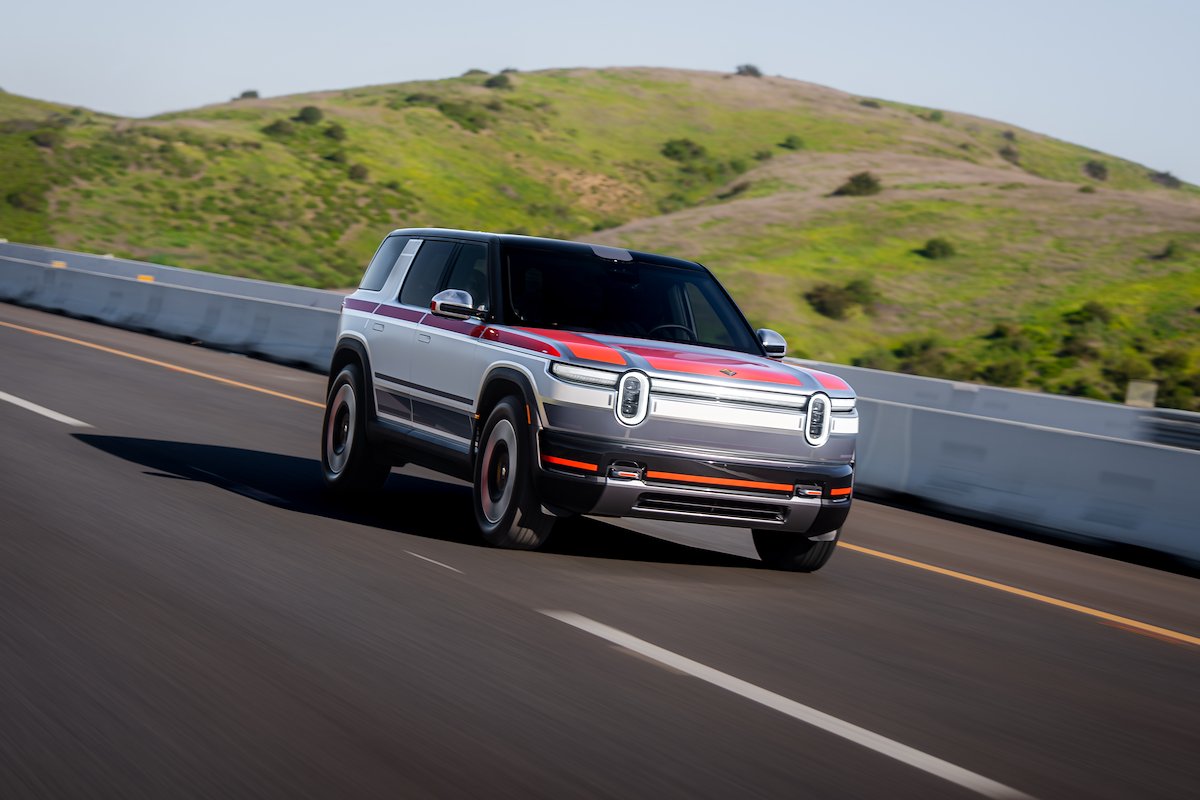
Rivian’s R2 looks like the vehicle that could pull the whole American electric-SUV conversation back toward the middle. Rivian says it is expected to start around $45,000, with deliveries slated for the first half of 2026. The company has also said larger-pack versions should clear 300 miles of range, while the quickest setup targets 0-60 mph in under 3 seconds.
That is why R2 feels bigger than one model. It is supposed to be the Rivian people can actually stretch for, not just admire. The design still looks like a Rivian. The adventure angle is still there. Yet the price target is much closer to where real volume lives. The weak spot is timing. Buyers have heard big promises from EV makers before, and Rivian still has to prove that it can scale this vehicle cleanly, keep quality tight, and hit the launch window without drama.
Lucid Gravity: range first, luxury second, speed too

Lucid is taking a different route. Gravity is not trying to be cheap or rugged. It is trying to make long-range family EV travel feel effortless. Lucid says the 2026 Gravity starts at $79,900, offers up to 450 miles of EPA-estimated range, seats up to seven adults, and can add up to 200 miles in under 11 minutes on a fast charger. Even the base Touring trim is listed at 560 hp, while Grand Touring reaches 828 hp.
That is a serious spec sheet. For buyers who want one three-row SUV to do airport runs, school duty, and long interstate trips without feeling like a compromise, Gravity has real pull. The likely problem is obvious: this is still expensive air, and luxury EV buyers have no shortage of options. Lucid does not just need praise. It needs scale.
Cadillac VISTIQ: premium family EV with real punch
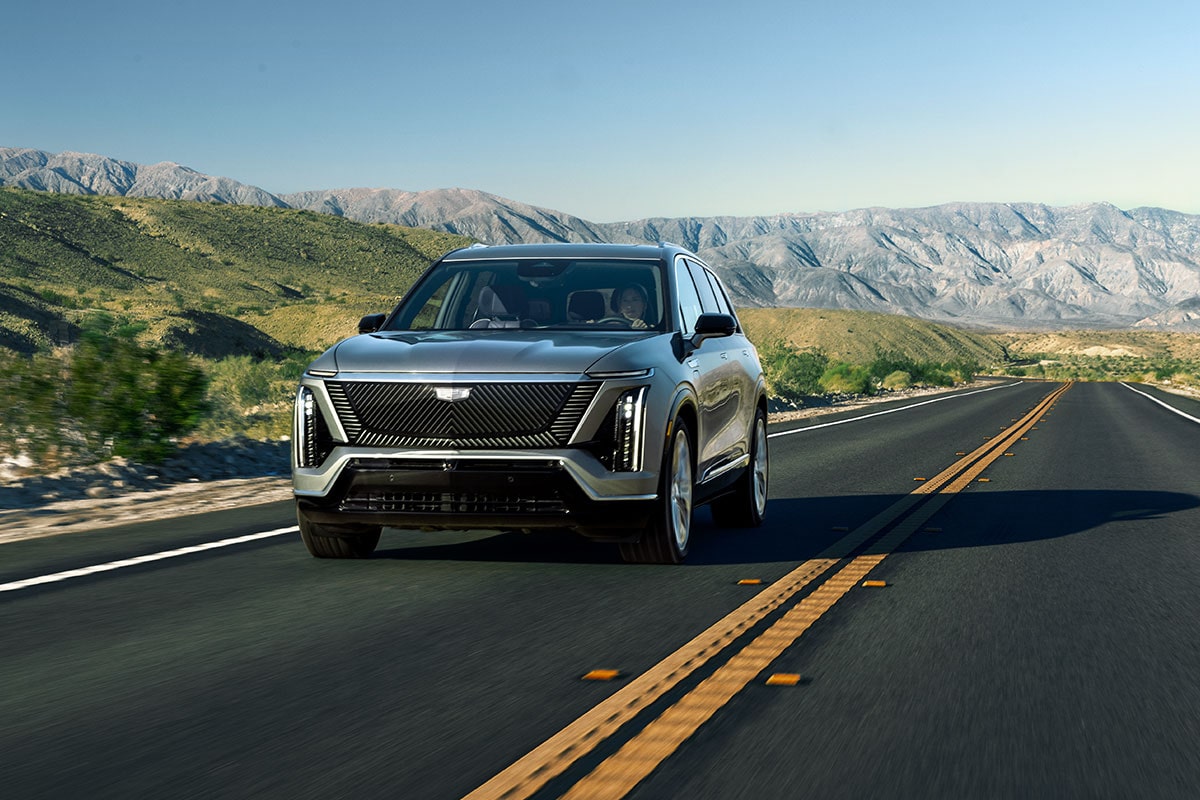
Cadillac’s VISTIQ may be the quiet threat in this group. It does not scream startup. It does not need to. Cadillac says the three-row EV offers up to 305 miles of range, 615 horsepower, 650 lb-ft of torque, standard Super Cruise, and room for up to seven passengers. Current Cadillac configurator pricing shows VISTIQ starting at $79,390.
What makes it interesting is balance. The numbers are strong, but the real play is emotional comfort. This is aimed at buyers who want a family EV that still feels expensive in the right way. The issue is positioning. At nearly eighty grand, VISTIQ sits in a price band where expectations get sharp fast. Buyers will want the tech to feel flawless, the ride to feel premium every day, and the charging story to feel easy from week one.
The market read
None of these SUVs is trying to win the whole country. That is the point. The 2026 American SUV field looks like a map of buyer anxiety and buyer hope. Recon is for identity-first shoppers. Cherokee is for people who want lower fuel bills without changing habits. R2 is the one that could reset expectations if Rivian nails price and launch. Gravity is the road-trip luxury answer. VISTIQ is the polished family EV play.
If you only watch one thing, watch whether R2 lands near its price target without losing the Rivian magic. That would ripple across the whole segment.
What to watch next: real dealer pricing, first independent drives, charging-speed tests in normal conditions, and whether Jeep’s hybrid Cherokee reaches the market with a clean value story.