

According to AAA’s daily fuel tracker, regular gas averaged about $4.66/gal in California and $3.06/gal in Illinois on March 2, 2026—two of the states that can bookend a classic Route 66 run. When fuel is that expensive, the “cheap” rental can quietly become the expensive part of the trip.
At a glance
- NPS describes Route 66 as stretching about 2,400 miles end-to-end; real itineraries often run longer once detours and city driving are added.
- A jump from ~30 mpg to ~50–57 mpg can cut fuel use by dozens of gallons over a 2–3 week loop.
- Even if a hybrid costs more per day, the pump savings can cover the premium on longer, higher-price routes.
The math that makes hybrids “pay for themselves”
A useful way to price this is gallons saved, then multiply by a realistic fuel price.
Gallons used = Trip miles ÷ MPG
A plausible two-week Route 66 trip can land anywhere from the “historic” distance to a longer, detour-heavy total (national parks, scenic segments, in-town cruising). NPS pegs the route at roughly 2,400 miles, but many travelers add substantial mileage.
Example scenario (detours included)
- Trip distance: 4,500 miles (Route 66 + detours + local driving)
- Fuel price assumption: $4.00/gal (a blended average; CA can be higher, IL lower)
- Compare: 28 mpg crossover vs 57 mpg hybrid
Fuel used:
- 4,500 ÷ 28 = 160.7 gal
- 4,500 ÷ 57 = 78.9 gal
- Saved: 81.8 gal
Savings:
- 81.8 × $4.00 = $327
If the hybrid costs an extra $10/day for 14 days ($140)—a common “upgrade premium” structure in rental pricing—there’s still room for a net savings in this scenario (~$187) if the higher MPG car is available at that premium. (Rental pricing varies by market and dates; treat the premium as an input, not a promise.)
Top 7 hybrids that make sense as Route 66 rentals
Below are models that are widely available as rentals (or as “similar or better” substitutions) and post strong EPA fuel-economy numbers—especially helpful in stop-and-go around Chicago, LA, and the small-town “main street” crawls that Route 66 encourages.
1) Toyota Prius (2025)
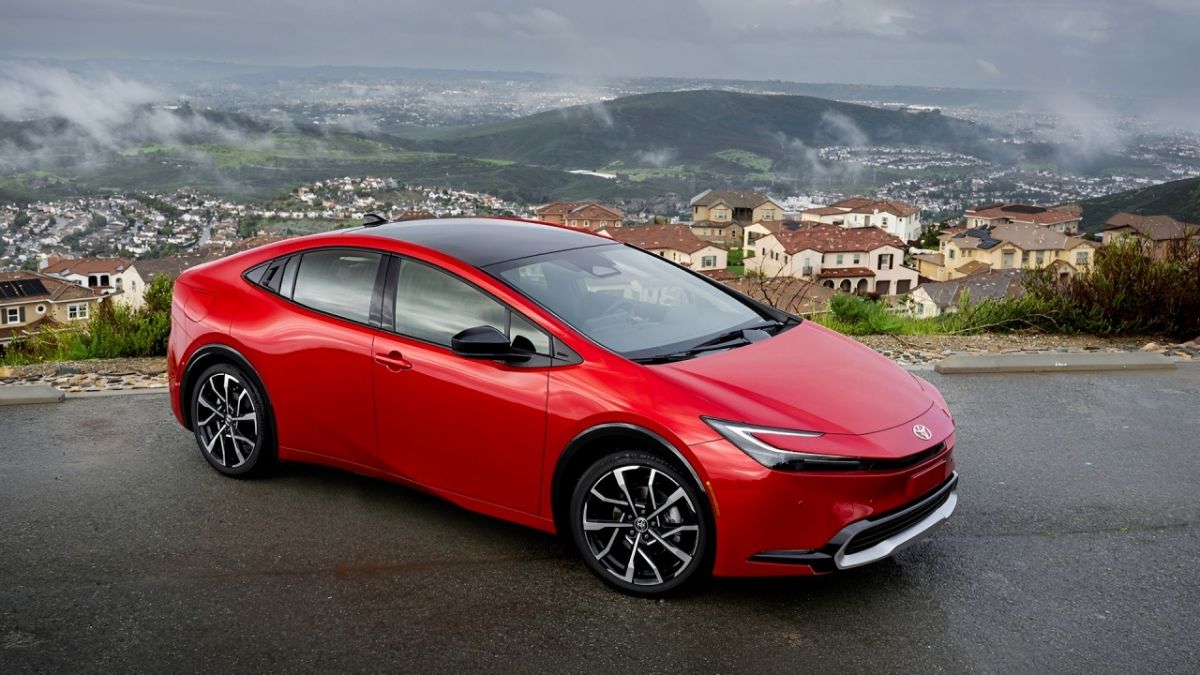
If the goal is pure fuel math, Prius is the benchmark. FuelEconomy.gov lists 57 mpg combined for the 2025 Prius (FWD).
Why it works on Route 66: long range between fill-ups and strong efficiency even with mixed highway/city.
2) Hyundai Elantra Hybrid (2025)
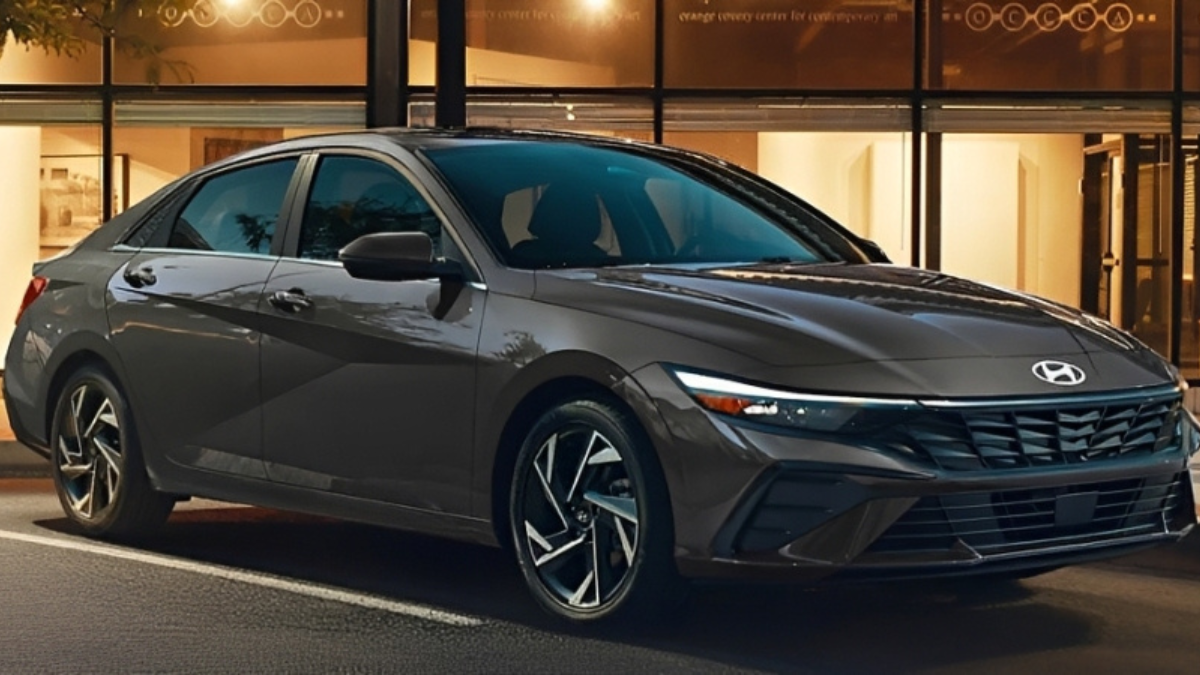
FuelEconomy.gov’s side-by-side listing shows the Elantra Hybrid Blue at 54 mpg combined.
Why it works: strong highway MPG for long interstate stretches, usually priced like a standard compact on many rental boards.
3) Toyota Corolla Hybrid (2025)
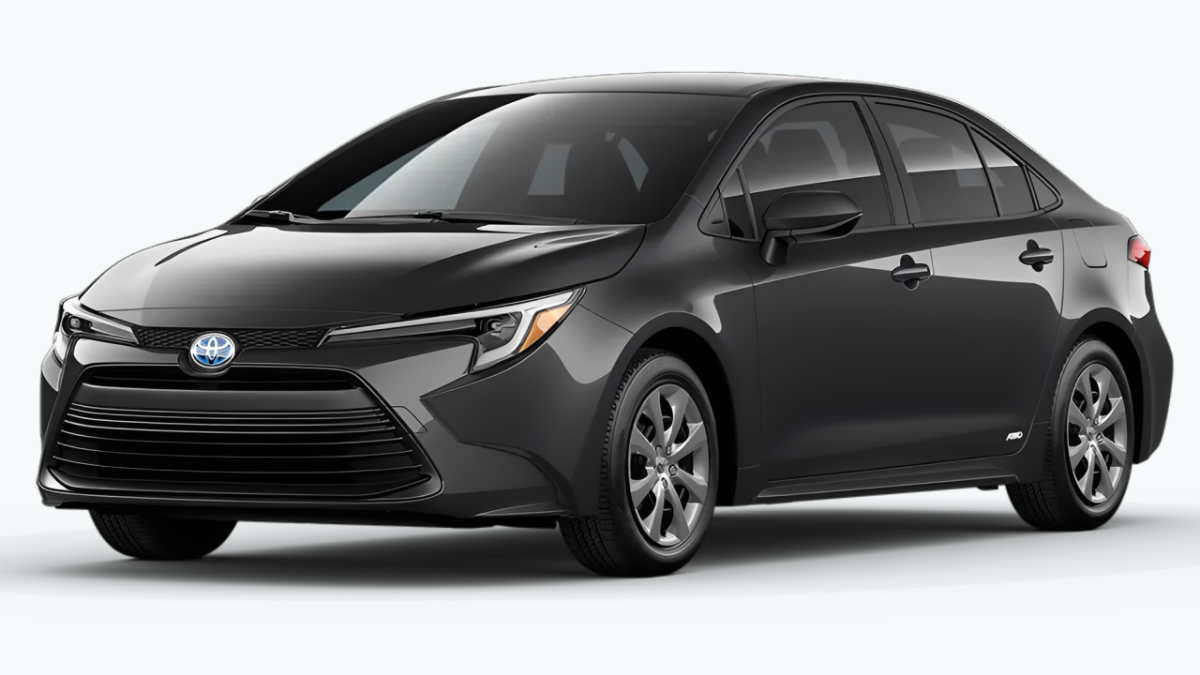
FuelEconomy.gov lists Corolla Hybrid variants up to 50 mpg combined.
Why it works: compact footprint for city parking + meaningful MPG improvement over a typical non-hybrid compact.
4) Kia Niro (2025)
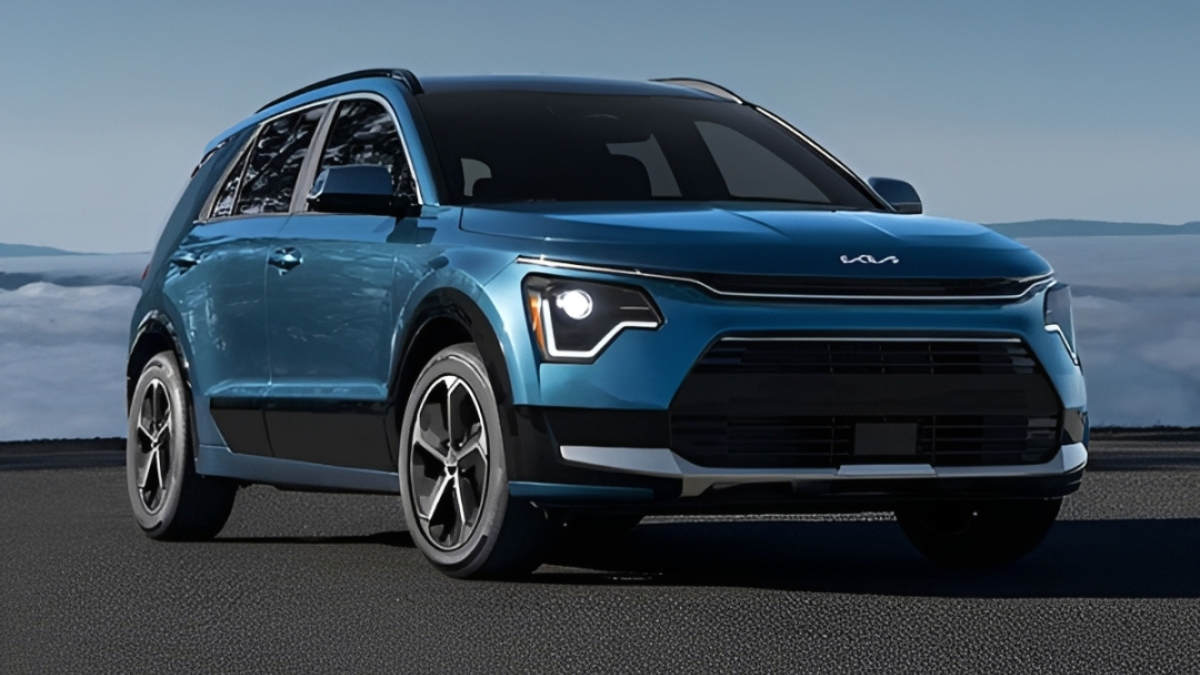
FuelEconomy.gov lists the 2025 Kia Niro FE at 53 mpg combined.
Why it works: crossover-like cargo utility with car-like MPG—useful if the trip includes luggage, coolers, and thrift-store “Route 66 finds.”
5) Toyota Camry Hybrid (2025)
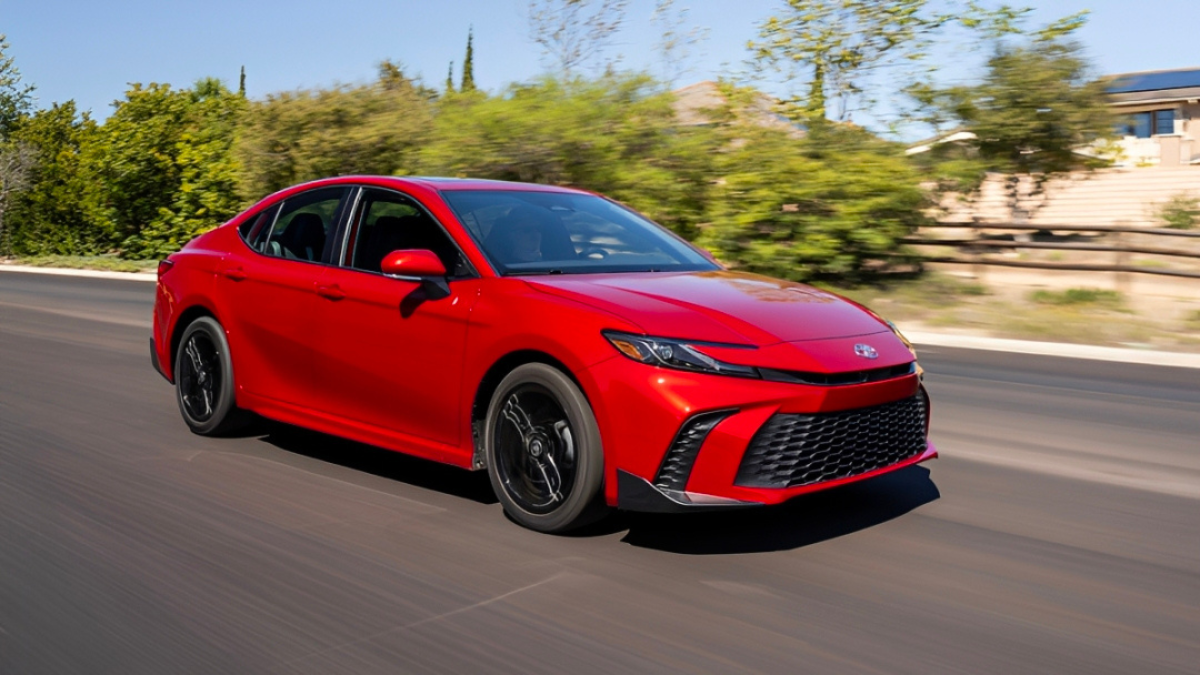
FuelEconomy.gov’s comparison page lists the 2025 Camry Hybrid LE at 51 mpg combined.
Why it works: midsize comfort for long days behind the wheel, still with MPG that can materially change the fuel bill.
6) Honda Accord Hybrid (2025)
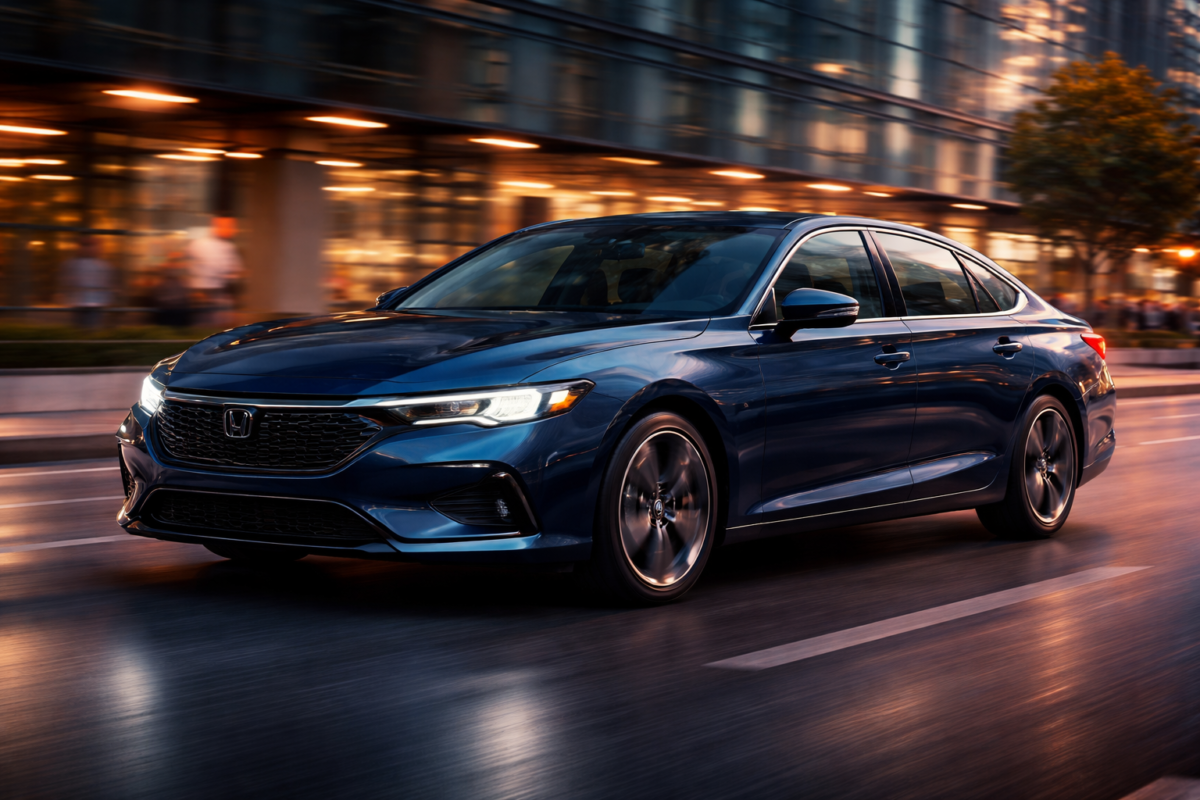
FuelEconomy.gov’s 2025 Accord listing shows the Accord Hybrid at 48 mpg combined (with city/highway split shown alongside).
Why it works: a comfortable “big sedan” feel while keeping fuel burn well below most midsize non-hybrids.
7) Toyota RAV4 Hybrid (2025)
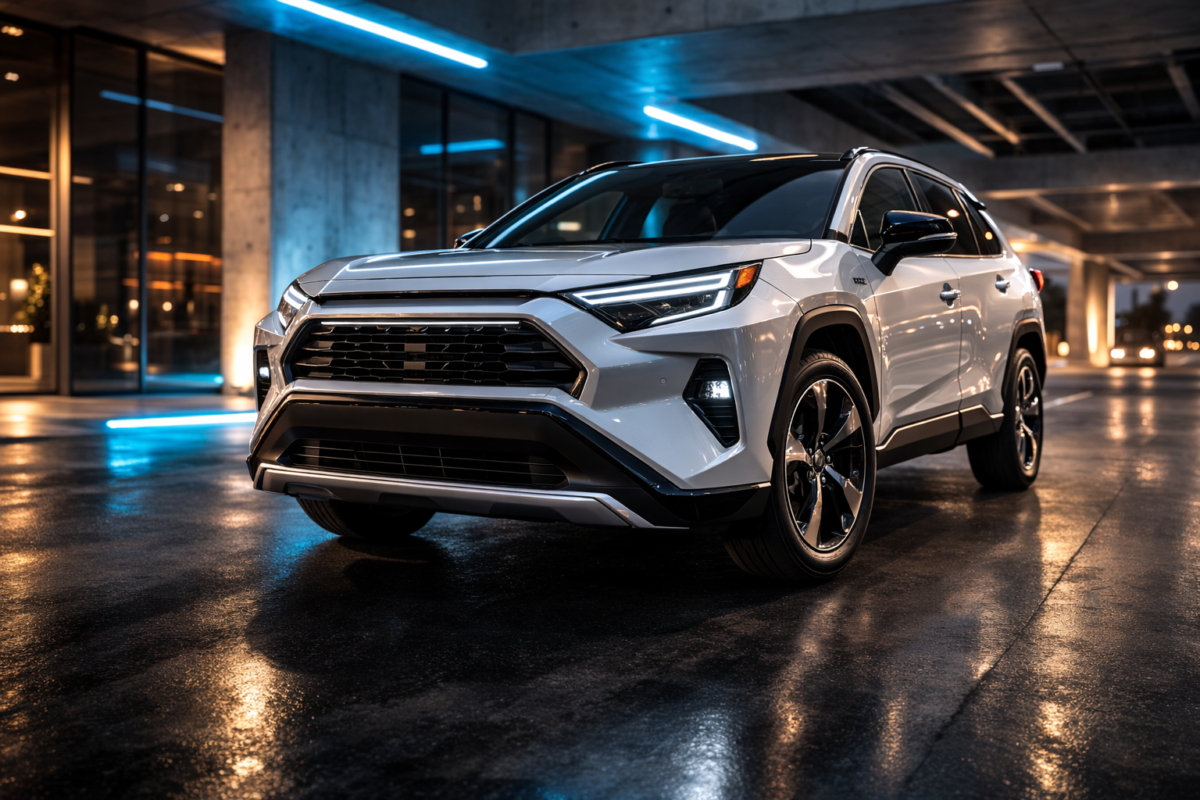
FuelEconomy.gov lists the 2025 RAV4 Hybrid AWD at 39 mpg combined.
Why it works: when an SUV is non-negotiable (space, ride height, gear), this is the “damage control” pick—far cheaper to feed than most non-hybrid SUVs.
A quick way to decide at the rental counter
Use this one-liner:
Break-even miles ≈ (Daily premium × Trip days × Hybrid MPG × Base MPG) ÷ ((Hybrid MPG − Base MPG) × Gas price)
If that looks like too much algebra in a parking garage, here’s the practical shortcut:
- If the “upgrade” is one class (e.g., compact → hybrid compact) and the trip is 2+ weeks, hybrids often pencil out.
- If the “upgrade” is multiple classes (compact → premium SUV), fuel savings usually can’t catch the price jump.
What to watch for (so the savings are real)
- “Or similar” substitutions: booking a hybrid doesn’t always guarantee the exact model; verify at pickup and compare the window sticker / onboard MPG label.
- Tires + cargo load: underinflated tires and overpacking can erode MPG quickly on long highway segments.
- Plan for California pricing: AAA’s tracker shows California routinely sits above many states, so late-trip miles near LA can be the most expensive miles.