

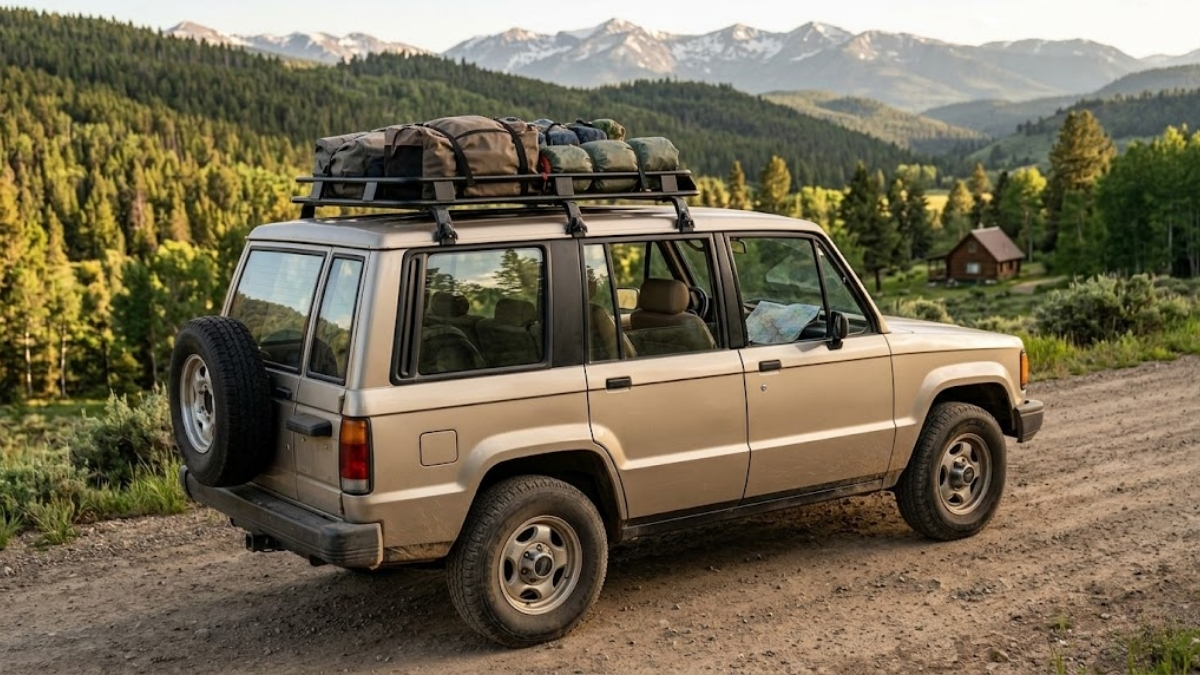
According to Hagerty’s recent market coverage and current Classic.com listings, the collector market for older Japanese vehicles has matured, but it has not swallowed every useful truck and SUV whole. Clean Toyota 4Runners and Toyota pickups already carry a known premium. The more interesting play in 2026 sits one shelf over: the forgotten Japanese utility rigs that still feel honest, still look right on a dirt road, and in some cases can still be bought for normal-person money. For roadmapmag readers, that matters because these are not garage-queen fantasy cars. They are old-school weekend machines with real road-trip character.
The smart buy in this corner of the market is usually not the vehicle everyone already wants.
That is the first rule. The second one is simpler: buy the thing that still does a job.
Old Japanese utility vehicles have started to split into two groups. Some have become collector darlings. Others still live in that useful middle zone where they can be bought, fixed, driven, and enjoyed without every weekend feeling like a museum appointment. That second group is where the fun still is.
Quick takeaways
- The best value in 2026 is often outside the obvious Toyota lane.
- Nissan Hardbody and Mazda B-Series pickups still make sense if you want a small old truck without Toyota pricing.
- Mitsubishi Montero and Isuzu Trooper remain strong road-trip and trailhead choices if rust and maintenance history check out.
- The Suzuki Sidekick is the cheapest way into this whole mood, but it works best as a second vehicle, not a one-car answer.
- “Worth it” depends less on badge prestige than on condition, parts support, and how much discomfort you are willing to romanticize.
1. Nissan Hardbody (D21)
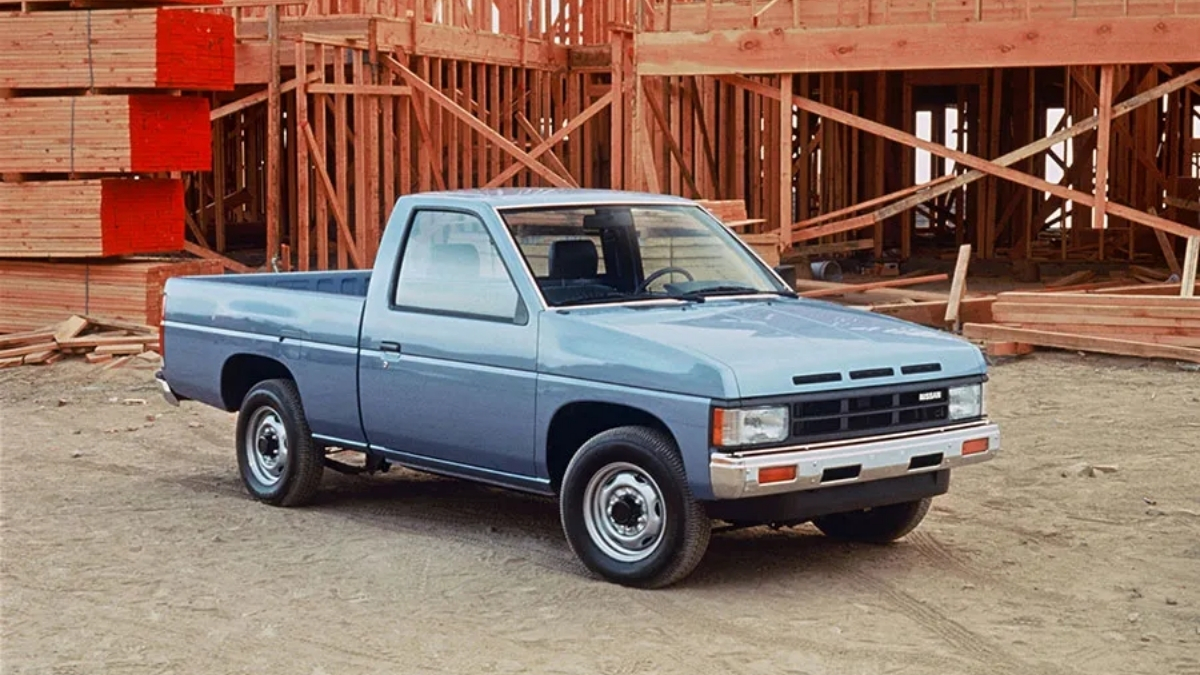
The Hardbody still looks like a sketch from the era when compact pickups were allowed to be compact.
Classic.com’s market page shows nine Nissan Hardbody listings active now, with current asks ranging from a $4,000 modified 1996 XE to a $13,000 original 1990 example, plus an $10,000 modified 1988 truck. That is a useful spread. It tells you the Hardbody has moved beyond disposable beater territory, but it has not floated into absurdity yet.
Why it still works in 2026: size. Modern midsize trucks have gotten broader, heavier, and more expensive. The Hardbody still feels like something you can thread through an old town, park at a trailhead, and load with camping junk without pretending it is a luxury item.
Is it worth it? Yes, if you want a compact pickup with actual personality and can live with slow acceleration, old seats, and a cabin that feels one coffee spill away from 1992 forever. No, if you are chasing easy resale or modern safety.
2. Mitsubishi Montero / Pajero
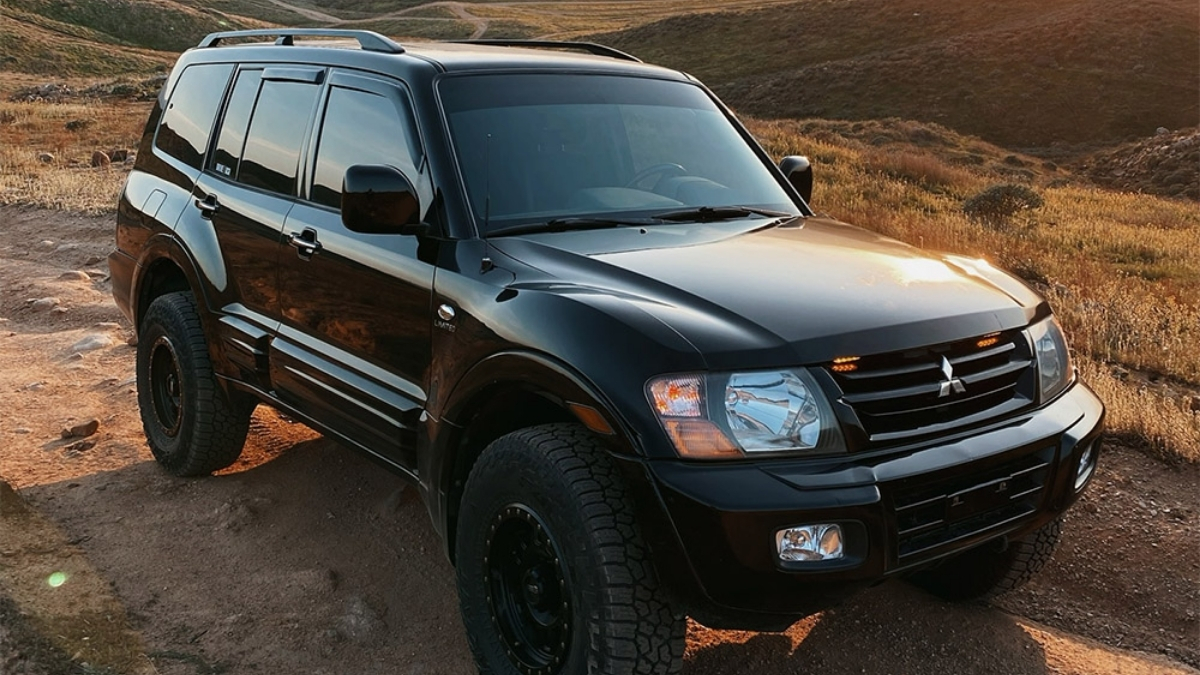
This is the one that still feels underappreciated next to Toyota and Nissan money.
Classic.com currently shows multiple Pajero listings in the U.S. market, including a 2000 example at $15,800, a 2001 at $12,900, a 1987 at $8,000, and a 1995 at $6,500. A separate 1995 Montero LS comp page points to a price range of roughly $6,400 to $9,666, with an auction ending March 29. In other words, the market has noticed these trucks, but not in a way that has completely broken them.
The Montero’s case is easy to understand. It is roomy, square, quietly capable, and still has the kind of long-distance calm that a lot of newer “adventure” rigs fake with trim packages.
Is it worth it? Usually yes. Especially if you want an old SUV that can do highway miles, bad pavement, and camping-duty without constantly reminding you that you bought a novelty. The catch is parts, previous-owner creativity, and import quirks if you end up shopping Pajeros instead of U.S.-market Monteros.
3. Isuzu Trooper
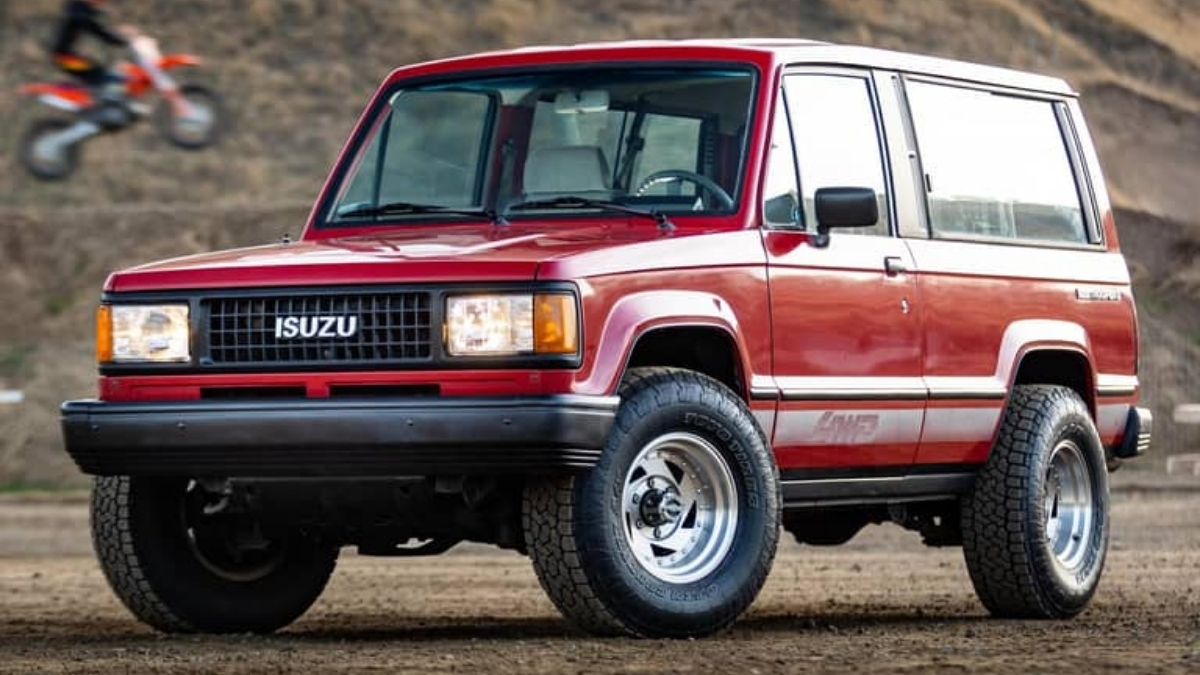
The Trooper is the sort of vehicle people remember only after they see a clean one.
That is part of the appeal.
Classic.com’s Trooper market looks thin, which is both warning sign and buying clue. Recent visible activity includes a 1995 Trooper SE sold for $7,800 in December 2024. That is not a flood of supply. It is a reminder that clean survivors exist, but you may have to wait for one.
The Trooper still makes sense for buyers who want a tall, boxy, genuinely old-school SUV and do not care that it lacks Toyota’s built-in cool tax. It has more visual honesty than most modern “heritage” packages. It also has more ownership risk than the badge-snobs like to admit.
Is it worth it? Yes, but only if you buy condition first and ego second. A dry, documented Trooper is interesting. A cheap neglected one can become a hobby you did not ask for.
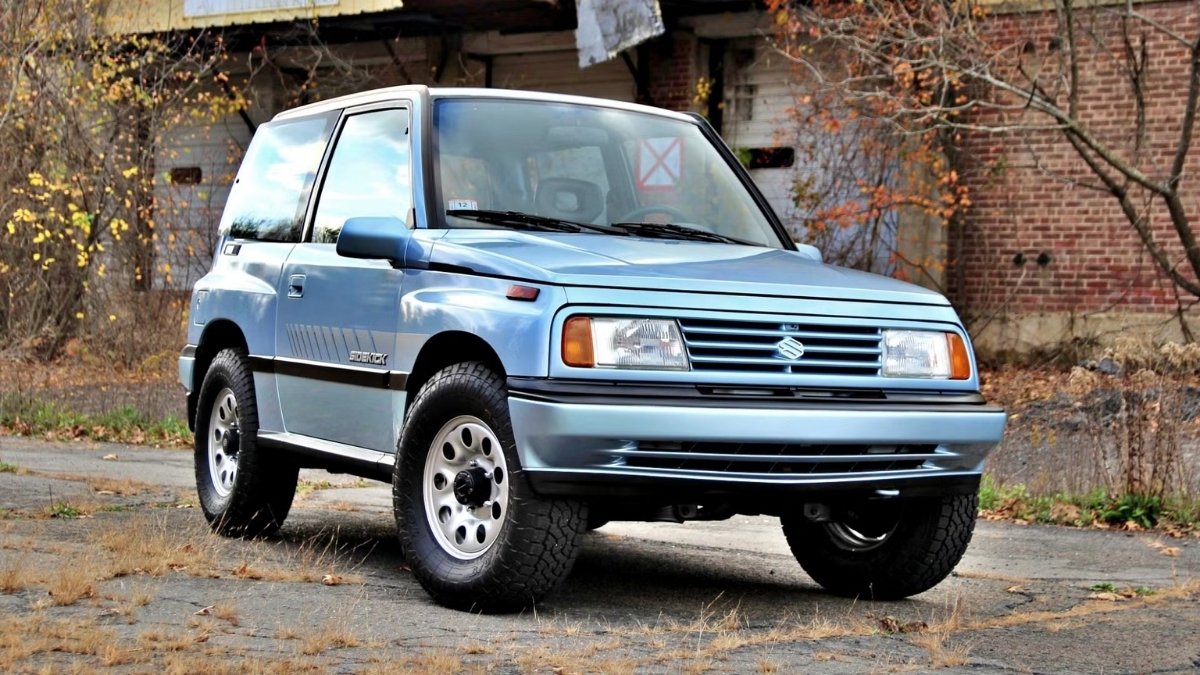
4. Suzuki Sidekick
The Sidekick is not a serious answer to every transport question. That is exactly why it still works.
Classic.com’s Suzuki Vitara market page shows recent Sidekick results that still feel strangely approachable: a 1989 Sidekick JLX 4×4 sold for $5,500, a 1993 Sidekick JX 4×4 sold for $8,350, and a 1998 Sidekick JS sold for $4,100. There was also a low-mile 1989 example with a $21,900 asking price, which says more about collector optimism than normal buying reality.
For a weekend-car lane, the Sidekick has one huge advantage. It does not pretend to be more than it is. Small footprint, simple mission, cheerful weirdness. It is the kind of thing that makes sense for lake roads, beach towns, cabin runs, and slow scenic routes where a huge SUV would feel ridiculous.
Is it worth it? As a second vehicle, absolutely. As your only vehicle, only if you are unusually patient and unusually forgiving.
5. Mazda B-Series 4×4
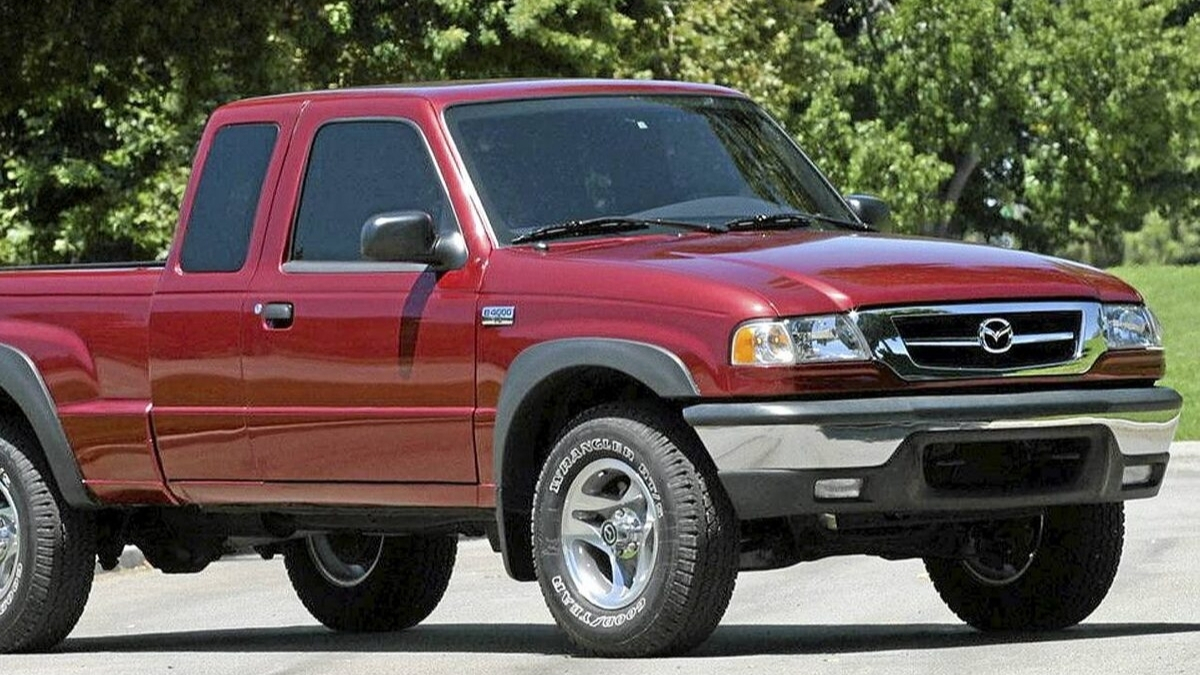
If you want an old Japanese pickup without paying the full Toyota nostalgia bill, this is where things get interesting.
Classic.com says the average sale price for the Mazda B-Series sits at $11,079, while the 1986-1998 fourth generation averages $9,023 and still has four examples for sale. A 1993 Mazda B2600i 4×4 5-speed comp page shows a price range from $7,500 to $23,229, which tells the whole story: rough drivers still exist, but nice manual 4×4 trucks are no longer a secret.
The reason to care is simple. The B-Series still scratches the same itch that pushes people toward old Toyota pickups: compact dimensions, simple truck logic, and a vehicle that can carry gear without becoming the center of your financial life.
Is it worth it? Yes, especially if you want a usable Japanese pickup and do not care whether the internet thinks it is the iconic choice. It becomes less attractive if you need giant aftermarket support or a community the size of Tacoma nation.
What the smart buy looks like in 2026
If the goal is the best all-round value, the Montero may be the sweet spot.
If the goal is the best compact-truck mood for reasonable money, it is probably the Hardbody or the Mazda B-Series. If the goal is maximum charm per dollar, the Sidekick still has a strong case. If the goal is buying something odd and boxy before everyone suddenly decides they loved it all along, the Trooper is hard to ignore.
The bigger point is not that these vehicles are cheap. Some are not. The bigger point is that they are still buyable in a way the obvious Japanese heroes are not.
That matters in 2026. A lot.
The collector market has matured, and some people are still shopping like it is 2021, grabbing any Japanese badge with nostalgia baked into it. That is how you end up overpaying for the obvious thing and missing the more interesting one parked three rows away.
For roadmapmag readers, the right forgotten classic is the one that still does weekend duty without feeling precious. The one you can actually point at, buy, fuel, and use.
That narrows the field fast. Which is useful. So do old trucks.
SOURCES
- https://www.hagerty.com/media/market-trends/hagerty-indexes-reveal-a-mixed-mostly-sluggish-market/
- Nissan Hardbody
- Mazda B Series
- Mazda B Series – 4th Gen
- 1993 Mazda B2600I 4×4 5-Speed
- Mitsubishi Pajero
- 1995 Mitsubishi Montero LS
- Isuzu Trooper (1981 to 2000)
- Suzuki Vitara (1989 to 2021)
DISCLAIMER
Used-vehicle prices, supply, and auction results change constantly. This article uses current market pages and visible recent comps as a practical 2026 snapshot, not a fixed appraisal.