
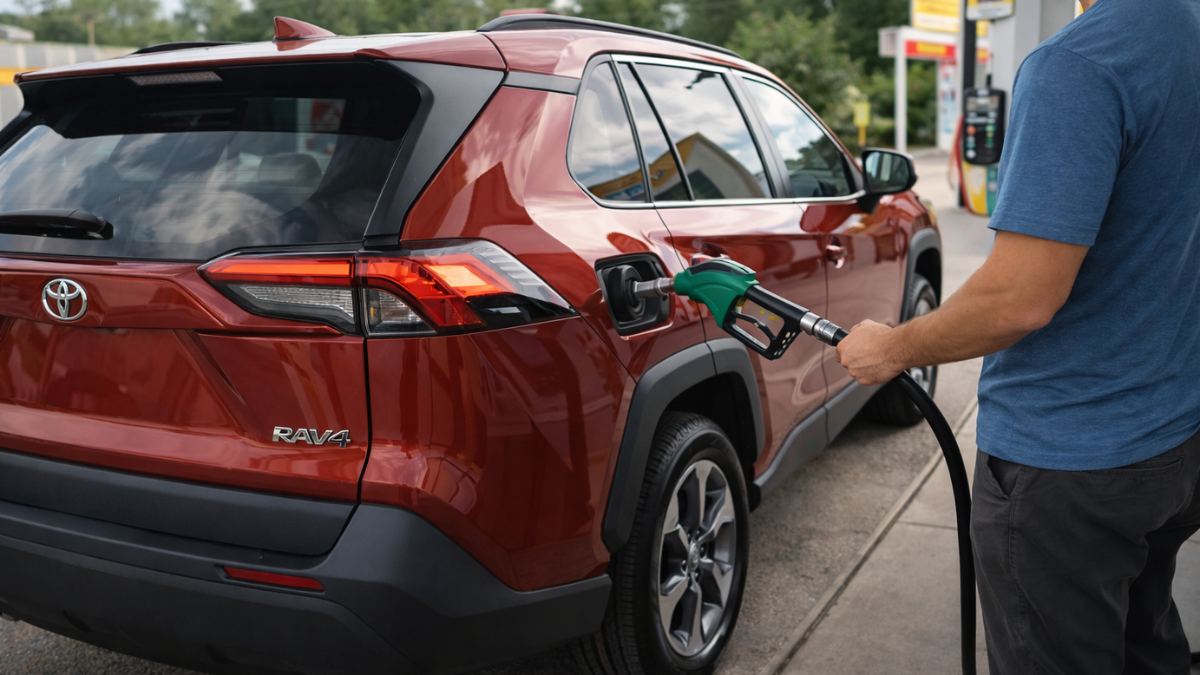
According to the U.S. Federal Trade Commission, its Rule on Unfair or Deceptive Fees took effect May 12, 2025 and requires sellers of live-event tickets and short-term lodging to display the total price more prominently, including mandatory fees (excluding government charges such as taxes). EIA and FRED’s weekly series make it easy to see how the U.S. regular-gasoline average moves week to week, which is why “fuel math” can change between booking day and departure day. A “simple” weekend drive can still end up costing more than expected because the extra charges rarely show up in the first price seen on a booking page or a highway sign. This checklist breaks down five hidden road‑trip costs that tend to surprise travelers—and the specific steps that reduce them in 2026.
Quick takeaways
- Tolls are now “app math,” not memory: use an official toll calculator (or a reputable estimator) before leaving, because toll-by-plate and express lanes can cost more than expected.
- Mandatory lodging fees should be more visible, but still matter: the FTC rule focuses on displaying total price more prominently, not banning fees.
- Parking is the silent budget killer: hotel and downtown parking can exceed the cost of one tank of gas on a short weekend.
- Highway gas can carry a convenience premium: compare stations a few miles off the interstate and use a price app before committing.
- One habit beats most hacks: “pre‑price the route” (tolls + parking + fuel) the day before departure, then lock a simple plan.

The checklist idea (why these costs feel “hidden”)
Weekend road trips often look cheap at first glance: the car is already owned, the distance is manageable, and the hotel rate seems reasonable.
The surprises usually happen because the total price is split across different moments:
- booking (fees),
- driving (tolls + fuel),
- arrival (parking),
- checkout (add-ons).
The fix is not complicated. It is a short preflight that makes the “invisible” numbers visible.
Hidden cost #1: Tolls that change by lane, method, and time
Tolls are easiest to underestimate because the route can look “free” on a map, then add up across bridges, tunnels, turnpikes, and express lanes.
Why 2026 travelers get caught:
- Toll-by-plate can cost more than transponder rates.
- Express lanes can be variable-price, especially near big metros.
- Detours and last-minute reroutes can drag a “no tolls” plan onto a tolled segment.
Many agencies price “pay-by-plate” higher than transponder rates; for example, the Dulles Toll Road notes Pay‑By‑Plate is higher than E‑ZPass and describes an added fee to cover invoicing costs.
What to do
- Use an official toll calculator where possible (state turnpike authorities publish them), or a reputable toll estimator to price the exact origin → destination route.
- Decide up front whether the goal is fastest or cheapest, and stick to it.
Hidden cost #2: Parking that costs more than a meal
Parking is the weekend fee that feels optional—until it isn’t. City hotels, beach towns, and popular national-park gateways often have limited parking supply, and pricing reflects that.
Where the surprise shows up
- nightly hotel parking,
- valet-only setups,
- “event weekend” overflow rates,
- downtown garages near attractions.
What to do
- Before booking, scan the property’s parking line and note whether it is self-park, valet, or “limited.”
- If the hotel is outside the core area, check whether the weekend plan actually requires moving the car once parked. One “park-and-walk” base can eliminate two days of paid parking.
Practical rule of thumb: if parking is not clearly stated, treat it as a number that could be added later.
Hidden cost #3: Mandatory hotel fees (destination/resort) at checkout
“Destination” and “resort” fees are easy to miss because they can look like a separate line item, even when they are mandatory.
What changed
The FTC’s Rule on Unfair or Deceptive Fees (covering short‑term lodging) took effect in May 2025, targeting bait‑and‑switch pricing and requiring that mandatory fees be disclosed more clearly in advertised prices. The rule is about price transparency, not eliminating fees. That means fees can still exist; the traveler’s job is to spot them early.
What to do
- Treat the first price seen as “headline only.” Before booking, confirm the total includes any mandatory property fees.
- If comparing two properties, compare total nightly cost (rate + mandatory fee) before taxes. That prevents one hotel from “winning” only because the fee is hidden on the first screen.
Hidden cost #4: Paying the “highway gas premium”
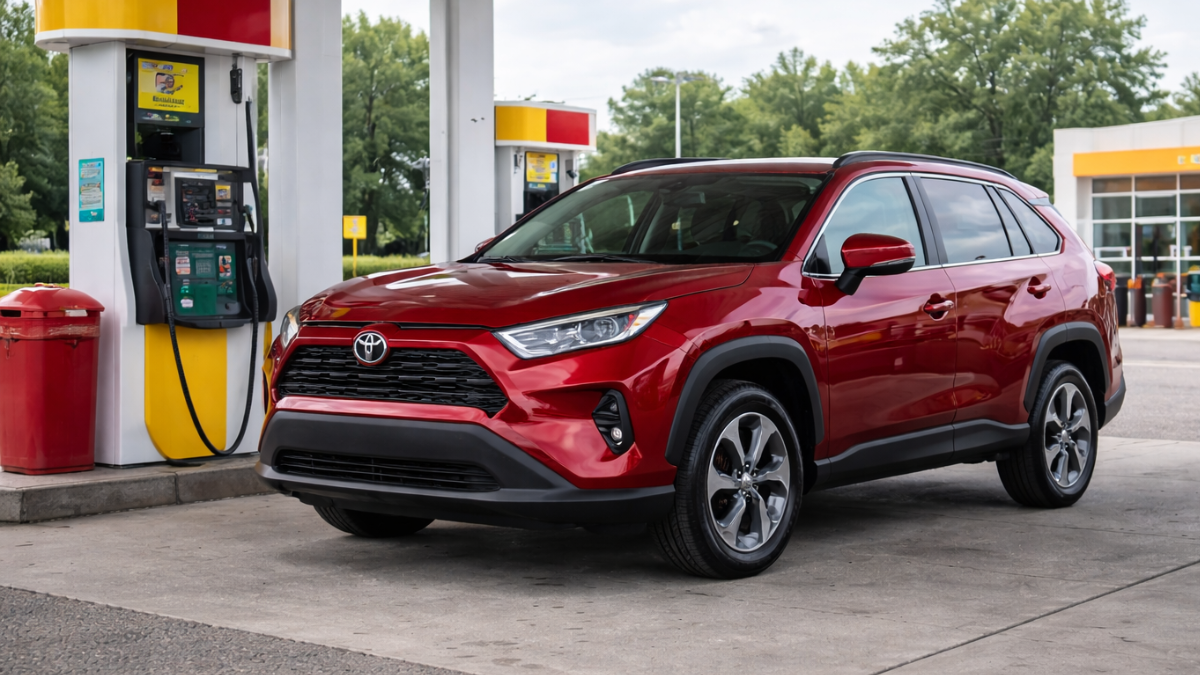
Fuel prices are visible, but the premium is hidden: the nearest station at an exit can be more expensive than a station a few miles into town.
Why it happens
Stations close to interstates often charge more for convenience. Consumer Reports recommends using price apps and shopping around rather than stopping at the first station seen—especially on long drives.
What to do
- Before the first refuel stop, check prices near the next 2–3 exits. Choose an exit with multiple stations, then pick the best price with the easiest re-entry to the highway.
- If safe and practical, fuel up near the start of the trip rather than near the busiest tourist destination.
This does not need to become a game. One planned fuel stop can reduce the “panic fill-up” that tends to be the most expensive.
Hidden cost #5: Checkout add-ons (late fees, toll admin, and “small” extras)
This category is not one big line item—it is death by a few small ones:
- late checkout or early check-in fees,
- vehicle “convenience” items bought at inflated prices,
- rental-car toll administration charges (if renting),
- and “one more” snack/coffee stop that happens because the trip plan is rushed.
What to do
- Make one planned grocery stop near the destination (water, snacks, basics). It reduces the high-margin convenience buys.
- If using a rental car, read the toll policy (transponder, toll-by-plate, and administrative fees vary by company).
- Keep the schedule realistic. The most expensive purchases often happen when the trip is behind schedule.
A concrete example (the 500-mile weekend)
A simple way to stop guessing is to price the weekend like a mini project.
Use three buckets:
1) Fuel (miles ÷ mpg × local price)
2) Tolls (calculator estimate)
3) Parking + mandatory lodging fees (property disclosure)
Even if the exact amounts vary, the structure is stable and prevents surprise.
What changed in 2026 (and why this checklist is timely)
Three 2026 realities make weekend trip costs feel less predictable:
- Gas volatility: EIA and FRED’s weekly series make it easy to see week‑to‑week movement.
- More fee transparency, not fewer fees: the FTC rule pushes clearer upfront pricing for mandatory lodging fees, but does not eliminate them.
- More “priced choices” in mobility: express lanes and toll-by-plate structures can penalize last-minute routing.
The traveler advantage is that better tools exist, too: official calculators, price apps, and clear “total price” displays.
What this means in the U.S.
The U.S. road-trip experience varies sharply by region:
- Toll-heavy corridors (Northeast, parts of Florida and Texas) can add meaningful toll totals on an otherwise short trip.
- Major tourist metros (and event weekends) can turn parking into the largest single “extra.”
- Rural routes may have fewer choices for fuel, so planning the stop matters more than hunting a perfect price.
The checklist works in all of them because it is not tied to one state. It is tied to pricing the categories that usually get missed.
What you can do (the 10-minute “day before” preflight)
Use this as a simple pre-departure routine:
1) Price the toll route: run a toll estimate for the most likely route.
2) Pick one fuel stop: choose an exit with multiple stations and easy re-entry.
3) Confirm hotel total: compare rate + mandatory fees before tax.
4) Lock parking: know whether it is self-park, valet, limited, or off-site.
5) Pack basics: water/snacks so the first stop is not a high-margin purchase.
Bottom line
The goal is not to make weekend trips feel complicated. It is to avoid the two moments that cause most budget stress: the surprise toll total and the surprise checkout total.
Price the route once, confirm the hotel total once, and the weekend usually feels “cheaper” even if the destination is the same—because the uncertainty is gone.
SOURCES
- FTC Rule on Unfair or Deceptive Fees to Take Effect on May 12, 2025
- The Rule on Unfair or Deceptive Fees: Frequently Asked Questions
- Weekly U.S. Regular All Formulations Retail Gasoline
- US Regular All Formulations Gas Price (GASREGW)
- How to Save Money at the Gas Pump
- Toll Calculator
- Electronic Payments and Pay By Plate
- US Toll & Fuel Calculator – Find the Cheapest and Fastest Routes with E-ZPass, I-Pass & SunPass + Fuel Stops