

According to Car and Driver’s real‑world 75‑mph highway route, a 2026 Honda CR‑V Hybrid returned 35 mpg, while an AWD 2026 Kia Sportage Hybrid returned 31 mpg. Honda’s official CR‑V page, meanwhile, highlights the hybrid system’s 204‑hp output and a 40 city / 34 highway mpg rating, while Kia’s Sportage Hybrid page advertises up to 42 mpg combined on certain trims (and shows lower combined figures on others). The long‑drive question is not “which has the best EPA headline,” but which burns fewer gallons when the weekend is mostly steady interstate cruising at 70–80 mph. This comparison turns those numbers into trip‑distance fuel math, then adds the practical “long‑drive utility” pieces that change what the weekend feels like.
Quick takeaways
- If “long drive” means 75 mph: Car and Driver’s 75‑mph route shows CR‑V Hybrid 35 mpg vs Sportage Hybrid AWD 31 mpg—a gap that usually becomes the main savings driver on interstate-heavy weekends.
- EPA headlines can point the other way: Kia advertises up to 42 mpg combined on certain Sportage Hybrid trims, while Honda highlights 40/34 city/highway and 204 hp for the CR‑V Hybrid. Those are real, but they don’t guarantee the same outcome at 75 mph.
- Fuel math, not vibes: at 35 vs 31 mpg, the CR‑V Hybrid typically saves about 1.8 gallons per 500 miles (and about 3.7 gallons per 1,000 miles) at steady highway speed.
- Trim choice matters on the Sportage: Kia’s page shows different EPA-estimated city/highway/combined ratings by trim (for example, one trim can be 42 combined while another is 35 combined).
- A “savings” choice should still pass the comfort test: lane-keeping behavior, seat support, and cabin noise often matter more to long‑drive stress than a small dollar difference.
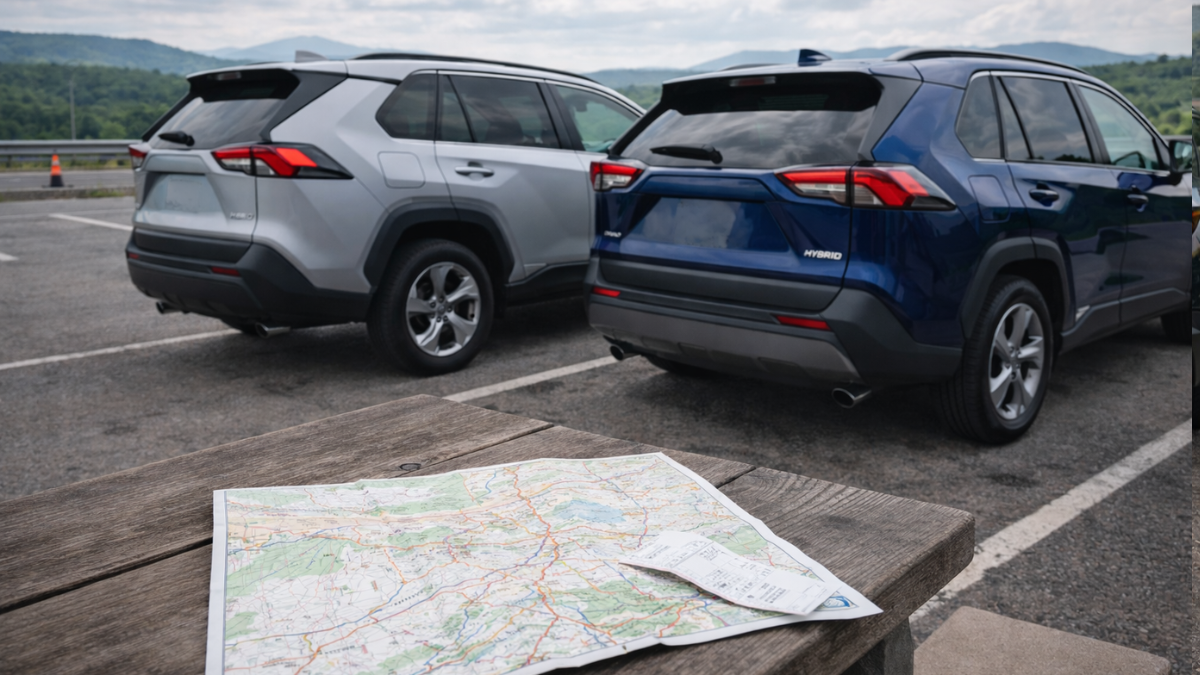
Start with two MPG numbers: “label” and “75‑mph reality”
For long‑drive savings, two MPG numbers do most of the work:
1) Label MPG (good baseline, varies by trim and drivetrain)
2) Observed MPG at 75 mph (better proxy for long interstate legs)
As of March 9, 2026, the cleanest “apples-to-apples” numbers available from the cited pages are:
- Honda CR‑V Hybrid (Car and Driver 75‑mph): 35 mpg
- Kia Sportage Hybrid AWD (Car and Driver 75‑mph): 31 mpg
- Honda CR‑V Hybrid (Honda page highlight): 204 hp; 40 city / 34 highway
- Kia Sportage Hybrid (Kia page highlight): “As shown” 35 mpg combined and “up to” 42 mpg combined on certain versions; trim-specific city/highway/combined ratings shown on-page.
The important idea: a higher “up to” label number does not automatically win at 75 mph, especially when AWD is in play and cruising is steady.
The gallons math: 500 miles and 1,000 miles
A weekend fuel estimate is simple and stable:
Gallons used = miles ÷ mpg
Use the observed 75‑mph numbers when the trip is mostly interstate.
500 miles (one common weekend loop)
- CR‑V Hybrid: 500 ÷ 35 = 14.29 gallons
- Sportage Hybrid AWD: 500 ÷ 31 = 16.13 gallons
- Difference: 1.84 gallons
1,000 miles (two long weekends, or one bigger loop)
- CR‑V Hybrid: 1,000 ÷ 35 = 28.57 gallons
- Sportage Hybrid AWD: 1,000 ÷ 31 = 32.26 gallons
- Difference: 3.69 gallons
To translate gallons into dollars, multiply by the fuel price where the trip happens. The benefit of this method is that it stays accurate even when prices change.
Why “hybrid savings” can narrow on the interstate
Hybrids gain their biggest advantage in stop-and-go driving because they can:
- recapture energy while braking,
- assist the engine at lower loads,
- and run the engine more efficiently in a wider range of conditions.
At steady 75 mph, there are fewer chances to recapture energy, and aerodynamic drag is much higher than at 55–65 mph. The gas engine tends to carry more of the workload continuously, so hybrids can look more like efficient gas vehicles than “city mpg champions.”
That’s why a 75‑mph result is so useful for weekend shoppers: it aligns with the way many U.S. long drives actually happen.
Where the Sportage Hybrid can still save more (it’s trim + route)
If the trip is not “hours at 75 mph,” the Sportage Hybrid can move back into its comfort zone.
1) If the weekend route is slower than interstate flow
Back-road weekends (55–65 mph with frequent slowdowns) give hybrids more of the conditions they like. A Sportage Hybrid on the right route can narrow the gap—or flip it—compared with what a pure interstate run shows.
2) If the chosen Sportage trim matches the “up to 42 combined” rating
Kia’s own page shows that Sportage Hybrid MPG varies by trim. On the same page that advertises “up to 42 mpg combined,” it also shows lower combined figures for other trims (including a prominent “as shown” combined number). This is exactly the situation where shoppers accidentally compare a high‑MPG headline to a lower‑rated trim sitting on the lot.
Practical rule: if the goal is saving fuel, verify the exact trim’s listed city/highway/combined rating before deciding.
Where the CR‑V Hybrid tends to keep the advantage
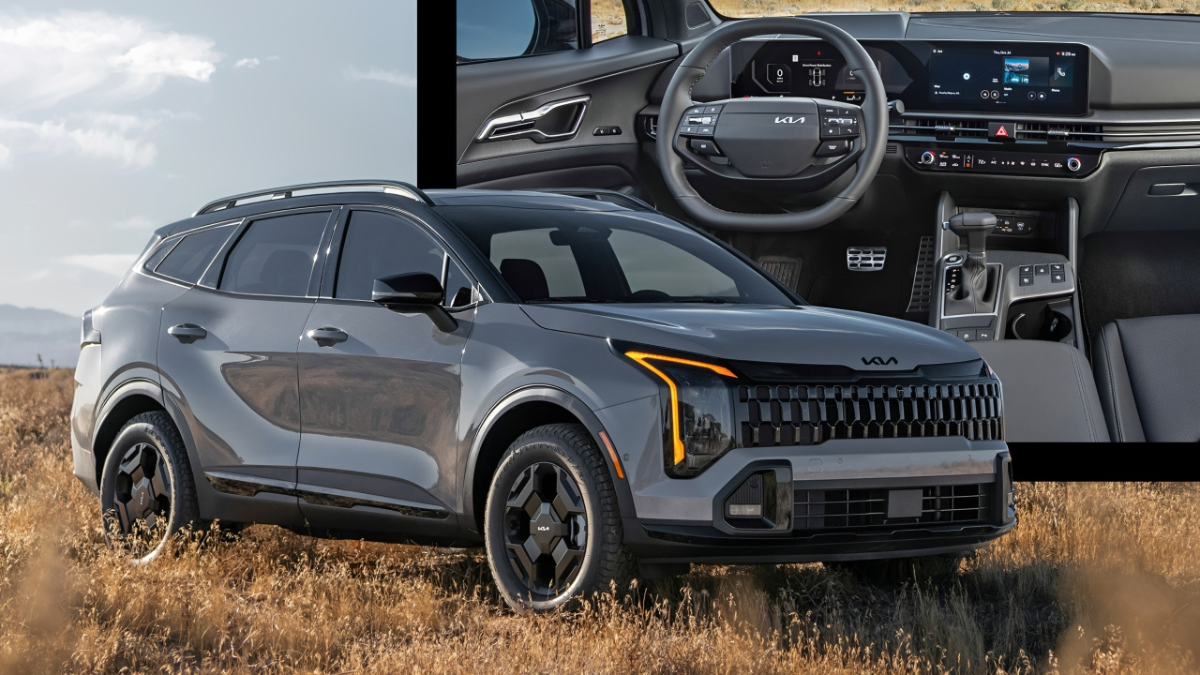
If the trip pattern is predominantly interstate at typical U.S. flow speeds, the CR‑V Hybrid’s 75‑mph result becomes hard to ignore.
Two practical benefits often show up on long drives:
- Fewer fuel stops across a month of weekends (small differences add up in frequency), and
- Less range uncertainty when the trip includes a busy destination area where refueling options are limited.
Honda’s official page also frames the CR‑V Hybrid as a balance of efficiency and output (204 hp) rather than a “hyper-mileage only” setup.
What changed (and why this is a 2026 comparison)

This comparison is timely in 2026 for two reasons:
1) Trim mixes are broader. Both lineups use “headline” MPG claims that may apply only to specific configurations. That is not a trick; it’s just how modern lineups work.
2) AWD is common for weekend utility. AWD can shift mpg outcomes on paper and in practice. When the buyer wants AWD for weather, trailheads, or ski weekends, “saves more” must be judged in an AWD context.
The durable method is the same: combine label MPG (by exact trim) with at least one consistent real‑world highway test result.
What this means in the U.S.
In the U.S., long-drive weekends often have these features:
- 70–80 mph traffic flow on major interstates,
- short bursts of congestion near the destination,
- and a return leg with heavier cargo (coolers, bags, souvenirs) that slightly increases consumption.
In that pattern, the 75‑mph number is usually the best single “savings predictor.” But trim verification still matters—especially for the Sportage Hybrid, where Kia’s page shows meaningful variation by version.
What you can do (to save fuel without switching SUVs)
These steps are boring, but they’re the ones that usually move the needle:
1) Cruise speed discipline: when safe and legal, cruising closer to 70 mph can reduce consumption compared with 75–80 mph.
2) Tire pressure check: verify pressures on cold tires before departure, especially with extra cargo.
3) Plan one smart fuel stop: avoid “panic refuels” at the first highway exit; pick an exit with multiple stations and easy re-entry.
4) Keep the roof clean: roof boxes and racks can add drag on the interstate.
What to watch next (how to keep this comparison 2026-proof)
If one number will change during the year, it is usually the label rating by trim, as lineups evolve.
A simple update routine for editors:
- verify the current trim chart on the automaker pages,
- keep the 75‑mph results from the same outlet for consistency,
- and state an “as of” date in the piece so readers understand the snapshot.
Bottom line
If the weekend is mostly interstate cruising at 70–80 mph, the most checkable real‑world comparison currently favors the CR‑V Hybrid on long‑drive fuel savings (35 mpg vs 31 mpg on Car and Driver’s 75‑mph route).
If the weekend is slower back roads—or if the chosen Sportage trim matches Kia’s higher “up to 42 mpg combined” configuration—the gap can narrow, and the decision may shift to availability, comfort, and equipment.
Either way, the most reliable “saves more” answer comes from two numbers: the exact trim’s label MPG and one consistent 75‑mph test result.