
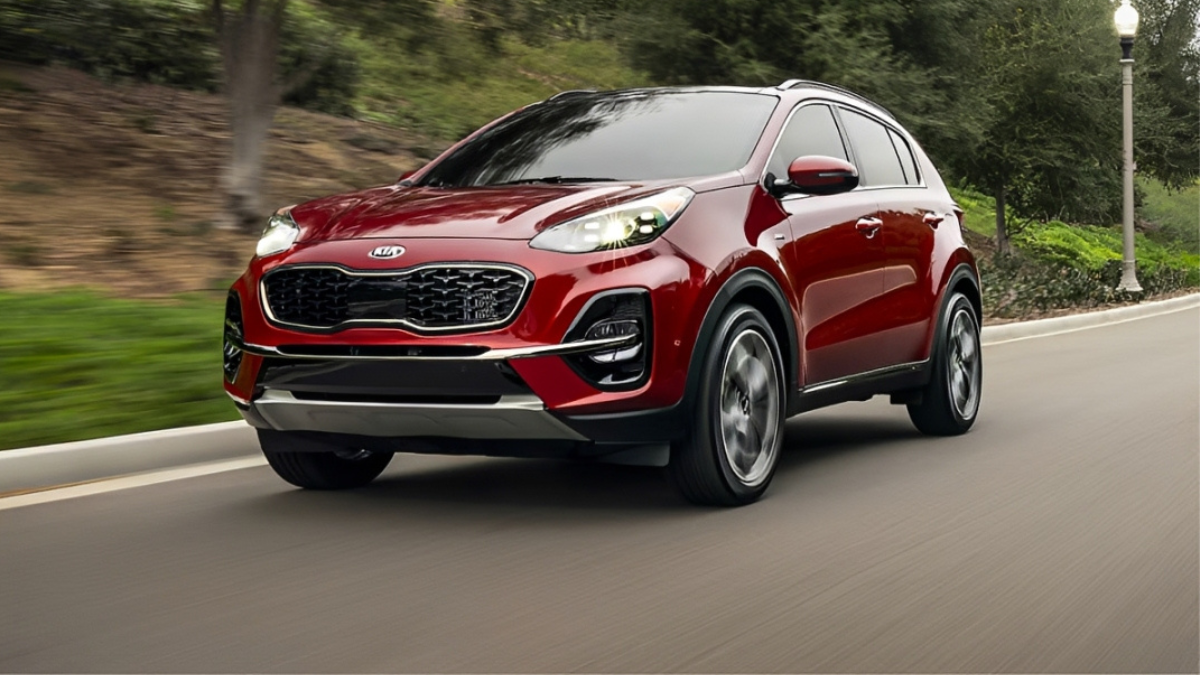
According to Car and Driver’s instrumented fuel-economy testing, the Honda CR‑V Hybrid returned 35 mpg on its 75‑mph highway route, while Car and Driver’s most recent Sportage Hybrid AWD 75‑mph test returned 31 mpg. Honda’s official CR‑V page lists 40/34 mpg (city/highway) for the hybrid, while Kia’s Sportage Hybrid page advertises 35 mpg combined (and up to 42 mpg combined for certain versions). For long‑drive weekends at 70–80 mph, the practical question is which hybrid burns fewer gallons once cruising speed is steady—and why “hybrid savings” often narrow on the interstate.
Quick takeaways
- 75‑mph reality: Car and Driver reports 35 mpg for the CR‑V Hybrid and 31 mpg for an AWD Sportage Hybrid on its 75‑mph route—an efficiency gap that matters more for long motorway weekends than city‑heavy EPA numbers.
- Label baseline: Honda cites 40/34 mpg (city/highway) for the CR‑V Hybrid, and Kia advertises 35 mpg combined (and up to 42 mpg combined for certain versions) for Sportage Hybrid; these label numbers are best treated as a comparison baseline, not a promise at 75 mph.
- What “saves more” usually means: at steady highway speed, the CR‑V Hybrid’s higher observed mpg typically saves ~1.8 gallons per 500 miles versus the Sportage Hybrid AWD (using 35 vs 31 mpg).
- The bigger win is still speed: dropping cruising speed from 75 to ~70 mph (where safe/legal) can save more fuel than switching between two similarly efficient hybrids.
- Best shopping move: compare EPA + observed 75‑mph mpg side-by-side, then test the driver‑assist smoothness—stress savings are often worth more than a few dollars at the pump.
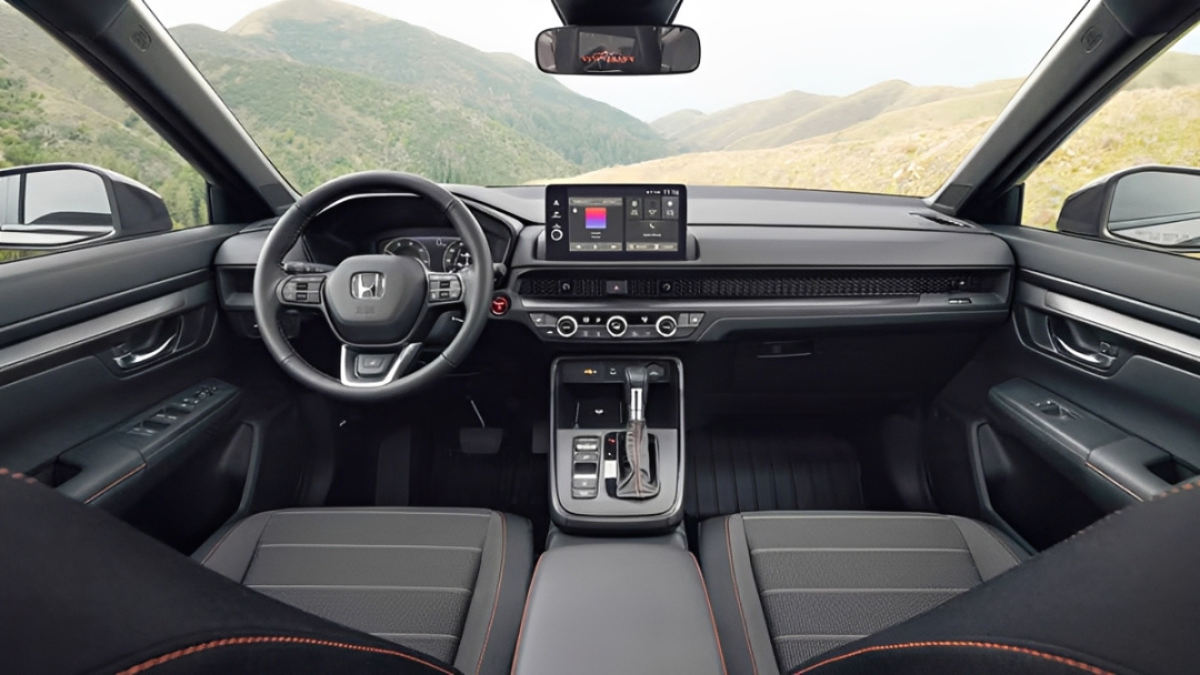
The two numbers that matter for long drives
For long‑drive “savings,” two MPG numbers do most of the work:
1) EPA label MPG (good for baseline comparisons across trims)
2) Observed highway MPG at ~75 mph (better proxy for real long‑drive weekends)
As of March 8, 2026, the most checkable pairing looks like this:
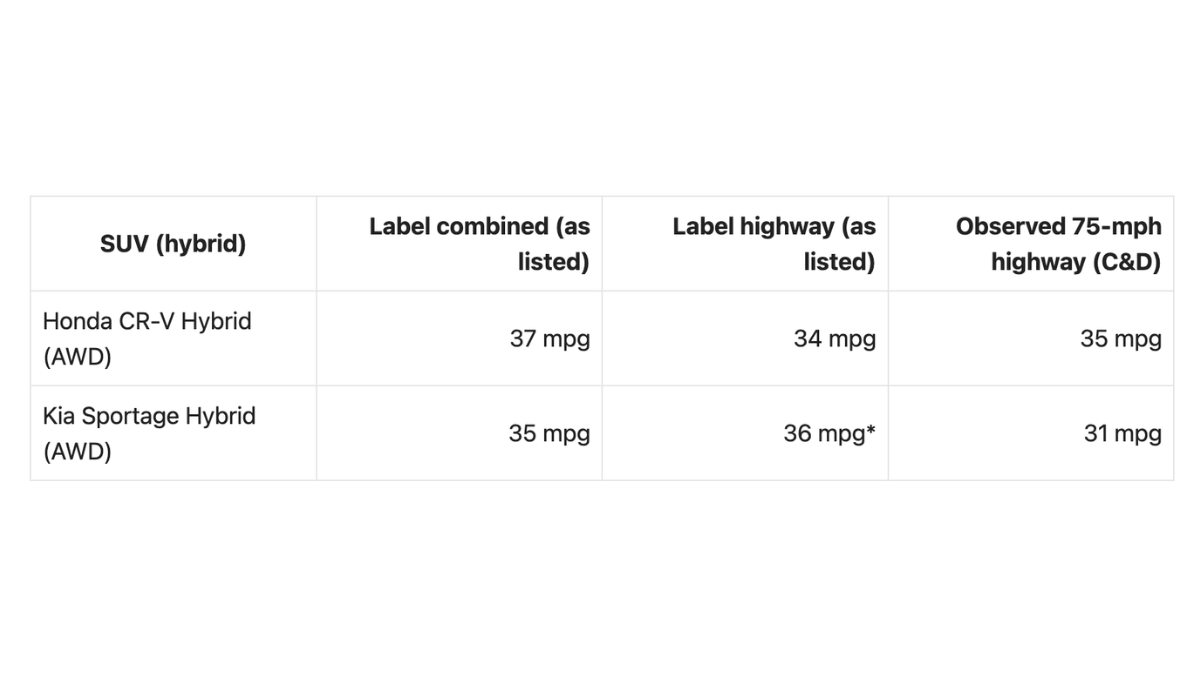
*Kia’s Sportage Hybrid page lists 36 mpg highway for certain AWD trims; verify the exact version.
The key point is not that one brand “lies.” It’s that steady 75‑mph cruising changes how hybrids operate, and tests at that speed can converge toward the gasoline engine’s efficiency more than shoppers expect.
What a 500‑mile and 1,000‑mile highway trip looks like in fuel
To make “saves more” concrete, use a simple method:
Gallons used = miles ÷ mpg
Using Car and Driver’s observed 75‑mph numbers:
500 miles (one long weekend loop)
- CR‑V Hybrid: 500 ÷ 35 = 14.3 gallons
- Sportage Hybrid AWD: 500 ÷ 31 = 16.1 gallons
- Difference: ~1.8 gallons saved by the CR‑V Hybrid
1,000 miles (two long weekends or one bigger loop)
- CR‑V Hybrid: 1,000 ÷ 35 = 28.6 gallons
- Sportage Hybrid AWD: 1,000 ÷ 31 = 32.3 gallons
- Difference: ~3.7 gallons saved by the CR‑V Hybrid
Convert gallons to dollars using the local price at the time of travel. The math stays the same; only the price moves.
Why hybrids “lose” some of their advantage at 75 mph
Hybrid SUVs usually shine when there’s:
- braking and re‑acceleration (recapturing energy),
- short bursts of electric assist,
- and frequent engine off‑time.
At steady high speeds, the situation changes:
- Aerodynamic drag rises sharply as speed increases, so the engine must deliver more continuous power.
- The hybrid system still helps (especially on grades and passing), but there are fewer “free” opportunities to recapture energy compared with city driving.
The result is that two hybrids can look very close on paper, yet separate more clearly in a controlled 75‑mph test.
Where each SUV can still win on a real weekend
“Which saves more” is primarily about highway mpg—but weekend life is messier than a test route.
Sportage Hybrid: where it can close the gap
- Lower-speed routes: If the weekend route is more 55–65 mph back roads than 75–80 mph interstates, the hybrid system tends to get more of the conditions it likes.
- Tech/value equation: Many buyers choose Sportage Hybrid for equipment value and warranty posture; those factors can outweigh a small fuel gap.
Edmunds notes that the AWD Sportage Hybrid it tested carries a 35 mpg combined EPA estimate and observed real-world variability depending on conditions.
CR‑V Hybrid: where it tends to hold the advantage
- Long interstate legs: Car and Driver’s 35 mpg at 75 mph is a strong signal for repeatable long‑drive efficiency.
- Consistency under speed: When the drive is mostly steady cruising, higher observed mpg tends to translate into fewer fuel stops and slightly less “range anxiety” on busy travel weekends.
What this means in the U.S.
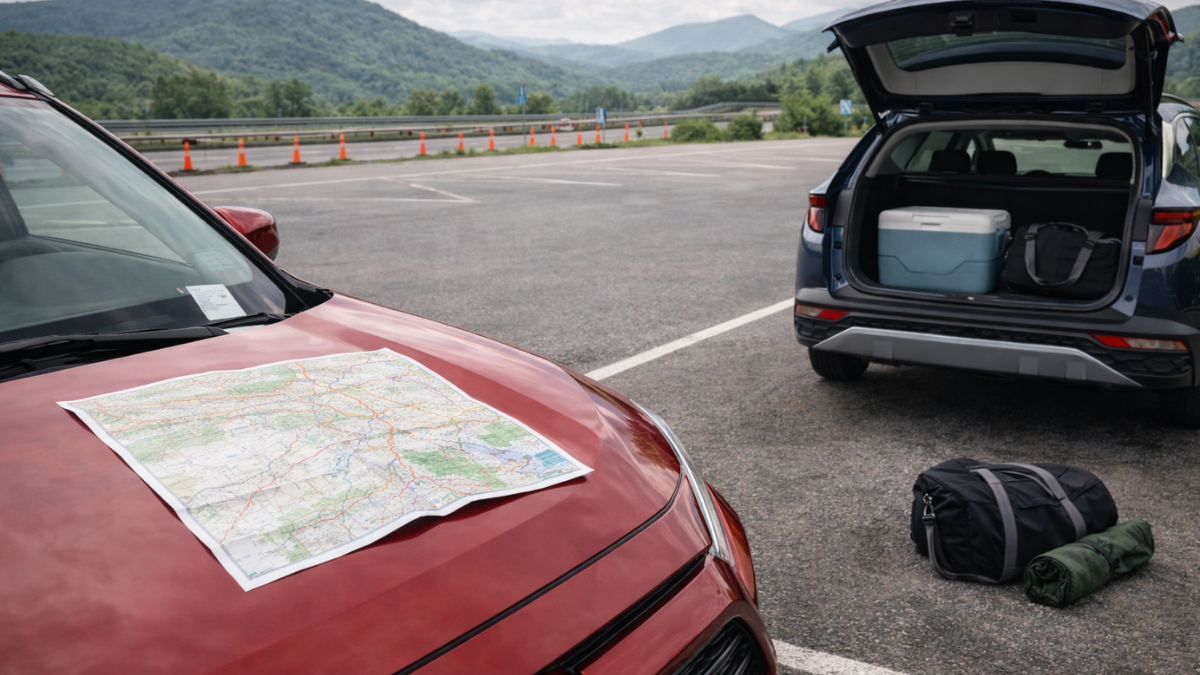
In the U.S., “long drive” often means 70–80 mph traffic flow. That’s exactly the range where:
- fuel economy can fall compared with EPA combined numbers,
- and small mpg differences show up as extra fuel stops across a year of weekends.
If the trip pattern is frequent (say, a 500‑mile loop twice a month), a 1.8‑gallon difference per loop becomes noticeable over time. If the trip pattern is occasional, the decision may come down to comfort and convenience rather than fuel alone.
What you can do to save fuel on long drives (without changing cars)
Three habits typically matter more than most people expect:
1) Speed discipline: If conditions allow, cruising closer to 70 mph can cut fuel use more than swapping between two similar hybrids.
2) Tire pressure + load: Check pressures on “cold” tires before departure; heavy cargo and underinflation both raise consumption.
3) Smooth passing: Use gentle throttle to maintain speed on grades rather than repeated surges; hybrids still pay a price for hard acceleration at high speed.
What to watch next (2026-proof detail)
Model‑year pages and trim mixes can change during the year:
- New trims (or AWD packaging changes) can shift EPA labels.
- Tire size differences can also move highway mpg.
The most durable approach is to keep two numbers in view for any long‑drive shopper:
- the EPA label for the exact trim,
- and at least one observed highway test from a consistent outlet.
If the goal is strictly “saves more on long drives,” the current best-available evidence favors the CR‑V Hybrid in 75‑mph efficiency. If the goal is “best overall weekend value,” the decision still deserves a comfort-and-availability check in the trims that are actually on lots.