
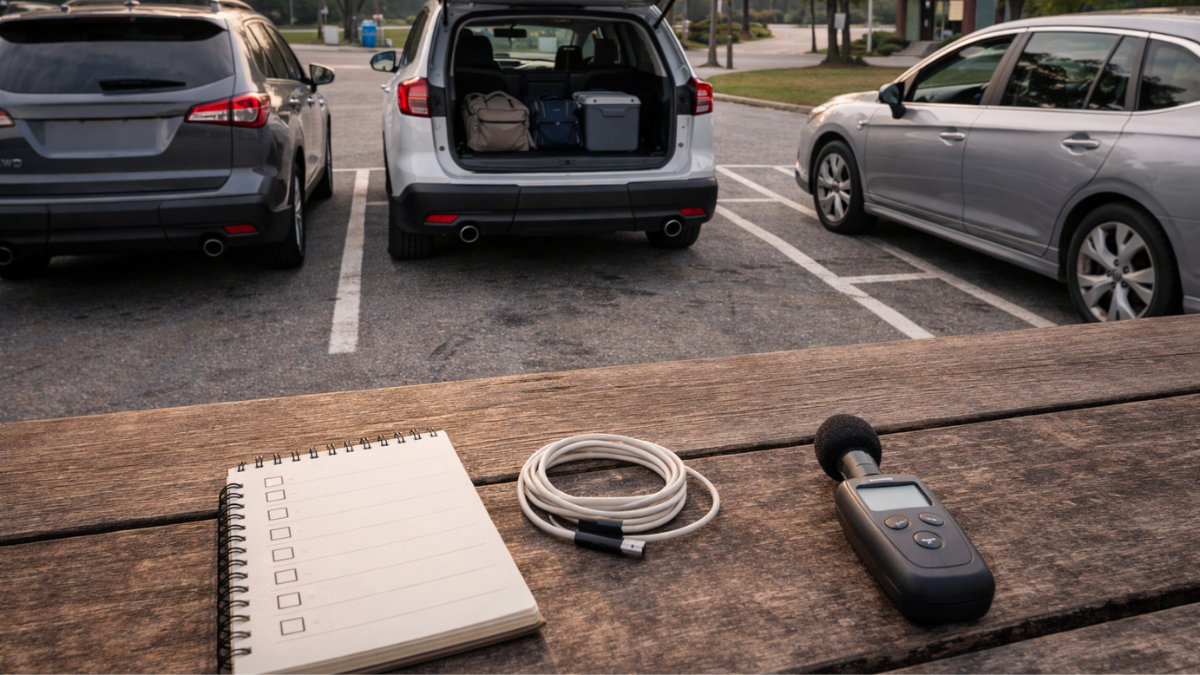
According to Yosemite National Park’s chain guidance, drivers must carry tire chains or cables when entering a designated chain-control area—even if the vehicle has four-wheel drive or is a rental. Car and Driver also says it’s changing how it reports interior noise at a 70-mph cruise, adding sones alongside decibels to better reflect perceived loudness—because “calm” is something drivers feel after a few hours. Those two facts frame a practical 2026 choice: when weekend travel gets real, the first regret is usually not skipping a fancy option—it’s skipping the one feature that prevents a trip from becoming stressful, noisy, or un-packable.
Quick takeaways
- The “first regret” is usually the feature that makes the weekend fail: traction access, fatigue, or packing.
- AWD regret shows up when conditions demand traction devices anyway. Yosemite says drivers must carry chains in chain-control areas—even with 4WD.
- Quiet cabin regret shows up after hour two. Car and Driver is adding sones to its 70-mph interior-noise reporting to better reflect perceived loudness.
- Cargo regret shows up as workarounds. Consumer Reports measured an overall 19% fuel-economy drop with a rack and rooftop carrier installed.
- Best decision method: pick the regret you least want—trip failure, fatigue, or workaround tax—then choose the feature that prevents it.
The core idea: regret comes from the weekend pattern, not the spec sheet
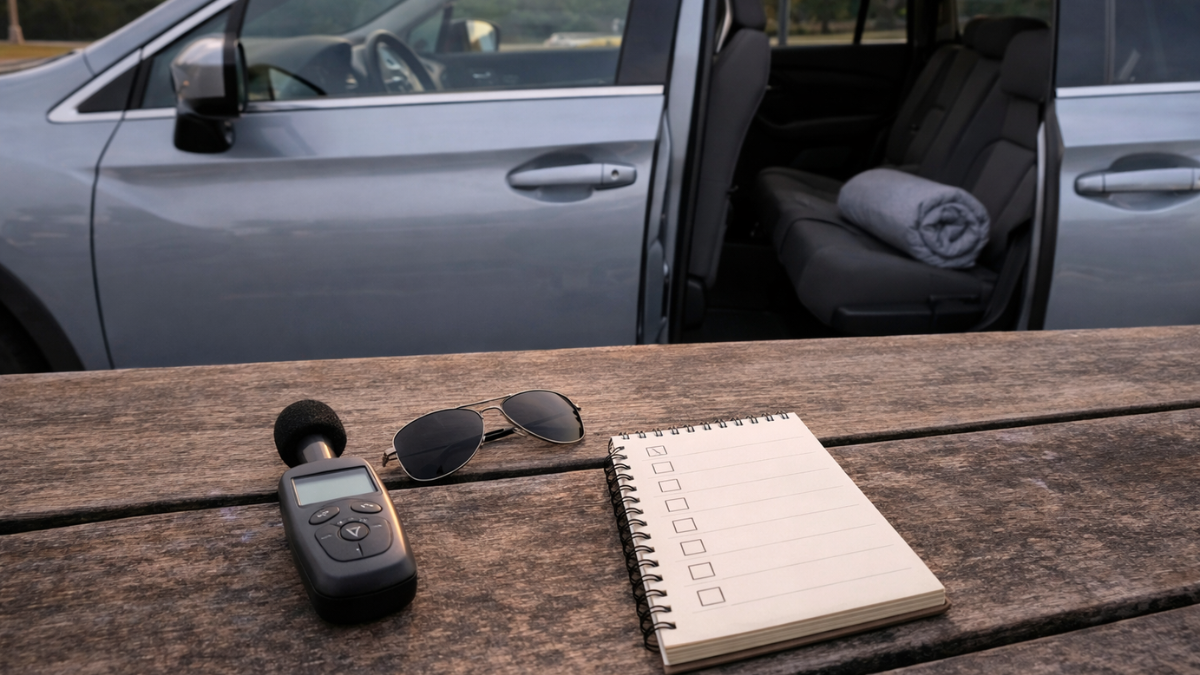
People rarely regret skipping a feature they never use. They regret the feature that would have prevented the one repeated pain point.
Weekend travel has three repeatable stress tests:
- traction and access (weather, steep driveways, shoulder-season surprises)
- fatigue (noise, micro-corrections, sensory overload)
- packing and stop-cycle friction (coolers, bags, dogs, repeated loading)
AWD, quiet cabins, and cargo space each “solve” one of those. The regret comes from choosing the wrong solution for your pattern.
Regret #1: Skipping AWD (or a traction plan) when access is the trip
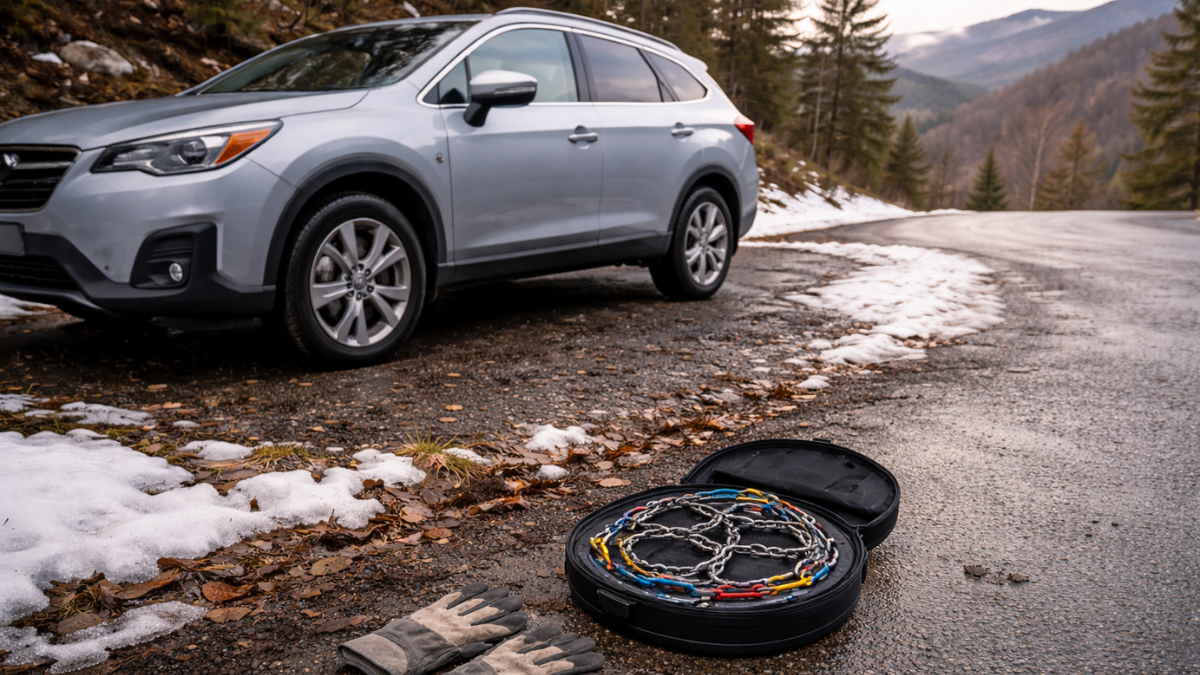
This regret usually isn’t “skipping AWD” in the abstract. It’s getting turned around, or white-knuckling a wet/snowy access road, or arriving tense before the weekend begins.
The practical twist: AWD is helpful, but it’s not the whole story.
Yosemite’s chain guidance is a clean reminder that even with 4WD, visitors must carry chains or cables when entering designated chain-control areas. In other words: traction rules can override drivetrain marketing.
So the real “regret-proof” choice for mountain or shoulder-season weekends is:
- AWD plus the right tires/traction devices and a plan to use them.
When AWD is worth prioritizing first:
- ski or cabin weekends,
- steep driveways and unplowed side roads,
- shoulder-season parks where conditions can swing.
When AWD is less likely to be the first regret:
- mostly urban weekends,
- flat interstates,
- destinations where snow/ice is rare.
Regret #2: Skipping a quiet cabin (because fatigue is the real cost)
This regret shows up later, usually at hour two or three. The driver arrives “done” even though the trip was straightforward.
Cabin noise is a constant stimulus. When it’s high, drivers compensate:
- turning music up,
- speaking louder,
- gripping the wheel tighter in crosswinds,
- feeling more fatigued after the same distance.
Car and Driver’s decision to add sones to its 70-mph interior-noise reporting is a helpful cue: perceived loudness and “calm” are becoming first-class road-trip metrics.
When quiet cabins are worth prioritizing first:
- frequent 2–5 hour highway weekends,
- coarse pavement routes,
- passengers who want conversation without shouting,
- drivers who arrive tired even when the seat is fine.
A quick tell: if the vehicle forces you to “turn life up” (volume up, tension up) to feel okay, quiet should outrank horsepower.
Regret #3: Skipping cargo space (because workarounds create a tax)
Cargo regret usually starts as a small annoyance and becomes a recurring routine:
- footwells fill with bags,
- rear visibility gets blocked,
- the cooler sits at a bad angle,
- you add a roof box or rack “just for weekends.”
The problem is that workarounds aren’t free. Consumer Reports’ testing found that a rack plus rooftop carrier installed produced an overall 19% fuel-economy drop on its test vehicle. That turns “small car savings” into a hidden highway cost.
Cargo regret is often not about maximum fold-flat volume. It’s about seats-up reality:
- two duffels,
- a cooler,
- layers,
- and sometimes a dog setup.
When cargo is worth prioritizing first:
- you regularly bring rigid items (cooler, stroller, folding wagon),
- you travel with a dog,
- you hate re-packing at every stop,
- your current vehicle “works” only with rooftop gear.
Which regret hits first? A simple decision tree
Choose AWD first if…
- the trip can fail on access (snow/ice, steep driveways, muddy roads), or
- you frequently travel where traction rules apply and you can carry the right devices.
Choose quiet cabin first if…
- most weekends include long highway legs, and
- you arrive tired even when the schedule is easy.
Choose cargo space first if…
- the weekend kit doesn’t fit seats-up without chaos, or
- you’re already using roof/hitch cargo frequently.
The “right” answer is rarely the same for every driver. The best answer is the one that prevents your most common weekend failure mode.
What this means in the U.S.

In the U.S., weekend travel typically mixes:
- highway miles at 70–80 mph,
- busy parking and stop cycles at destinations,
- and shoulder-season weather variability.
That mix is why regrets diverge:
- mountain regions and winter corridors produce traction regrets,
- long interstate weekends produce noise/fatigue regrets,
- family/dog/cooler weekends produce cargo regrets.
What you can do: the 15-minute “regret-proof” test
- Write your weekend pattern (2 min): mountains? highway-heavy? gear-heavy?
- Traction reality check (3 min): if your routes include chain-control areas, confirm you can carry/fit traction devices.
- 70-mph calm test (5 min): audio off, fan low, short highway segment.
- Seats-up packing test (5 min): cooler + two duffels + layers; grab one item without unloading.
The feature you should prioritize first is the one that fails this test for your weekends.
Bottom line
In 2026, the biggest regret isn’t skipping a brochure feature. It’s skipping the feature that prevents a weekend from becoming stressful. Yosemite’s chain guidance shows why AWD marketing isn’t the full traction story, Car and Driver’s noise measurement shift shows why quiet matters after hour two, and Consumer Reports’ rooftop-carrier testing shows why cargo workarounds carry a real fuel penalty. Pick the feature you’ll miss first—access, calm, or packing—and your weekends get easier fast.