
According to the U.S. Department of Energy’s Energy Saver guidance, fuel economy drops in cold weather—and the effect on hybrids can be substantial, especially on short trips. The Insurance Institute for Highway Safety (IIHS), meanwhile, has highlighted how larger blind zones can raise pedestrian-crash risk during left turns, a reminder that “bad weather” is also a visibility and low-speed problem in parking lots and resort towns. Consumer Reports’ minivan guidance notes minivans tend to be among the easiest vehicle types to get into and out of—useful when boots, kids, and older adults are in the mix. Put together, the 2026 question isn’t “which type is toughest.” It’s which one stays calm, predictable, and low‑drama when the weekend includes cold starts, slush, wet gear, and tight lots.
Quick takeaways
- Best all-around bad‑weather weekends: a hybrid compact/midsize SUV often wins because it can combine ground clearance, available AWD, and modern driver-assist—without the size penalties of a full-size vehicle.
- Best “calm and efficient” on wet highways: a wagon can be the least fatiguing choice when roads are mainly paved and the weekend involves long highway legs; it’s easy to place in lanes and often easier to see out of than taller vehicles.
- Best for mixed-age families (kids + grandparents): a minivan tends to reduce “stop-cycle stress” (entry/exit, door access, loading wet gear). Consumer Reports notes minivans are among the easiest types to get into and out of.
- The truth that beats the whole debate: tires decide the day. Traction and stopping are more tire-dependent than vehicle-type-dependent in snow and slush.
- Hybrid note for 2026: DOE says hybrid fuel economy drops notably in cold weather, especially on short trips; plan with buffer and avoid expecting summer-like numbers.
The bad‑weather weekend isn’t one problem
Most “bad weather” weekends are a bundle of smaller problems that stack:
1) The highway mile: heavy rain or crosswinds, spray, and fatigue.
2) The slush mile: parking lots, unplowed side roads, and messy boots.
3) The stop-cycle mile: repeated in/out, car seats, gear, and tight spaces.
4) The visibility mile: low sun, fog, snow glare, and pedestrians in resort towns.
Different vehicle types reduce different kinds of stress. The “best” type is the one that reduces your dominant stress.
What changed in 2026: why hybrids and “visibility stress” matter more now
Two 2026 realities are shaping weekend decisions:
Cold-weather efficiency is a bigger deal than people admit
DOE’s Energy Saver guidance notes fuel economy drops in cold weather—and for hybrids, the drop can be large, especially on short trips. That matters because bad‑weather weekends are often short-trip heavy at the destination (groceries, coffee, trailhead, kids’ lessons).
Visibility is part of safety—not just “traction”
IIHS has published research showing that larger blind zones can increase the risk of striking a pedestrian during left turns. Bad‑weather weekends often include low-speed environments: crowded lots, school pickup zones near winter activities, and pedestrians in dark clothing. A vehicle that is easier to see out of, easier to place, and calmer at low speed can reduce stress even if it has “less ground clearance.”
The one rule that rarely fails: tires decide the day
Before picking a body style, remember what actually controls:
- stopping distance,
- cornering grip,
- and steering precision in slush.
Those are tire-driven. A minivan, wagon, or SUV on the right tires can feel calm. The same vehicle on worn all-seasons can feel sketchy.
Bad‑weather weekend rule:
- If you do this often, the first money should go to the right tires and sufficient tread depth, not a bigger vehicle.
Vehicle type #1: Hybrid SUV (the default “best for most”)

A hybrid SUV often handles bad‑weather weekends best when you need a mix of:
- clearance for rutted lots,
- available AWD,
- and modern stability/driver-assist systems.
Why it works
- Clearance margin helps in slush berms and uneven cabin driveways.
- AWD availability can help you get moving on grades and in unplowed lots.
- Hybrid efficiency can reduce fuel stops—useful when weather makes detours stressful.
Where it can lose
- Larger SUVs can create more visibility stress in crowded areas. IIHS’s blind-zone research is a reminder to avoid “bigger than necessary” for weekend corridors full of pedestrians.
- Hybrids can have bigger cold-weather swings in efficiency, per DOE guidance—especially in short-trip patterns.
Hybrid SUV is usually the best pick when:
- the last mile is uncertain,
- the weekend mixes highway and messy lots,
- and the passenger count is moderate.
Vehicle type #2: Wagon (the calm, efficient bad‑weather tool)
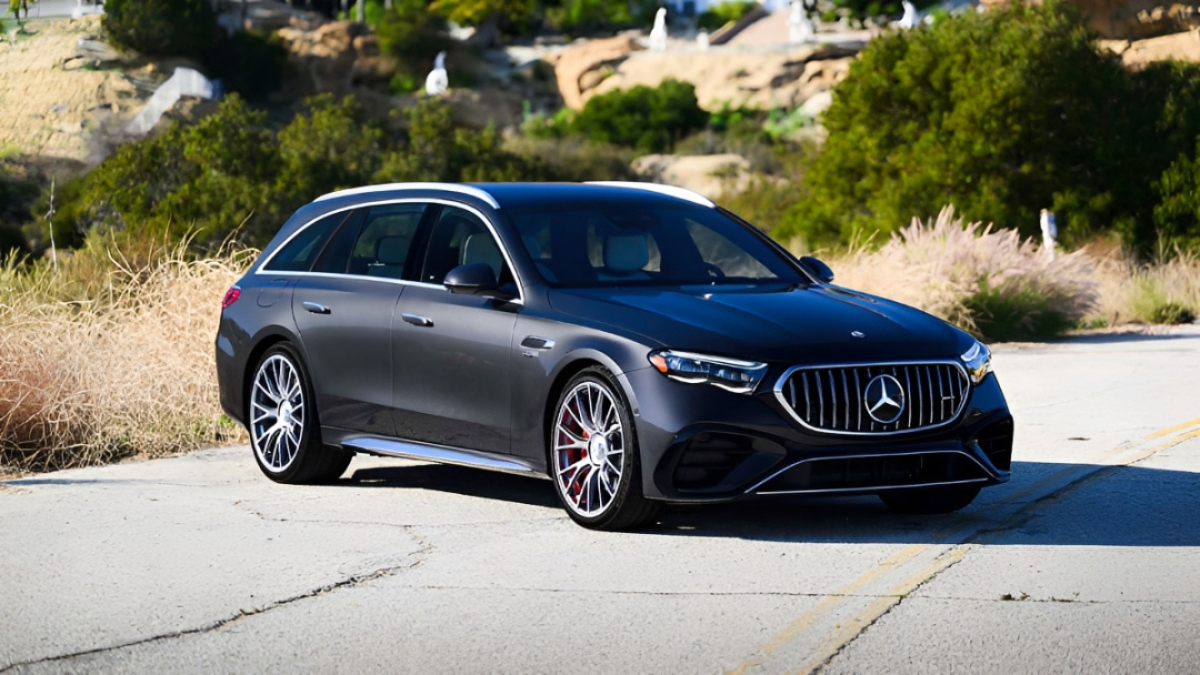
A wagon can be the least stressful choice when:
- roads are mostly paved,
- weather is rain/slush rather than deep snow,
- and the trip is heavy on highway miles.
Why it works
- Lower center of gravity can feel stable in crosswinds and wet curves.
- Lane placement is usually easier in narrow corridors.
- Visibility and parking can feel simpler than in taller vehicles, reducing low-speed stress.
Where it can lose
- Clearance is typically lower than SUVs, so deep ruts and unplowed cabin roads can become a “hesitation factor.”
- If the destination involves frequent “snow berm” encounters, clearance can cost time and confidence.
Wagon is usually the best pick when:
- your “bad weather” is mostly heavy rain, slush, and wind,
- and the last mile is maintained.
Vehicle type #3: Minivan (the least annoying family weekend in bad weather)
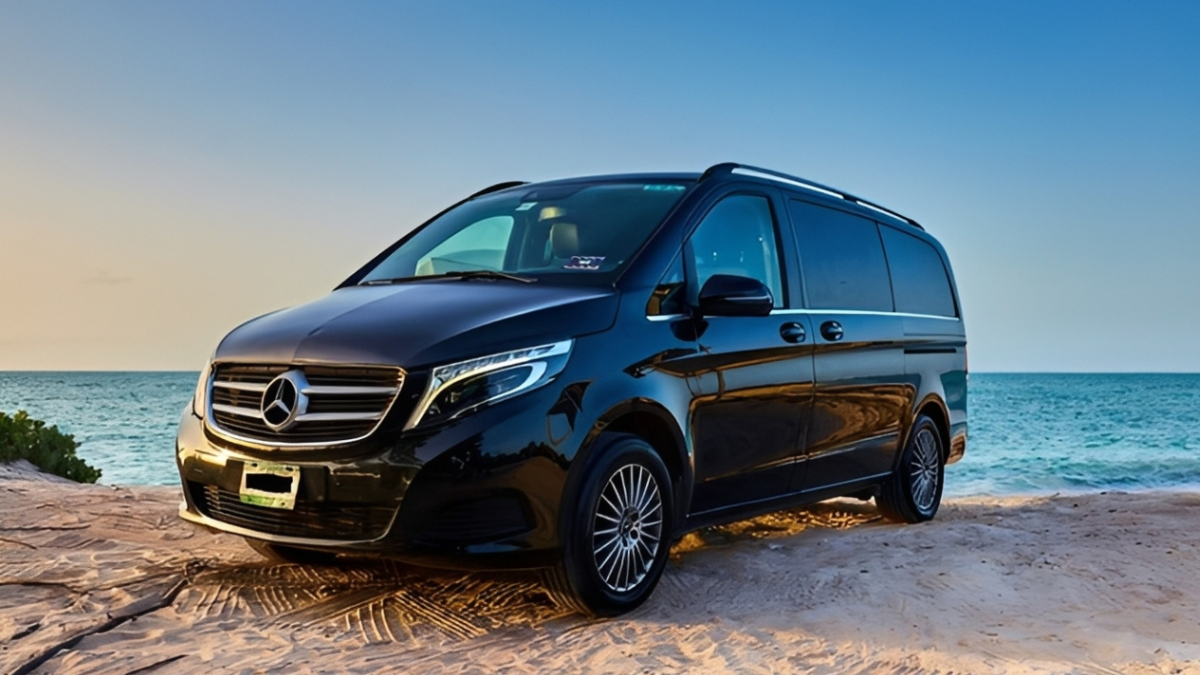
Minivans are underrated for bad‑weather weekends because most stress is not on the highway. It’s in the stop cycle:
- boots on/off,
- kids buckling,
- grandparents stepping in/out,
- loading wet gear.
Consumer Reports notes minivans tend to be among the easiest vehicle types to get into and out of—exactly the friction that multiplies in bad weather.
Why it works
- Door and loading access is usually easier when hands are full.
- Interior volume keeps wet gear out of footwells and seats.
- Low lift-over height can make loading easier for older adults.
Where it can lose
- Clearance can be the limiter on rough cabin roads.
- Not every minivan configuration includes AWD; if your last mile is consistently snow-packed, you must be intentional about tires and drivetrain.
Minivan is usually the best pick when:
- the weekend includes kids, grandparents, or repeated stops,
- and your “bad weather” is mostly plowed roads plus messy parking lots.
What this means in the U.S.
In the U.S., bad‑weather weekends often look like:
- high-speed interstate approach,
- then low-speed chaos near the destination.
That combination is why “best” is not a single spec. It’s whether the vehicle:
- stays stable in spray and wind,
- keeps the cabin organized with wet gear,
- and doesn’t become stressful to maneuver where pedestrians are present.
The IIHS blind-zone findings are a useful reminder that “bigger” can raise stress in the very places that dominate weekends: lots, driveways, and short town runs.
What you can do: the 12-minute bad‑weather chooser
Use this checklist to pick the right vehicle type (and avoid buying the wrong solution):
1) Define your bad weather: rain/slush vs deep snow vs unplowed last mile.
2) Pick your dominant stress: last-mile traction, low-speed visibility, or stop-cycle loading.
3) Commit to tires first: the right tires and tread depth are the foundation.
4) Choose the body style that reduces your main stress:
- SUV if clearance/AWD confidence dominates,
- wagon if highway calm and visibility dominates,
- minivan if door/loading and mixed-age passengers dominate.
5) Cold-weekend buffer: plan for reduced hybrid fuel economy in cold conditions per DOE guidance, especially with short trips.
Bottom line
For 2026 bad‑weather weekends, the “best” vehicle type is the one that stays calm where your weekend actually happens.
- A hybrid SUV is usually the best all-around choice when the last mile is uncertain and you want clearance plus available AWD.
- A wagon is often the least tiring choice when bad weather is mostly wet highways and the destination roads are maintained.
- A minivan can be the least stressful family choice when the weekend includes kids and grandparents and the real problem is repeated stop-cycle loading in cold, messy conditions.
No matter which type you choose, tires and cold-weather expectations do more to prevent weekend drama than a single body style decision.