
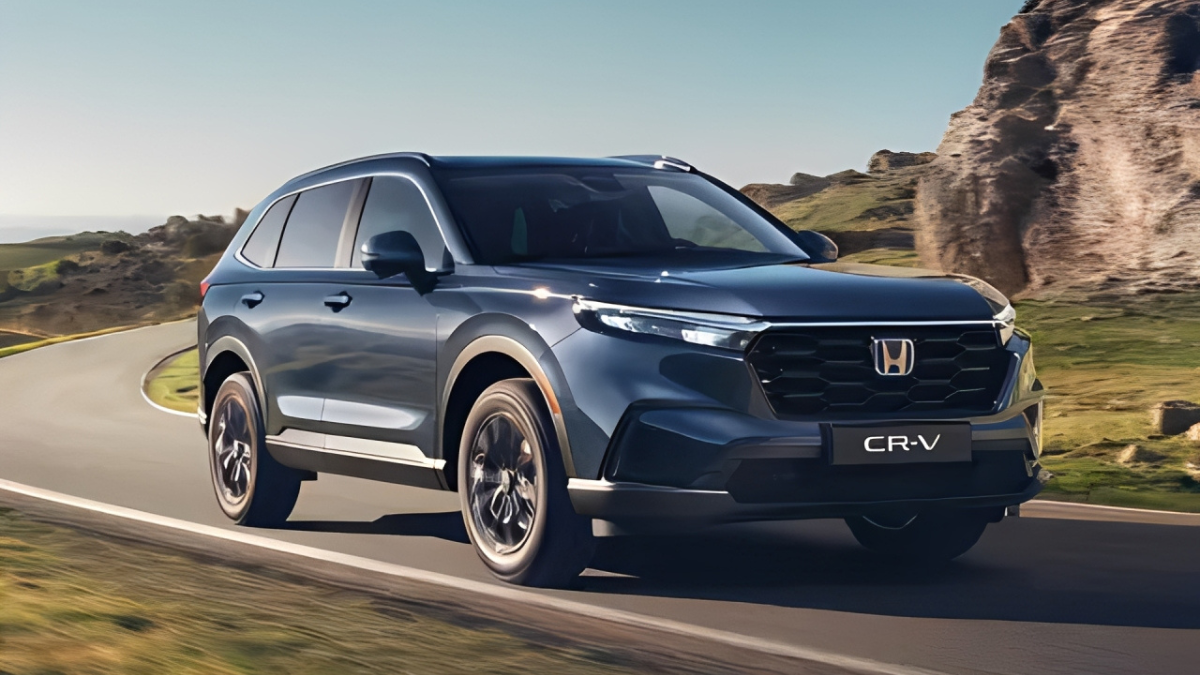
According to Toyota’s 2026 RAV4 model page, Honda’s CR‑V model page, and Car and Driver’s recent hybrid-compact-SUV comparison testing, “weekend-ready” hybrid SUVs separate less on badges and more on repeatable trip problems: fuel stops, bad-weather traction, and how easily gear fits behind the second row. For 2026, the most efficient trim-and-drivetrain combinations can mean one fewer refuel on longer loops, but only if the build matches the route (and the tires match the season). This guide keeps the focus on the few details that change a Friday-to-Sunday trip the most—and skips the brochure noise.
Quick takeaways
- Start with the route: highway miles, winter weather, or mixed surfaces.
- Lock in the drivetrain (FWD/AWD) before comparing mpg.
- Test cargo with your real gear, not a brochure number.
- If towing or charging is part of the plan, treat it as pass/fail.
1) The “weekend fuel” metric is stops, not cents
For most two-night trips, the real win is skipping a badly timed refuel.
Toyota’s 2026 RAV4 page lists up to an estimated 47 city / 40 highway mpg, which is why RAV4 Hybrid trims often land at the top of “fewer stops” shortlists. The 2026 Honda CR-V Hybrid is in the same conversation, with published ratings that shift by drivetrain and trim. Exact mpg depends on the exact build; confirm the rating for the specific drivetrain/trim before comparing costs.
A clean way to shop: compare highway mpg for two trims you’d actually buy, then decide whether the higher-mpg choice still fits the rest of the trip (AWD, cargo, tow).
2) AWD is the most common trim mistake
Bad weather is where hybrids stop being abstract. A wet pass or a slushy arrival is a reminder that AWD is an option choice, not a feeling.
On the CR-V Hybrid, published fuel-economy figures differ between FWD and AWD versions, so AWD can cost a little efficiency. That trade is often worth it if winter weekends are frequent.
Rule of thumb:
- Regular snow: choose AWD first.
- Mostly dry miles: choose efficiency first and invest in tires.
3) Cargo is about shape and load height
Toyota lists up to 37.8 cubic feet of cargo space behind the second row on its 2026 RAV4 page. That helps when the second row stays up and the load is bulky.
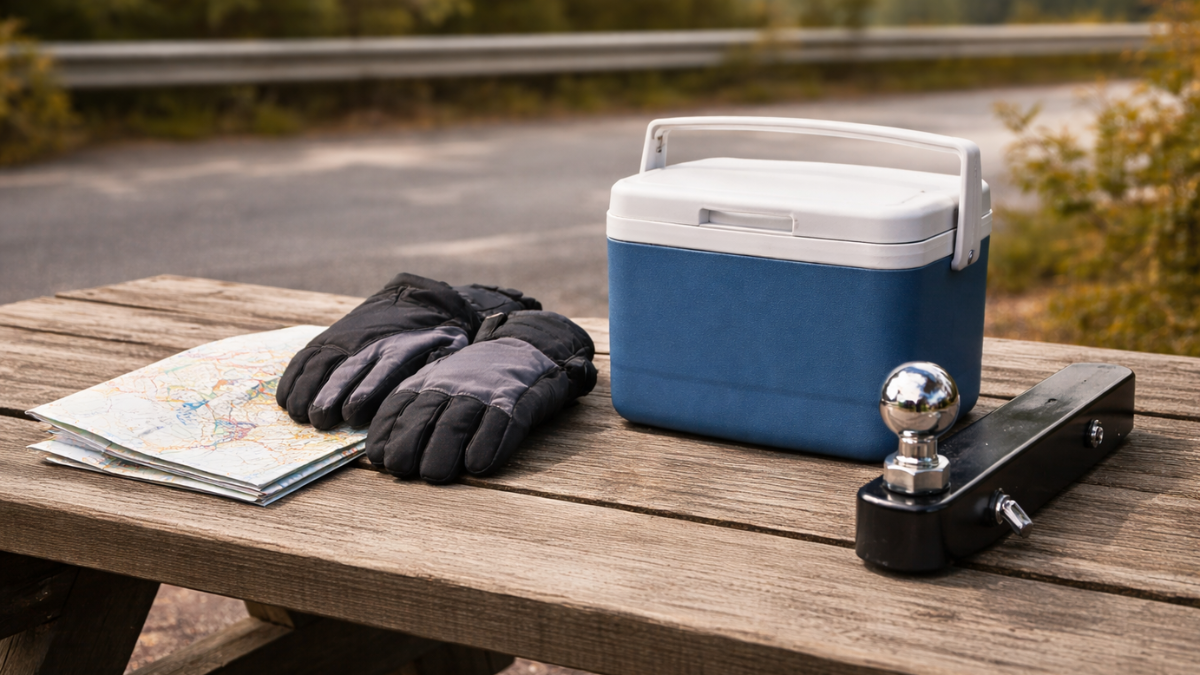
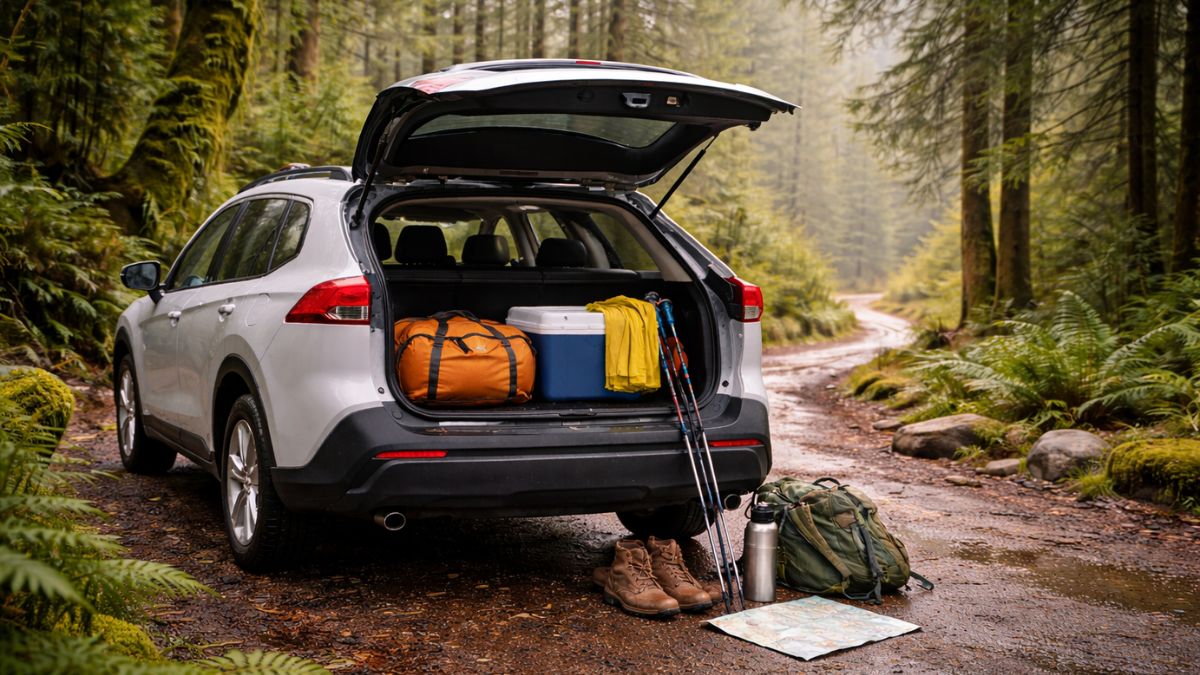
Still, weekend packing is usually about one awkward item. The fastest test is practical: bring a cooler and a storage bin, load them with the second row up, and check the hatch opening and load-floor height.
4) Towing and charging can change the shortlist
Towing: Toyota lists up to 3,500 pounds of towing capacity for the 2026 RAV4 lineup. If a small trailer is part of the plan, treat tow rating as a filter before comparing features.
Charging: plug-in hybrids can be great for “drive out Friday, local miles Saturday” patterns, but only when the destination has reliable charging. If a cabin or hotel cannot confirm a working plug, a regular hybrid is the safer planning tool.
Road-trip comfort still matters. Comparison testing of 2026 hybrid compact SUVs flags differences in noise and ride at highway speeds. After drivetrain and tow needs are set, pick the one that feels calm at 70–75 mph.
If you only do one thing: choose the drivetrain and towing reality first, then shop trims for comfort and cargo.
What to watch next: spring and summer 2026 updates can shift mpg ratings and feature packaging, so re-check official spec pages before buying.
SOURCES