

According to AAA’s Your Driving Costs 2025 study, average all‑in ownership costs for a Small Sedan are listed at 55.87¢ per mile, while a Subcompact SUV is 66.11¢/mile and a Compact SUV is 68.53¢/mile (based on standardized assumptions over five years and 75,000 miles). The IRS, meanwhile, set the 2026 business standard mileage rate at 72.5¢/mile, a commonly used “all‑in” proxy that bundles fuel, maintenance, depreciation and other ownership costs. And gasoline prices can move quickly: EIA’s weekly U.S. regular-gasoline series shows the national average at $3.015/gal for the week of 03/02/2026, rising to $3.502/gal for the week of 03/09/2026. Put those together and the practical question becomes clear: on a 500‑mile weekend, does a sedan actually cost less than a small SUV once “living with it” costs are counted?
Quick takeaways
- All‑in cost usually favors sedans: AAA’s study lists 55.87¢/mile for a Small Sedan versus 66.11–68.53¢/mile for small SUVs (subcompact/compact).
- On a 500‑mile weekend, that’s real money: multiplying AAA’s per‑mile costs suggests roughly $279 (sedan) vs $331–$343 (small SUV) for the trip’s “ownership + operating” cost under AAA’s standardized assumptions.
- Fuel alone won’t decide it: EIA’s weekly series shows gas can move from $3.015 to $3.502 in a week; even then, fuel differences are usually smaller than depreciation/insurance/tires baked into per‑mile totals.
- Your personal answer can flip: if the SUV is older, paid off, or driven less, depreciation may be lower than AAA’s “new vehicle” assumption, shrinking the gap.
- Best decision method: compare (1) fuel cost for your real MPG, and (2) an “all‑in” mile cost proxy (AAA category or IRS mileage rate) to avoid undercounting wear.
Step 1: Decide what “costs less to live with” means
For a weekend trip, cost can be framed two ways:
1) Trip-only spend: fuel, tolls, parking.
2) Live-with cost: fuel plus the mileage-driven wear that shows up later (maintenance, tires, depreciation, insurance risk).
Most people compare only #1, then get surprised by #2.
AAA’s per‑mile figures are useful because they are designed to represent total ownership + operating cost under standardized assumptions, not just gas.
Step 2: The clean math for a 500‑mile weekend
Use one of these methods. The goal is consistency, not false precision.
Method A (simple, all-in): AAA cost-per-mile
Trip “live-with” cost = Miles × AAA cost-per-mile
Using AAA’s category averages:
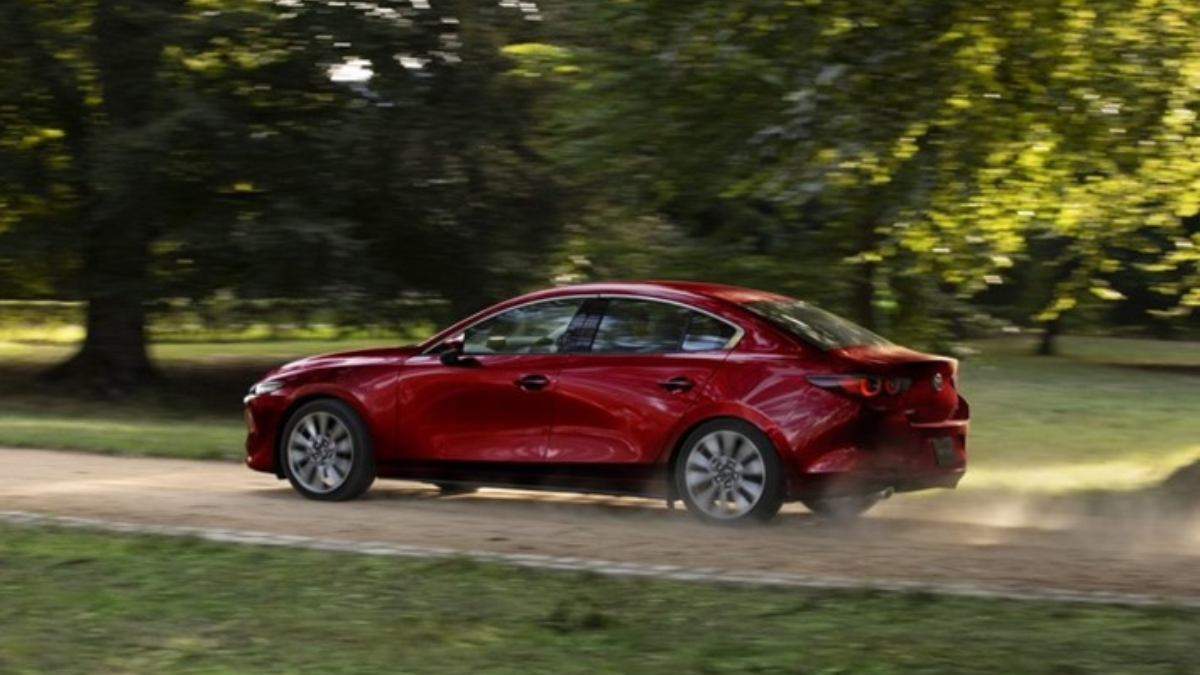
- Small Sedan: 500 × $0.5587 = $279.35
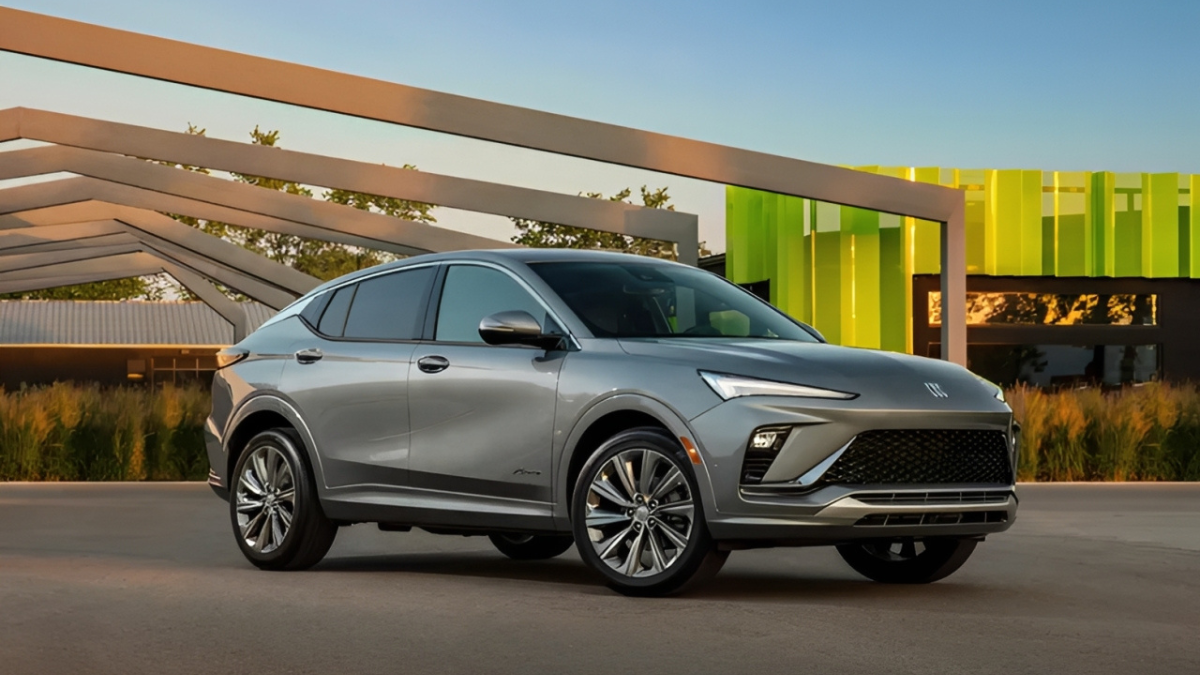
- Subcompact SUV: 500 × $0.6611 = $330.55
- Compact SUV: 500 × $0.6853 = $342.65
This method is best when you want a fast, apples-to-apples comparison.
Method B (alternate all-in lens): IRS mileage rate
The IRS 2026 business rate is 72.5¢/mile. It’s not “your exact cost,” but it is a widely used all‑in proxy that reminds people not to ignore depreciation and maintenance.
- 500 × $0.725 = $362.50
This number can be a useful “reality check” if your own estimate seems too low.
Step 3: Fuel still matters—just not as much as people think
Fuel is the only part of the weekend cost you pay immediately at the pump, so it gets the attention.
EIA’s weekly U.S. regular-gasoline series shows how quickly the baseline can move (for example, $3.015/gal on 03/02/2026 vs $3.502/gal on 03/09/2026). That is why “fuel math” can change between booking day and departure day.
If you want to estimate fuel for your own vehicles, use this:
- Fuel gallons = miles ÷ your real highway MPG
- Fuel cost = gallons × current local price
Important: this is only the spend portion. It does not replace wear and depreciation.
Step 4: When the small SUV can make more sense anyway
Even if the sedan often wins on cost-per-mile, the SUV can win on “life”:
- If the weekend includes rough access roads or snow: clearance and AWD availability reduce risk and stress.
- If cargo is bulky: a cooler, stroller, or dog crate can avoid “cabin spillover,” which is a comfort cost.
- If the sedan would require renting gear (roof box, chains) or upgrading tires: that extra spending can narrow the gap.
A clean way to price “SUV advantage” is to treat it like an insurance premium: what is the value of avoiding one bad-weather headache or one packing compromise?
What changed in 2026 (the quick anchors)
Two 2026 realities matter for cost comparisons:
- All-in cost awareness: the IRS set the 2026 mileage rate at 72.5¢/mile, reinforcing that depreciation and maintenance are real costs even when the car is paid off.
- Gas can be volatile: EIA’s weekly series shows that the national average can move quickly week to week.
Neither tells you exactly what your trip costs. But both are strong tools to keep the comparison honest.
What this means in the U.S.
For a 500‑mile weekend in the U.S., the typical pattern is:
- 70–80 mph highway cruising,
- one or two stops,
- and a destination area where parking and tight maneuvering matter.
In that pattern:
- sedans often cost less “to live with” per mile (AAA’s averages support that),
- small SUVs often reduce stress around cargo, winter traction, and visibility,
- and the smart choice depends on which friction matters most for your trips.
What you can do: a 10-minute decision checklist
1) Pick the lens: “trip spend only” or “live-with cost.”
2) Run AAA math: 500 × your category’s cost-per-mile (sedan vs SUV).
3) Run fuel math: miles ÷ real MPG × today’s price (use EIA’s weekly series as a baseline reference).
4) List the weekend stressors: snow, gravel access, bulky gear, extra passengers.
5) Choose the lower-stress option if the cost gap is small. If the cost gap is large, the sedan usually wins unless the trip conditions demand the SUV.
Bottom line
If the question is “which costs less to live with” on a 500‑mile weekend, AAA’s standardized ownership-cost figures usually favor the sedan: about $279 for a Small Sedan versus $331–$343 for a small SUV across the same distance, under AAA’s assumptions.
If the weekend includes snow, rough access roads, or bulky cargo that forces compromises, a small SUV can still make more sense—even if it costs more per mile—because the “cost” is paid back in lower stress and fewer trip failures.