

According to Car and Driver, it has long measured interior sound at a 70-mph cruise and now adds sones alongside decibels to better reflect perceived loudness—because “calm” is what drivers feel (or don’t) after a few hours. J.D. Power’s 2025 Initial Quality Study also reports infotainment remains the most problematic vehicle category, and notes touchscreen issues rise as more basic functions move into screens. Put those together and a practical weekend pattern emerges: some cars feel fine for the first hour, then start feeling “wrong” right around hour two—when fatigue, noise, and small frictions stop being background and become the trip.
Quick takeaways
- The “2-hour rule” is when tiny issues become big: noise, seat pressure, touchscreen friction, and stop-cycle clutter start stacking.
- Car and Driver’s move to report sones at 70 mph reflects how much perceived cabin noise drives fatigue on weekend highway runs.
- J.D. Power’s 2025 IQS says infotainment remains the most problematic category and notes touchscreen issues rise as more basic functions move into screens.
- The “wrong car” usually fails on workload, not horsepower: micro-corrections, constant alerts, and awkward cargo access.
- Best move: run a short, repeatable test that mimics hour-two reality—highway calm + one pass + a stop-cycle access drill.

What the “2-hour rule” really is
It’s not a scientific timer. It’s a pattern weekend travelers recognize.
Hour one is novelty. The vehicle still feels “new.”
Hour two is where the brain stops forgiving small annoyances.
That’s when people notice:
- a faint wind hiss that becomes constant,
- a seat edge that starts pinching,
- a driver-assist system that corrects too aggressively,
- a touchscreen path that takes too many taps,
- and bags that have migrated into footwells.
City driving hides these issues because it’s shorter and broken up. Weekend driving exposes them because it’s continuous.
Why some cars feel wrong fast: the fatigue stack
A car rarely fails on one big thing. It fails on five small things that add up.
1) Sensory fatigue (noise that never turns off)
Interior sound is the most common “hour two” complaint because it is continuous.
Car and Driver’s attention to interior noise measurement at a 70-mph cruise—and the addition of sones—signals that perceived loudness matters, not just decibels. Research on low-frequency road noise also suggests this kind of sound environment can contribute to increased driver fatigue and reduced task performance.
Weekend takeaway: a car can be “quick” and still feel wrong if the cabin never relaxes.
Practical check:
- audio off, fan low, 65–75 mph for five minutes,
- decide whether the dominant sound is wind hiss, tire roar, or drivetrain drone.
2) Physical fatigue (seat pressure and posture drift)
Seats can feel fine for 30 minutes and terrible at two hours.
The common “wrong car” pattern:
- cushion too firm or too soft,
- lumbar support in the wrong place,
- thigh support too short,
- headrest pushing the head forward.
After hour two, drivers start repositioning. That’s a signal the body is bracing instead of relaxing.
Practical check:
- set the seat once, then avoid fiddling for 20 minutes,
- if the urge to adjust keeps returning, fatigue is being created.
3) Cognitive fatigue (too many little decisions)
Weekend driving adds mental tasks: navigation changes, merges, reroutes, new roads, parking, and stop planning.
A car feels “wrong” when it demands more attention than expected:
- steering that needs constant correction,
- excessive alert chimes,
- touchy lane warnings,
- inconsistent adaptive cruise behavior.
At hour two, drivers start wanting the vehicle to “carry” some of the workload without creating new surprises.
4) Touchscreen friction (infotainment that becomes a trip problem)
Infotainment issues are not just annoyances; they can become distraction risks.
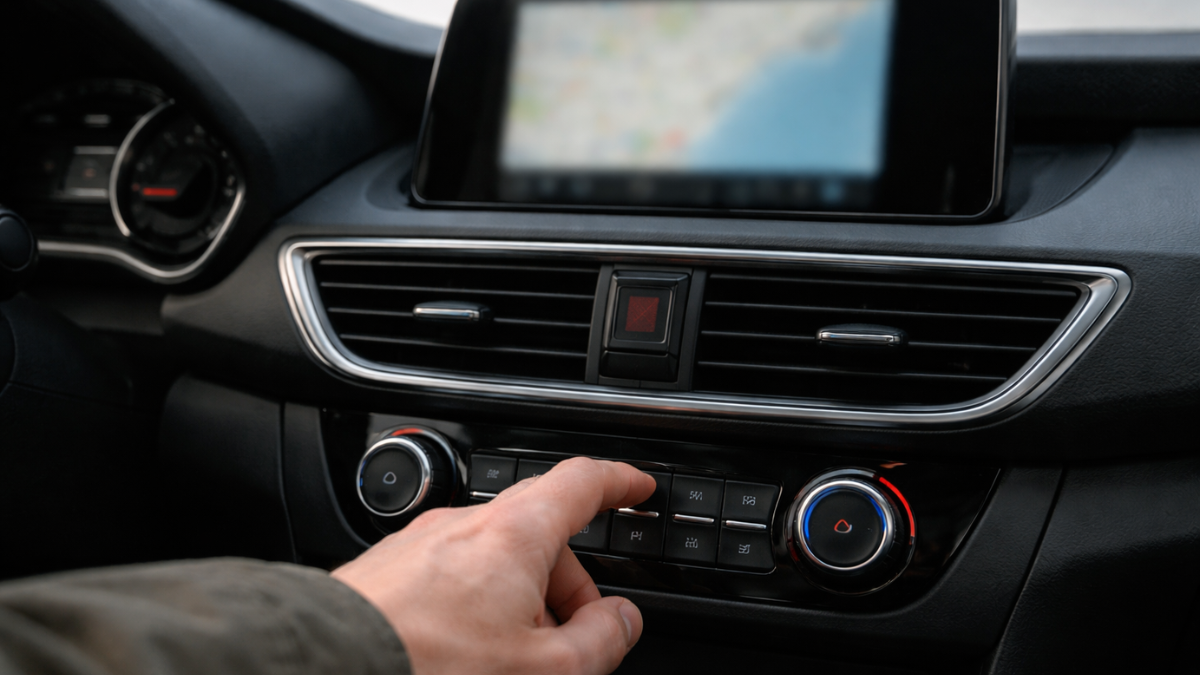
J.D. Power’s 2025 Initial Quality Study reports infotainment remains the most problematic category and notes touchscreen problems rise as more non-audio features move into screens (including basic functions like climate and other controls). On a weekend trip, screens get used more:
- searching stops,
- changing routes,
- switching audio,
- adjusting climate as weather changes.
When simple tasks require several taps, the car feels wrong faster because attention gets pulled off the road more often.
Practical check:
- can defrost and temperature be changed quickly without menu-hunting?
- does phone pairing stay stable for an hour?
5) Stop-cycle friction (cargo access and clutter control)
Weekend trips aren’t one long highway leg. They’re repeated stops:
- gas,
- groceries,
- trailhead,
- check-in,
- dinner parking.
The wrong car exposes itself when every stop becomes a mini-repack:
- cooler blocks access,
- bags spill into seats,
- rear visibility gets blocked,
- the driver can’t grab one item without unloading everything.
This is why “fold-flat space” often matters less than seats-up access. After hour two, people value the vehicle that stays organized without effort.
Practical check:
- keep seats set as you travel,
- load: cooler + two duffels + layers,
- open the hatch and grab one bag without rearranging.
Why this trend is growing in 2026 weekend travel
As trips become more frequent, the pain of a “slightly wrong” car repeats more often.
People aren’t necessarily abandoning advanced features. They are re-ranking them:
- smooth, predictable help beats flashy capability,
- calm beats loud,
- fewer taps beats a bigger screen,
- seats-up usability beats a giant fold-flat number.
The 2-hour rule is basically the anti-brochure filter: it asks what the car feels like once the trip stops being fun and starts being work.
What this means in the U.S.
In the U.S., a typical weekend pattern is:
- 70–80 mph highway,
- coarse pavement sections,
- crowded parking at the destination,
- and multiple stop cycles.
That environment punishes:
- noisy cabins,
- fussy controls,
- and awkward cargo access.
It rewards vehicles that stay boring: calm at speed, easy to place in traffic, and easy to live with at stops.
What you can do: the 14-minute “2-hour rule” test drive
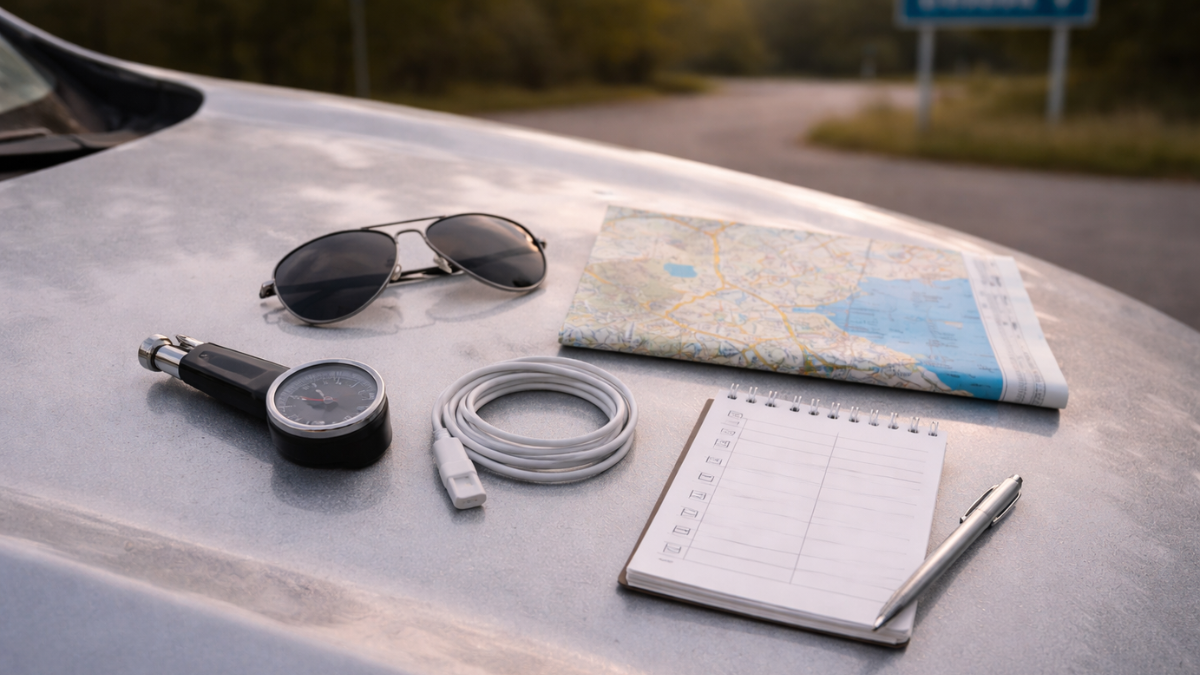
This is a short test designed to simulate hour-two reality.
- Highway calm test (6 min): audio off, fan low at 65–75 mph. Note dominant noise and steering workload.
- One passing move (2 min): 50–70 mph pass. It doesn’t need to be fast; it needs to feel effortless.
- Driver-assist smoothness (3 min): brief adaptive cruise + lane centering segment. Look for calm vs ping-pong corrections.
- Stop-cycle access (3 min): open cargo, grab one bag, close up; try defrost and temperature changes quickly.
If a vehicle passes these four, it usually won’t feel “wrong” at hour two—because it’s not asking for constant compensation.
Bottom line
The “2-hour rule” explains why some weekend cars start feeling wrong faster than others. It isn’t about one spec like horsepower or cargo volume. It’s about a fatigue stack: cabin noise, seat comfort, driver workload, touchscreen friction, and stop-cycle access. With interior noise being measured more thoughtfully and infotainment still showing up as a top complaint category, the 2026 weekend winner is increasingly the car that stays calm, simple, and predictable after hour two.